
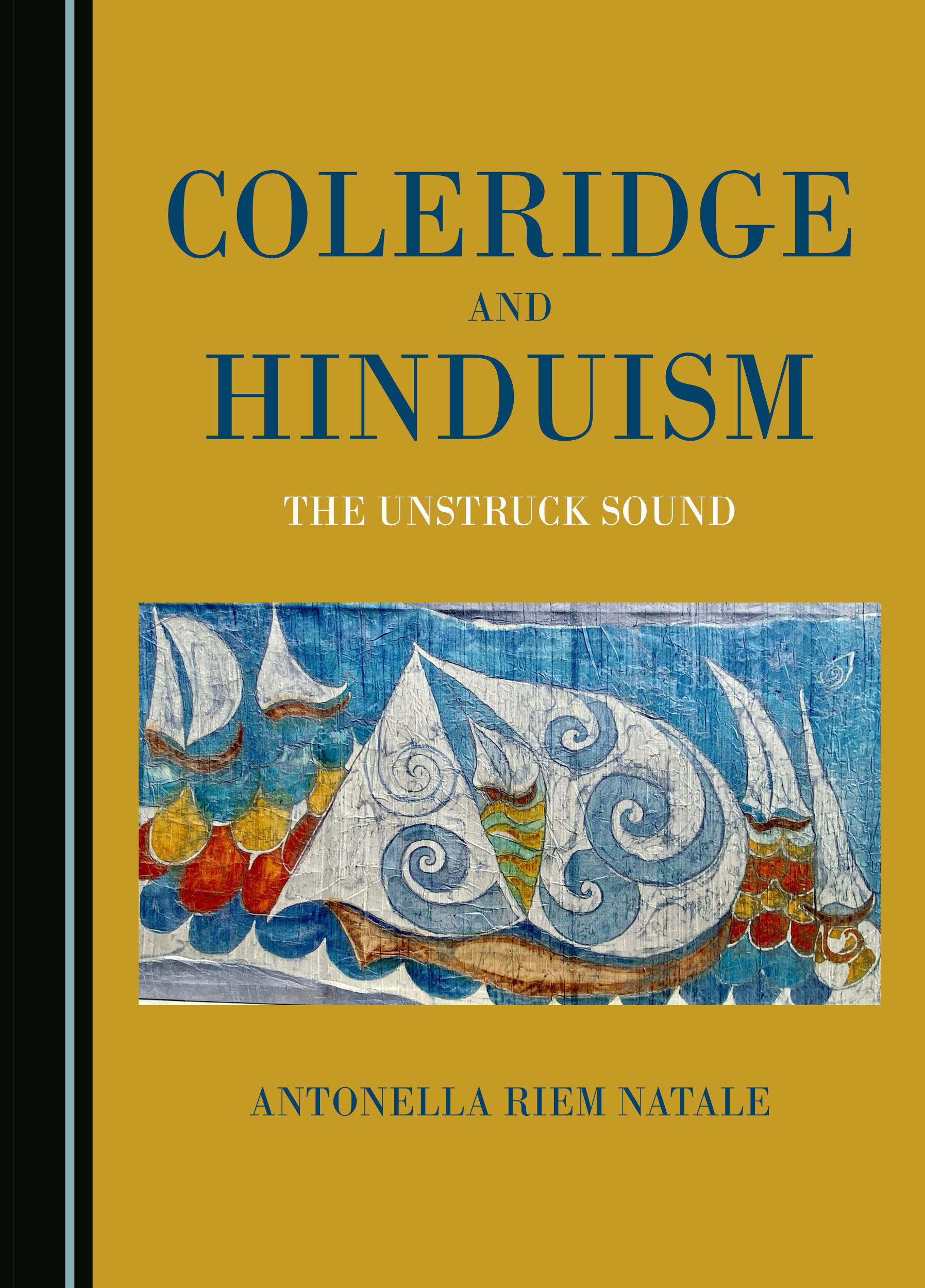
Coleridge and Hinduism
The Unstruck Sound
The only comprehensive study of Coleridge's profound ties to Oriental Tales, revealing how Hindu works, especially the Bhagavadgītā, shaped his poetic imagination and his quest for the “One life.”
The only comprehensive study of Coleridge’s profound ties to Oriental Tales, revealing how Hindu works, especially the Bhagavadgītā, shaped his poetic imagination and his quest for the “One life.”
View more
This product has multiple variants. The options may be chosen on the product page
Coleridge’s Chrysopoetics
Alchemy, Authorship and Imagination
This book assesses alchemy in Coleridge’s conception of authorship. It argues that for Coleridge, the author must become other to become himself. This alchemical view demonstrates a unique link between plagiarism and creativity, redefining originality itself.
This book assesses alchemy in Coleridge’s conception of authorship. It argues that for Coleridge, the author must become other to become himself. This alchemical view demonstrates a unique link between plagiarism and creativity, redefining originality itself.
View more
This product has multiple variants. The options may be chosen on the product page
From £32.99
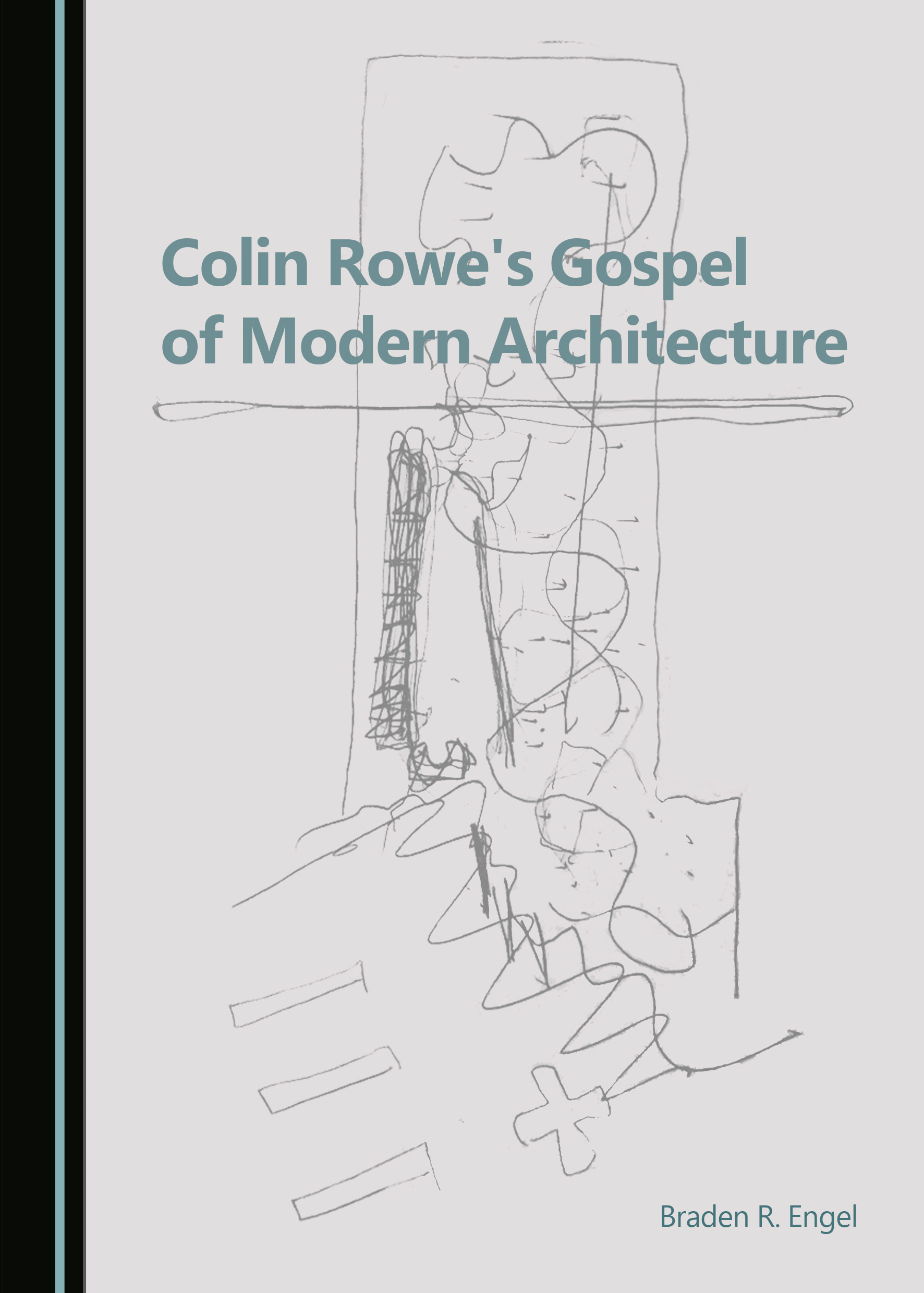
How did Colin Rowe become one of the 20th century’s most influential architecture teachers? This book uncovers his provocative methods—irony, paradox, and subversion—by drawing on his private notes, sketches, and talks to reveal the mischief behind the master.
How did Colin Rowe become one of the 20th century’s most influential architecture teachers? This book uncovers his provocative methods—irony, paradox, and subversion—by drawing on his private notes, sketches, and talks to reveal the mischief behind the master.
View more
This product has multiple variants. The options may be chosen on the product page
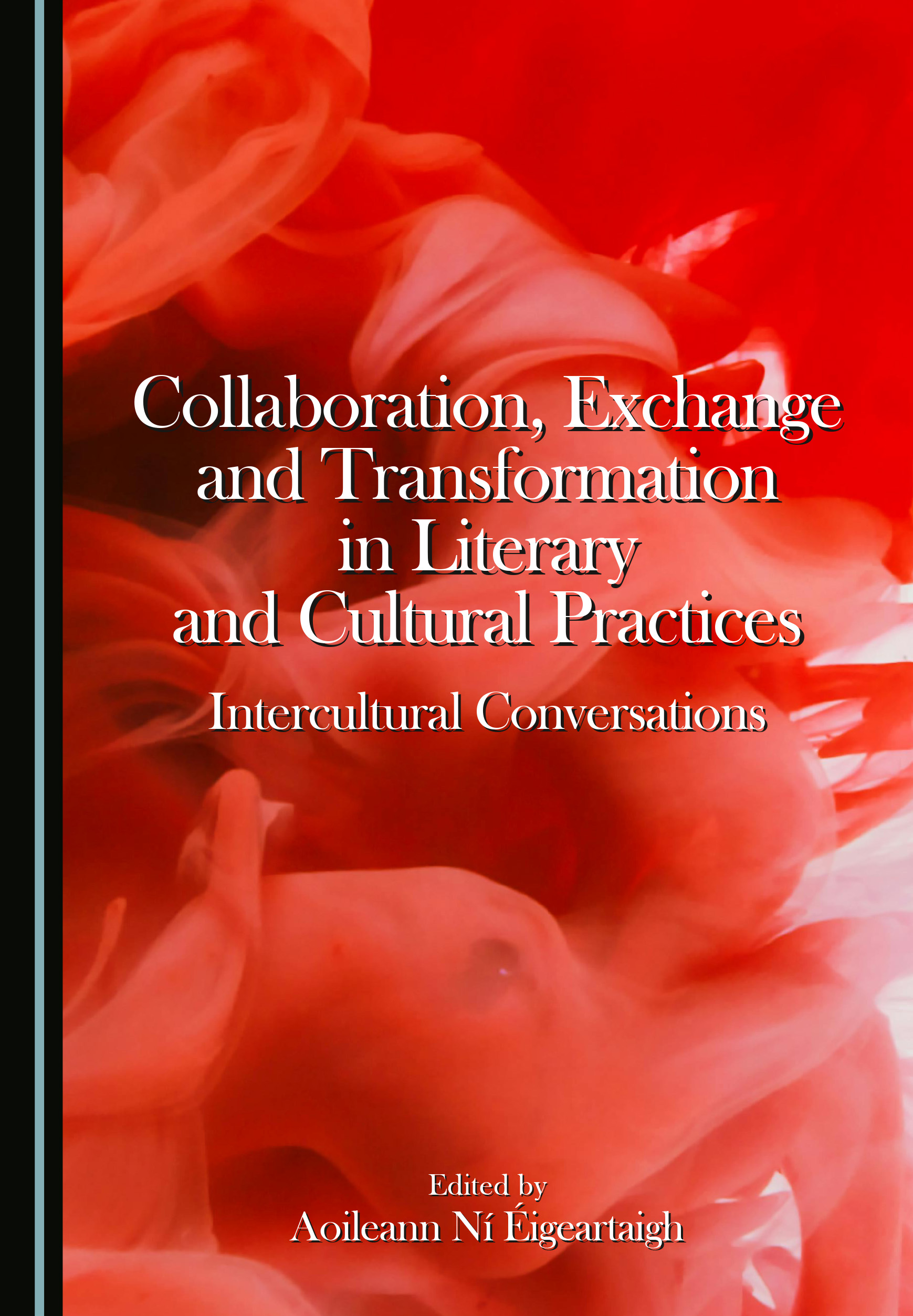
Collaboration, Exchange and Transformation in Literary and Cultural Practices
Intercultural Conversations
This collection of essays focuses on the transformational potential of intercultural conversations. Through respectful dialogue, we can resist narrow conceptions of history and identity, and instead forge new, exciting and transcendent modes of being.
This collection of essays focuses on the transformational potential of intercultural conversations. Through respectful dialogue, we can resist narrow conceptions of history and identity, and instead forge new, exciting and transcendent modes of being.
View more
This product has multiple variants. The options may be chosen on the product page
£61.99
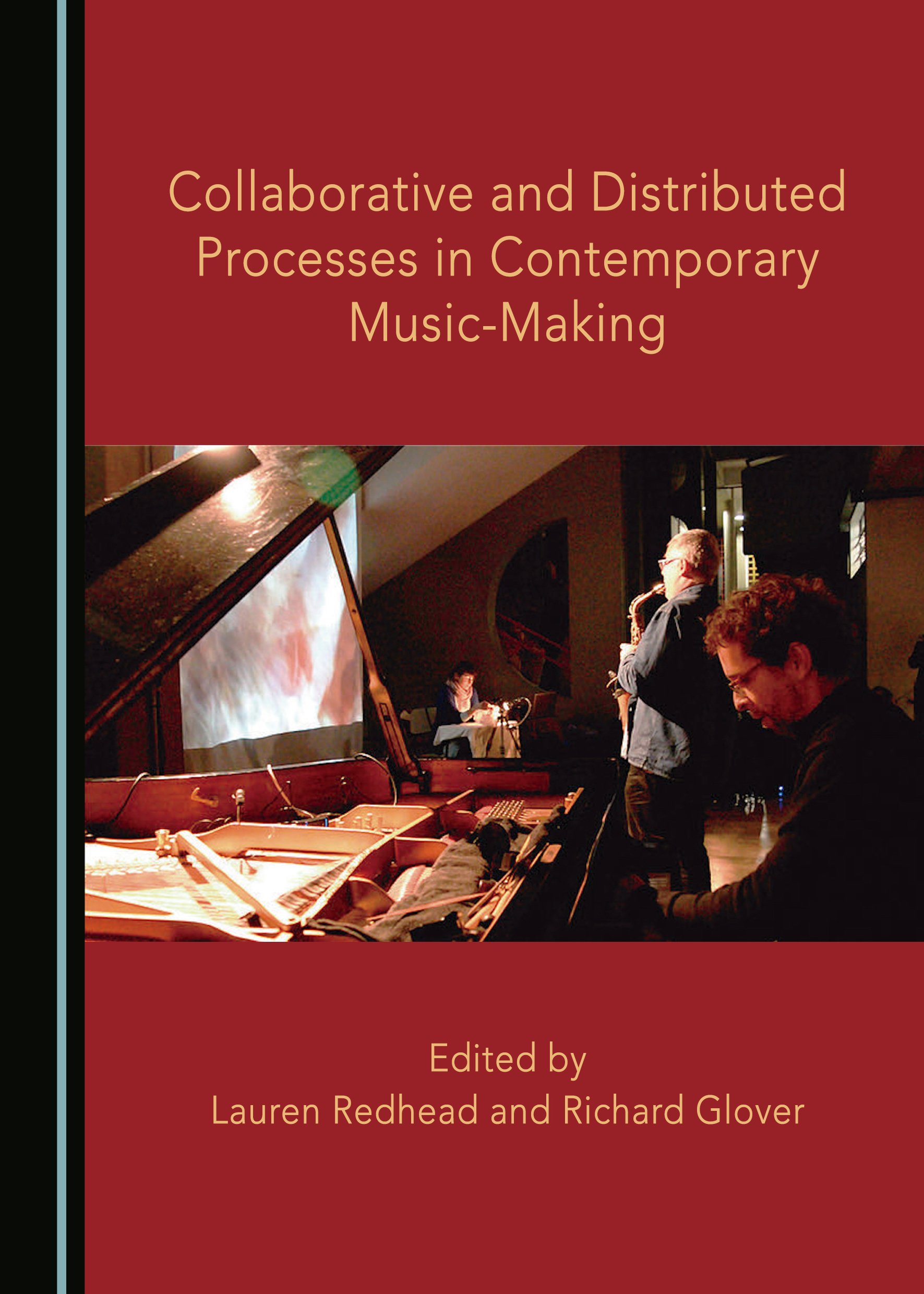
These essays provide a snapshot of the collaborative and distributed processes employed by today’s contemporary music practitioners. The volume reveals the varied nature of creative approaches in composition, performance, and improvisation.
These essays provide a snapshot of the collaborative and distributed processes employed by today’s contemporary music practitioners. The volume reveals the varied nature of creative approaches in composition, performance, and improvisation.
View more
This product has multiple variants. The options may be chosen on the product page

Collaborative Intelligence
Towards the Social Organization
This book describes the steps to transform a company into a social organization. It covers the strategic transformation, how HRM must adapt for collaborative work, and the new leadership skills needed, all supplemented with case studies from managers.
This book describes the steps to transform a company into a social organization. It covers the strategic transformation, how HRM must adapt for collaborative work, and the new leadership skills needed, all supplemented with case studies from managers.
View more
This product has multiple variants. The options may be chosen on the product page
Collaborative Working in Academic Research Projects
A Socioformative Approach
This guide to the principles of socioformation offers insights into collaborative working for building knowledge and research. It provides the reader with a clear analysis of collaborative processes, distinguishing them from cooperative working.
This guide to the principles of socioformation offers insights into collaborative working for building knowledge and research. It provides the reader with a clear analysis of collaborative processes, distinguishing them from cooperative working.
View more
This product has multiple variants. The options may be chosen on the product page
£44.99
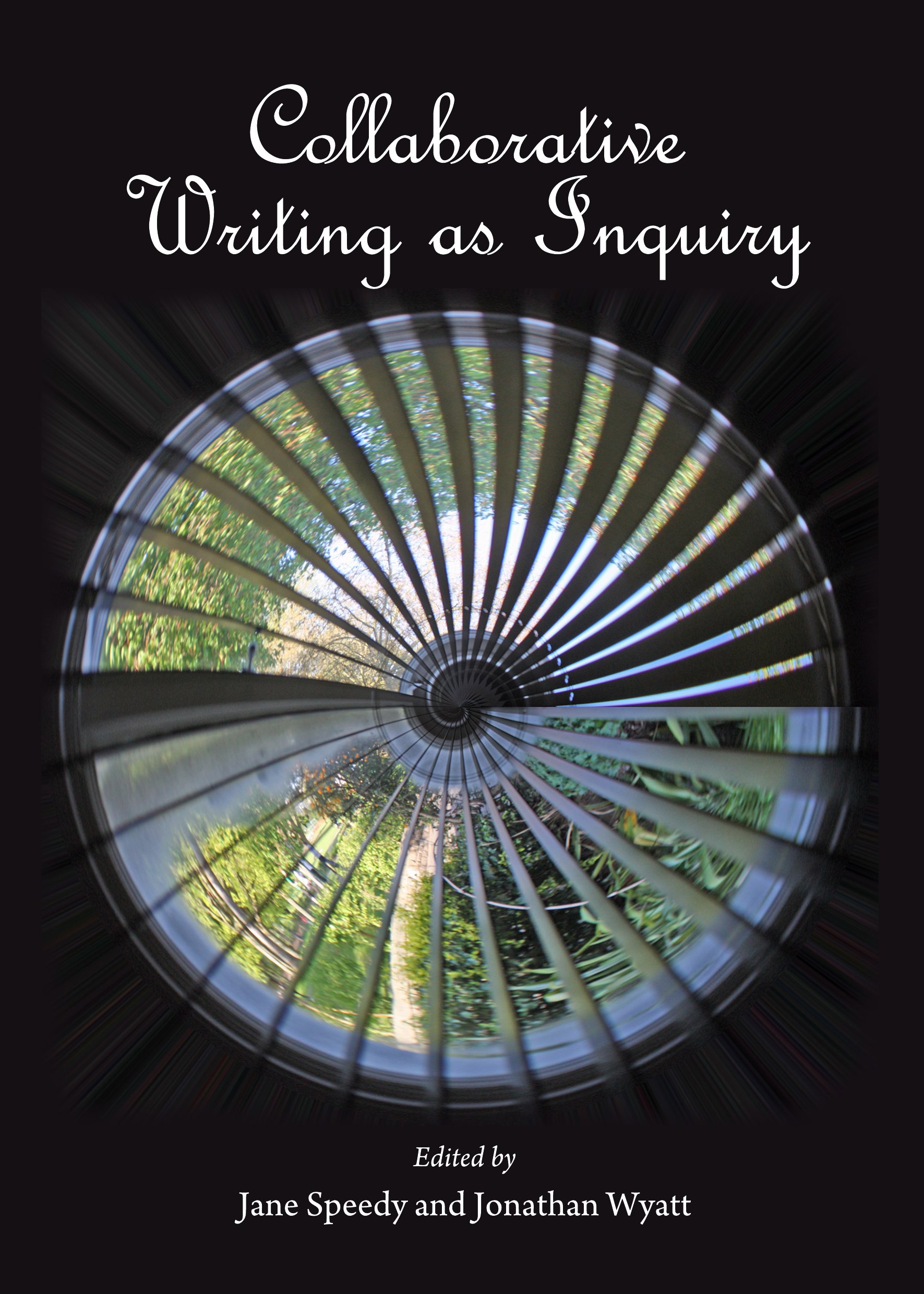
This book explores diverse approaches to collaborative writing as critical arts-based inquiry. Not a handbook, but a scrapbook of methods, fragments, and excursions into practices like poetic writing—a gesture against the market-driven academy.
This book explores diverse approaches to collaborative writing as critical arts-based inquiry. Not a handbook, but a scrapbook of methods, fragments, and excursions into practices like poetic writing—a gesture against the market-driven academy.
View more
This product has multiple variants. The options may be chosen on the product page
Collapse, Catastrophe and Rediscovery
Spain’s Cultural Panorama in the Twenty-First Century
Shaped by its dictatorial past and current economic crisis, Spain is in a moment of great rediscovery. This collection explores how contemporary Spanish film and literature dialogue with the nation's social situation, offering a wide range of analyses.
Shaped by its dictatorial past and current economic crisis, Spain is in a moment of great rediscovery. This collection explores how contemporary Spanish film and literature dialogue with the nation’s social situation, offering a wide range of analyses.
View more
This product has multiple variants. The options may be chosen on the product page
£54.99
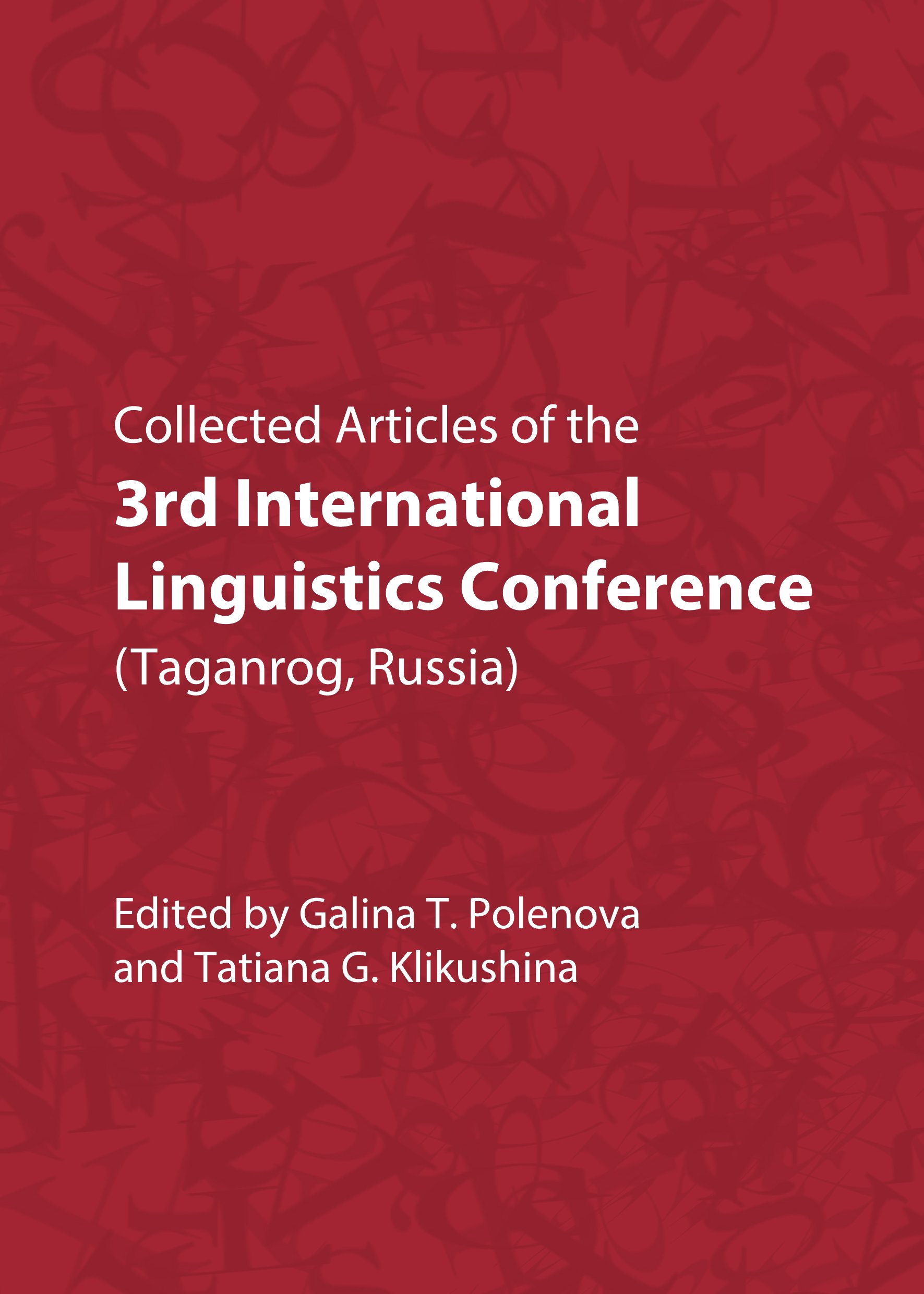
This collection of essays from an international conference presents important research in linguistics. It explores language theory, cross-cultural communication, pragmatics, translation, and teaching methods. An essential volume for scholars and students.
This collection of essays from an international conference presents important research in linguistics. It explores language theory, cross-cultural communication, pragmatics, translation, and teaching methods. An essential volume for scholars and students.
View more
This product has multiple variants. The options may be chosen on the product page
£39.99
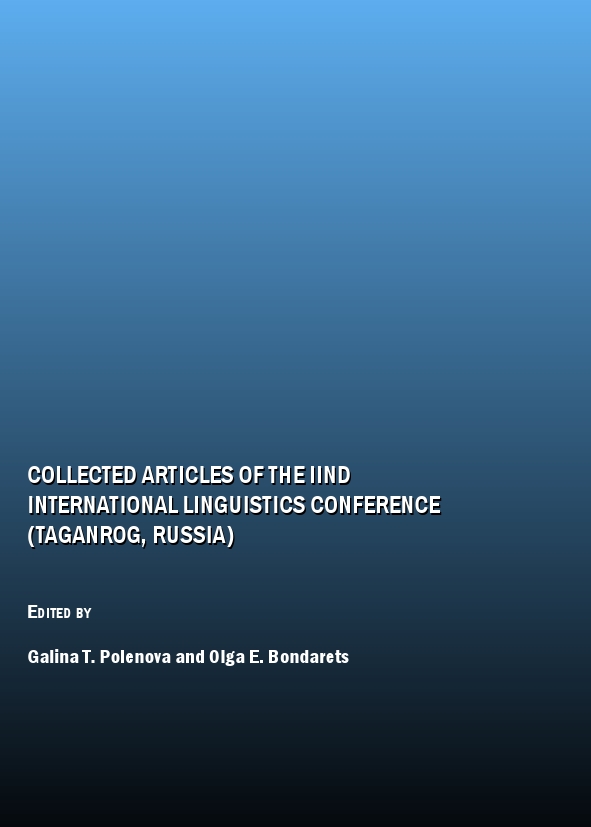
This book presents the most important research from an international linguistic conference, covering Historical linguistics, Lexicology, Grammar, Pragmatics, Ethnolinguistics, and Translation. A key resource for philologists, teachers, and students.
This book presents the most important research from an international linguistic conference, covering Historical linguistics, Lexicology, Grammar, Pragmatics, Ethnolinguistics, and Translation. A key resource for philologists, teachers, and students.
View more
This product has multiple variants. The options may be chosen on the product page
£47.99
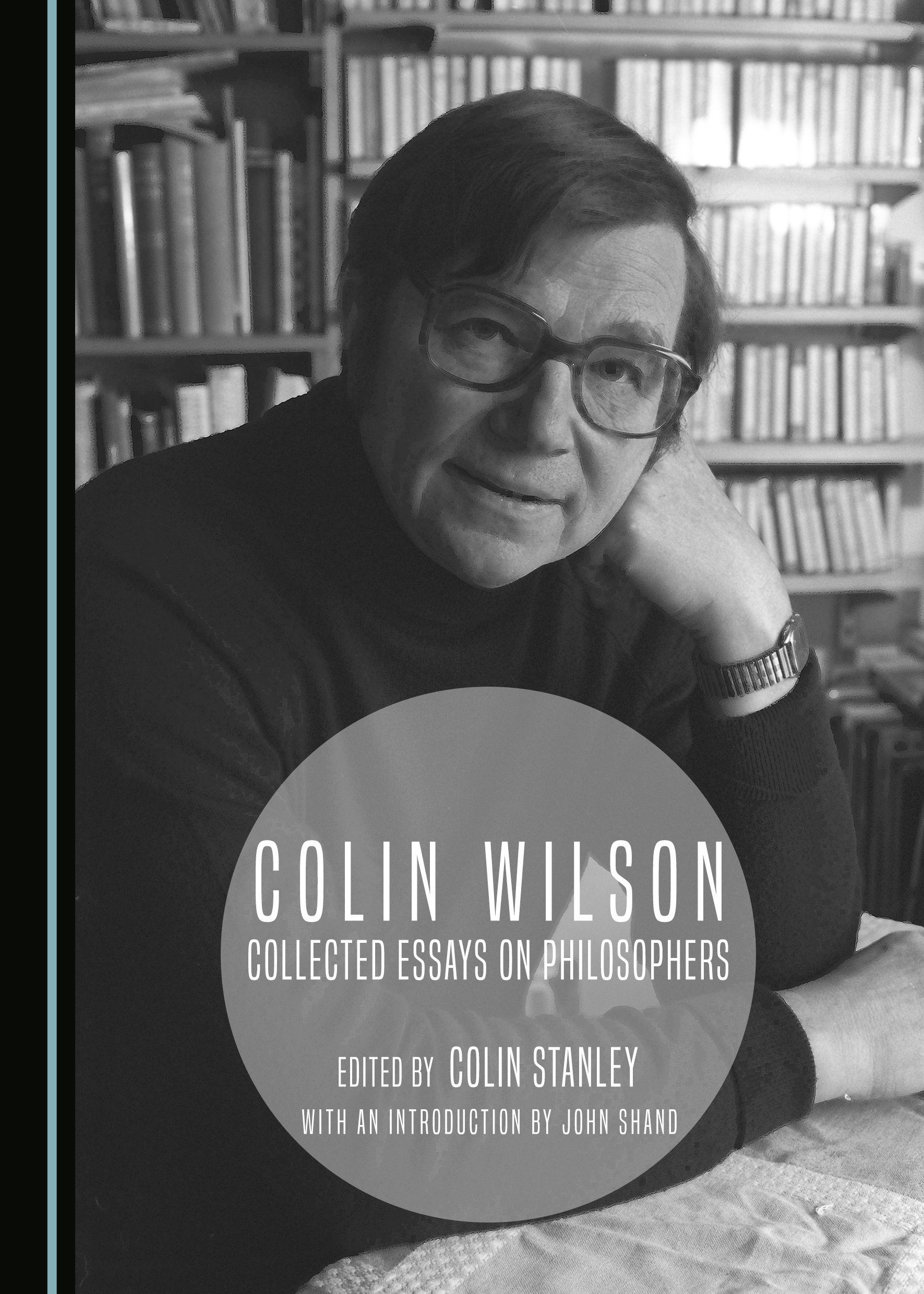
This volume brings together, for the first time, essays authored by the influential British existential philosopher Colin Wilson on seventeen other philosophers from across the globe, including some of those he met personally to discuss their ideas.
This volume brings together, for the first time, essays authored by the influential British existential philosopher Colin Wilson on seventeen other philosophers from across the globe, including some of those he met personally to discuss their ideas.
View more
This product has multiple variants. The options may be chosen on the product page
£67.99
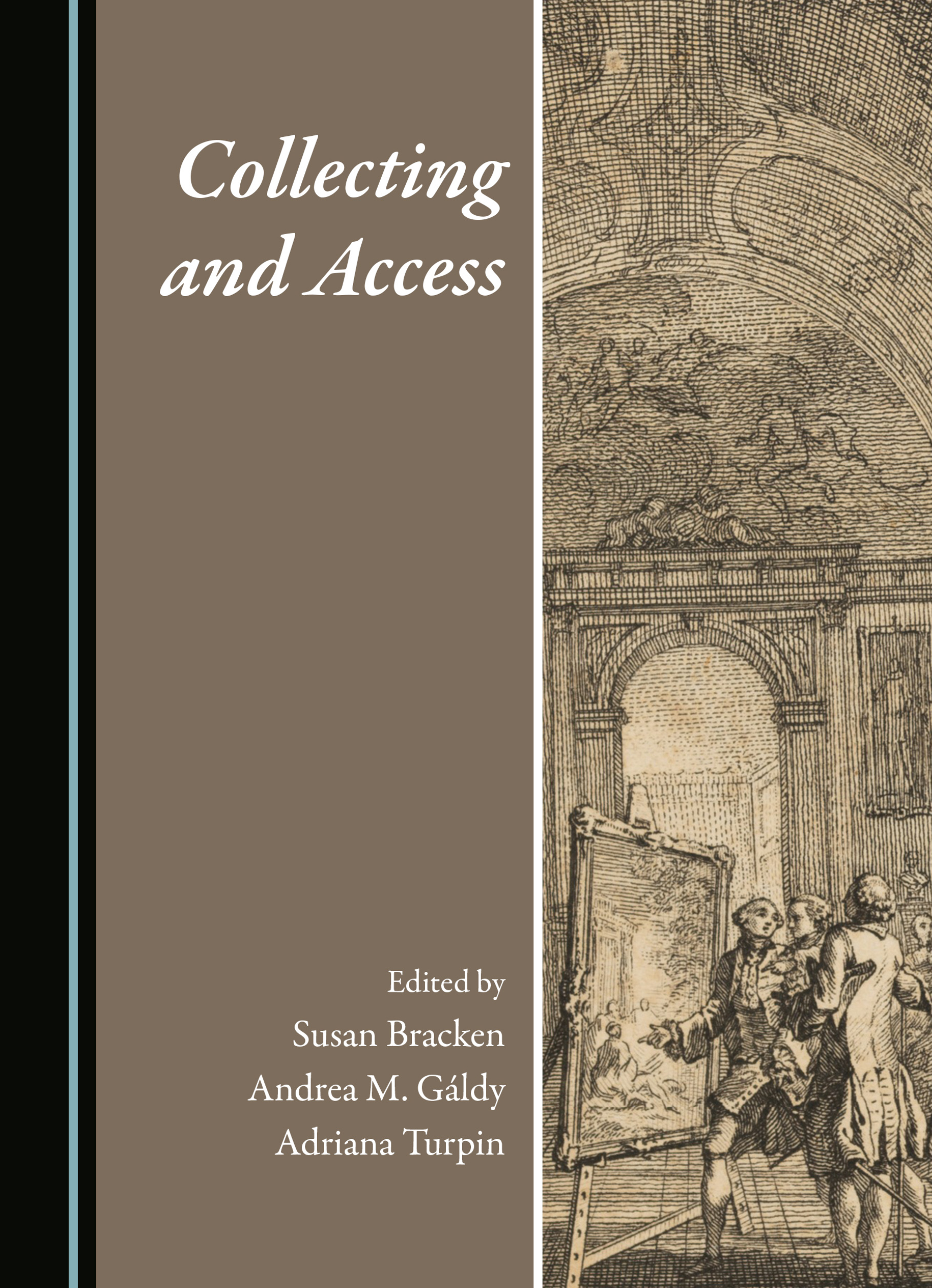
Collections reflect the passions of their owners, but how did people get to see them? This book investigates an understudied field: "access" to collections before public museums. The essays show there were diverse types of access that served a range of purposes.
Collections reflect the passions of their owners, but how did people get to see them? This book investigates an understudied field: “access” to collections before public museums. The essays show there were diverse types of access that served a range of purposes.
View more
This product has multiple variants. The options may be chosen on the product page
£34.99
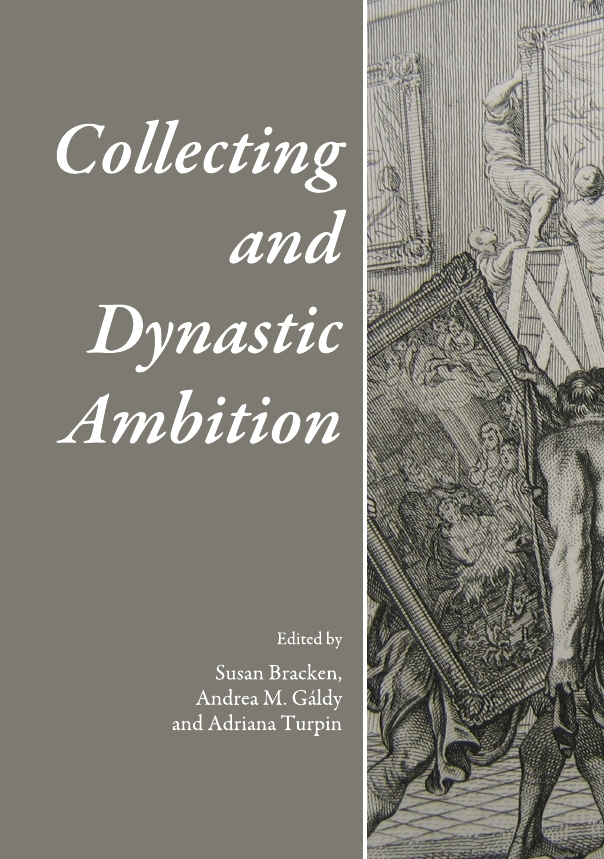
For ruling houses, collecting was a political act driven by dynastic ambition. A family's collection attested to the age and power of its lineage. This volume presents articles exploring this phenomenon from the Roman Republic to the eighteenth century.
For ruling houses, collecting was a political act driven by dynastic ambition. A family’s collection attested to the age and power of its lineage. This volume presents articles exploring this phenomenon from the Roman Republic to the eighteenth century.
View more
This product has multiple variants. The options may be chosen on the product page
From £30.99
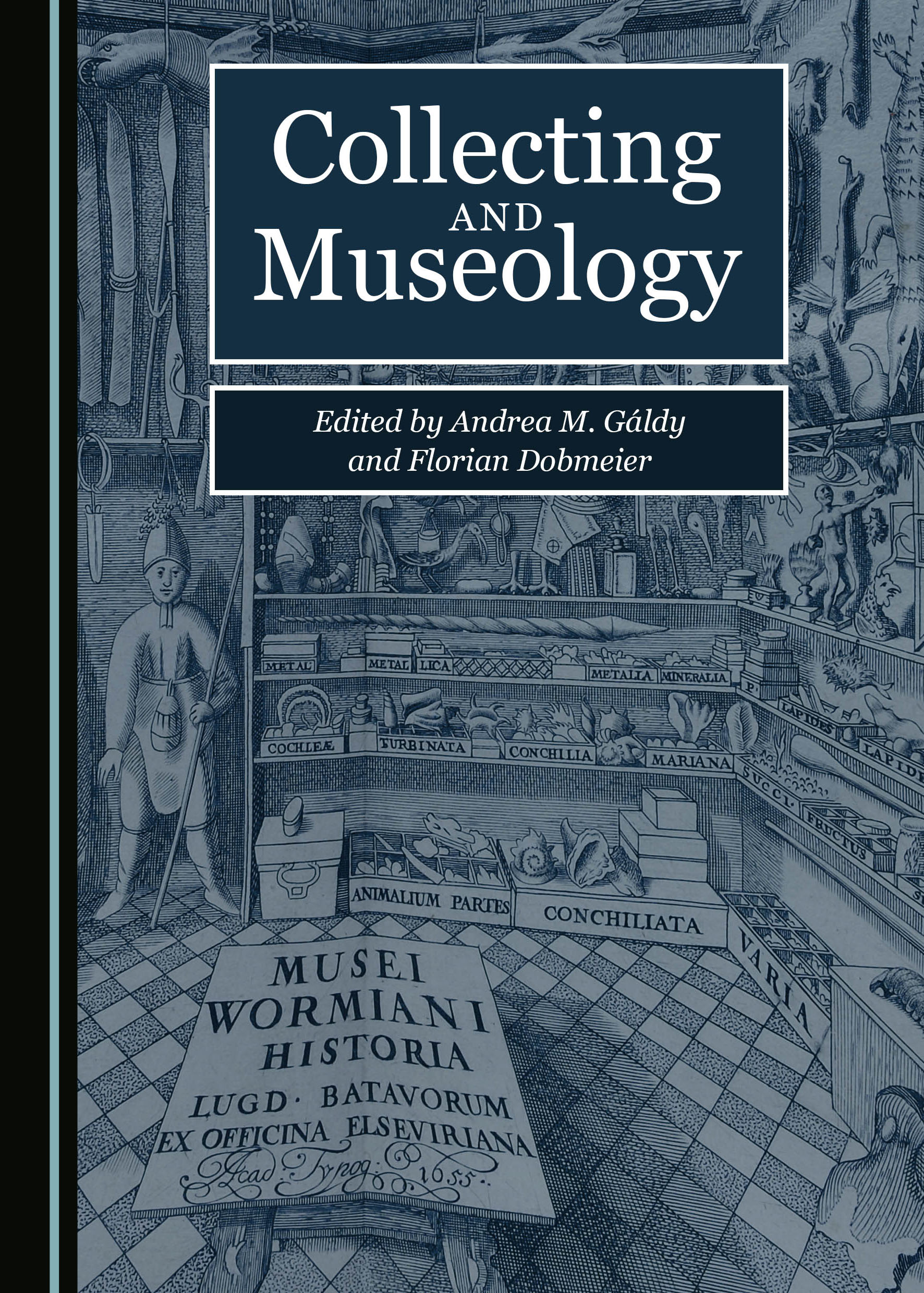
This volume looks at the future of museums, confronting challenges like funding cuts and a dubious art trade. It also explores exciting prospects, from new possibilities in display and visitor experience to the rising visitor numbers at major museums worldwide.
This volume looks at the future of museums, confronting challenges like funding cuts and a dubious art trade. It also explores exciting prospects, from new possibilities in display and visitor experience to the rising visitor numbers at major museums worldwide.
View more
This product has multiple variants. The options may be chosen on the product page
From £32.99
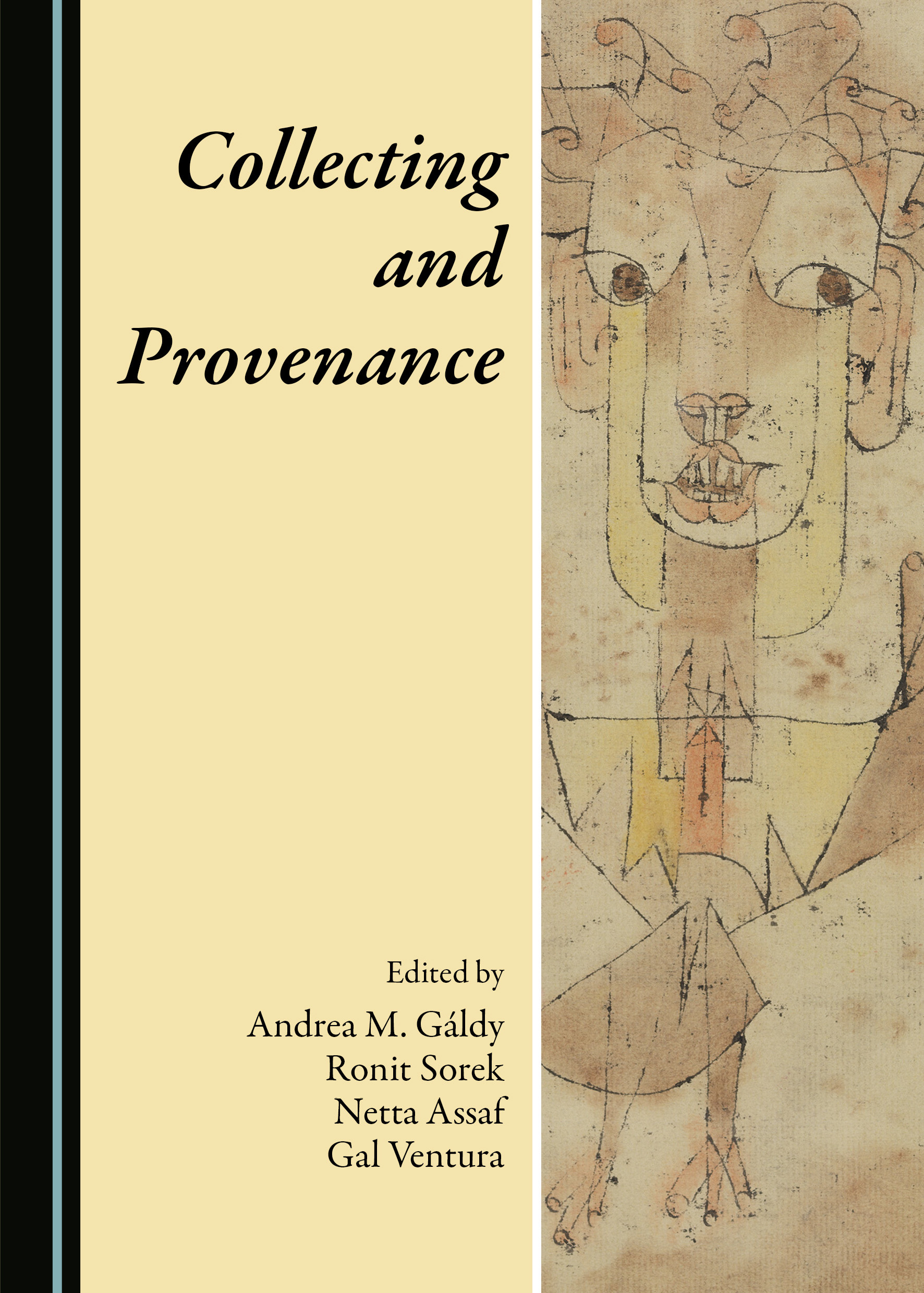
This collection of essays highlights the enduring significance of provenance for historians, authentication, and law. It remains vital to ownership and topical due to ongoing debates over looted art and the illicit trade in antiquities conducted by terrorist groups.
This collection of essays highlights the enduring significance of provenance for historians, authentication, and law. It remains vital to ownership and topical due to ongoing debates over looted art and the illicit trade in antiquities conducted by terrorist groups.
View more
This product has multiple variants. The options may be chosen on the product page

£39.99
From private chambers to public galleries, this volume explores how princes displayed their collections. Ten essays examine the art of exhibition across European courts from the sixteenth to the early nineteenth century.
From private chambers to public galleries, this volume explores how princes displayed their collections. Ten essays examine the art of exhibition across European courts from the sixteenth to the early nineteenth century.
View more
This product has multiple variants. The options may be chosen on the product page
From £32.99
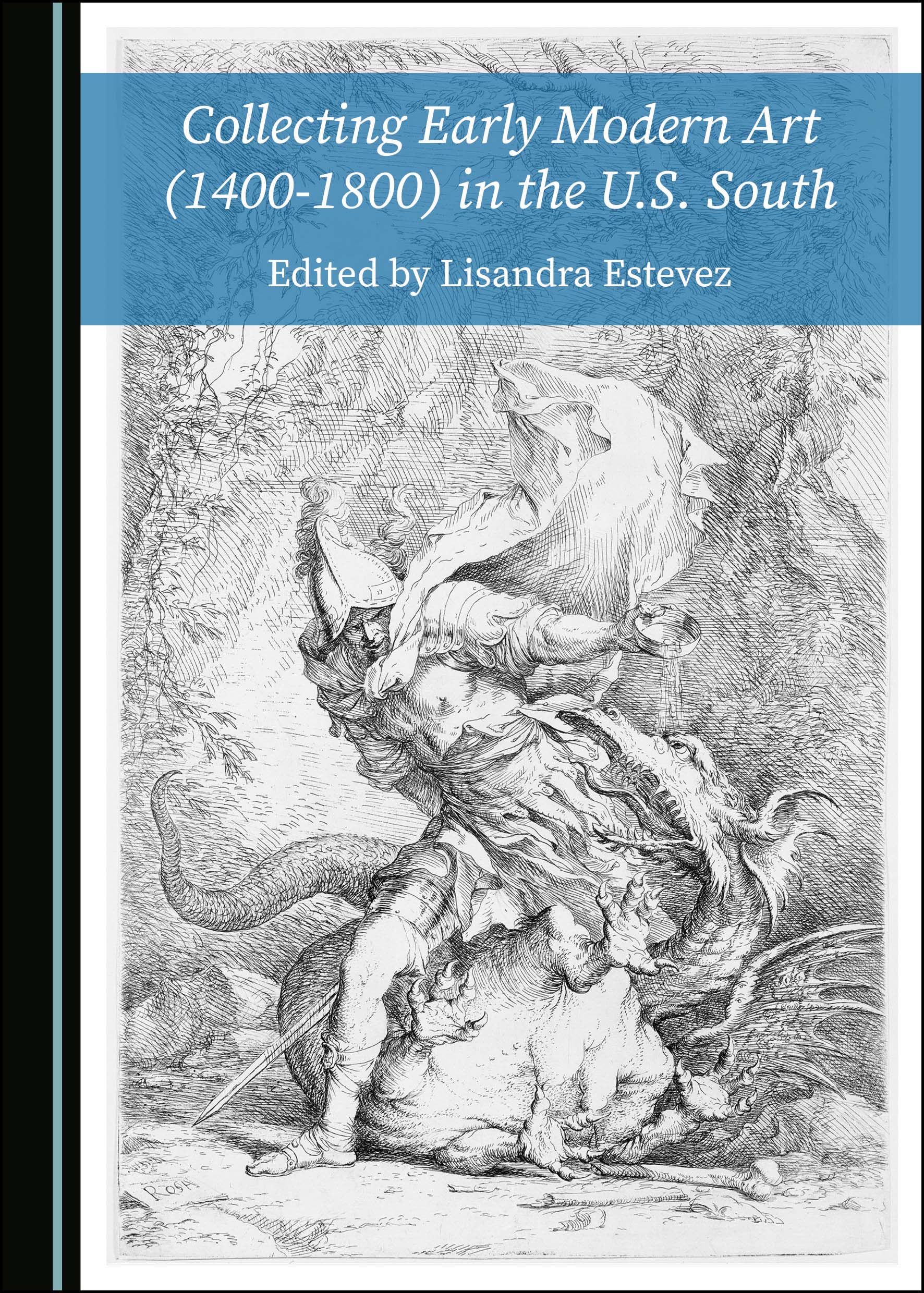
Leading scholars explore the understudied history of collecting in the American South. This volume examines the rich Renaissance and Baroque art in Southern public and private collections, revealing how these works were acquired, curated, displayed, and preserved.
Leading scholars explore the understudied history of collecting in the American South. This volume examines the rich Renaissance and Baroque art in Southern public and private collections, revealing how these works were acquired, curated, displayed, and preserved.
View more
This product has multiple variants. The options may be chosen on the product page
£44.99
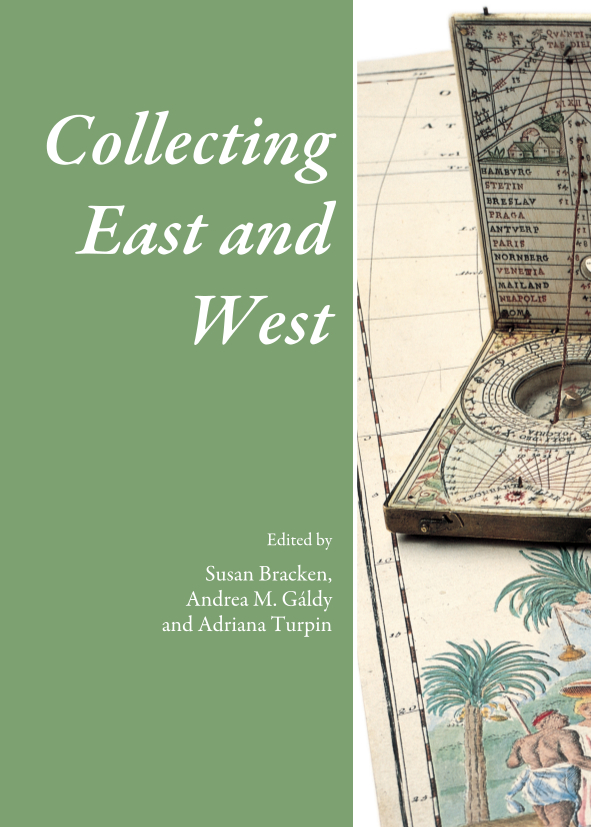
Collecting exotic objects has long united humanity. The essays in this volume connect these collections with their forms of display—from Chinese cabinets built in the West to Western-style palaces in China—charting encounters between cultures across millennia.
Collecting exotic objects has long united humanity. The essays in this volume connect these collections with their forms of display—from Chinese cabinets built in the West to Western-style palaces in China—charting encounters between cultures across millennia.
View more
This product has multiple variants. The options may be chosen on the product page
£41.99
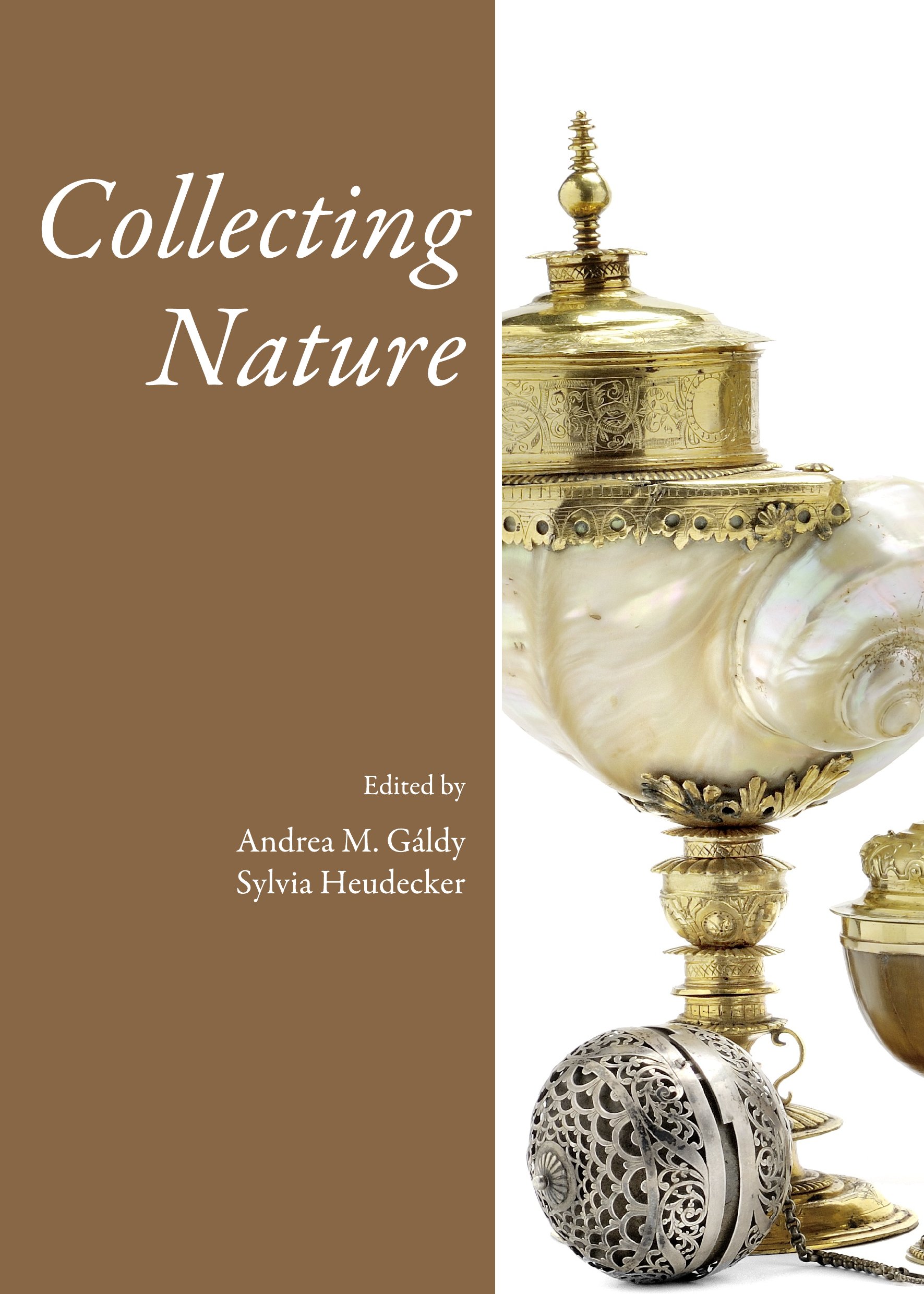
Connecting art, nature, and science, these essays trace the collection and display of objects from early wunderkammern to the 18th century. They reveal a world where art and nature were intrinsically linked, charting the path to their modern divisions.
Connecting art, nature, and science, these essays trace the collection and display of objects from early wunderkammern to the 18th century. They reveal a world where art and nature were intrinsically linked, charting the path to their modern divisions.
View more
This product has multiple variants. The options may be chosen on the product page
Processing Your Order
Please wait while we securely process your order.
Do not refresh or leave this page.
You will be redirected shortly to a confirmation page with your order number.