
£67.99
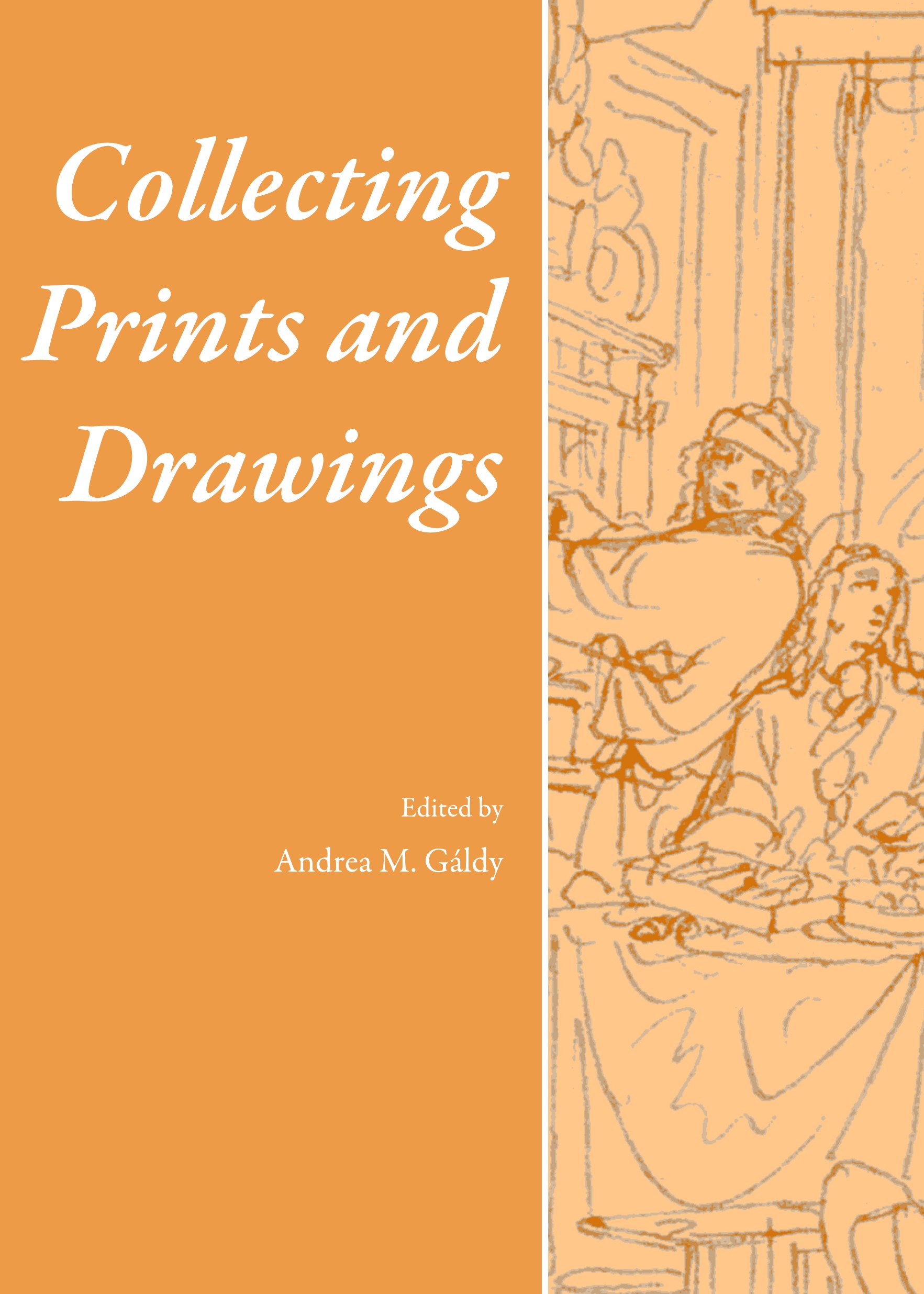
This volume examines when, how and why cabinets of prints and drawings became a specialised part of princely and private collections. Among other things, it assesses how important collections were for the self-representation of a prince or connoisseur among specialists and peers.
This volume examines when, how and why cabinets of prints and drawings became a specialised part of princely and private collections. Among other things, it assesses how important collections were for the self-representation of a prince or connoisseur among specialists and peers.
View more
This product has multiple variants. The options may be chosen on the product page
Collective and Collaborative Drawing in Contemporary Practice
Drawing Conversations
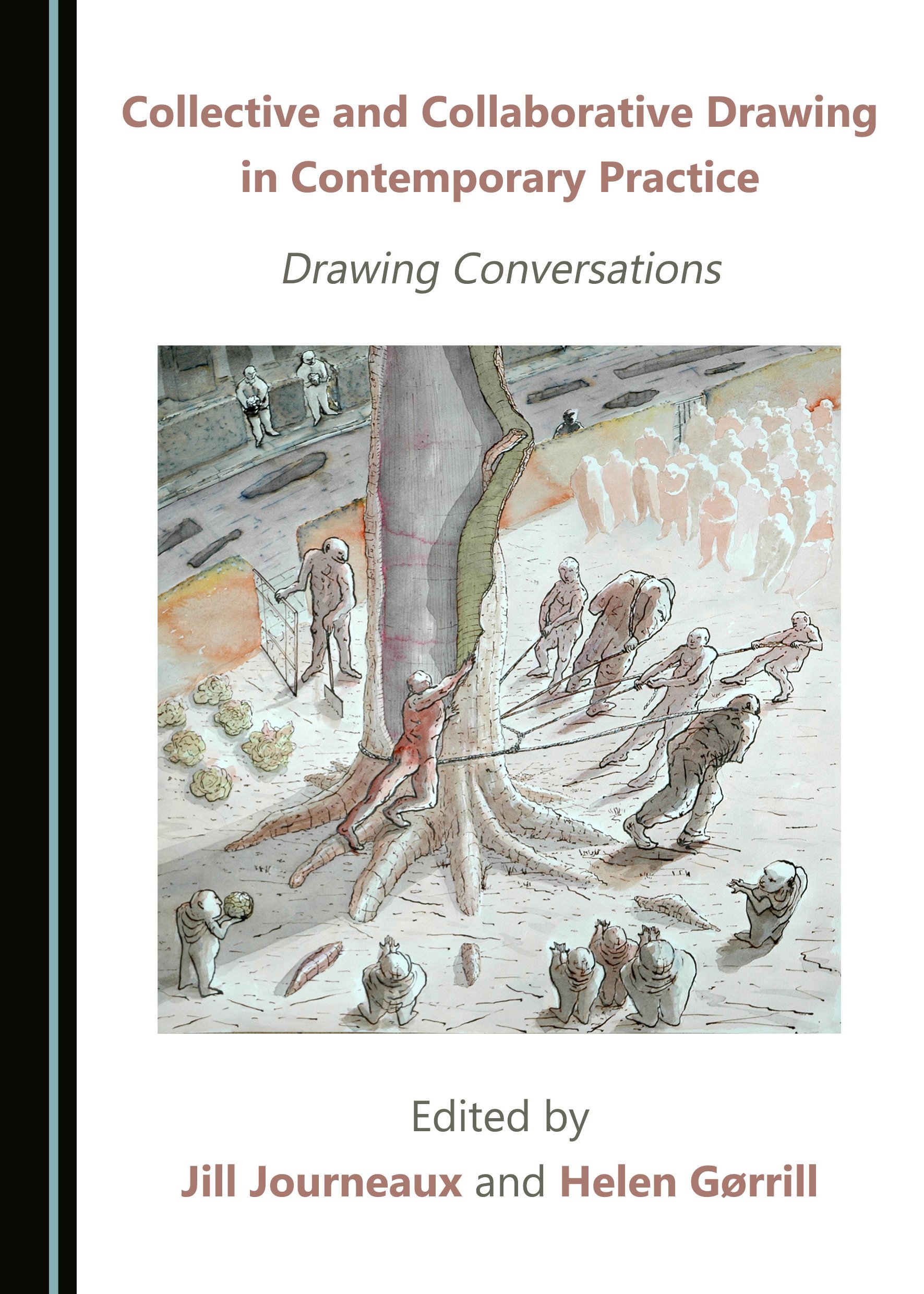
What happens when people draw together? While collaborative drawing is widely explored, there is little published research on the topic. This book establishes the field, covering conversations through drawing, collaborative processes, and drawing communities.
What happens when people draw together? While collaborative drawing is widely explored, there is little published research on the topic. This book establishes the field, covering conversations through drawing, collaborative processes, and drawing communities.
View more
This product has multiple variants. The options may be chosen on the product page

From £32.99
The people of a small town absorbed by Mexico City share memories of the games, food, and streets of their past. This book presents a way to build a future that rescues the community’s identity, which still binds them together in spite of the city's segregating trends.
The people of a small town absorbed by Mexico City share memories of the games, food, and streets of their past. This book presents a way to build a future that rescues the community’s identity, which still binds them together in spite of the city’s segregating trends.
View more
This product has multiple variants. The options may be chosen on the product page

£44.99
This work traces how Oxford and Cambridge colleges, founded for celibate men, clung to a monastic way of life into the nineteenth century. It explores the struggle of courageous individuals who finally overturned the statutes in 1882, allowing Fellows to marry.
This work traces how Oxford and Cambridge colleges, founded for celibate men, clung to a monastic way of life into the nineteenth century. It explores the struggle of courageous individuals who finally overturned the statutes in 1882, allowing Fellows to marry.
View more
This product has multiple variants. The options may be chosen on the product page
College Coaches and Teaching Civil Society Literacy
Off the Bench, Into the Curriculum
A treasure is hidden on college campuses: the expertise coaches acquire in uniting people with different interests. This is vital for General Education, yet coaches are often ineligible to teach. The author charts a path for bringing them “off the bench” and into the classroom.
A treasure is hidden on college campuses: the expertise coaches acquire in uniting people with different interests. This is vital for General Education, yet coaches are often ineligible to teach. The author charts a path for bringing them “off the bench” and into the classroom.
View more
This product has multiple variants. The options may be chosen on the product page
Collision
Interarts Practice and Research
Interdisciplinary art has been largely ignored. This collection charts the radical explosion of interarts practices, exploring collisions of body, technology, space, and aesthetics, alongside perspectives from law, political activism, and spirituality.
Interdisciplinary art has been largely ignored. This collection charts the radical explosion of interarts practices, exploring collisions of body, technology, space, and aesthetics, alongside perspectives from law, political activism, and spirituality.
View more
This product has multiple variants. The options may be chosen on the product page
Colonial and Global Interfacings
Imperial Hegemonies and Democratizing Resistances
Colonial techniques of domination boomeranged back to the West, sustained by capitalist relations. As new movements challenge the world order, this book explores how global flows of people and ideas transform identity and power from the North to the South.
Colonial techniques of domination boomeranged back to the West, sustained by capitalist relations. As new movements challenge the world order, this book explores how global flows of people and ideas transform identity and power from the North to the South.
View more
This product has multiple variants. The options may be chosen on the product page
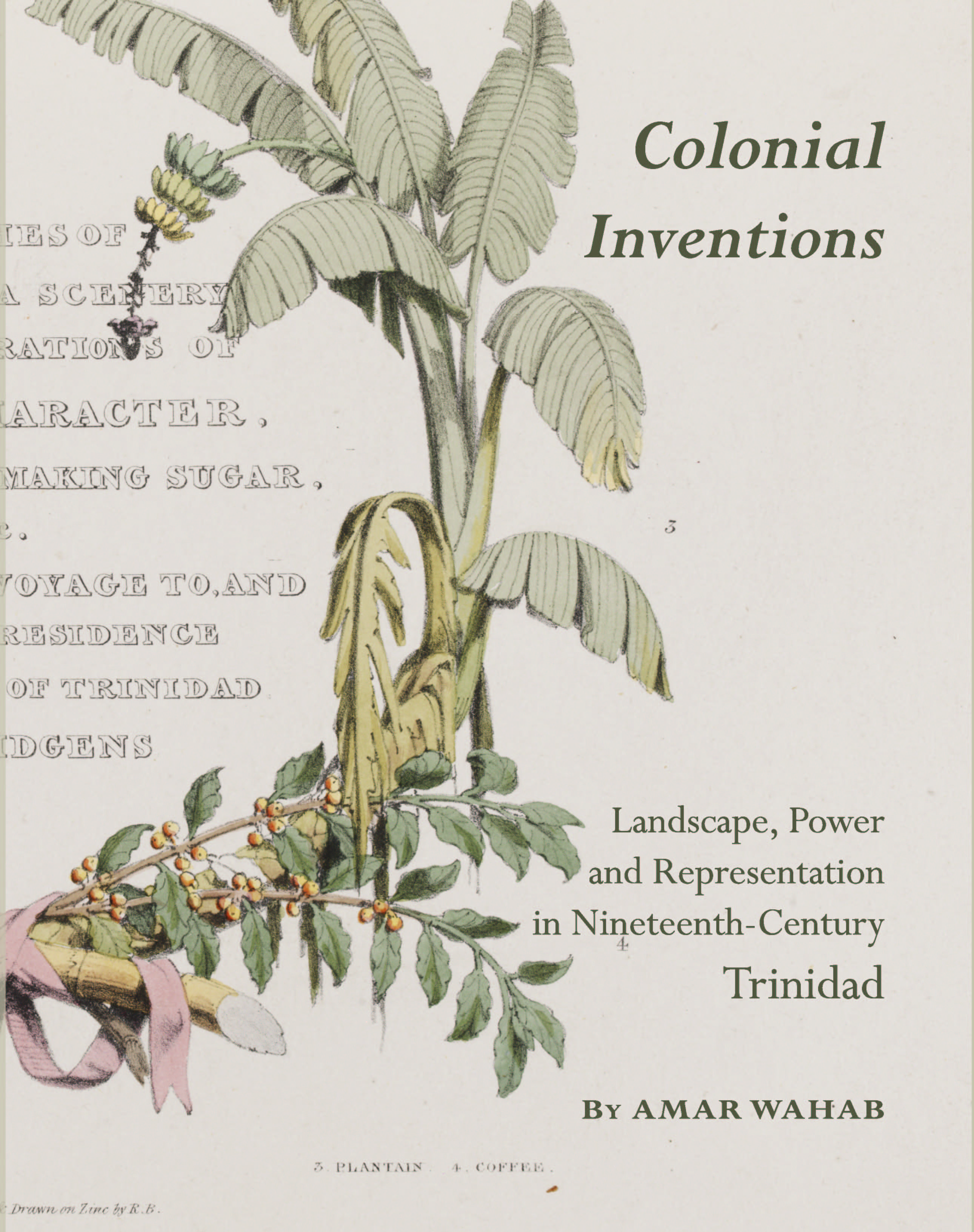
Colonial Inventions
Landscape, Power and Representation in Nineteenth-Century Trinidad
This book analyzes how visual art was not just illustrative but constitutive of colonial power in 19th-century Trinidad. It unearths sketches and paintings that created racialized scripts for colonized subjects, nature, and the plantation landscape.
This book analyzes how visual art was not just illustrative but constitutive of colonial power in 19th-century Trinidad. It unearths sketches and paintings that created racialized scripts for colonized subjects, nature, and the plantation landscape.
View more
This product has multiple variants. The options may be chosen on the product page
Colonial Psychosocial
Reading William Lane
With blistering rhetoric, William Lane mesmerised colonial Australia, playing on its fears of disease, deformity and invasion. This book follows his life—from dark cities to a failed utopia—to trace how he shaped a lasting legacy of exclusion.
With blistering rhetoric, William Lane mesmerised colonial Australia, playing on its fears of disease, deformity and invasion. This book follows his life—from dark cities to a failed utopia—to trace how he shaped a lasting legacy of exclusion.
View more
This product has multiple variants. The options may be chosen on the product page
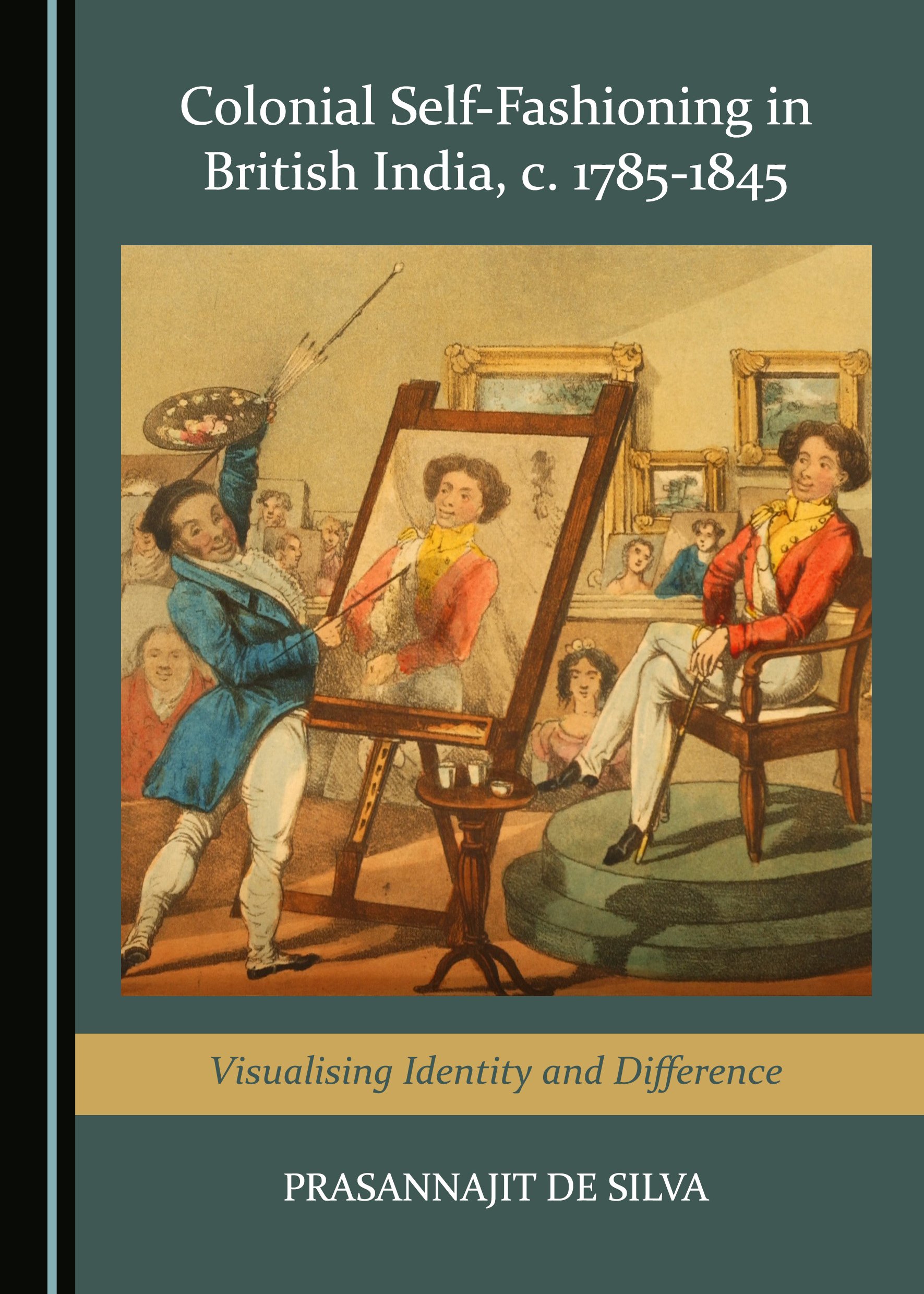
Colonial Self-Fashioning in British India, c. 1785-1845
Visualising Identity and Difference
De Silva considers the ways in which British residents in India represented their lives through visual material, and reveals that the position of the British population in the country in the 19th century was often more nuanced than often assumed.
De Silva considers the ways in which British residents in India represented their lives through visual material, and reveals that the position of the British population in the country in the 19th century was often more nuanced than often assumed.
View more
This product has multiple variants. The options may be chosen on the product page
£64.99
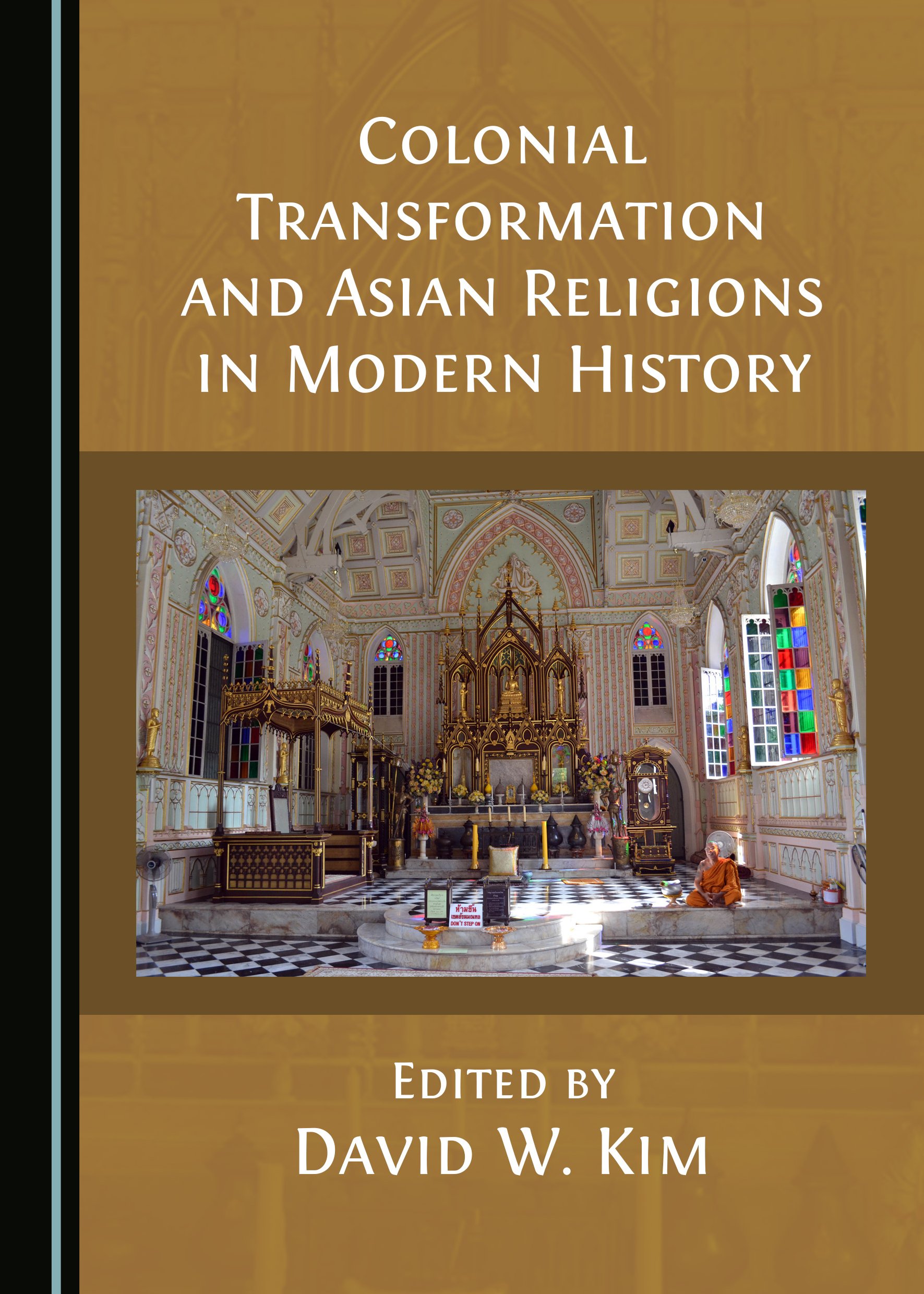
This book presents multi-angled perspectives of socio-religious transition, adopting the cultural religiosity of the Asian people as a lens through which readers can re-examine the concepts of imperialism, religious syncretism and modernisation.
This book presents multi-angled perspectives of socio-religious transition, adopting the cultural religiosity of the Asian people as a lens through which readers can re-examine the concepts of imperialism, religious syncretism and modernisation.
View more
This product has multiple variants. The options may be chosen on the product page
Colonial Visions, Postcolonial Revisions
Images of the Indian Diaspora in Malaysia
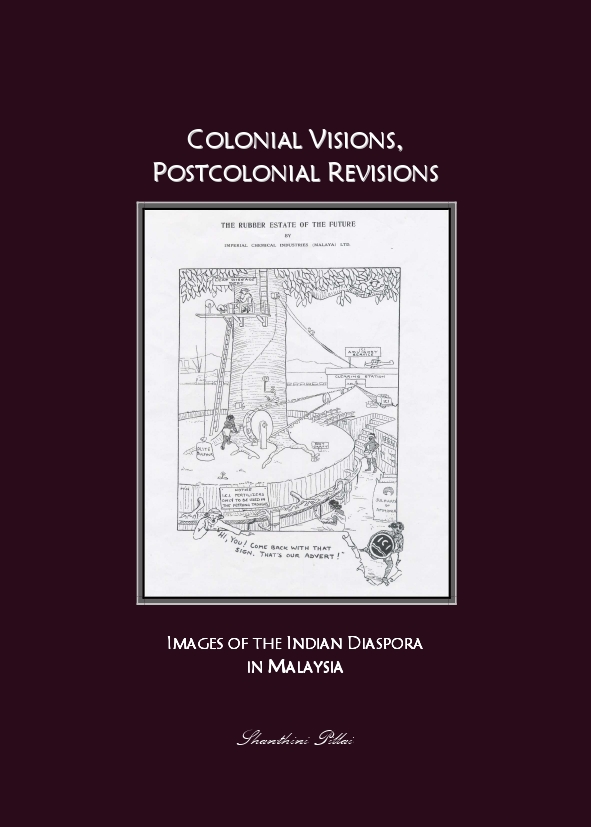
This book traces the Malaysian Indian diaspora from colonial subordination to postcolonial identity. It uncovers the suppressed story of coolie resistance and reveals how pioneer immigrants choreographed the diasporic identity they left as a legacy for today.
This book traces the Malaysian Indian diaspora from colonial subordination to postcolonial identity. It uncovers the suppressed story of coolie resistance and reveals how pioneer immigrants choreographed the diasporic identity they left as a legacy for today.
View more
This product has multiple variants. The options may be chosen on the product page
£47.99
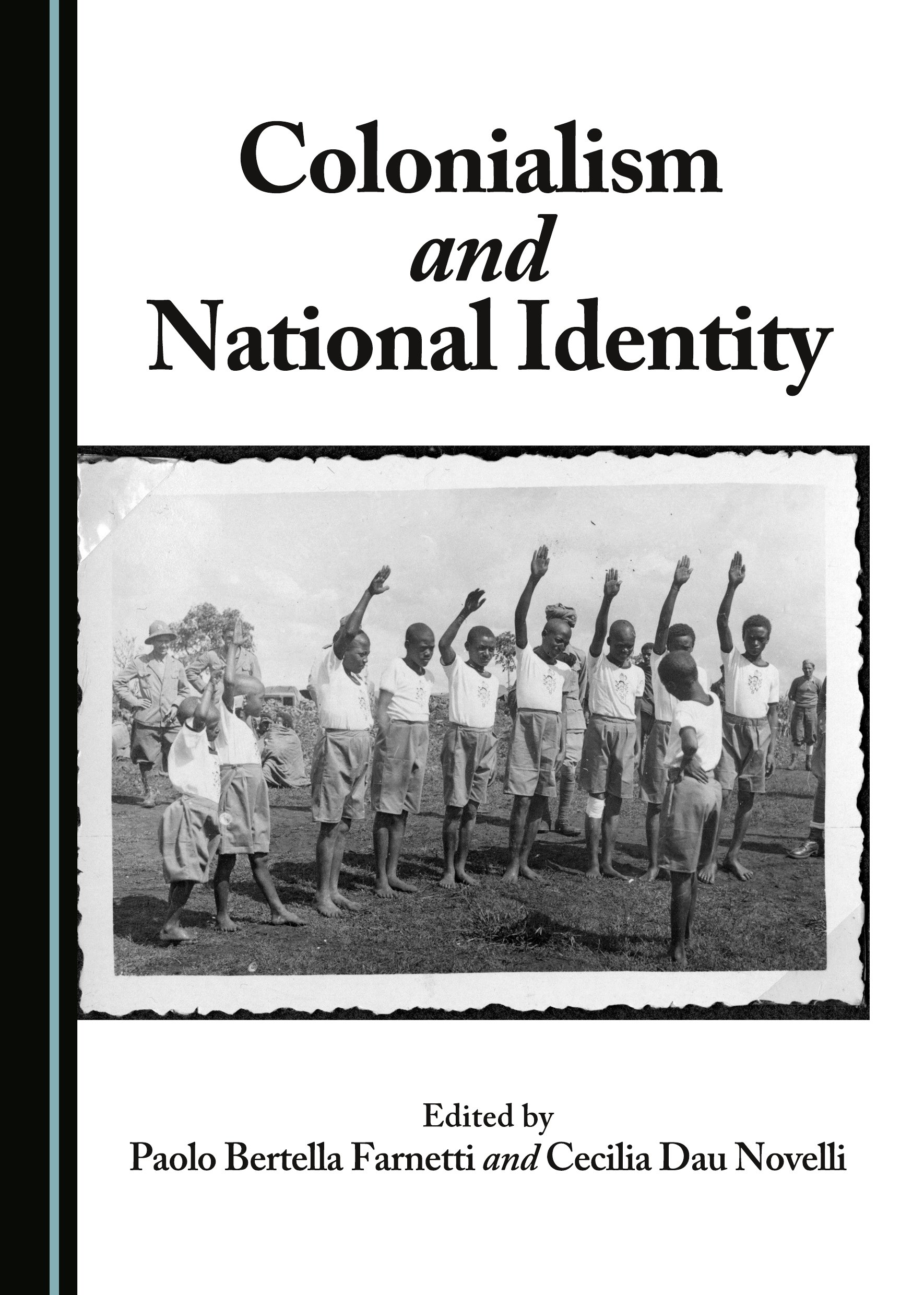
This book addresses the neglected link between national identity and colonial culture in Italy. It is a critical reflection on a denied past, reconstructing uncomfortable memories that overlap the challenging present circumstances of rigidity, racism and rejection.
This book addresses the neglected link between national identity and colonial culture in Italy. It is a critical reflection on a denied past, reconstructing uncomfortable memories that overlap the challenging present circumstances of rigidity, racism and rejection.
View more
This product has multiple variants. The options may be chosen on the product page
Colonies in Conflict
The History of the British Overseas Territories
This book traces the little-known history of the British Overseas Territories, the last remnants of the British Empire. It reveals how today’s wars, scandals, and controversies are rooted in a past of conflict, corruption, and neglect by a two-speed Empire.
This book traces the little-known history of the British Overseas Territories, the last remnants of the British Empire. It reveals how today’s wars, scandals, and controversies are rooted in a past of conflict, corruption, and neglect by a two-speed Empire.
View more
This product has multiple variants. The options may be chosen on the product page

Colonising Te Whanganui ā Tara and Marketing Wellington, 1840-1849
Displaying (Dis)Possession
In the 1840s, the New Zealand Company used powerful images to lure English settlers to Wellington, a land already home to Māori. This book explores how these visuals were complicit in transferring Māori land into English ownership, investigating processes of redress and hope.
In the 1840s, the New Zealand Company used powerful images to lure English settlers to Wellington, a land already home to Māori. This book explores how these visuals were complicit in transferring Māori land into English ownership, investigating processes of redress and hope.
View more
This product has multiple variants. The options may be chosen on the product page
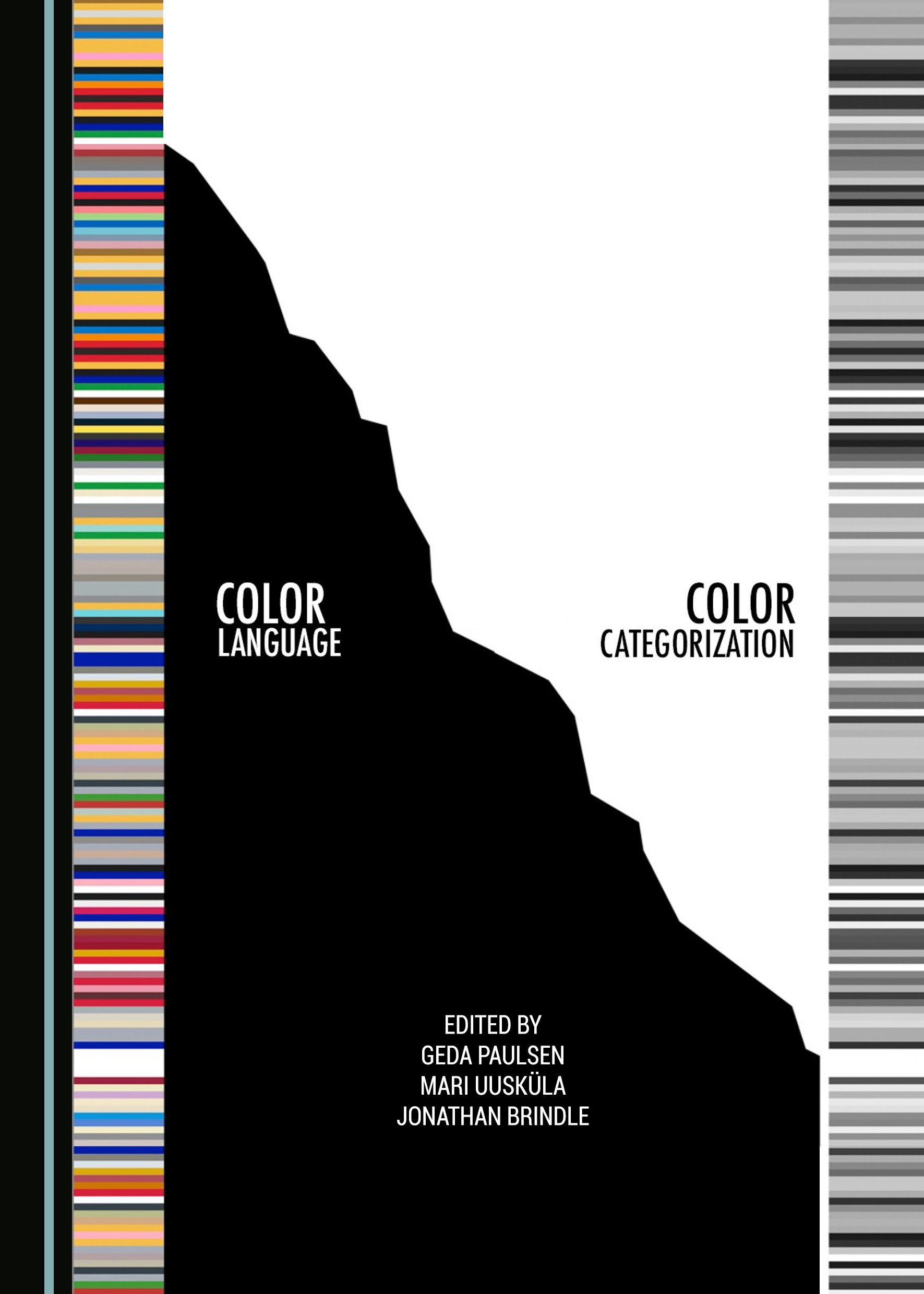
£57.99
This book examines how color is categorized and named in a number of languages, drawing on as-yet unexplored aspects of color language and categorization. Several approaches are taken to describe new research on how the concept is represented in various languages.
This book examines how color is categorized and named in a number of languages, drawing on as-yet unexplored aspects of color language and categorization. Several approaches are taken to describe new research on how the concept is represented in various languages.
View more
This product has multiple variants. The options may be chosen on the product page
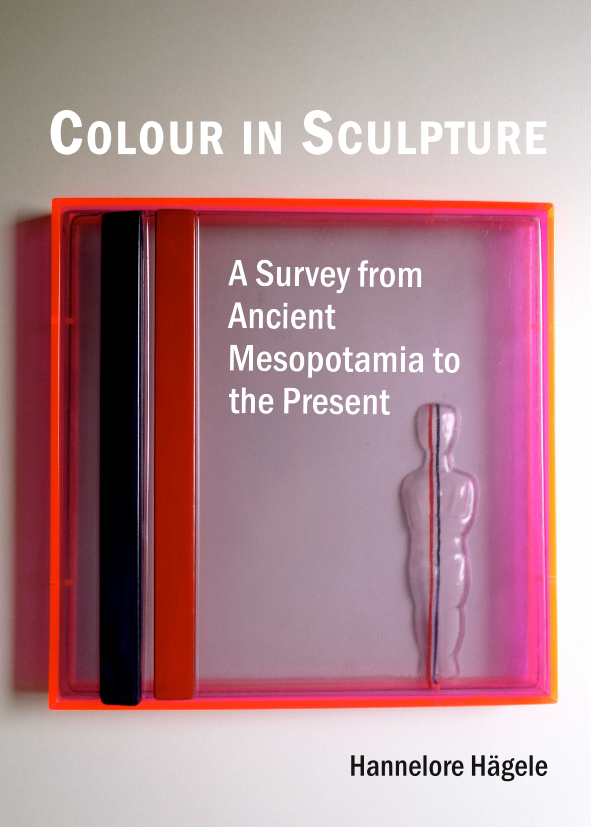
Colour in Sculpture
A Survey from Ancient Mesopotamia to the Present
This book introduces sculpture across five millennia, exploring the intentional relationship between colour and form. It suggests that whether used for cultural custom or to enhance expression, polychromy adds another dimension of encoded meaning.
This book introduces sculpture across five millennia, exploring the intentional relationship between colour and form. It suggests that whether used for cultural custom or to enhance expression, polychromy adds another dimension of encoded meaning.
View more
This product has multiple variants. The options may be chosen on the product page

CoMa 2013
Safeguarding Image Collections
This book offers a wide variety of subjects on preserving image collections. It covers theoretical questions of value, collection management, scientific research, and digitization, providing a base for anyone dealing with photographs to ensure their long-term preservation.
This book offers a wide variety of subjects on preserving image collections. It covers theoretical questions of value, collection management, scientific research, and digitization, providing a base for anyone dealing with photographs to ensure their long-term preservation.
View more
This product has multiple variants. The options may be chosen on the product page

£64.99
Bringing together specialists from various backgrounds, this book establishes, and then analyses, the interrelation between series and dependence by focusing on two aspects of their connection: the overconsumption of TV series, and the production devices that lead to it.
Bringing together specialists from various backgrounds, this book establishes, and then analyses, the interrelation between series and dependence by focusing on two aspects of their connection: the overconsumption of TV series, and the production devices that lead to it.
View more
This product has multiple variants. The options may be chosen on the product page

Come Weep With Me
Loss and Mourning in the Writings of Caribbean Women Writers
This groundbreaking anthology examines loss and mourning in the work of Caribbean women writers like Jean Rhys, Jamaica Kincaid, and Maryse Condé. These original essays explore slavery, dictatorships, and disaster, challenging customary discourses on loss.
This groundbreaking anthology examines loss and mourning in the work of Caribbean women writers like Jean Rhys, Jamaica Kincaid, and Maryse Condé. These original essays explore slavery, dictatorships, and disaster, challenging customary discourses on loss.
View more
This product has multiple variants. The options may be chosen on the product page
Processing Your Order
Please wait while we securely process your order.
Do not refresh or leave this page.
You will be redirected shortly to a confirmation page with your order number.