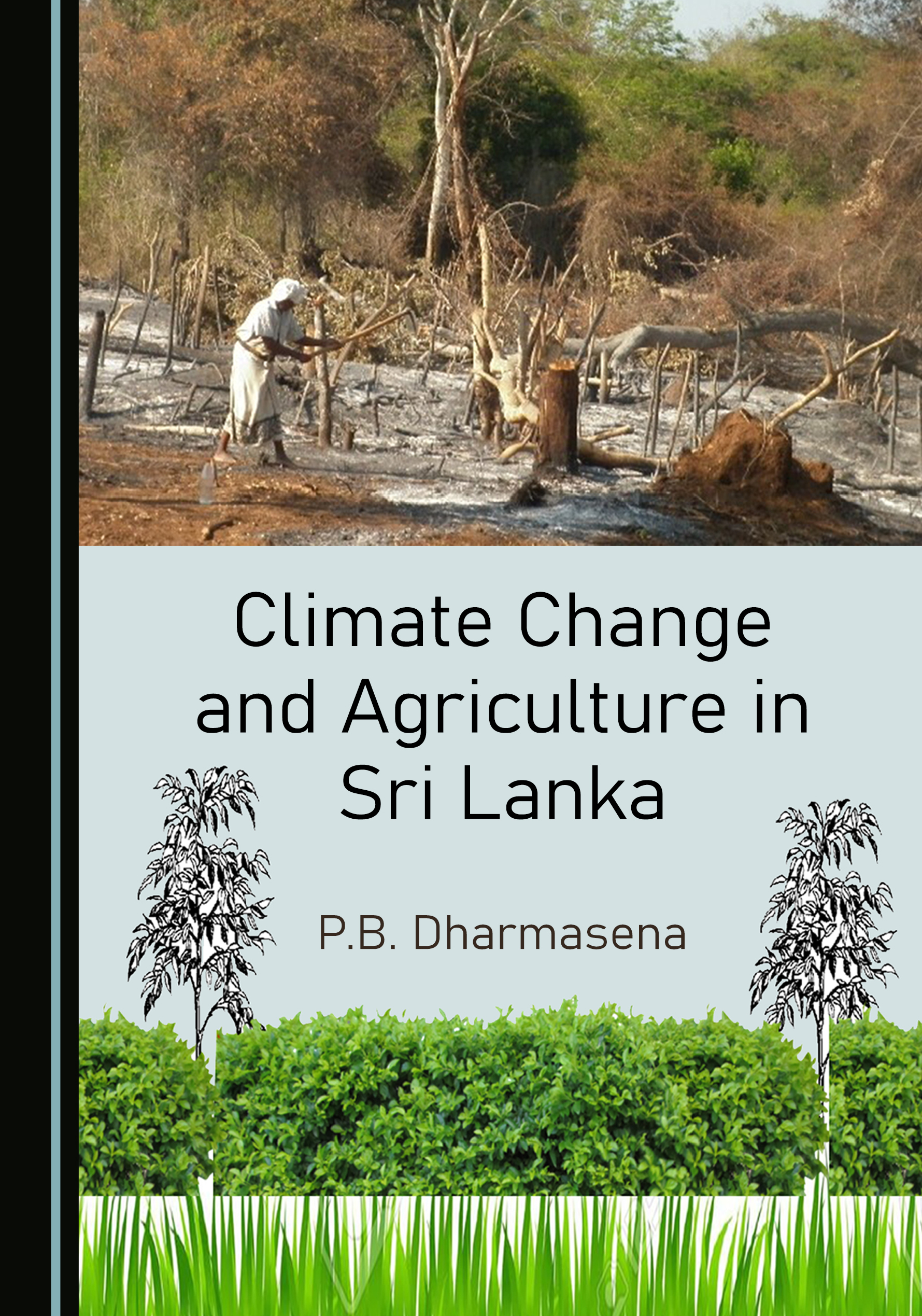
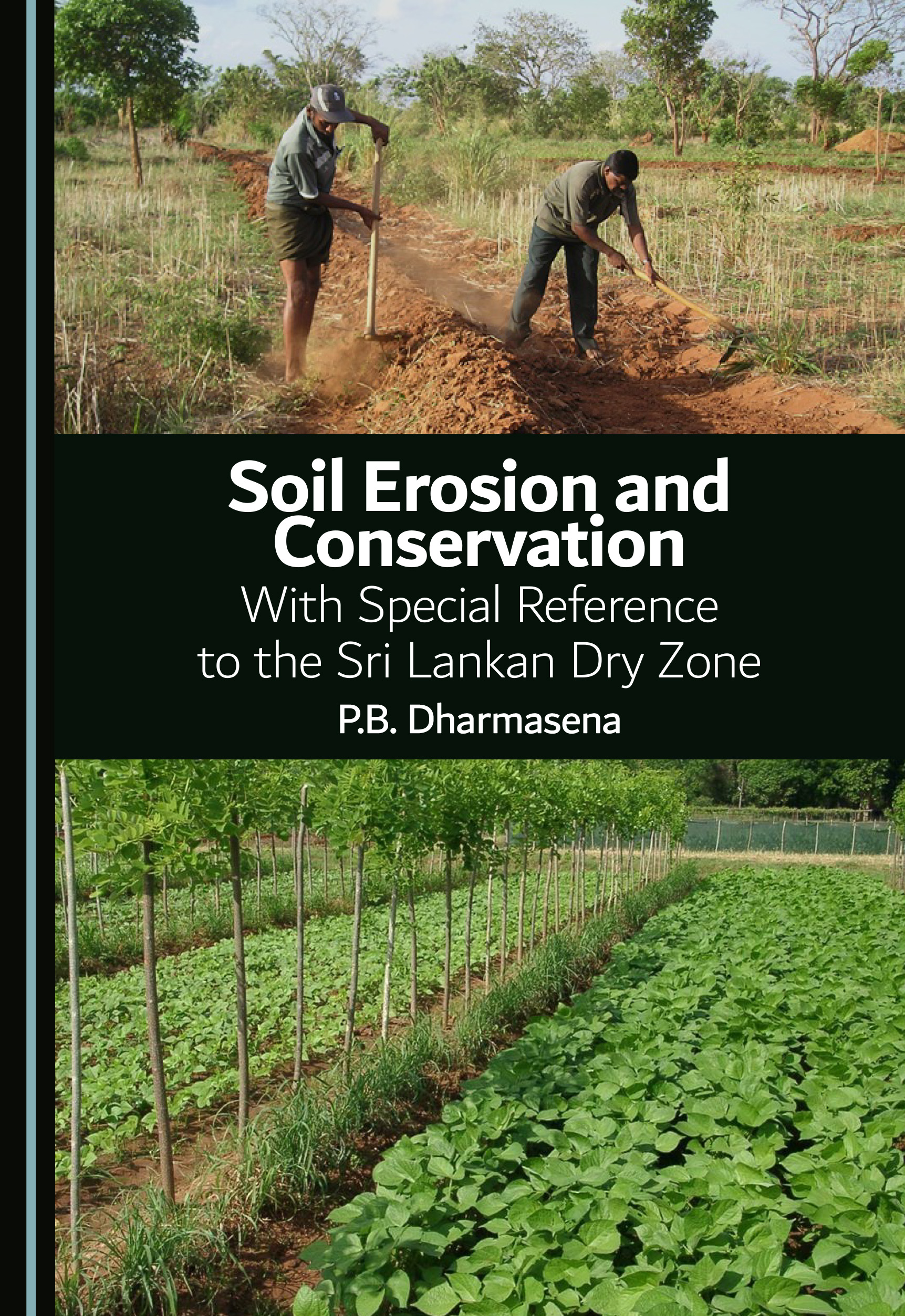
Climate change poses significant challenges to agriculture, both through its impacts on agricultural production and as a major source of greenhouse gas emissions. Agriculture is vulnerable to rising temperatures, changing rainfall patterns, and extreme weather events, which can negatively affect crop yields and livestock health. Simultaneously, the sector contributes significantly to greenhouse gas emissions, particularly through livestock farming and fertilizer use. This book based on a literature review together with the author’s research findings and theoretical base development provides adequate information on the subject to enable use in universities and development projects.
The book begins with an introduction explaining the basic knowledge on climate change and its impact in Chapter One. Chapter 2 describes the ‘Status Quo’ of agriculture in Sri Lanka. GHG emission from agriculture, mitigation and adaptation of the impact of climate change and finally strategies and the roadmap of 2050 for the agriculture sector of Sri Lanka are described in the following chapters.
The book contains 10 chapters providing opportunities to raise the knowledge and awareness of climatologists, agriculture specialists, and university lecturers and students, who are dealing with the subject of climate change.