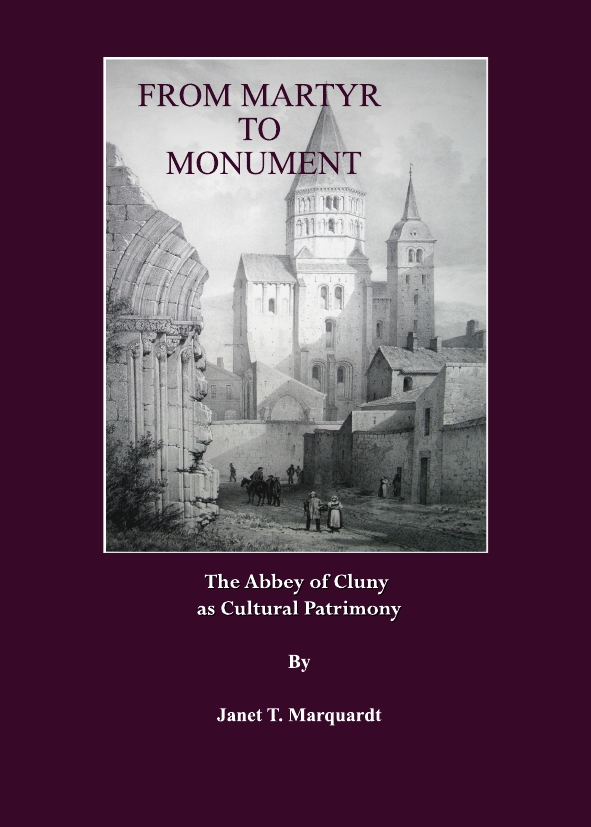
This volume offers a transdisciplinary exploration of contested heritage, examining how colonial legacies, dissonant memories, and conflicting narratives shape public spaces across varied historical and geographical contexts. Through case studies across diverse historical and geographical contexts, it investigates how these memories are negotiated in monuments, institutions, and the built environment. The contributors analyse the role of cultural practitioners, artists, curators, architects, urban planners, and activists in reshaping heritage narratives, as well as the impact of archives and media. Combining theory and practice, the book highlights how contested histories are managed, displayed, or challenged within diverse socio-political settings. This collection is a valuable resource for scholars of memory studies, heritage and museum professionals, and cultural policymakers, offering critical insights into how societies engage with difficult pasts in the present.