
£64.99
This work makes elasticity—one of the most useful concepts in economics—accessible to students and the general public. Using only basic arithmetic and algebra, it illustrates the concept's meaning with a microeconomic focus and a unique macroeconomic example from World War II.
This work makes elasticity—one of the most useful concepts in economics—accessible to students and the general public. Using only basic arithmetic and algebra, it illustrates the concept’s meaning with a microeconomic focus and a unique macroeconomic example from World War II.
View more
This product has multiple variants. The options may be chosen on the product page
£61.99
This book presents a new theory of capitalism where disequilibrium and “imperfect competition” are the functional norm. It shows that equilibrium is a functional anomaly that causes crises, and details the principles of crisis-proof policies and behavior.
This book presents a new theory of capitalism where disequilibrium and “imperfect competition” are the functional norm. It shows that equilibrium is a functional anomaly that causes crises, and details the principles of crisis-proof policies and behavior.
View more
This product has multiple variants. The options may be chosen on the product page

A Philosophical Look at Keynes and Hayek
Semiotic Paths to Complexity
This book examines the crossing between philosophy, semiotics, and economics. Reconsidering the contributions of Keynes and Hayek through the semiotic approach of Charles S. Peirce, it creates new conceptual frameworks to rethink the paths to complexity in our world.
This book examines the crossing between philosophy, semiotics, and economics. Reconsidering the contributions of Keynes and Hayek through the semiotic approach of Charles S. Peirce, it creates new conceptual frameworks to rethink the paths to complexity in our world.
View more
This product has multiple variants. The options may be chosen on the product page
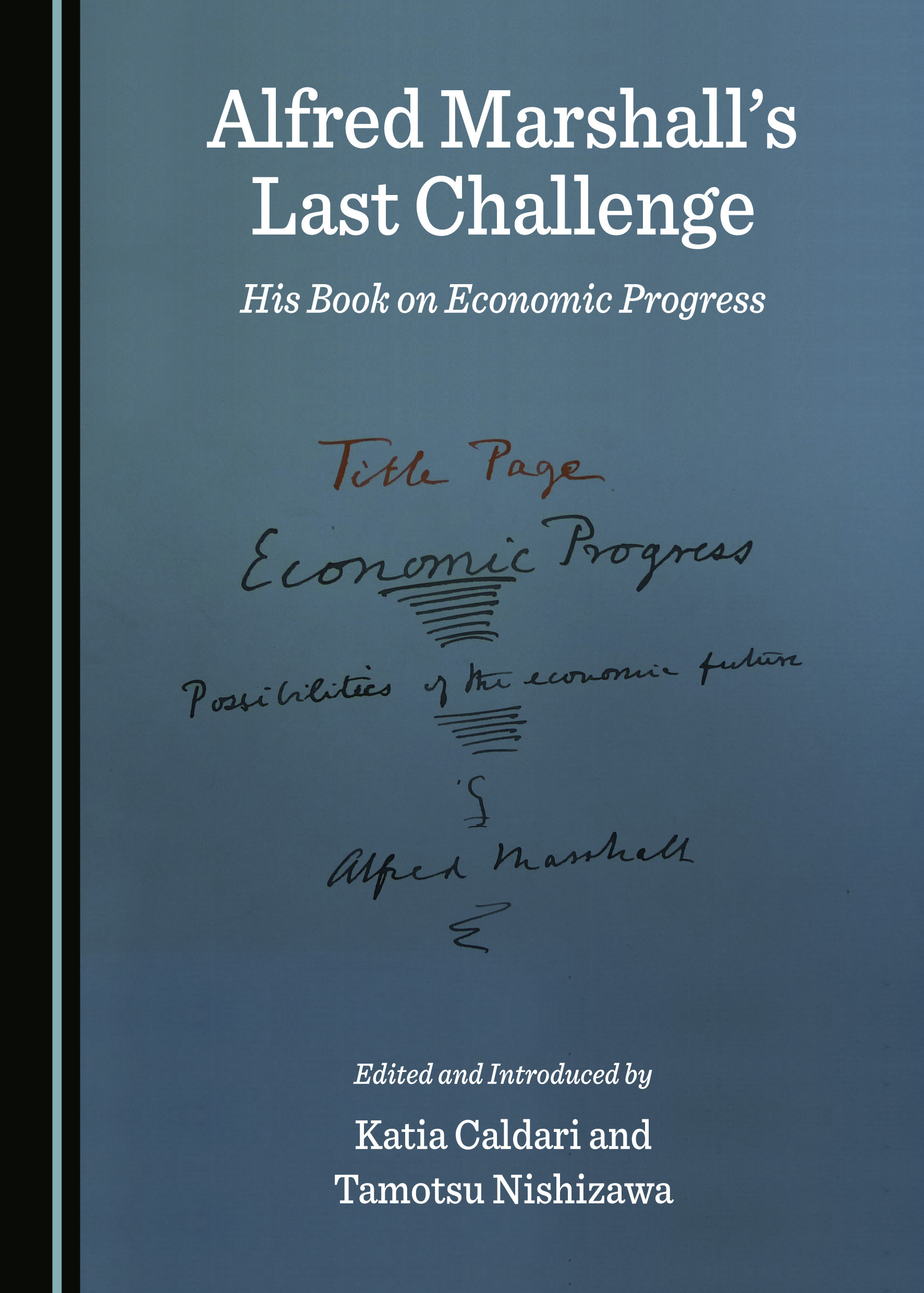
Alfred Marshall’s Last Challenge
His Book on Economic Progress
This text presents Alfred Marshall’s final, unfinished, and unpublished book. His grand editorial project, intended to culminate in a final work on economic progress, was cut short by his death. These surviving notes reveal the great economist's wisdom and modernity.
This text presents Alfred Marshall’s final, unfinished, and unpublished book. His grand editorial project, intended to culminate in a final work on economic progress, was cut short by his death. These surviving notes reveal the great economist’s wisdom and modernity.
View more
This product has multiple variants. The options may be chosen on the product page
£58.99
This book develops a formal treatment of causation in mathematical models, replacing existing treatments which are often vague and unsatisfactory. Theory is accompanied by extensive examples from economics, and will be extremely useful in economics, biology, and biomedicine.
This book develops a formal treatment of causation in mathematical models, replacing existing treatments which are often vague and unsatisfactory. Theory is accompanied by extensive examples from economics, and will be extremely useful in economics, biology, and biomedicine.
View more
This product has multiple variants. The options may be chosen on the product page
£39.99
Leading scholars of practical rationality and human action—including Alfred Mele, Michael Bratman, and Joshua Knobe—discuss central questions on agency, deliberation, and akrasia. The outcome is of great interest to philosophers, economists, and psychologists.
Leading scholars of practical rationality and human action—including Alfred Mele, Michael Bratman, and Joshua Knobe—discuss central questions on agency, deliberation, and akrasia. The outcome is of great interest to philosophers, economists, and psychologists.
View more
This product has multiple variants. The options may be chosen on the product page

Macroeconomics of Impractical Prescriptions
The Time Dimension Completely Missing in Diagnoses
This work addresses gross anomalies in Macroeconomics, where theories lack the time dimension. The iconic IS-LM model suffers from Dimension Aberration and Reverse Causation, mismatching stock and flow variables. It offers new perspectives for post-graduate readers.
This work addresses gross anomalies in Macroeconomics, where theories lack the time dimension. The iconic IS-LM model suffers from Dimension Aberration and Reverse Causation, mismatching stock and flow variables. It offers new perspectives for post-graduate readers.
View more
This product has multiple variants. The options may be chosen on the product page
£72.99
This book chronicles Marx’s evolution from philosopher to revolutionary innovator in political economy. Scrutinising post-Marxist perspectives, it reveals how his analysis of exploitation, equality, and liberty offers new slants for facing today's recurring crises.
This book chronicles Marx’s evolution from philosopher to revolutionary innovator in political economy. Scrutinising post-Marxist perspectives, it reveals how his analysis of exploitation, equality, and liberty offers new slants for facing today’s recurring crises.
View more
This product has multiple variants. The options may be chosen on the product page
From £29.99
What is rational choice? Can a society make rational decisions? This book is a primer in rational and social choice theory for students and teachers. An up-to-date textbook full of examples and exercises, it combines formal results with the latest research.
What is rational choice? Can a society make rational decisions? This book is a primer in rational and social choice theory for students and teachers. An up-to-date textbook full of examples and exercises, it combines formal results with the latest research.
View more
This product has multiple variants. The options may be chosen on the product page
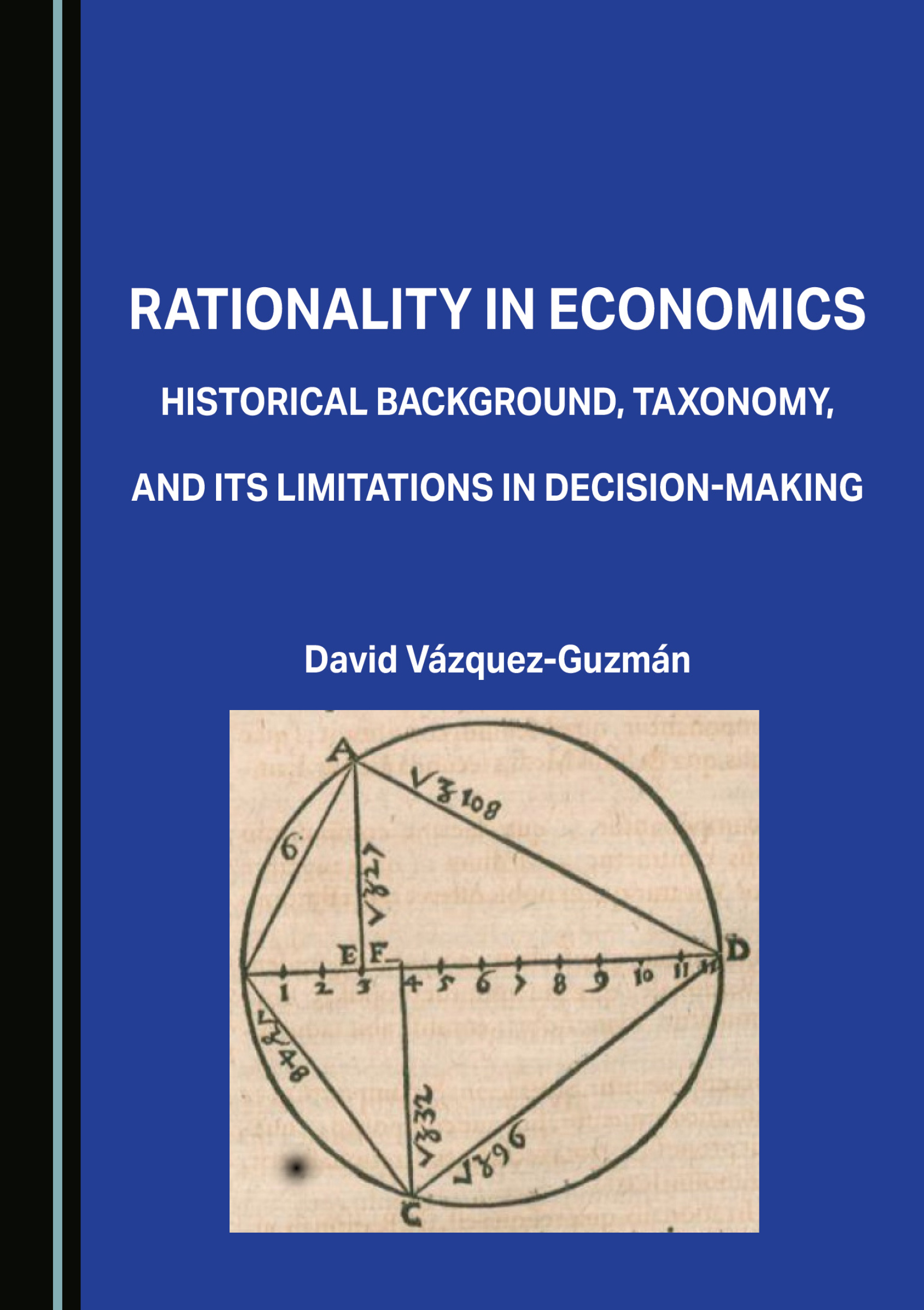
Rationality in Economics
Historical Background, Taxonomy, and Its Limitations in Decision-Making
A critical look at how scientists model human rationality. This book traces today's complex mathematical models of choice back to their flawed, unpragmatic roots in medieval thought, offering a new taxonomy for understanding how we decide.
A critical look at how scientists model human rationality. This book traces today’s complex mathematical models of choice back to their flawed, unpragmatic roots in medieval thought, offering a new taxonomy for understanding how we decide.
View more
This product has multiple variants. The options may be chosen on the product page
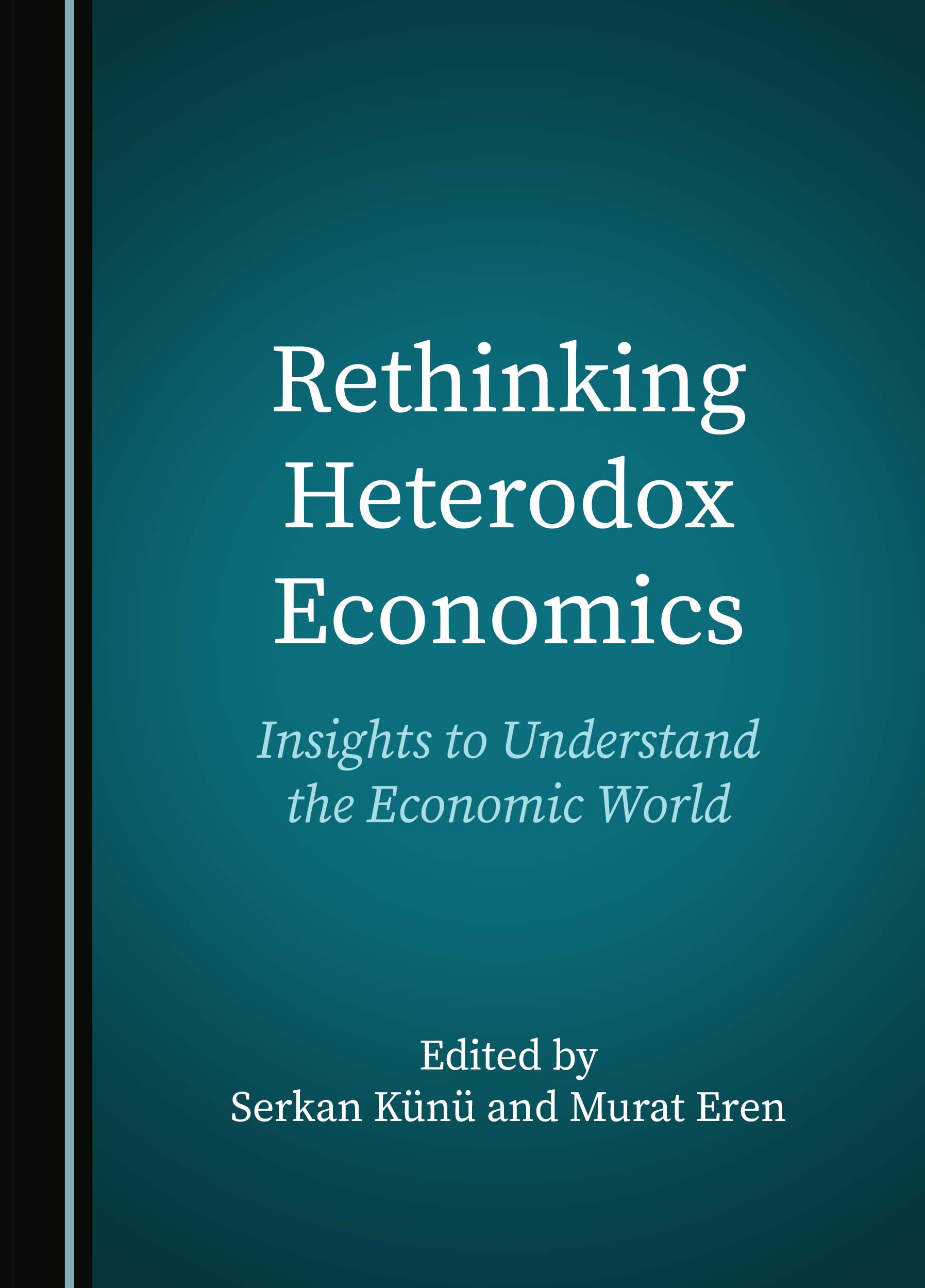
Rethinking Heterodox Economics
Insights to Understand the Economic World
Heterodox economics challenges traditional theories by considering historical, social, and political factors. This book helps economists and students understand the complexities of the real world, exploring inequality, sustainability, and financial crises from a new perspective.
Heterodox economics challenges traditional theories by considering historical, social, and political factors. This book helps economists and students understand the complexities of the real world, exploring inequality, sustainability, and financial crises from a new perspective.
View more
This product has multiple variants. The options may be chosen on the product page
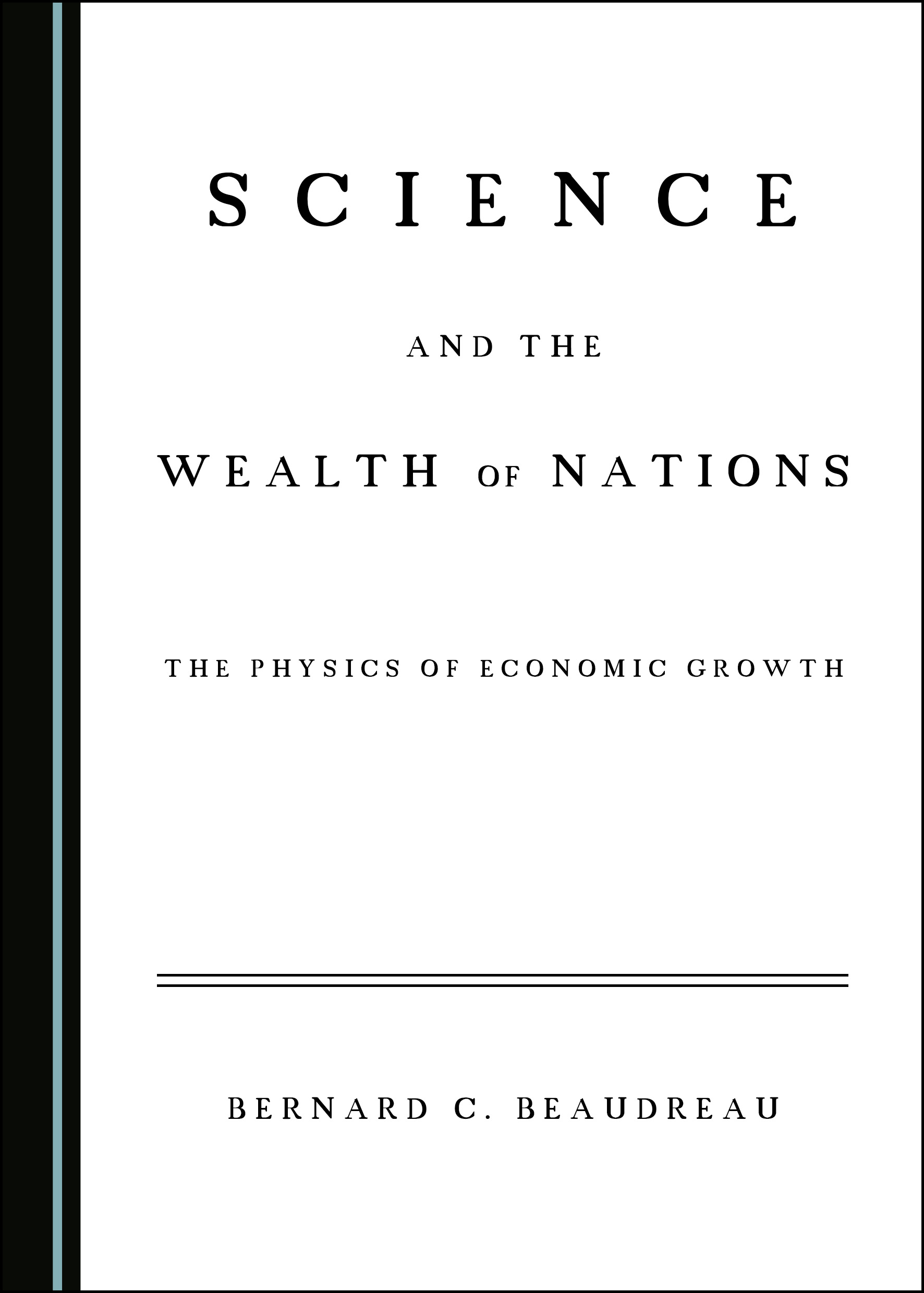
Science and the Wealth of Nations
The Physics of Economic Growth
Idea-based growth theory has been a bust. This volume presents an alternative approach, drawing from classical mechanics and thermodynamics. Consistent with the historical record and data, it explains the 1970s productivity slowdown, the Solow paradox, and policy failures.
Idea-based growth theory has been a bust. This volume presents an alternative approach, drawing from classical mechanics and thermodynamics. Consistent with the historical record and data, it explains the 1970s productivity slowdown, the Solow paradox, and policy failures.
View more
This product has multiple variants. The options may be chosen on the product page
From £29.99
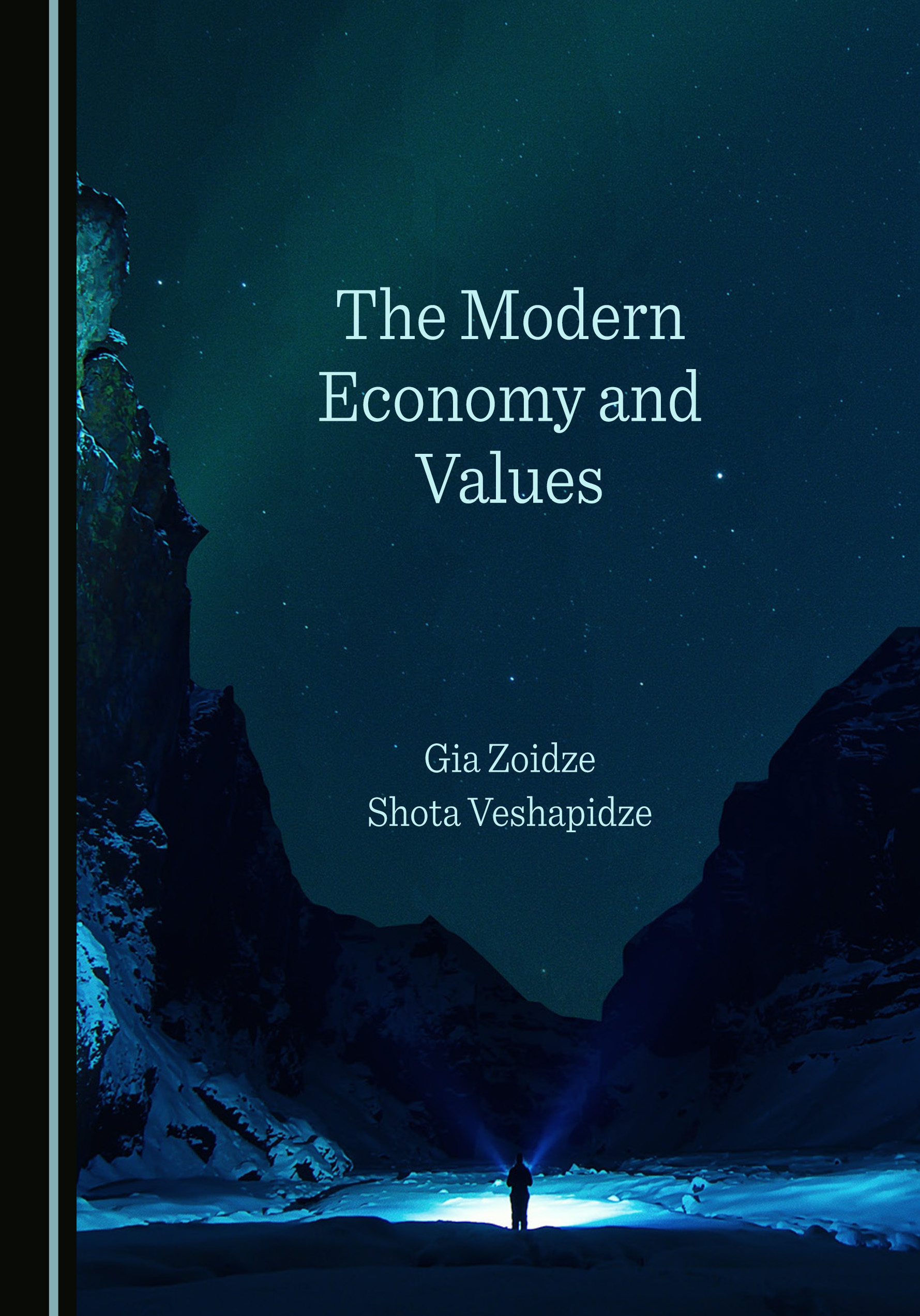
Each individual is of the highest value. This book explores how this core belief shapes the laws, customs, and norms that guide society, uncovering the critical connection between our values and the modern economy—a vital read for the future of humanity.
Each individual is of the highest value. This book explores how this core belief shapes the laws, customs, and norms that guide society, uncovering the critical connection between our values and the modern economy—a vital read for the future of humanity.
View more
This product has multiple variants. The options may be chosen on the product page
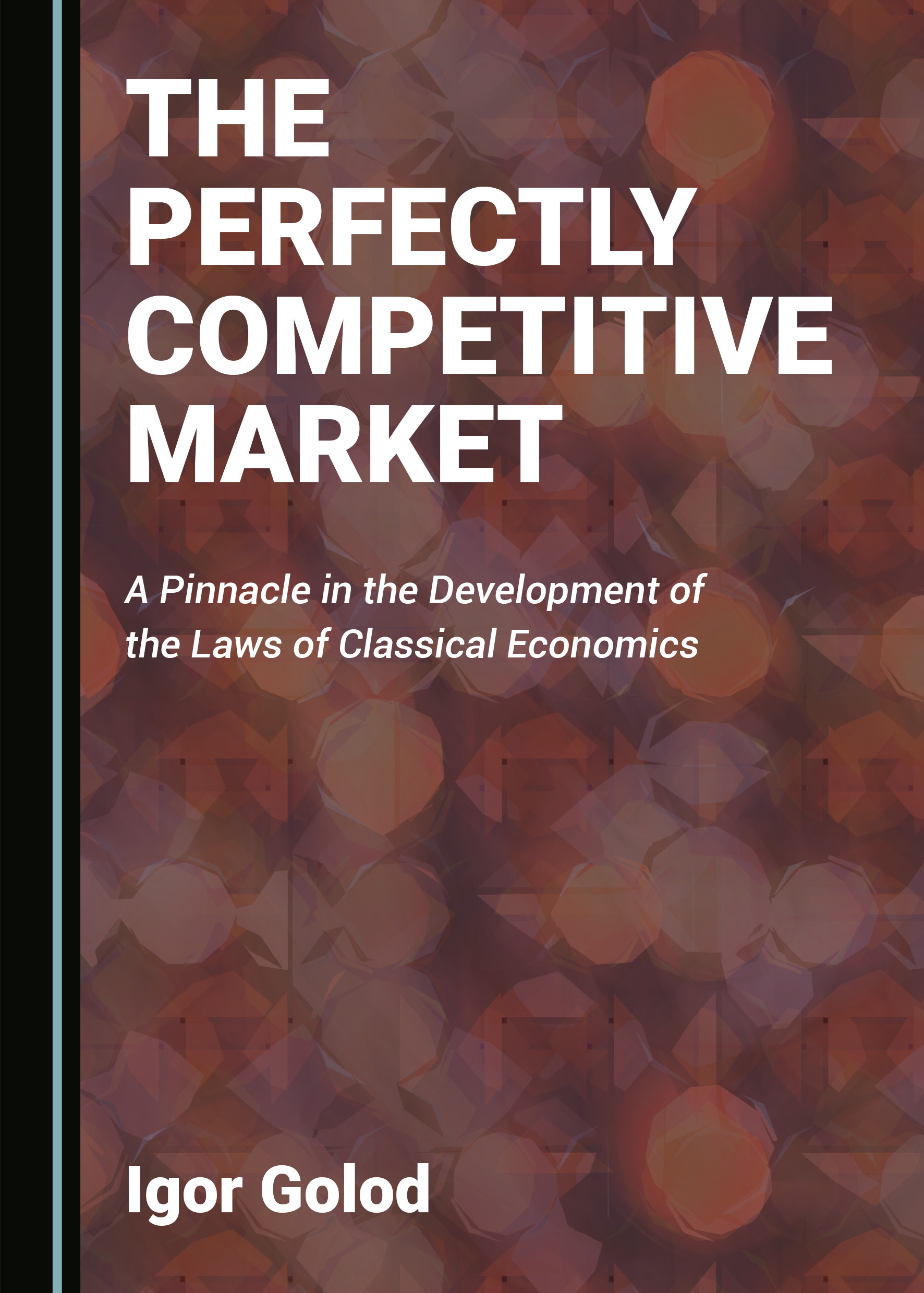
The Perfectly Competitive Market
A Pinnacle in the Development of the Laws of Classical Economics
Academic economics and the real-world economy are two different worlds. This book bridges the gap, using modern computer technology to create a theoretical model for a simpler, less crisis-prone economy with a higher growth rate.
Academic economics and the real-world economy are two different worlds. This book bridges the gap, using modern computer technology to create a theoretical model for a simpler, less crisis-prone economy with a higher growth rate.
View more
This product has multiple variants. The options may be chosen on the product page
From £32.99
This book identifies the theory of economic personality, which leads individuals to exhibit predictable behaviors without being rational. It argues that the individual is not rational; what is rational is the systematic repetition of behaviors dictated by economic personality.
This book identifies the theory of economic personality, which leads individuals to exhibit predictable behaviors without being rational. It argues that the individual is not rational; what is rational is the systematic repetition of behaviors dictated by economic personality.
View more
This product has multiple variants. The options may be chosen on the product page
Using Poetry for Economic Analysis
Economics Meets Literature
This book is the first to amalgamate economics with poetry, novels, paintings, and movies. It presents the principles of economics in plain and lyrical English, analysing real-world issues for students, financial practitioners, and lay readers alike.
This book is the first to amalgamate economics with poetry, novels, paintings, and movies. It presents the principles of economics in plain and lyrical English, analysing real-world issues for students, financial practitioners, and lay readers alike.
View more
This product has multiple variants. The options may be chosen on the product page
Processing Your Order
Please wait while we securely process your order.
Do not refresh or leave this page.
You will be redirected shortly to a confirmation page with your order number.