
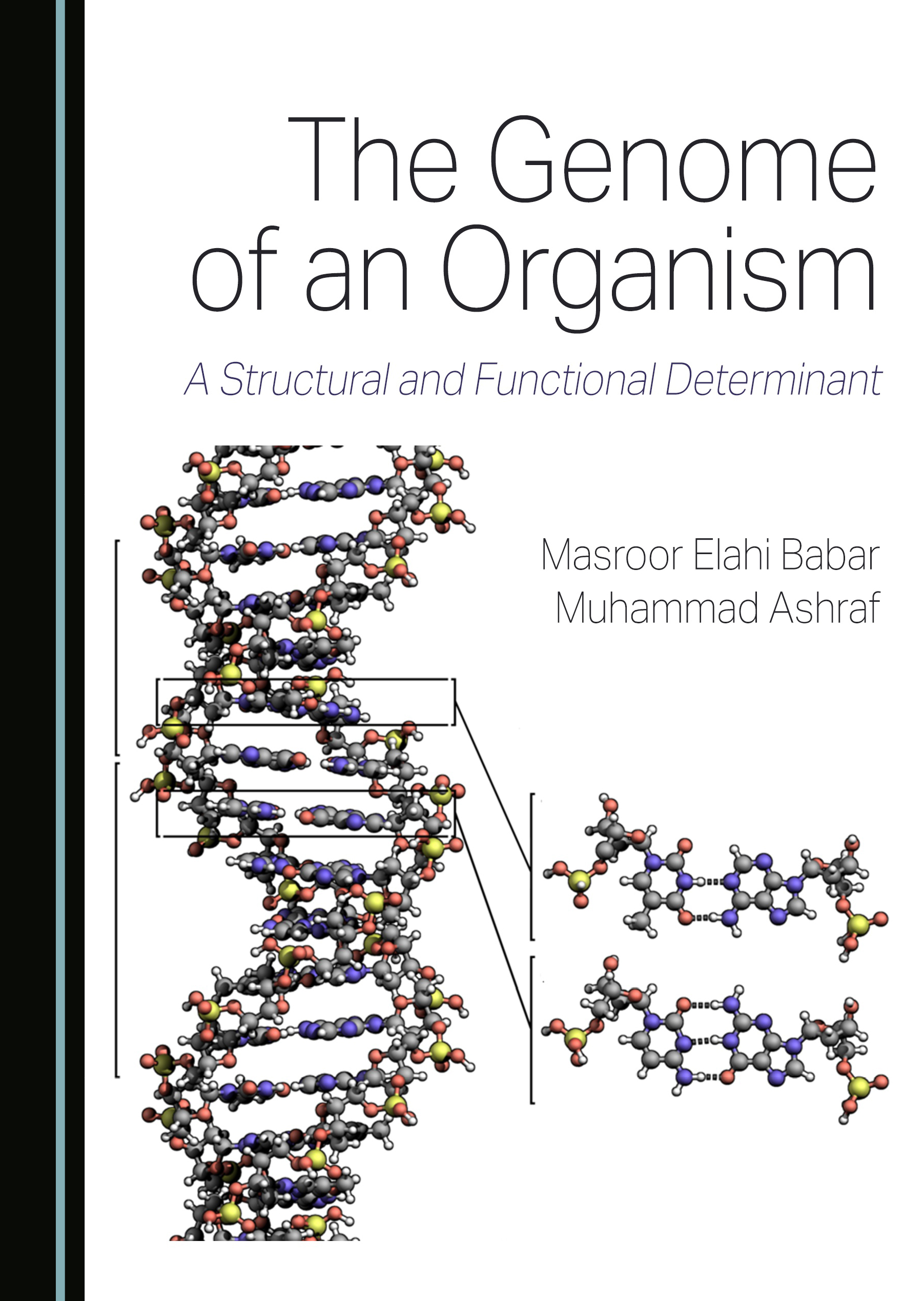
The Genome of an Organism
A Structural and Functional Determinant
This book explains the fundamental processes of evolutionary genetics, such as mutation, natural selection, and speciation. It provides an up-to-date overview of the field, discussing the theories of Darwin and Mendel, adaptation, and the origin of new genes.
This book explains the fundamental processes of evolutionary genetics, such as mutation, natural selection, and speciation. It provides an up-to-date overview of the field, discussing the theories of Darwin and Mendel, adaptation, and the origin of new genes.
View more
This product has multiple variants. The options may be chosen on the product page
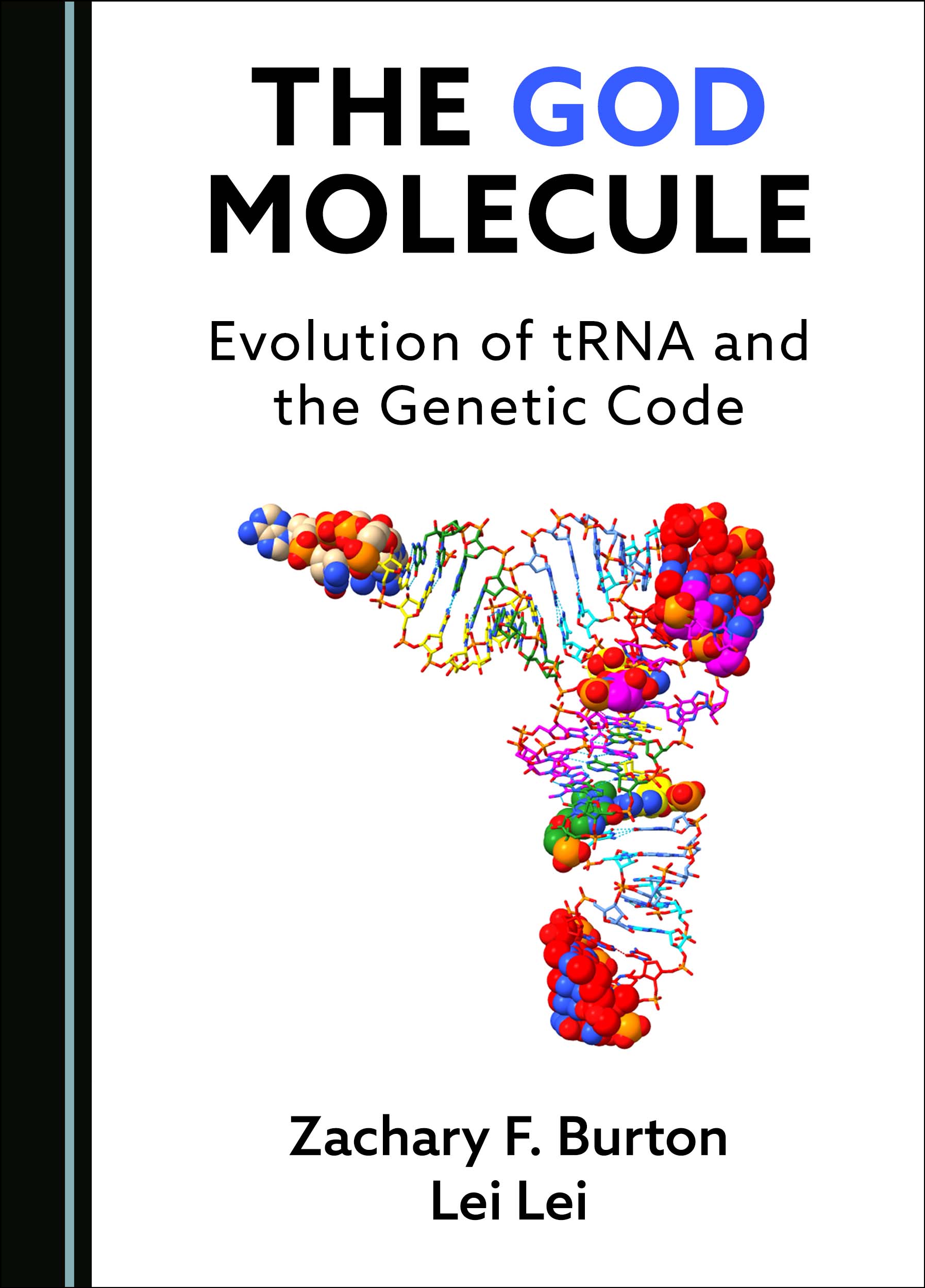
The God Molecule
Evolution of tRNA and the Genetic Code
Transfer RNA (tRNA) is a molecular fossil that tells the story of the evolution of the genetic code and the origin of life. Analysis of its pre-life sequences provides clear insights into how life began and shows why tRNA is required to generate life on Earth or another planet.
Transfer RNA (tRNA) is a molecular fossil that tells the story of the evolution of the genetic code and the origin of life. Analysis of its pre-life sequences provides clear insights into how life began and shows why tRNA is required to generate life on Earth or another planet.
View more
This product has multiple variants. The options may be chosen on the product page
The Impact of Genomic Variations on Human Health
A Scientific Journey Towards the Future
Genomics is changing how we understand, predict, and treat disease. This book explores how advances in sequencing, data science, and AI are creating personalized medicine, while looking at the crucial problems of equity, ethics, and access.
Genomics is changing how we understand, predict, and treat disease. This book explores how advances in sequencing, data science, and AI are creating personalized medicine, while looking at the crucial problems of equity, ethics, and access.
View more
This product has multiple variants. The options may be chosen on the product page
From £19.99
Contributors to this book accept an evolutionary account of life, mind and religion. However, they hold divergent views on the relation of mind to brain, the validity of religious belief, and how even Christ may be seen as an aspect of the evolutionary process.
Contributors to this book accept an evolutionary account of life, mind and religion. However, they hold divergent views on the relation of mind to brain, the validity of religious belief, and how even Christ may be seen as an aspect of the evolutionary process.
View more
This product has multiple variants. The options may be chosen on the product page
£61.99
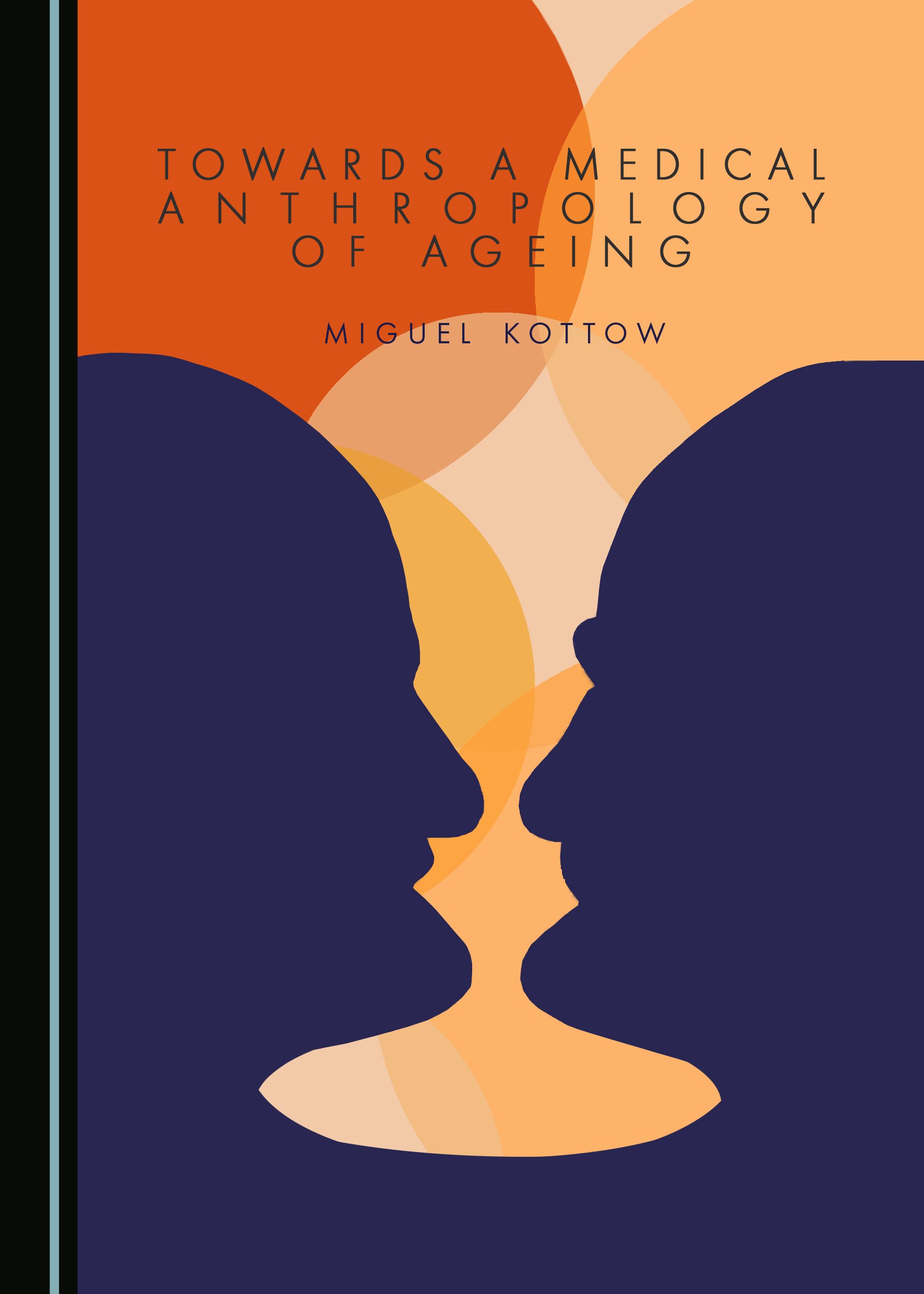
Ageing is not a disease. In an era of unfulfilled social care, this book presents an anthropological view that focuses on three essential conditions of human life that become vulnerable with advancing age: relating to others, being in the world, and leaving a legacy.
Ageing is not a disease. In an era of unfulfilled social care, this book presents an anthropological view that focuses on three essential conditions of human life that become vulnerable with advancing age: relating to others, being in the world, and leaving a legacy.
View more
This product has multiple variants. The options may be chosen on the product page
What Is Life and What Is Consciousness
A Front-Line Informational Model and Applications
What is life? What is consciousness? This book tackles these age-old questions with a new concept: matter-related information. It demonstrates that information is an indispensable contributor to the organization and functionality of all living systems.
What is life? What is consciousness? This book tackles these age-old questions with a new concept: matter-related information. It demonstrates that information is an indispensable contributor to the organization and functionality of all living systems.
View more
This product has multiple variants. The options may be chosen on the product page
£47.99
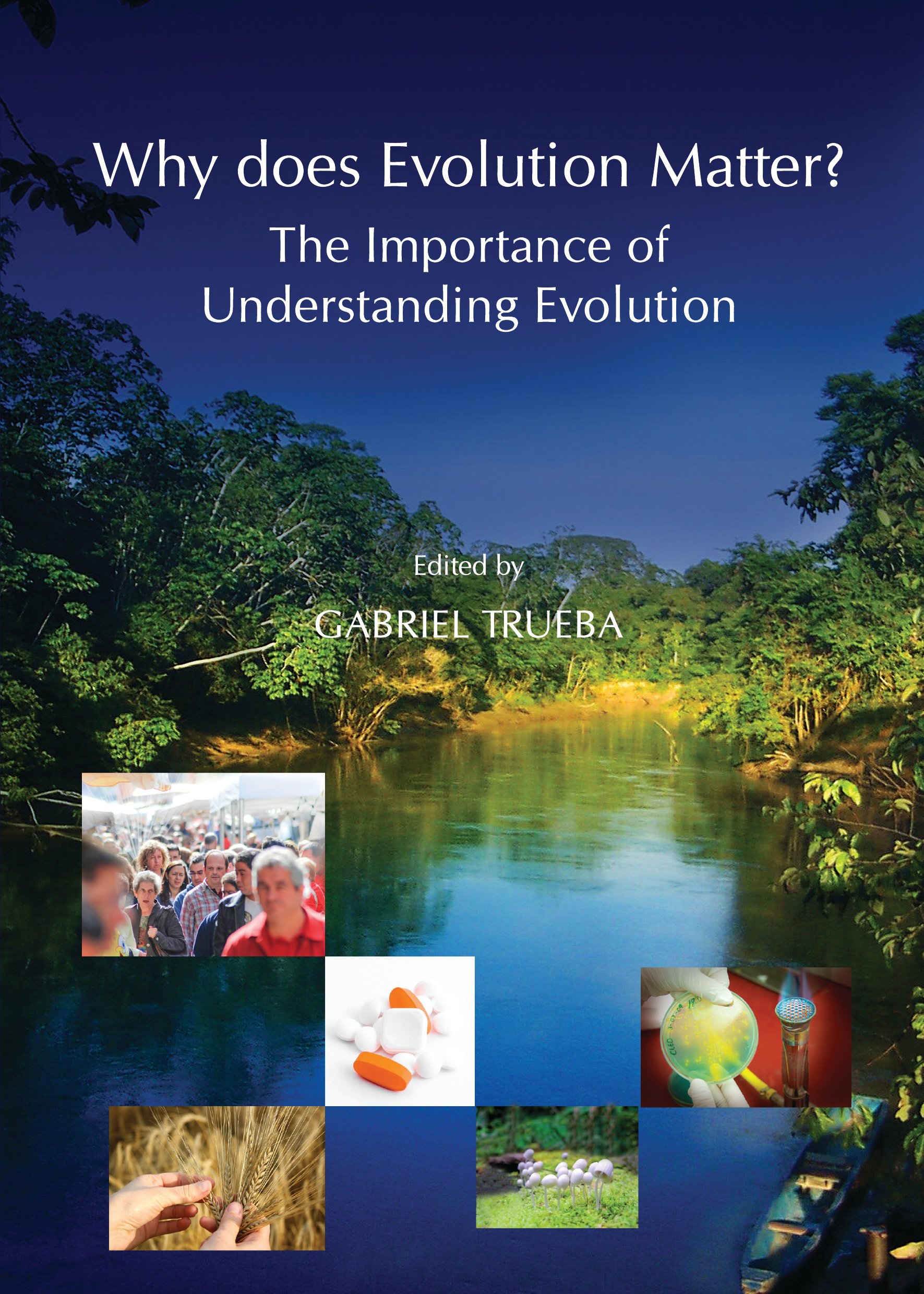
Evolution is the mesh that connects every biological phenomenon. This book highlights how evolutionary science provides practical applications and tools to deal with current problems concerning humanity, such as disease, food production, and environmental destruction.
Evolution is the mesh that connects every biological phenomenon. This book highlights how evolutionary science provides practical applications and tools to deal with current problems concerning humanity, such as disease, food production, and environmental destruction.
View more
This product has multiple variants. The options may be chosen on the product page