
From £43.99
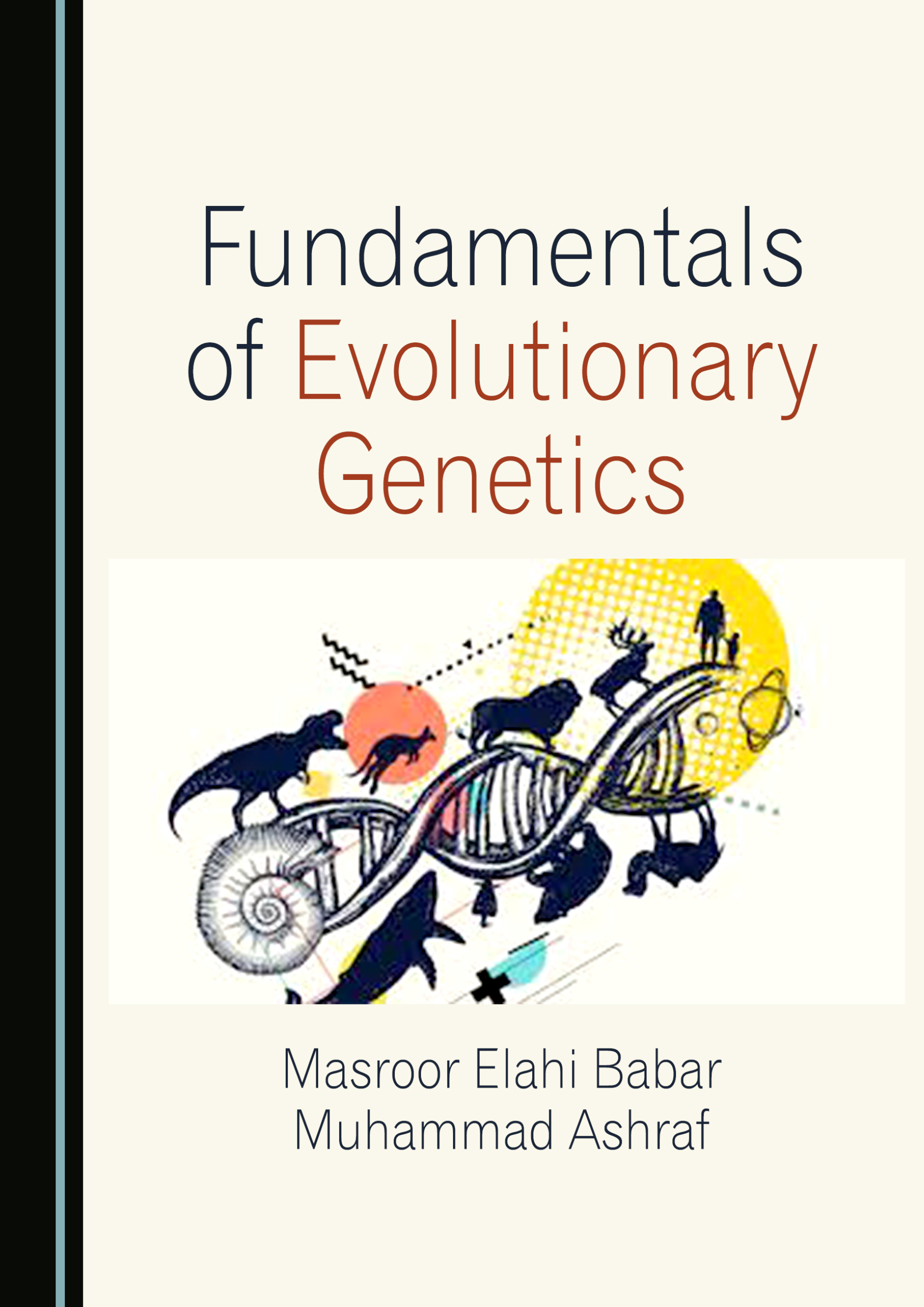
This book explains the fundamental processes of evolutionary genetics, such as mutation, natural selection, and speciation. It provides an up-to-date overview of the field, discussing the theories of Darwin and Mendel, adaptation, and the origin of new genes.
This book explains the fundamental processes of evolutionary genetics, such as mutation, natural selection, and speciation. It provides an up-to-date overview of the field, discussing the theories of Darwin and Mendel, adaptation, and the origin of new genes.
View more
This product has multiple variants. The options may be chosen on the product page
From £29.99
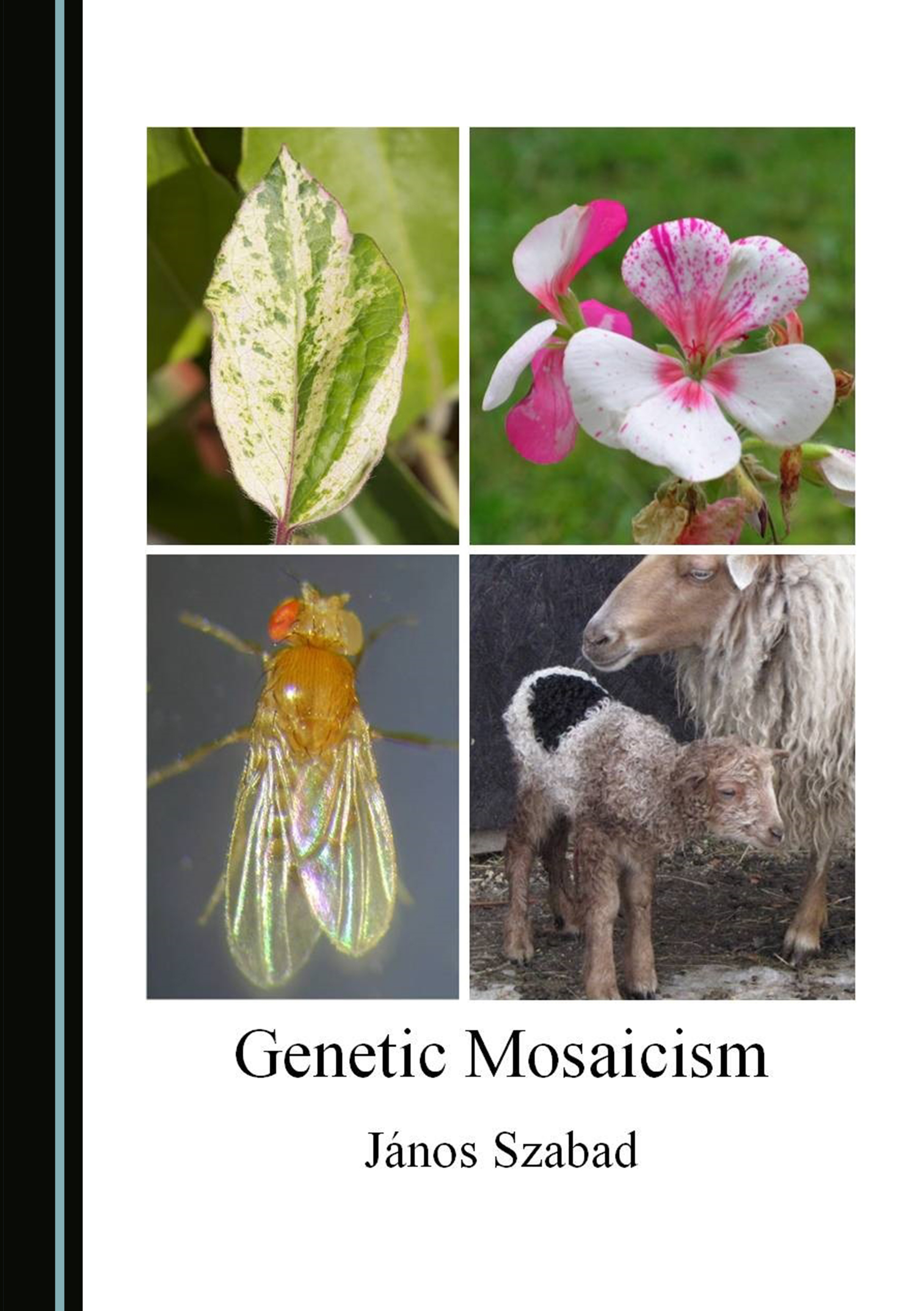
From spotted dogs to mosaic irises, genetic mosaics are all around us—in fact, we are all mosaics. But little is known about the genetic bases of their origin. This book overviews the mechanisms behind mosaicism, with examples illustrating their impact on our lives.
From spotted dogs to mosaic irises, genetic mosaics are all around us—in fact, we are all mosaics. But little is known about the genetic bases of their origin. This book overviews the mechanisms behind mosaicism, with examples illustrating their impact on our lives.
View more
This product has multiple variants. The options may be chosen on the product page
From £32.99
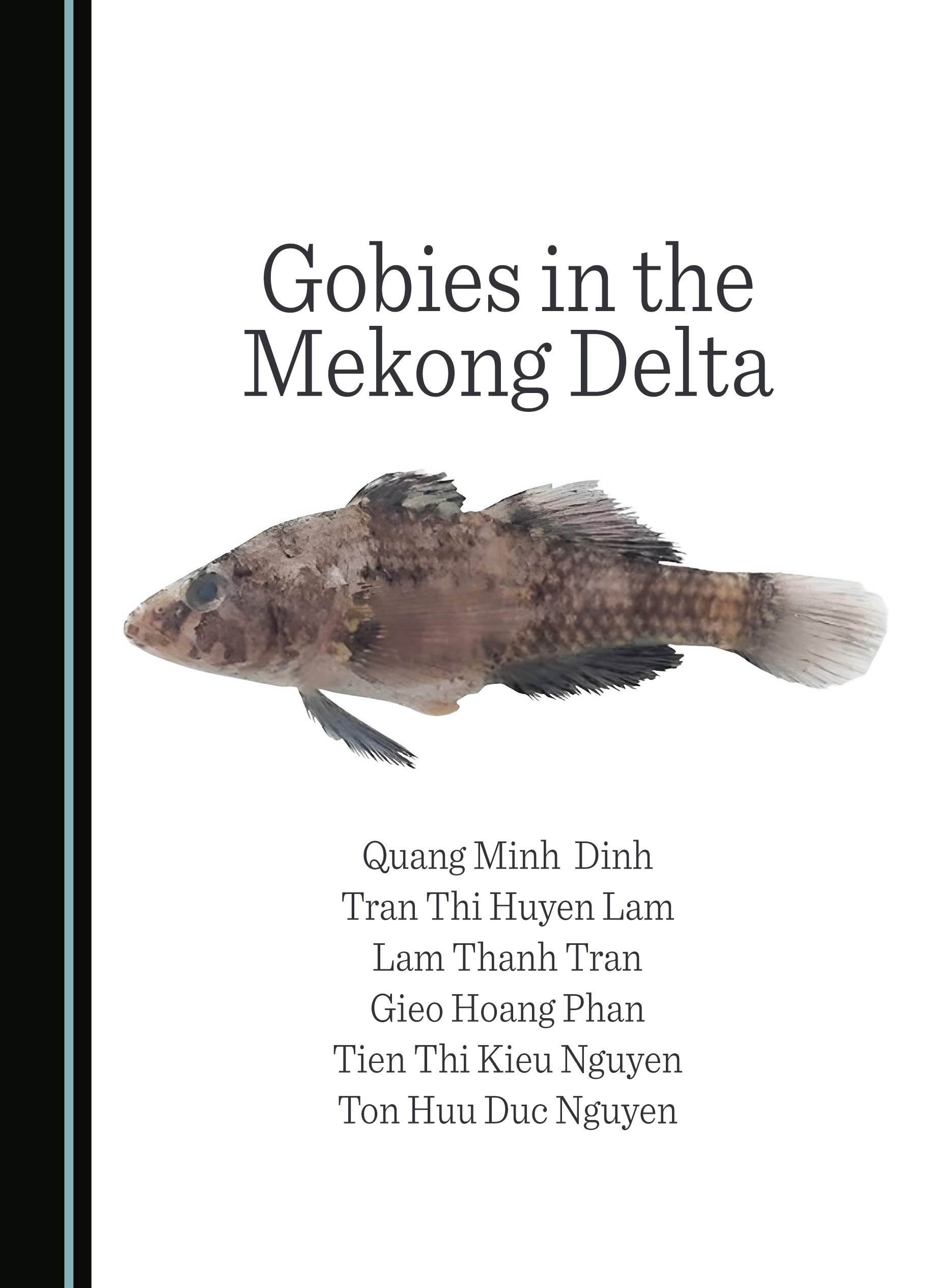
The Mekong Delta's economically significant fish species are threatened by fragmented research, hindering conservation. This monograph offers a solution: the culmination of a decade of research providing a holistic understanding of their genetics, ecology, and survival.
The Mekong Delta’s economically significant fish species are threatened by fragmented research, hindering conservation. This monograph offers a solution: the culmination of a decade of research providing a holistic understanding of their genetics, ecology, and survival.
View more
This product has multiple variants. The options may be chosen on the product page
Healing and Saving Technology
Bioethics across Frontiers
Physician, priest, and philosopher Rev Joseph Tham explores the ethical frontiers of medicine, technology, and faith. This anthology presents a rich tapestry of insights, bridging traditional Catholic teachings with contemporary debates on suffering, dignity, and human identity.
Physician, priest, and philosopher Rev Joseph Tham explores the ethical frontiers of medicine, technology, and faith. This anthology presents a rich tapestry of insights, bridging traditional Catholic teachings with contemporary debates on suffering, dignity, and human identity.
View more
This product has multiple variants. The options may be chosen on the product page
How Human Nature Fosters Violence, War and Genocide
An Evolutionary and Psychological Study
Why are we the way we are? This book examines mass violence and genocide, arguing it builds upon a basic human tendency from our evolutionary background to support our own group and kill those considered “others,” often hiding behind designations of religion, race, or ethnicity.
Why are we the way we are? This book examines mass violence and genocide, arguing it builds upon a basic human tendency from our evolutionary background to support our own group and kill those considered “others,” often hiding behind designations of religion, race, or ethnicity.
View more
This product has multiple variants. The options may be chosen on the product page
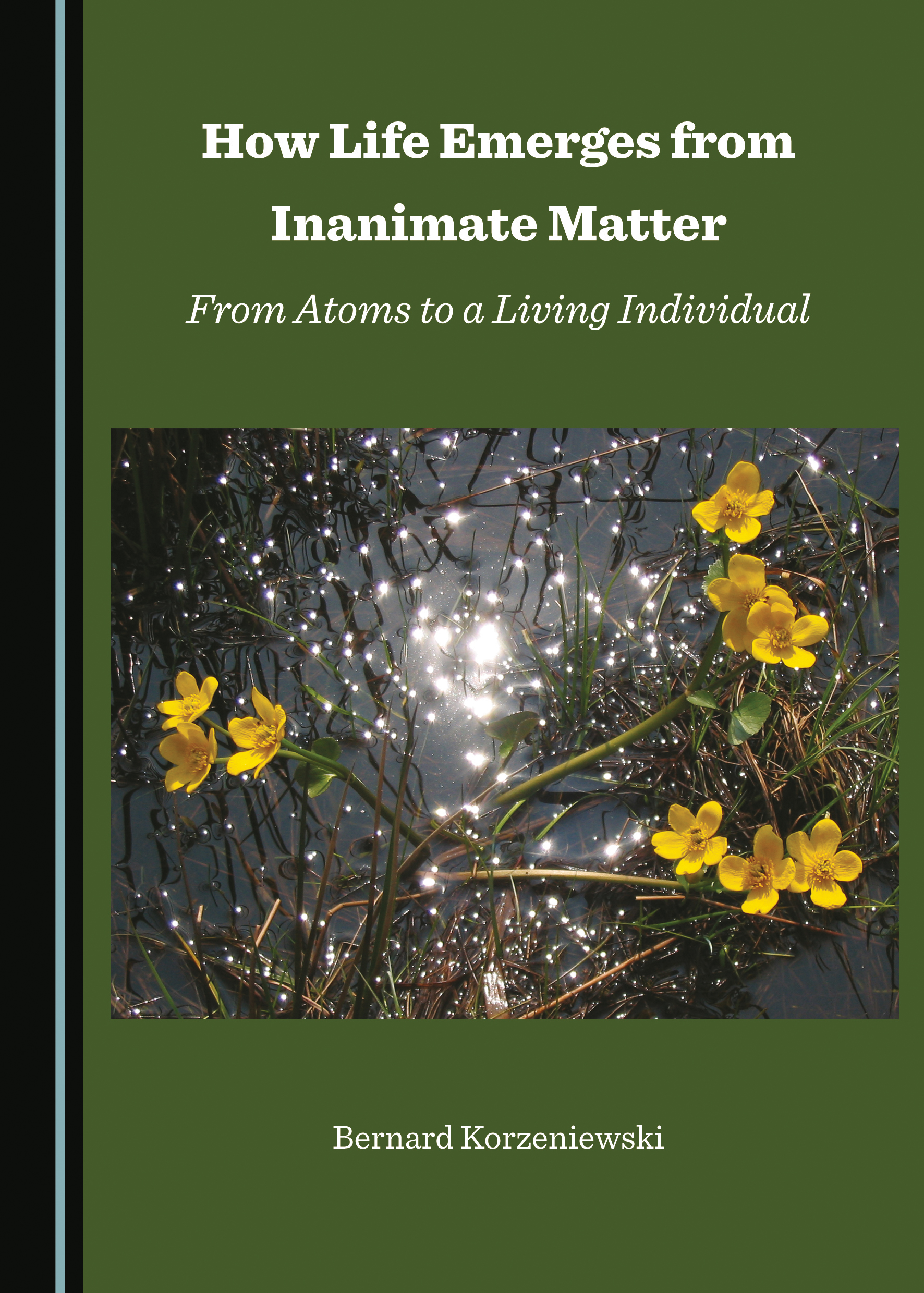
How Life Emerges from Inanimate Matter
From Atoms to a Living Individual
This book describes how life emerges from inanimate matter. It analyzes this transition as it occurs in space, from simple particles to individuals; in time, through biological evolution; and in embryonic development, offering a unique, multi-disciplinary analysis of all three.
This book describes how life emerges from inanimate matter. It analyzes this transition as it occurs in space, from simple particles to individuals; in time, through biological evolution; and in embryonic development, offering a unique, multi-disciplinary analysis of all three.
View more
This product has multiple variants. The options may be chosen on the product page
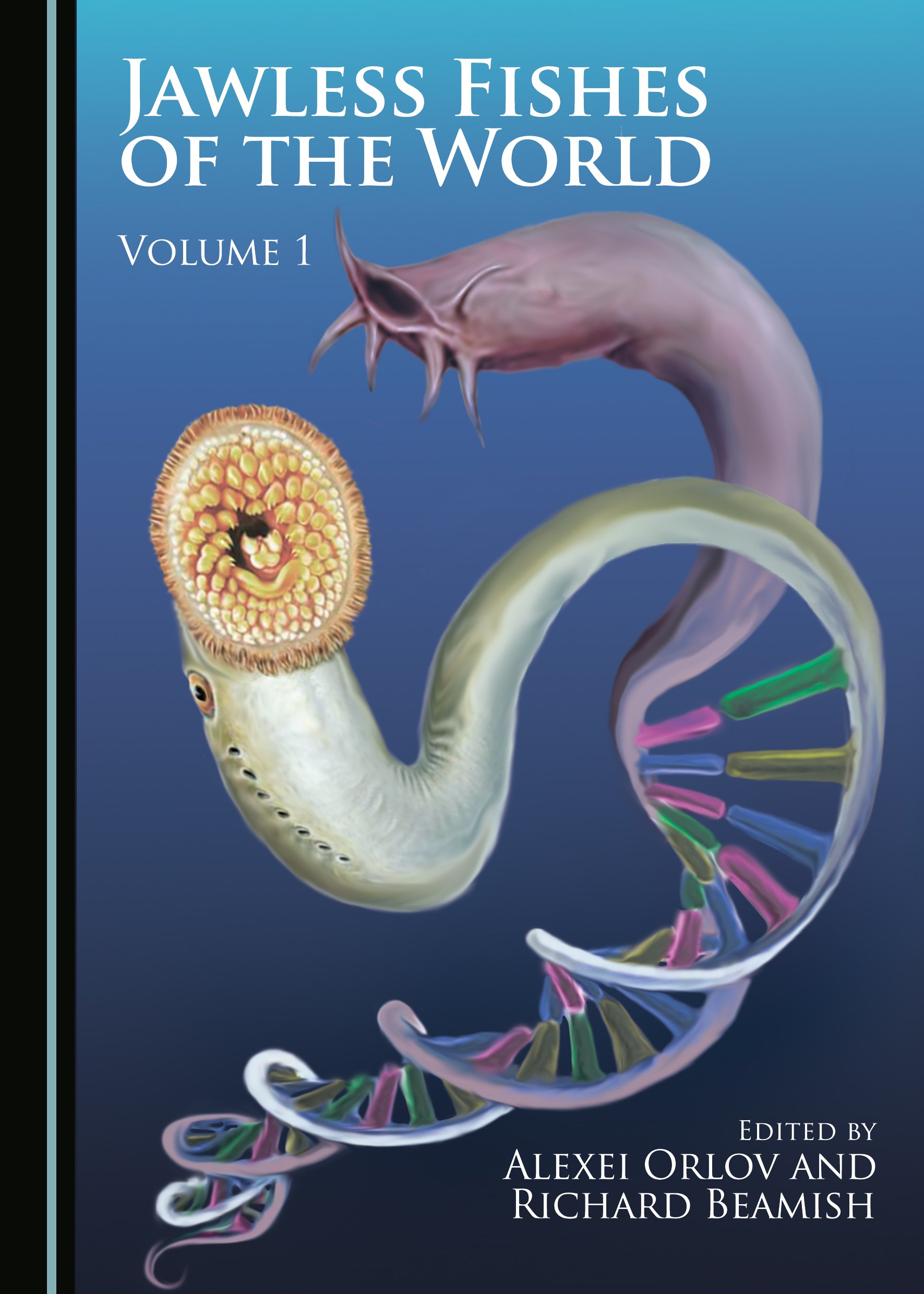
Jawless Fishes of the World
Volume 1
The first book to focus exclusively on various aspects of jawless fish species throughout the world, this volume provides an overview of a variety of related topics, including their taxonomy, zoogeography, phylogeny, molecular biology, evolution, and role in the ecosystem.
The first book to focus exclusively on various aspects of jawless fish species throughout the world, this volume provides an overview of a variety of related topics, including their taxonomy, zoogeography, phylogeny, molecular biology, evolution, and role in the ecosystem.
View more
This product has multiple variants. The options may be chosen on the product page
Long Non-Coding RNA
From Disease Biomarkers to Targeted Therapeutics
Once dismissed as genomic “noise,” Long non-coding RNAs (LncRNAs) are now known to regulate genes and are involved in diverse diseases like cancer. As their mechanisms are still ambiguous, this book provides a comprehensive account of lncRNA research.
Once dismissed as genomic “noise,” Long non-coding RNAs (LncRNAs) are now known to regulate genes and are involved in diverse diseases like cancer. As their mechanisms are still ambiguous, this book provides a comprehensive account of lncRNA research.
View more
This product has multiple variants. The options may be chosen on the product page
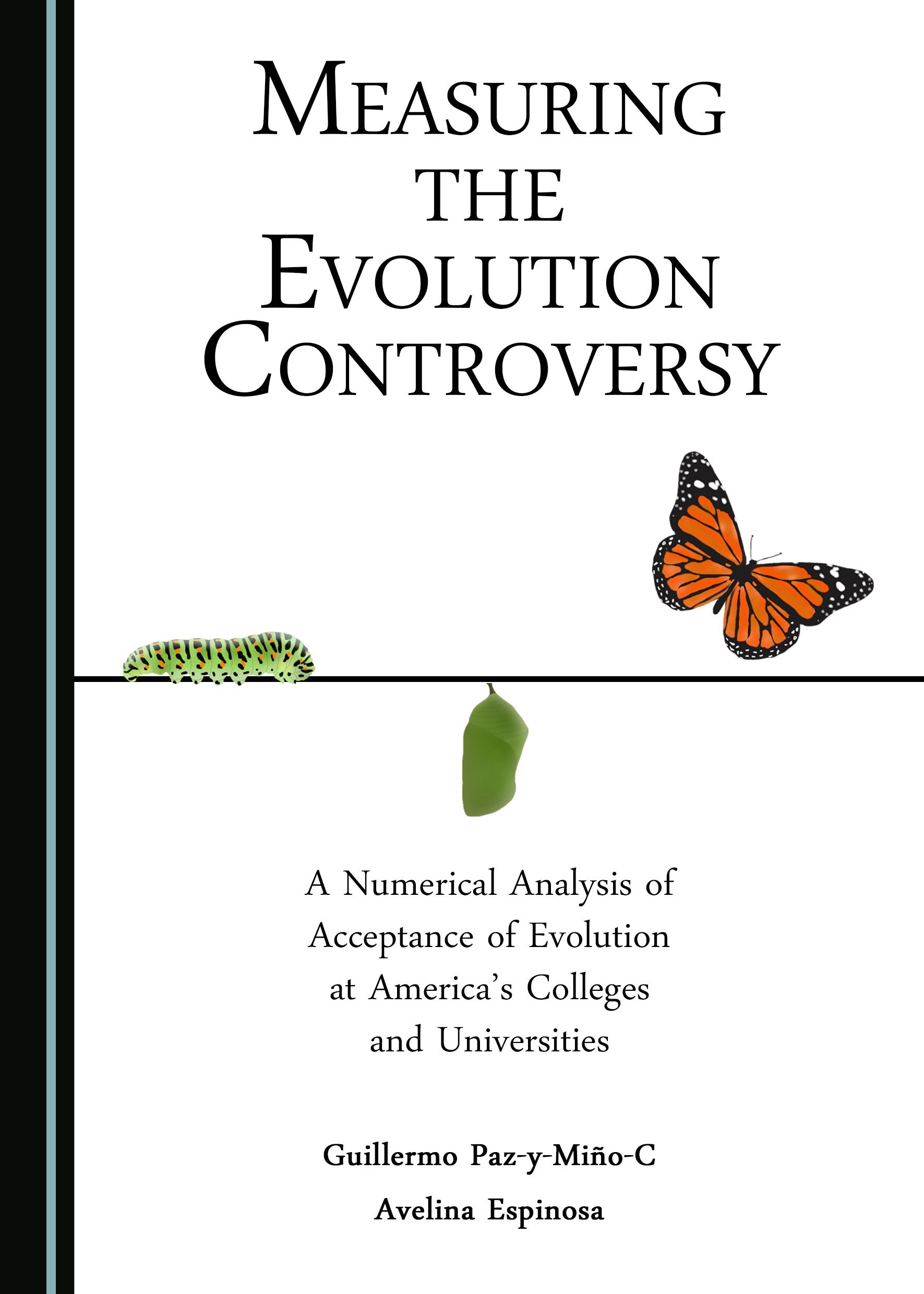
Measuring the Evolution Controversy
A Numerical Analysis of Acceptance of Evolution at America's Colleges and Universities
Why do so many people reject evolution? The authors postulate the "incompatibility hypothesis": a fundamental conflict between scientific rationalism and supernatural belief. They test this by examining how education and religiosity impact evolution's acceptance.
Why do so many people reject evolution? The authors postulate the “incompatibility hypothesis”: a fundamental conflict between scientific rationalism and supernatural belief. They test this by examining how education and religiosity impact evolution’s acceptance.
View more
This product has multiple variants. The options may be chosen on the product page

Molecular Strategies of Creatures to Survive in Acidic Environments
Invitation to the Acidic World
From bacteria to human cancer cells, organisms must survive in an "acidic world." This book summarizes current research into the molecular mechanisms that allow life to thrive in acidic environments, opening up a new way of understanding life itself.
From bacteria to human cancer cells, organisms must survive in an “acidic world.” This book summarizes current research into the molecular mechanisms that allow life to thrive in acidic environments, opening up a new way of understanding life itself.
View more
This product has multiple variants. The options may be chosen on the product page
Naturalizing History
A Biocultural Theory of Human Progress
A new evolutionary framework for understanding our past. This book offers a radical approach to history and political theory, revealing fresh insights into the scientific revolution, revolutionary ideology, and the rise of constitutional government.
A new evolutionary framework for understanding our past. This book offers a radical approach to history and political theory, revealing fresh insights into the scientific revolution, revolutionary ideology, and the rise of constitutional government.
View more
This product has multiple variants. The options may be chosen on the product page
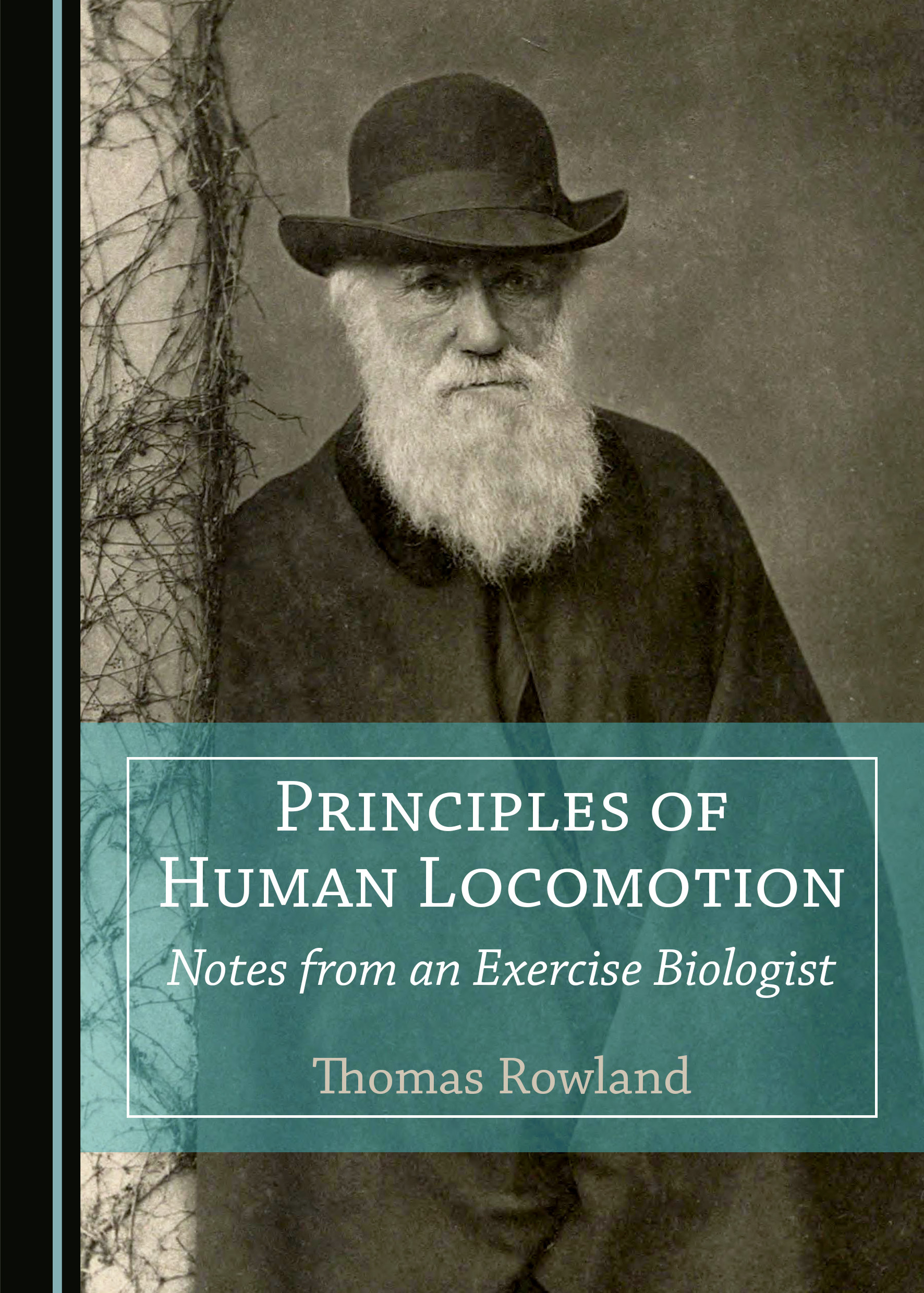
Principles of Human Locomotion
Notes from an Exercise Biologist
What separates the living from the inanimate? This book seeks answers in the biology of human locomotion, exploring how our adaptations to physical exercise reveal the fundamental principles of life itself. A thought-provoking analysis for any curious mind.
What separates the living from the inanimate? This book seeks answers in the biology of human locomotion, exploring how our adaptations to physical exercise reveal the fundamental principles of life itself. A thought-provoking analysis for any curious mind.
View more
This product has multiple variants. The options may be chosen on the product page
Recent Developments in Plant Biotechnology
Progress in Lipidomics and Proteomics
This volume explores advances in plant biotechnology, focusing on the use of lipids and proteins from plant tissues in industrial applications. The book discusses an emerging field of research and will appeal to readers in medical, biochemical, and biotechnological disciplines.
This volume explores advances in plant biotechnology, focusing on the use of lipids and proteins from plant tissues in industrial applications. The book discusses an emerging field of research and will appeal to readers in medical, biochemical, and biotechnological disciplines.
View more
This product has multiple variants. The options may be chosen on the product page
Sap Beetles of Northeast India
Systematics, Bionomics and Ecological Services
This book details the Nitidulidae fauna of Northeast India, a biodiversity hotspot. A taxonomic monograph, it serves as a resource for students and professional entomologists, providing keys, illustrations, descriptions, distribution maps, and life history data for all species.
This book details the Nitidulidae fauna of Northeast India, a biodiversity hotspot. A taxonomic monograph, it serves as a resource for students and professional entomologists, providing keys, illustrations, descriptions, distribution maps, and life history data for all species.
View more
This product has multiple variants. The options may be chosen on the product page
From £29.99
Protecting biodiversity requires safeguarding unique animal breeds. This book details the cryopreservation of avian stem cells and sperm, exploring methods and their applications in medicine, biotechnology, and conservation to secure genetic diversity for future generations.
Protecting biodiversity requires safeguarding unique animal breeds. This book details the cryopreservation of avian stem cells and sperm, exploring methods and their applications in medicine, biotechnology, and conservation to secure genetic diversity for future generations.
View more
This product has multiple variants. The options may be chosen on the product page
Studying the Mosquito
Contemporary Research Advances
Featuring chapters by eminent researchers, this book explores novel mosquito control methods. It provides valuable insights into recent interdisciplinary concepts, from AI and ML to immunology, making it an asset for researchers, biologists, and medical personnel.
Featuring chapters by eminent researchers, this book explores novel mosquito control methods. It provides valuable insights into recent interdisciplinary concepts, from AI and ML to immunology, making it an asset for researchers, biologists, and medical personnel.
View more
This product has multiple variants. The options may be chosen on the product page

£64.99
This validated finite element (FE) human head model predicts traumatic brain injuries (TBI) in vehicle collisions. With improved biofidelity, the model predicts injury types and severity, helping to better understand injury mechanisms and develop advanced restraint systems.
This validated finite element (FE) human head model predicts traumatic brain injuries (TBI) in vehicle collisions. With improved biofidelity, the model predicts injury types and severity, helping to better understand injury mechanisms and develop advanced restraint systems.
View more
This product has multiple variants. The options may be chosen on the product page
From £31.99
This book provides fascinating insights into actinomycetes and their synthesis of bioactive molecules like enzymes and nanoparticles. Microorganisms are a huge reservoir of resources for innovative applications and should be explored for antibiotics, enzymes, and nanoparticles.
This book provides fascinating insights into actinomycetes and their synthesis of bioactive molecules like enzymes and nanoparticles. Microorganisms are a huge reservoir of resources for innovative applications and should be explored for antibiotics, enzymes, and nanoparticles.
View more
This product has multiple variants. The options may be chosen on the product page
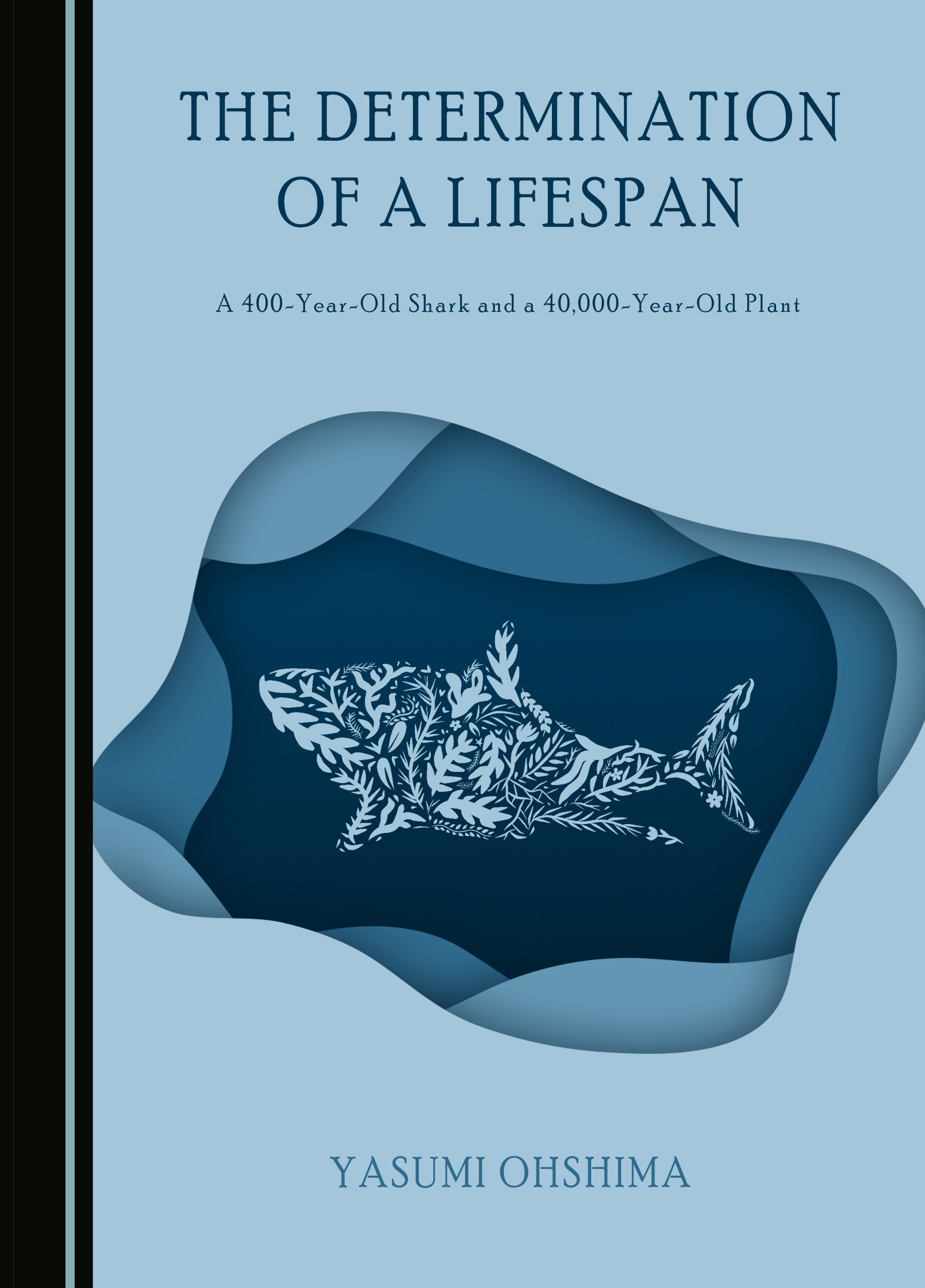
The Determination of a Lifespan
A 400-Year-Old Shark and a 40,000-Year-Old Plant
Human lifespan differs by as much as 30 years across the world due to factors like meals, disease, and genes. This book clarifies these factors and suggests how to live longer. It also surveys animals and plants living for 10,000 years or longer.
Human lifespan differs by as much as 30 years across the world due to factors like meals, disease, and genes. This book clarifies these factors and suggests how to live longer. It also surveys animals and plants living for 10,000 years or longer.
View more
This product has multiple variants. The options may be chosen on the product page
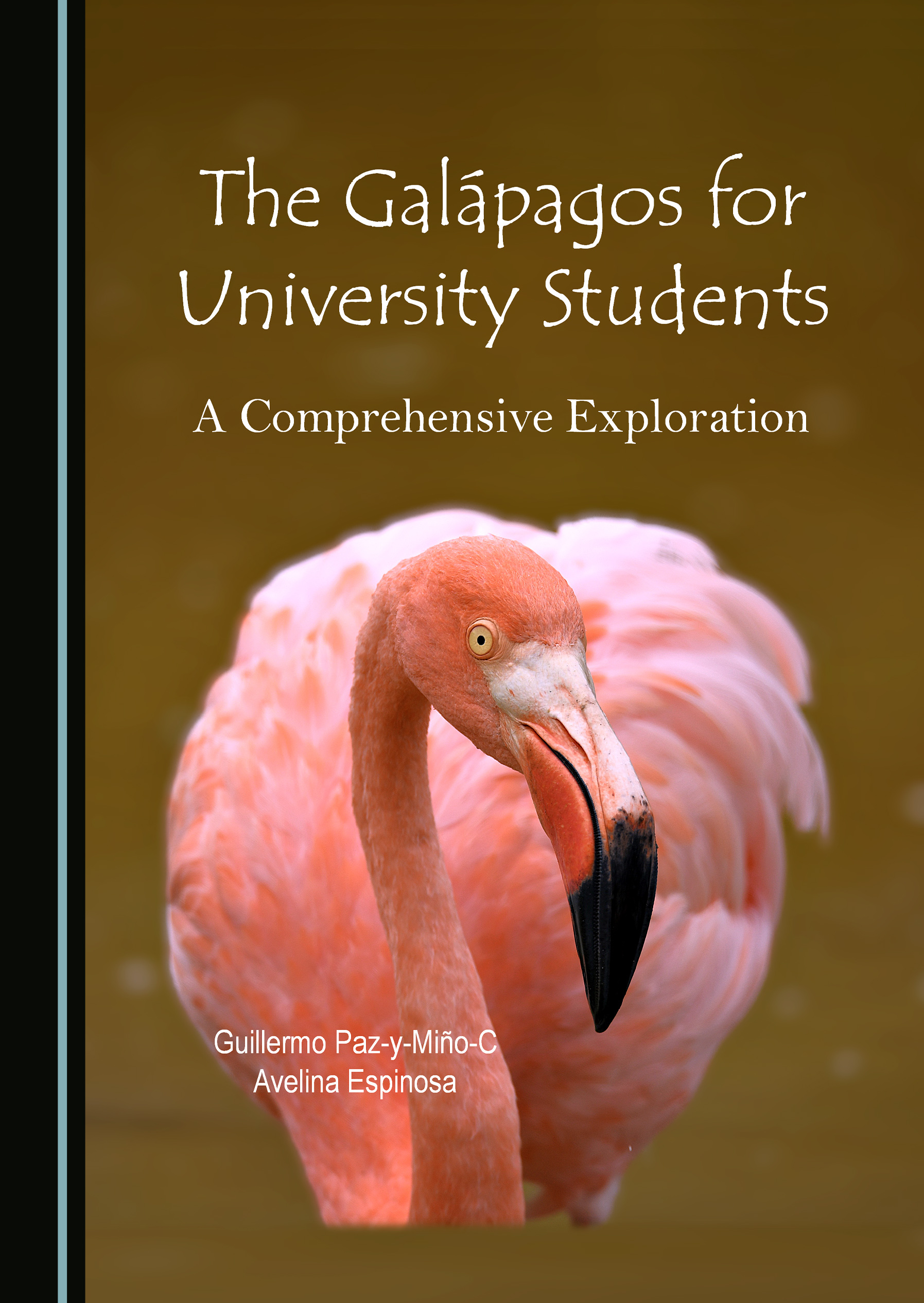
The Galápagos for University Students
A Comprehensive Exploration
An essential field guide for students and instructors. Explore the Galápagos through thought-provoking questions on Darwin, conservation, and climate change, complete with discussion prompts and projects for on-site observation.
An essential field guide for students and instructors. Explore the Galápagos through thought-provoking questions on Darwin, conservation, and climate change, complete with discussion prompts and projects for on-site observation.
View more
This product has multiple variants. The options may be chosen on the product page
Processing Your Order
Please wait while we securely process your order.
Do not refresh or leave this page.
You will be redirected shortly to a confirmation page with your order number.