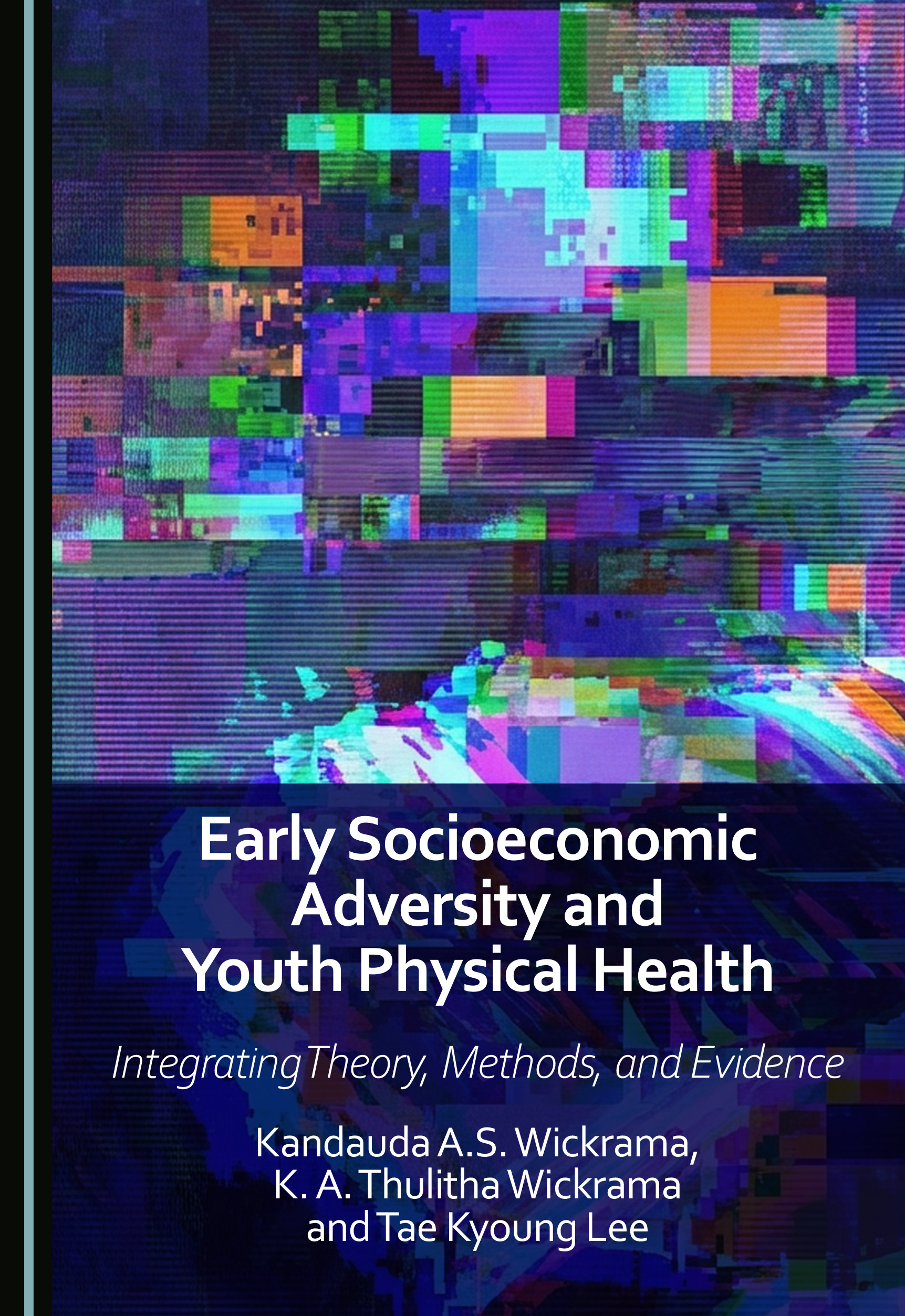
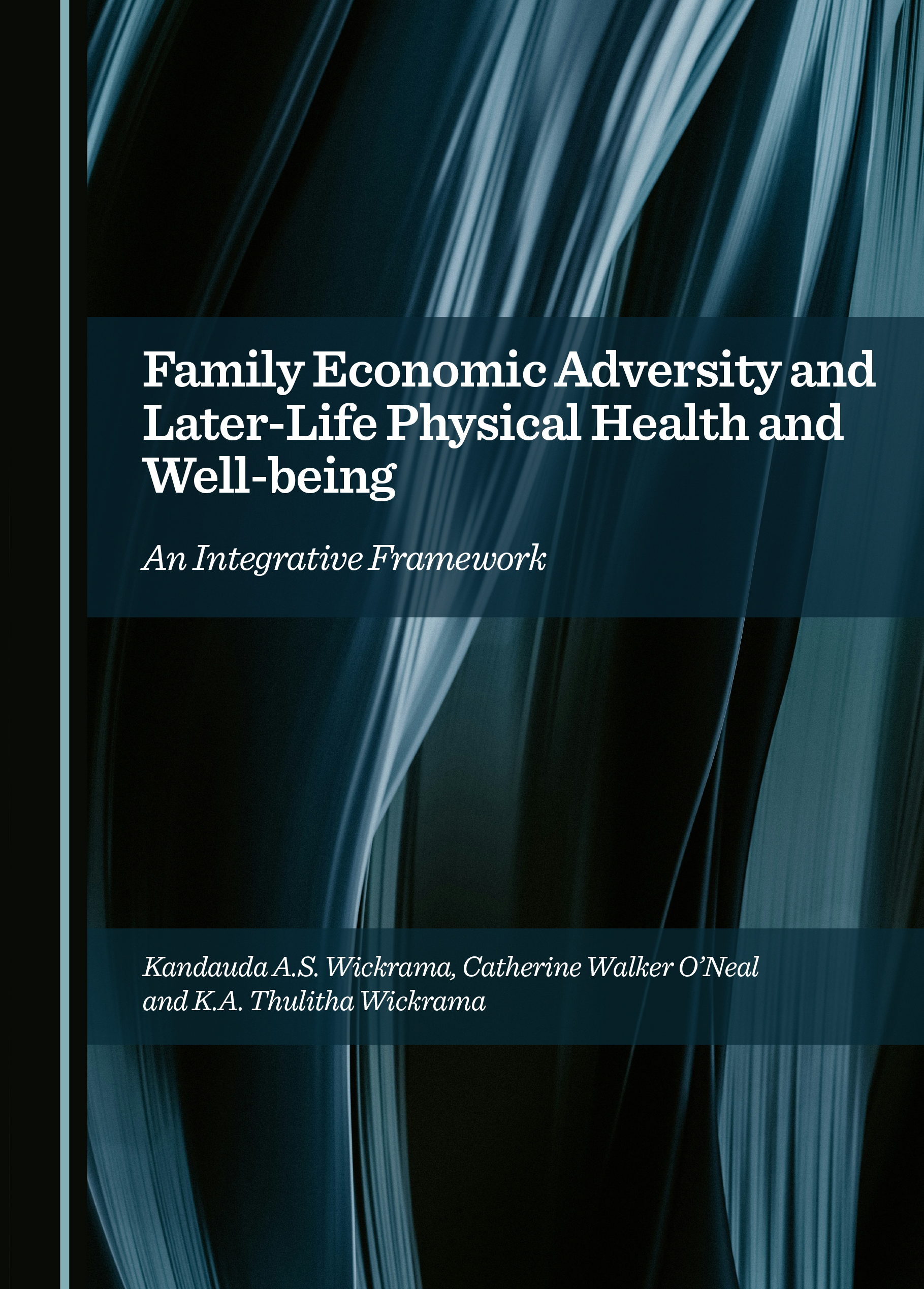
This book serves as a valuable supplementary resource for graduate students, instructors, and researchers from various fields who are investigating the impact of family and environmental socioeconomic adversity (ESA) on the physical health of adolescents and young adults. It’s an excellent fit for a variety of courses and disciplines interested in topics such as social epidemiology, adolescent development, social factors affecting health, public health, family and health, medical sociology, and family counseling, as well as longitudinal data studies.
This book presents an integrated theoretical framework based on life course and developmental perspectives. It highlights the continuity of developmental processes and emphasizes adolescence as a particularly vulnerable stage. The chapters explore the neurobiological, physiological, psychological, and behavioral pathways that connect the ESA and health. Each chapter features illustrative examples along with theoretical and methodological insights. Overall, the book offers a deeper understanding of this research area and provides a solid foundation for developing comprehensive, testable longitudinal models.