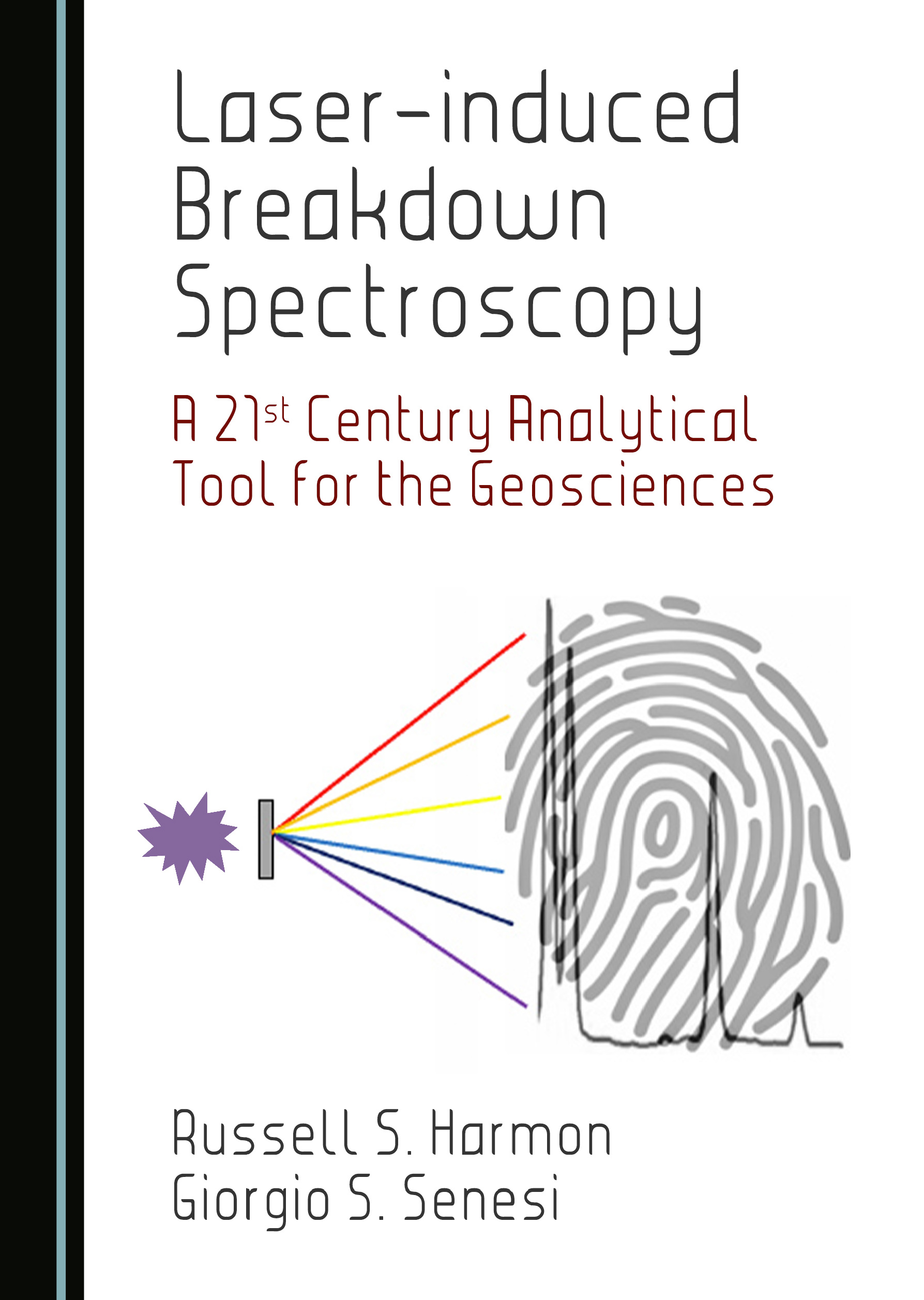
This book is about application of the rapidly-maturing analytical technology known as laser-induced breakdown spectroscopy (LIBS) to the geosciences, a field that depends on knowledge about the chemical composition of the different media (atmospheric gas; seawater, surface water and groundwater; minerals, rocks and soils) that comprise our planet. In LIBS, a rapidly-pulsed laser beam is focused onto a sample to form a plasma containing its constituent elements, with spectral analysis of emitted light used to detect and quantify the elements present. LIBS technology has advanced rapidly in recent years by the development of handheld analyzers for use outside of the traditional laboratory setting in the ambient environment for on-site analysis and bespoke LIBS systems for unique applications not possible with other analytical technologies. LIBS is capable of qualitative and quantitative analysis of most elements in the periodic table. LIBS can also be used for rapid microscale compositional imaging. After reviewing the basic physics of LIBS and the current state of LIBS technology, this book describes and illustrates the application of LIBS across the broad spectrum of the terrestrial geosciences.