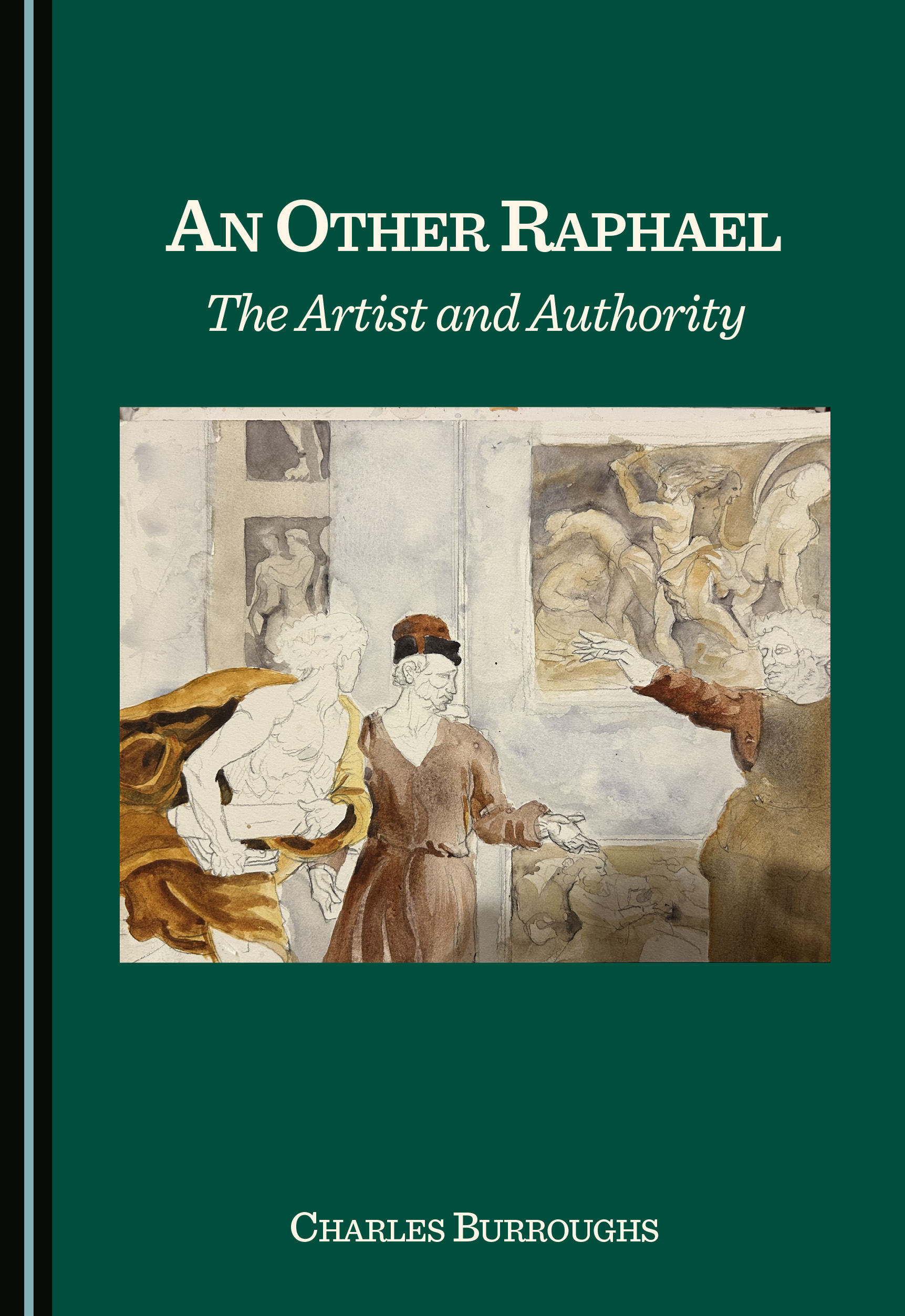
In the study of Pope Julius II, the famous Renaissance artist Raphael (1483-1520) began his Roman career c.1509 with frescoes celebrating four major fields of knowledge (Theology, Philosophy, Poetry, and Law). In his assembly of philosophers, the “School of Athens,” an image of apparent cosmic and philosophical harmony, Raphael included little-noticed motifs of discord, even disruption, in juxtapositions that are echoed throughout his career. The erudition evident in this and related frescoes suggests personal engagement with classical texts, not least for the mechanics of composition in the rhetorical tradition and for authors’ reflections on their craft and situation. The diversity of means of expression within Raphael’s works recurs throughout his career, in which he crossed professional, social, and medial boundaries, from painting on walls to prints on paper. Notably, his late explorations in grotesque decoration embody his typical inventive flair while marking continuity with his earlier expressions of an aesthetics of fragmentation and combination.