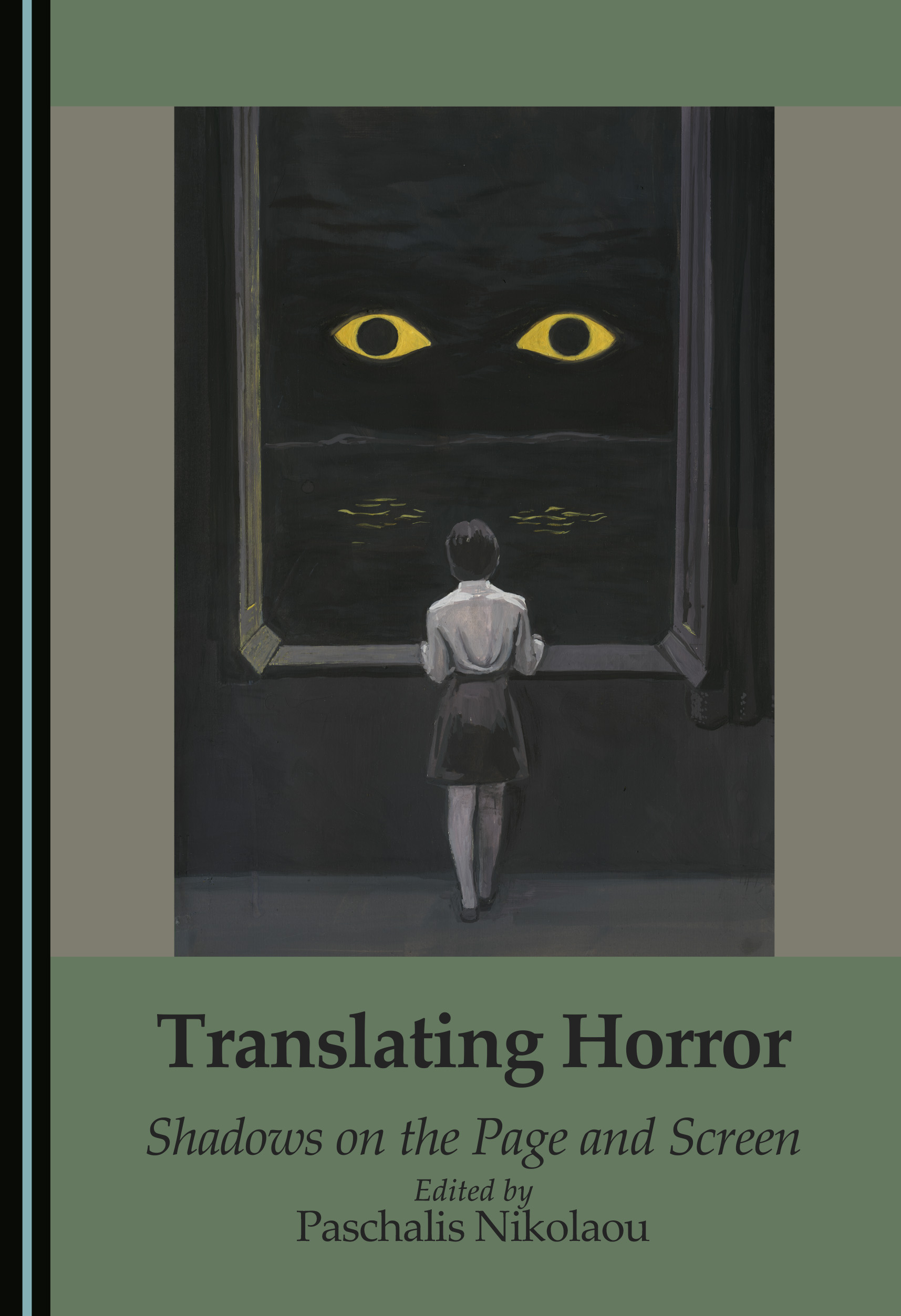
This collection of essays highlights the varied receptions of horror as a genre, examining a prolific, and constantly evolving, dialogue of literary and cinematic traditions. Specific challenges in translating key authors such as H. P. Lovecraft and Stephen King are considered, alongside aspects of audiovisual translation relating to horror—but also ways in which processes or framing devices of translation may participate in self-aware, multimodal storytelling whereby conventions and forms are updated. Contributors discern the genre’s characteristic porosity that often sees translators work with originals that recycle enduring plots and supernatural figures or cater for younger ages; likewise, the writing, filming and translating of dark narratives regularly combine with practices of adaptation. Of interest to researchers in literary and translation studies, this volume probes the permeable boundaries between originals and their disseminations on the page or the screen, with essays that often help register how translation can be part of the telling, and retelling, of horror.