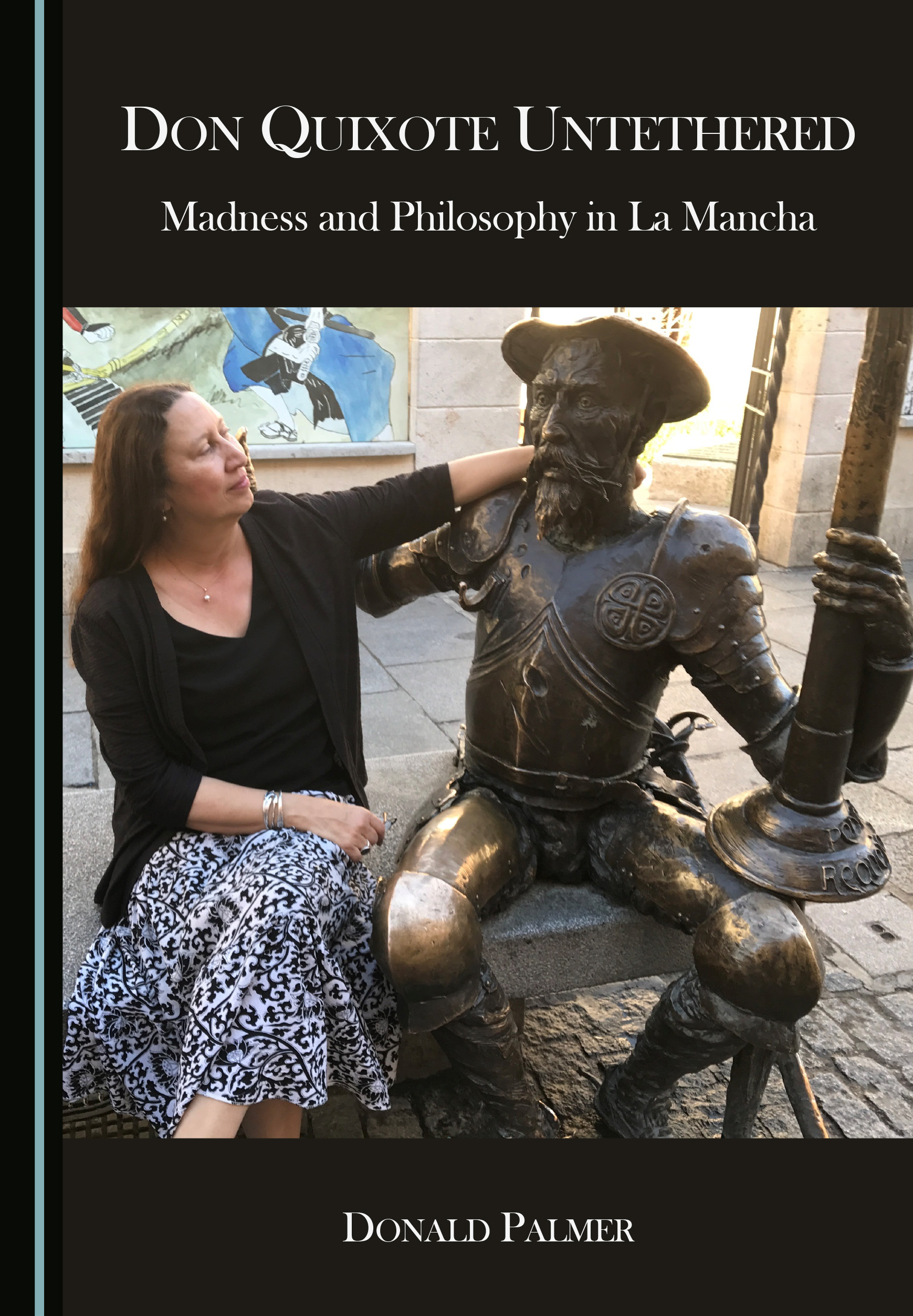
This book claims that Cervantes’s Don Quixote is one of the earliest baroque masterpieces. The author sides with those recent historians who have concluded that the roots of our own modernism and postmodernism are deeply baroque. The book acknowledges that the Baroque is not merely an art form but becomes a cultural mode whose artistic products force the observers of paintings or theater, or readers of fiction to become complicit in the questionable moral and political activity of the period. In Cervantes’ day, early seventeenth century, this is one of the ways that the general population was politically manipulated. The author also deals with other “heroes” of the century, such as Descartes, Velázquez, and Hobbes. Cervantes’s genius is to participate fully in the Baroque while criticizing and undermining it at the same time. Our mad knight does all this and more. We have seen Don Quixote, and he is us.