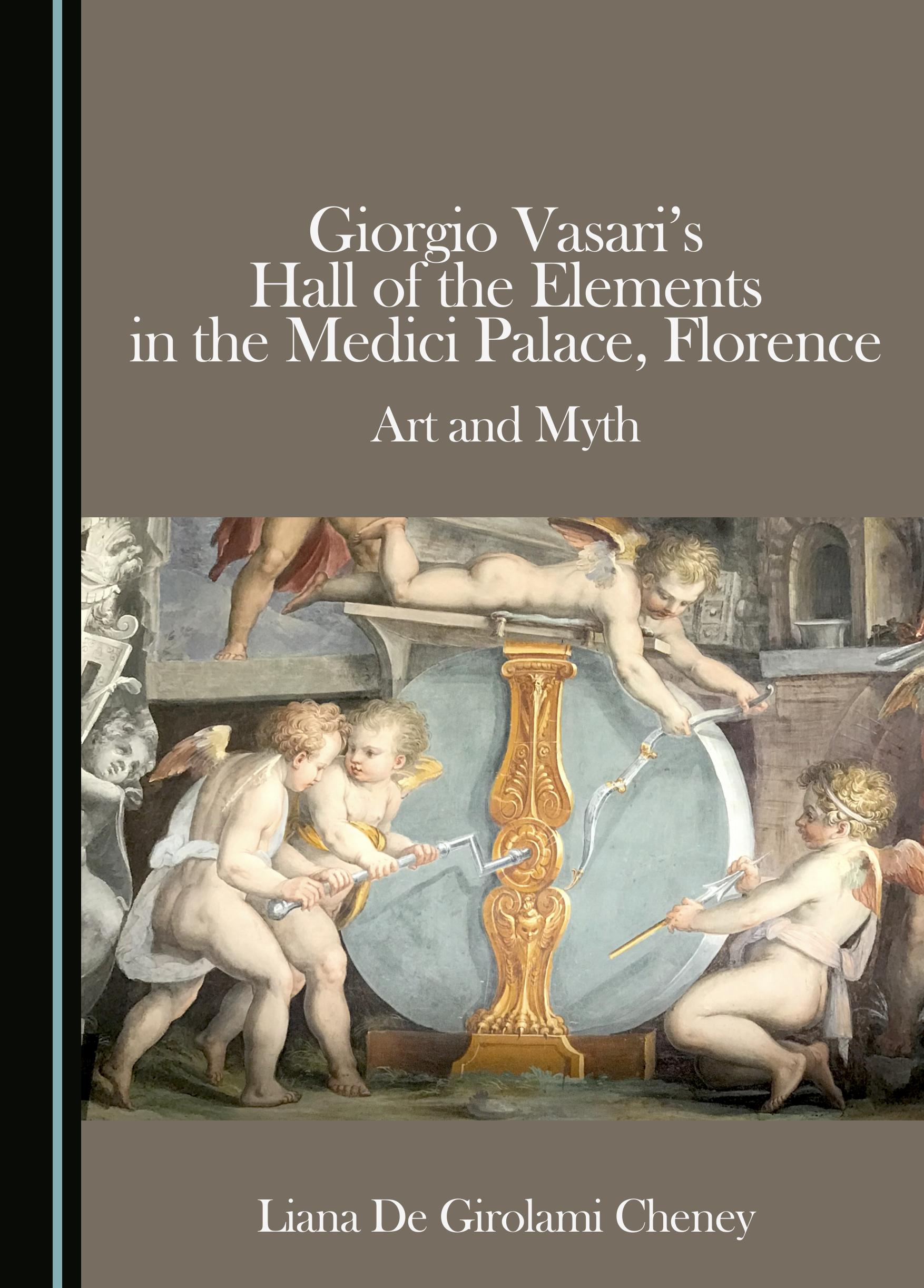
This volume examines the emblematic, historical, and mythological themes evident in Giorgio Vasari’s Hall of the Elements paintings, which functioned as the reception room of the Medici Apartments within the Florentine Palazzo Vecchio. In conjunction with the conventions of the decorative cycle, it analyzes Vasari’s significant contribution to establishing the history painting genre, achieving a balance between a camera picta and a camera intellecta, thereby fostering a cosmological narrative within a mythological frame. Furthermore, the book evaluates how Vasari incorporated classical Antiquity into his symbolic context. It also explores the intricate relationship between patronage and culture—specifically, the dynamic between the ruler and the artist—considered a humanistic endeavor during Italian Mannerism.
This pioneering book introduces the “feminine,” a dimension of film not reducible to women’s experience. Exploring this Jungian concept through movies spanning seven decades, it enhances the appreciation of film as a depth psychological medium.