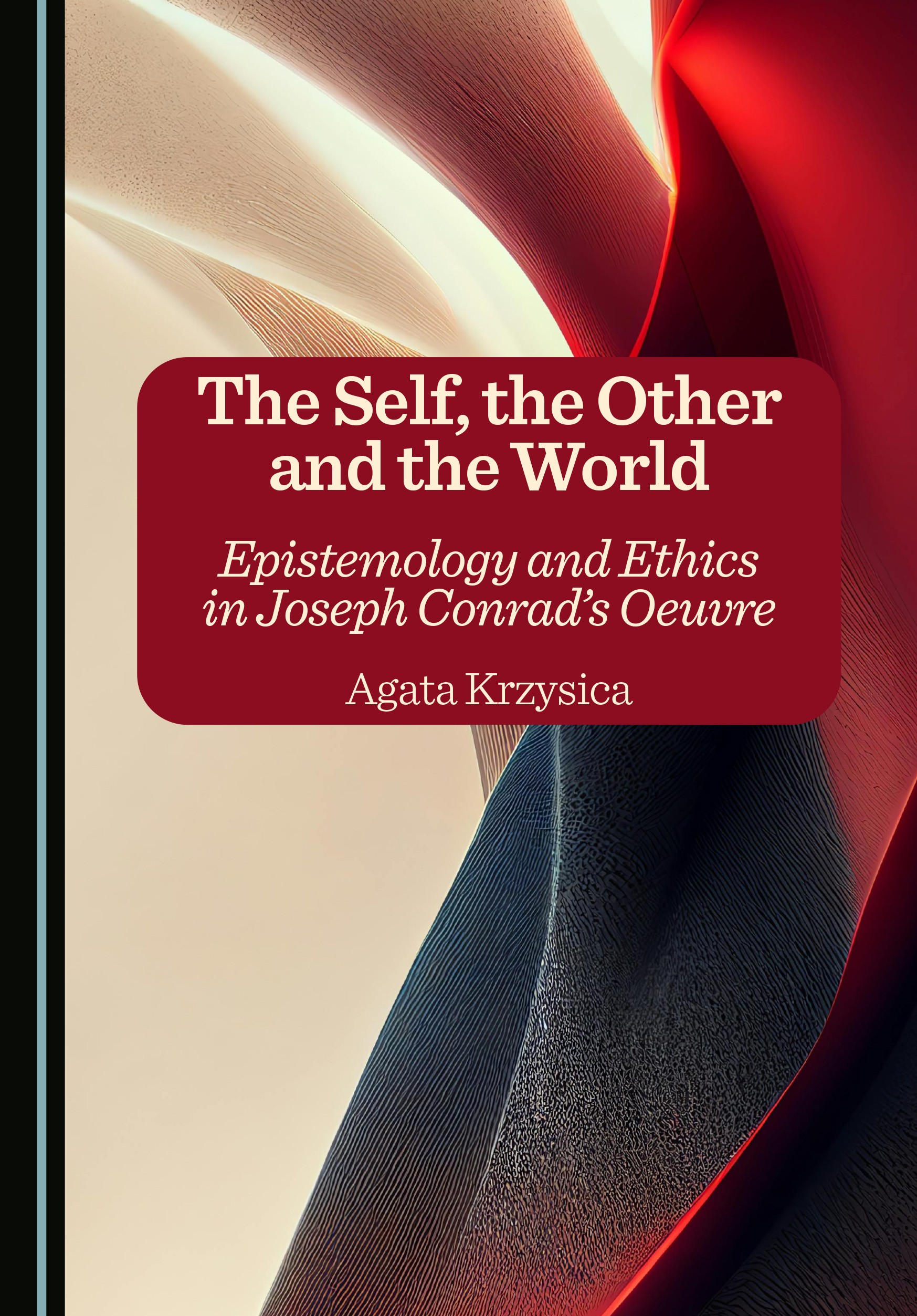
This book examines six major first-person narratives by Joseph Conrad (1857-1924) with particular reference to the issue of the protagonists’ confrontation with three kinds of alterity, that is the self in the face of self-deception and limited self-knowledge; the ultimately unknowable other person; and the external world–nature, mortality, cruel fate, the inexorable forces of history or the general sense of the hostility of the universe. Rather than focus solely on Conrad’s transnationality, his philosophical outlook or the often-discussed epistemological uncertainties of his worldview and writing, this inter-disciplinary study includes the first monographic discussion on the direct and close connection between Conradian ethics and epistemology as read, where applicable, through the prism of the thought of Emmanuel Levinas (1906-1995). Aimed at Conrad readers and Modernist literature scholars and students, this book demonstrates the convergence between the Conradian vision of community that determines moral growth and Levinasian ethics in which the meeting with the Other determines self-knowledge.