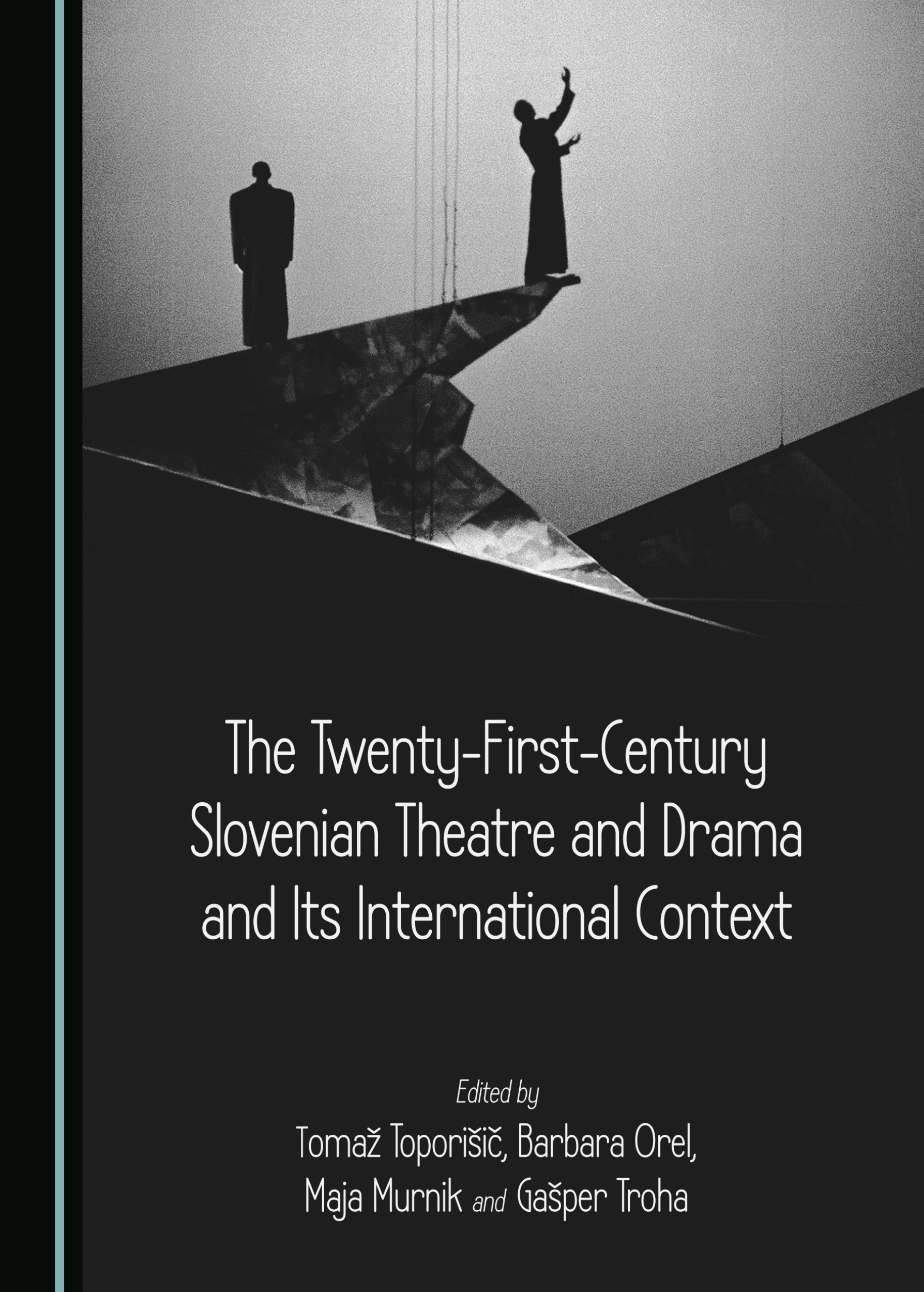
This collection of essays brings in-depth research on the development of Slovenian performing arts in the last two decades, positioning it within the larger European theatre context. Through comparative case studies, the authors show the influence of postdramatic theatre and no-longer-dramatic playwriting and analyse the centre-periphery relationship, drawing heavily on the notion of the polycentric development of art. The essays show how Slovenian theatre redefined its social role after the fall of the Berlin Wall, turning to new themes, such as critiques of neo-liberal capitalism, the migrant crisis, social injustice, sexuality and ethics, in order to reconnect to its audience in Slovenia and abroad. Contemporary Slovenian theatre—with theatre creators like Tomaž Pandur, Dragan Živadinov, Mateja Koležnik, Tomi Janežič, Jernej Lorenci, Simona Semenič, Sebastijan Horvat, Oliver Frljić, Žiga Divjak and Katarina Morano—is undoubtedly a significant part of the European theatre scene and this book is the first to comprehensively present it to the English-speaking audience.