

Skepticism, Causality and Skepticism about Causality (Volume 10
Proceedings of the Society for Medieval Logic and Metaphysics)
This volume studies causality and skepticism from medieval to modern philosophy. Essays contrast Aquinas’s idea of a first mover with Hume’s account of successive events, re-evaluating the Aristotelian paradigm against modern science and Cartesian skepticism.
This volume studies causality and skepticism from medieval to modern philosophy. Essays contrast Aquinas’s idea of a first mover with Hume’s account of successive events, re-evaluating the Aristotelian paradigm against modern science and Cartesian skepticism.
View more
This product has multiple variants. The options may be chosen on the product page
£34.99
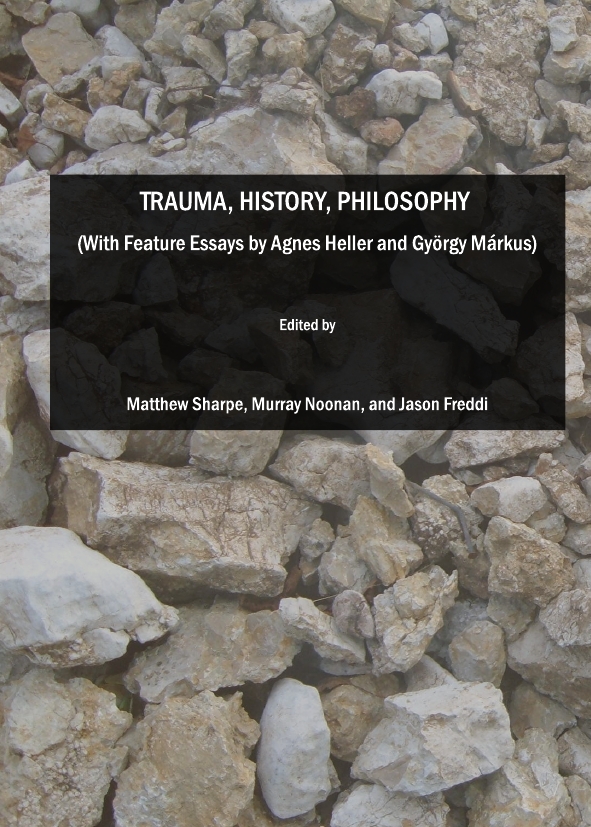
In an age of terror, this essay collection explores trauma's renewed relevance, examining 9/11, the Shoah, and tyranny through the thought of Derrida, Zizek, Lacan, and Freud.
In an age of terror, this essay collection explores trauma’s renewed relevance, examining 9/11, the Shoah, and tyranny through the thought of Derrida, Zizek, Lacan, and Freud.
View more
This product has multiple variants. The options may be chosen on the product page
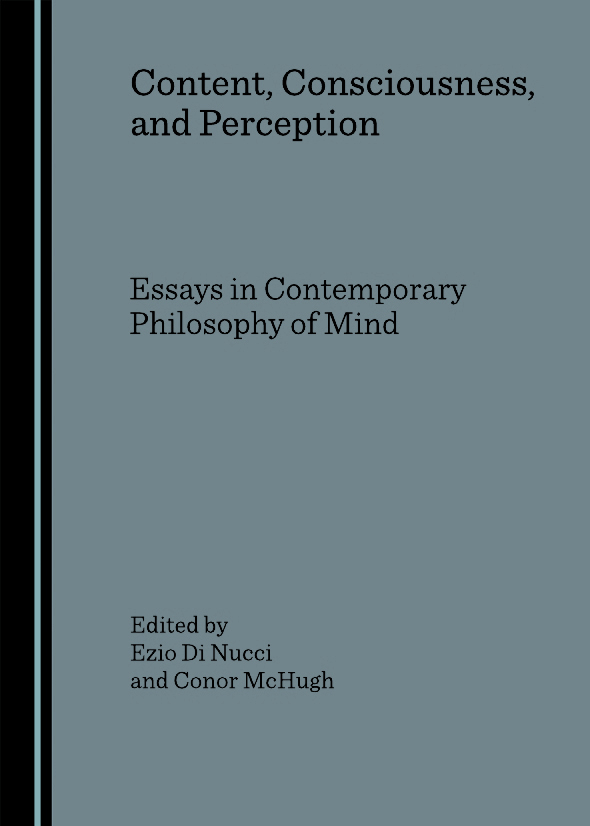
Content, Consciousness, and Perception
Essays in Contemporary Philosophy of Mind
What sort of thing is the mind? This collection of eleven new essays by today's most promising philosophers explores mental content, consciousness, and perception, offering a state-of-the-art overview ideal for students and specialists alike.
What sort of thing is the mind? This collection of eleven new essays by today’s most promising philosophers explores mental content, consciousness, and perception, offering a state-of-the-art overview ideal for students and specialists alike.
View more
This product has multiple variants. The options may be chosen on the product page
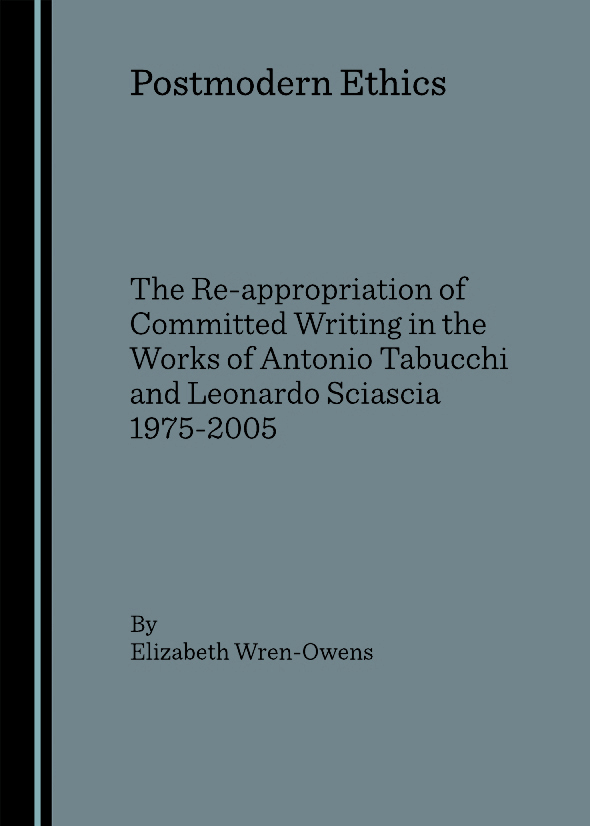
Postmodern Ethics
The Re-appropriation of Committed Writing in the Works of Antonio Tabucchi and Leonardo Sciascia 1975-2005
Postmodern Ethics offers a new reading of Leonardo Sciascia and Antonio Tabucchi. It argues that in a climate of postmodern doubt, the writers embraced the absence of fixed truths to forge a new kind of socio-political engagement through literature.
Postmodern Ethics offers a new reading of Leonardo Sciascia and Antonio Tabucchi. It argues that in a climate of postmodern doubt, the writers embraced the absence of fixed truths to forge a new kind of socio-political engagement through literature.
View more
This product has multiple variants. The options may be chosen on the product page
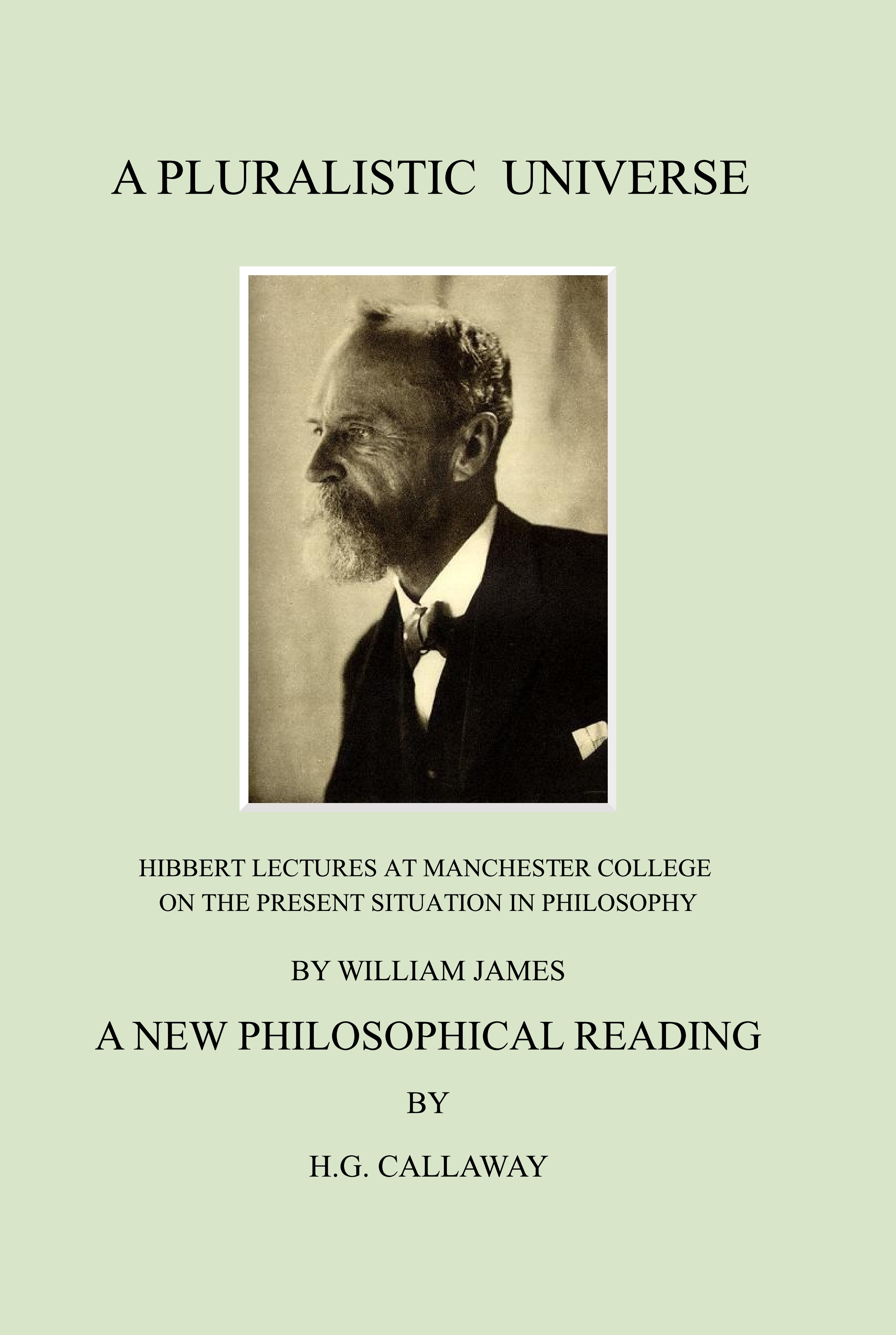
A Pluralistic Universe
Hibbert Lectures at Manchester College on the Present Situation in Philosophy, by William James; A New Philosophical Reading
This new edition of William James’s classic, A Pluralistic Universe, critiques monism and explores philosophical alternatives. Featuring a new introduction and annotations, it casts light on James's legacy and its relevance to contemporary American society.
This new edition of William James’s classic, A Pluralistic Universe, critiques monism and explores philosophical alternatives. Featuring a new introduction and annotations, it casts light on James’s legacy and its relevance to contemporary American society.
View more
This product has multiple variants. The options may be chosen on the product page
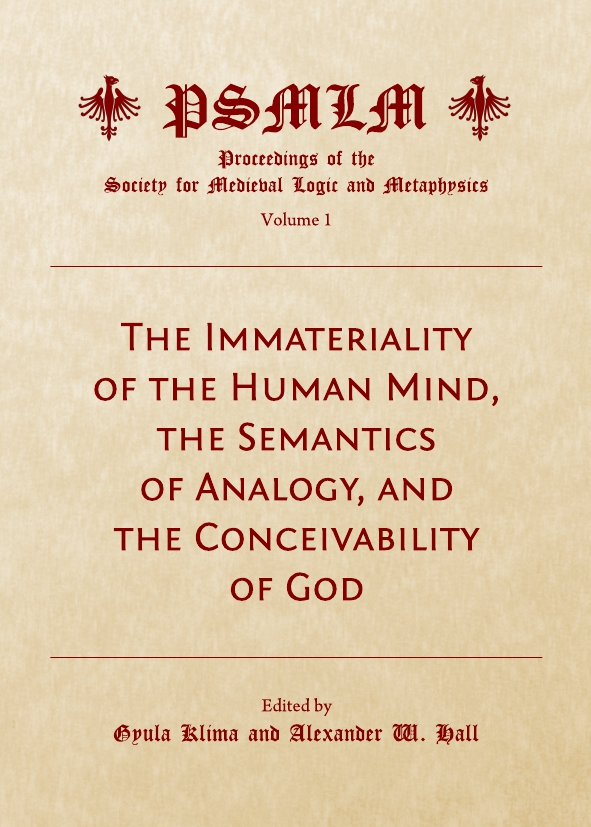
The Immateriality of the Human Mind, the Semantics of Analogy, and the Conceivability of God (Volume 1
Proceedings of the Society for Medieval Logic and Metaphysics)
Experts in medieval philosophy consider the nature of God and the soul. They explore Anselm’s proof for God’s existence, Aquinas and Buridan on the immateriality of the mind, and Cajetan on how we can speak of the divine essence.
Experts in medieval philosophy consider the nature of God and the soul. They explore Anselm’s proof for God’s existence, Aquinas and Buridan on the immateriality of the mind, and Cajetan on how we can speak of the divine essence.
View more
This product has multiple variants. The options may be chosen on the product page
£34.99
This book responds to pressing environmental issues by exploring ethics, evolution, and creation. Prominent philosophers critique the work of Professor Robin Attfield, who in turn provides a clear and thorough response to each challenge.
This book responds to pressing environmental issues by exploring ethics, evolution, and creation. Prominent philosophers critique the work of Professor Robin Attfield, who in turn provides a clear and thorough response to each challenge.
View more
This product has multiple variants. The options may be chosen on the product page

£34.99
This book explores human relationships from the perspective of phenomenology. More than an abstract academic work, it is essential for those interested in ethics and political philosophy, offering new ways to articulate humanism and justice for scholars and policymakers.
This book explores human relationships from the perspective of phenomenology. More than an abstract academic work, it is essential for those interested in ethics and political philosophy, offering new ways to articulate humanism and justice for scholars and policymakers.
View more
This product has multiple variants. The options may be chosen on the product page
From Plato’s Cave to the Multiplex
Contemporary Philosophy and Film
This rich collection of articles explores the productive interaction between philosophy and film. The pieces offer philosophical analyses of specific films and the cinematic medium, revealing surprising connections and provoking philosophical reflection.
This rich collection of articles explores the productive interaction between philosophy and film. The pieces offer philosophical analyses of specific films and the cinematic medium, revealing surprising connections and provoking philosophical reflection.
View more
This product has multiple variants. The options may be chosen on the product page
£34.99
The essays in this volume discuss philosophical theories of mind from the early-modern period, a time unparalleled for originality. Featuring the best contemporary research, these all-new essays examine Descartes, Spinoza, Locke, Berkeley, and others.
The essays in this volume discuss philosophical theories of mind from the early-modern period, a time unparalleled for originality. Featuring the best contemporary research, these all-new essays examine Descartes, Spinoza, Locke, Berkeley, and others.
View more
This product has multiple variants. The options may be chosen on the product page
“Revelations of Character”
Ethos, Rhetoric and Moral Philosophy in Montaigne
In the Essais, Montaigne weighs ancient rhetorical and ethical theories as he develops his own paradoxical and dynamic notion of ethos. This collection of essays explores the ramifications of his quest for more human and humane modes of expression.
In the Essais, Montaigne weighs ancient rhetorical and ethical theories as he develops his own paradoxical and dynamic notion of ethos. This collection of essays explores the ramifications of his quest for more human and humane modes of expression.
View more
This product has multiple variants. The options may be chosen on the product page
Socrates
Reason or Unreason as the Foundation of European Identity
Socrates made human questions central to rational inquiry, a foundation for European identity. But this view has been challenged by history, faith, and art. Can Socratic philosophy survive these critiques and still sustain political life?
Socrates made human questions central to rational inquiry, a foundation for European identity. But this view has been challenged by history, faith, and art. Can Socratic philosophy survive these critiques and still sustain political life?
View more
This product has multiple variants. The options may be chosen on the product page
Meaning without Analyticity
Essays on Logic, Language and Meaning
This book explores a non-behavioristic theory of meaning, rejecting the analytic-synthetic distinction. It answers challenges from the revival of pragmatism by bringing it into contact with analytic philosophy, where Frege and Quine meet Peirce, James, and Dewey.
This book explores a non-behavioristic theory of meaning, rejecting the analytic-synthetic distinction. It answers challenges from the revival of pragmatism by bringing it into contact with analytic philosophy, where Frege and Quine meet Peirce, James, and Dewey.
View more
This product has multiple variants. The options may be chosen on the product page
£34.99
This book identifies a third problem of evil: epistemic evil. It arises when our judgments, through no corrigible defect, lead to undeserved human suffering. Tierno forcefully defends this problem, a groundbreaking challenge to theodicy.
This book identifies a third problem of evil: epistemic evil. It arises when our judgments, through no corrigible defect, lead to undeserved human suffering. Tierno forcefully defends this problem, a groundbreaking challenge to theodicy.
View more
This product has multiple variants. The options may be chosen on the product page
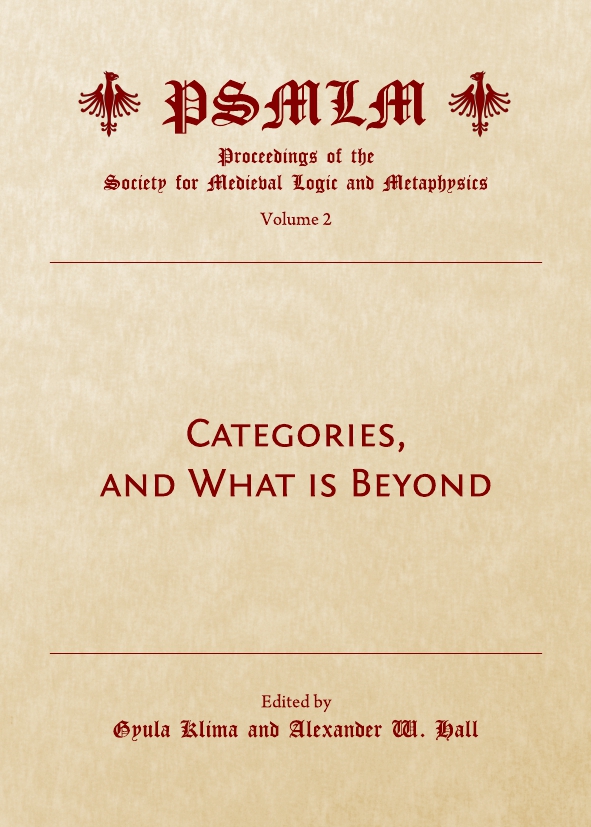
Categories, and What Is Beyond (Volume 2
Proceedings of the Society for Medieval Logic and Metaphysics)
Drawing on late antiquity and the middle ages, these essays study what types of things exist, the accuracy of our knowledge, the semantics of analogy, and how these considerations bear on our ability to learn and speak of God.
Drawing on late antiquity and the middle ages, these essays study what types of things exist, the accuracy of our knowledge, the semantics of analogy, and how these considerations bear on our ability to learn and speak of God.
View more
This product has multiple variants. The options may be chosen on the product page
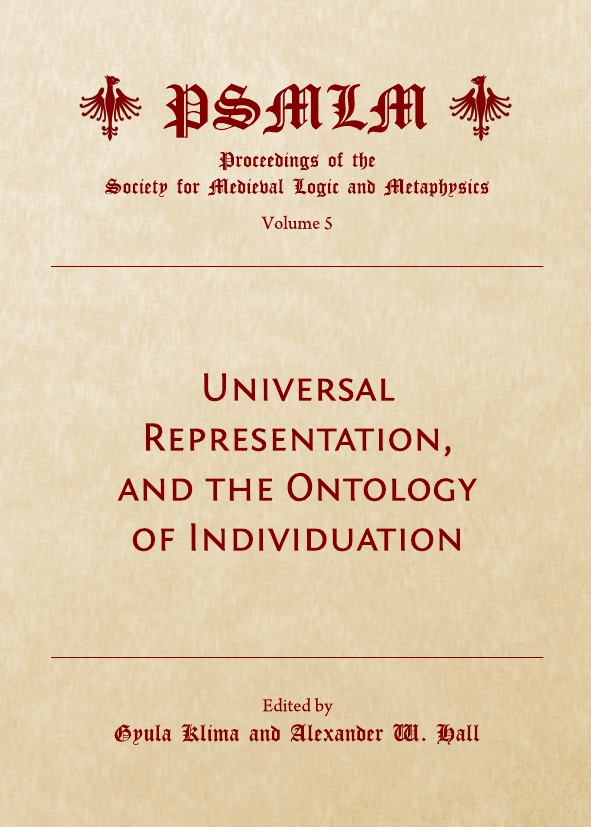
Universal Representation, and the Ontology of Individuation (Volume 5
Proceedings of the Society for Medieval Logic and Metaphysics)
These essays explore ceaseless medieval debates on how we conceive things and the nature of individuation. They consider the metaphysics of universal representation in thinkers from Avicenna and Aquinas to Duns Scotus and Ockham.
These essays explore ceaseless medieval debates on how we conceive things and the nature of individuation. They consider the metaphysics of universal representation in thinkers from Avicenna and Aquinas to Duns Scotus and Ockham.
View more
This product has multiple variants. The options may be chosen on the product page
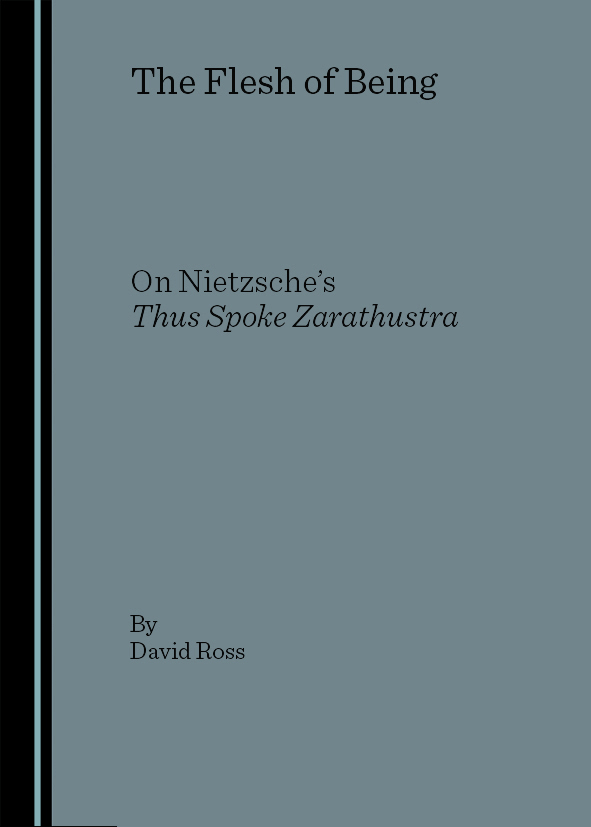
The Flesh of Being
On Nietzsche's Thus Spoke Zarathustra
This text is a conversation with Friedrich Nietzsche’s Thus Spoke Zarathustra. It is not about Nietzsche, but what it is for someone to read his text, a book for everyone and no one. The text is what the reader has to write through the reading.
This text is a conversation with Friedrich Nietzsche’s Thus Spoke Zarathustra. It is not about Nietzsche, but what it is for someone to read his text, a book for everyone and no one. The text is what the reader has to write through the reading.
View more
This product has multiple variants. The options may be chosen on the product page
£34.99
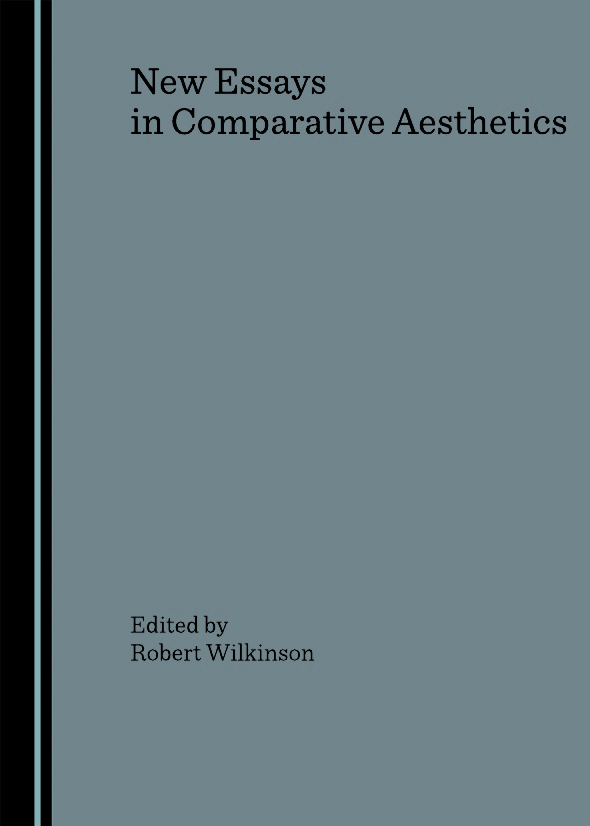
New essays by leading scholars explore how different cultures conceive of art and beauty. Discover how Buddhist, Confucian, and Upanişadic thought shape aesthetics in the East, revealing deep cultural differences and similarities with the West.
New essays by leading scholars explore how different cultures conceive of art and beauty. Discover how Buddhist, Confucian, and Upanişadic thought shape aesthetics in the East, revealing deep cultural differences and similarities with the West.
View more
This product has multiple variants. The options may be chosen on the product page
£34.99
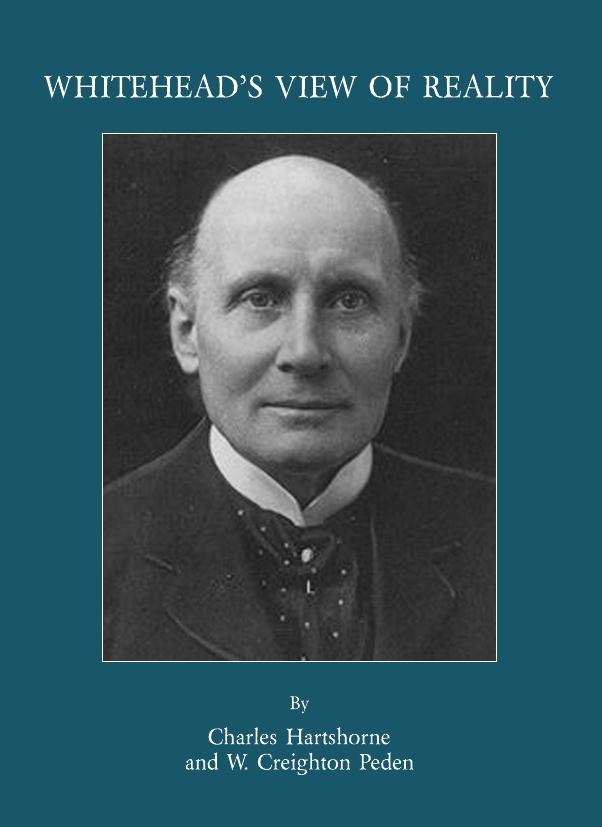
An assistant for students of Alfred North Whitehead’s Process and Reality. This volume places Whitehead in historical context, presents an exposition of his philosophy, and explores his influential doctrine of God in comparison with traditional Christian thought.
An assistant for students of Alfred North Whitehead’s Process and Reality. This volume places Whitehead in historical context, presents an exposition of his philosophy, and explores his influential doctrine of God in comparison with traditional Christian thought.
View more
This product has multiple variants. The options may be chosen on the product page
£34.99
This book of political philosophy argues that libertarianism provides more efficient decision-making than any other political order. It links this idea to the theory of knowledge, revealing the connection between how we know and how we are governed.
This book of political philosophy argues that libertarianism provides more efficient decision-making than any other political order. It links this idea to the theory of knowledge, revealing the connection between how we know and how we are governed.
View more
This product has multiple variants. The options may be chosen on the product page
Processing Your Order
Please wait while we securely process your order.
Do not refresh or leave this page.
You will be redirected shortly to a confirmation page with your order number.