
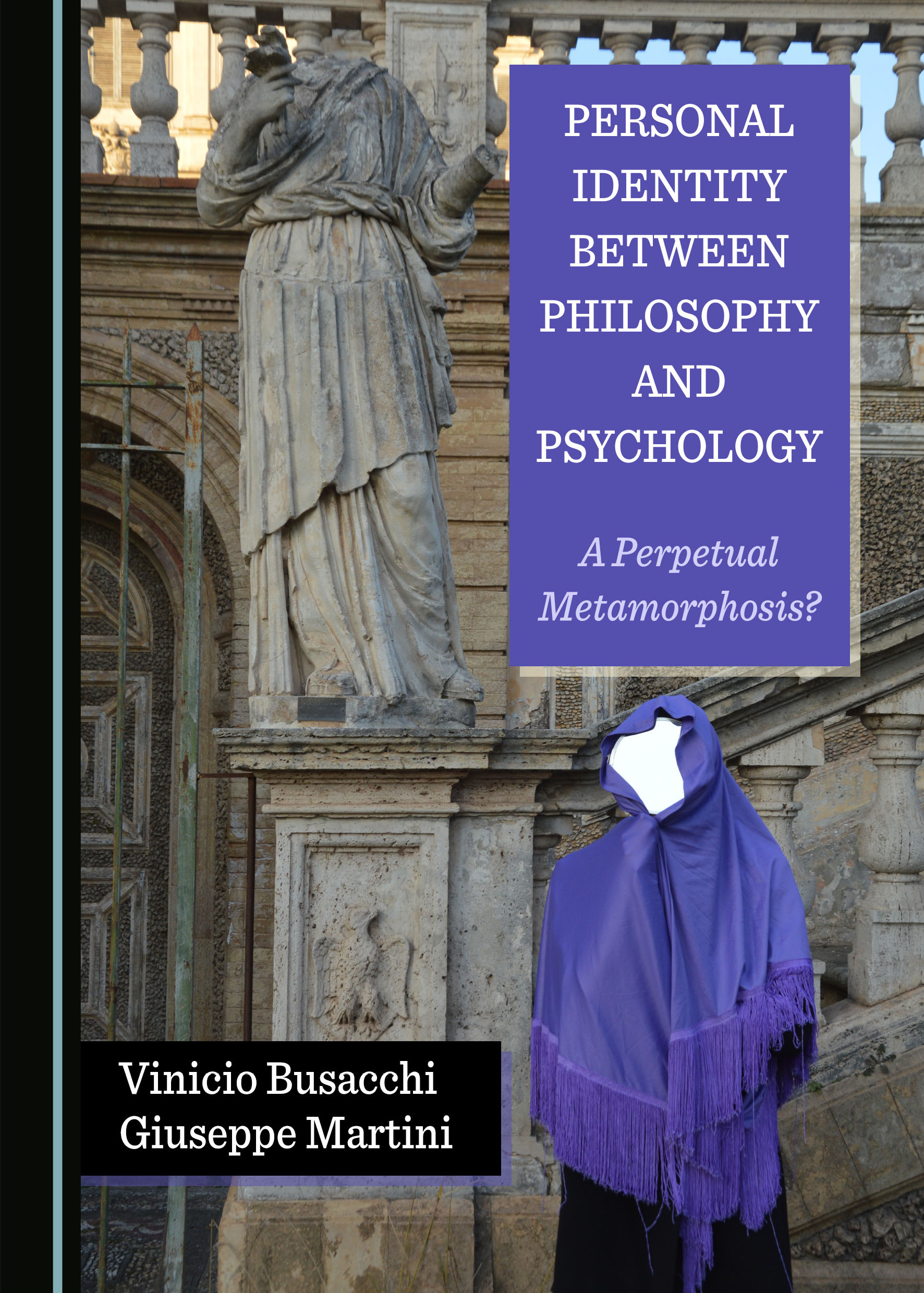
Personal Identity between Philosophy and Psychology
A Perpetual Metamorphosis?
What is personal identity? What makes a person an individual? This book analyses these questions from the dialectical perspective of psychoanalysis, psychiatry, and philosophy. It offers a new point of departure and a dynamic vision of identity.
What is personal identity? What makes a person an individual? This book analyses these questions from the dialectical perspective of psychoanalysis, psychiatry, and philosophy. It offers a new point of departure and a dynamic vision of identity.
View more
This product has multiple variants. The options may be chosen on the product page
£41.99
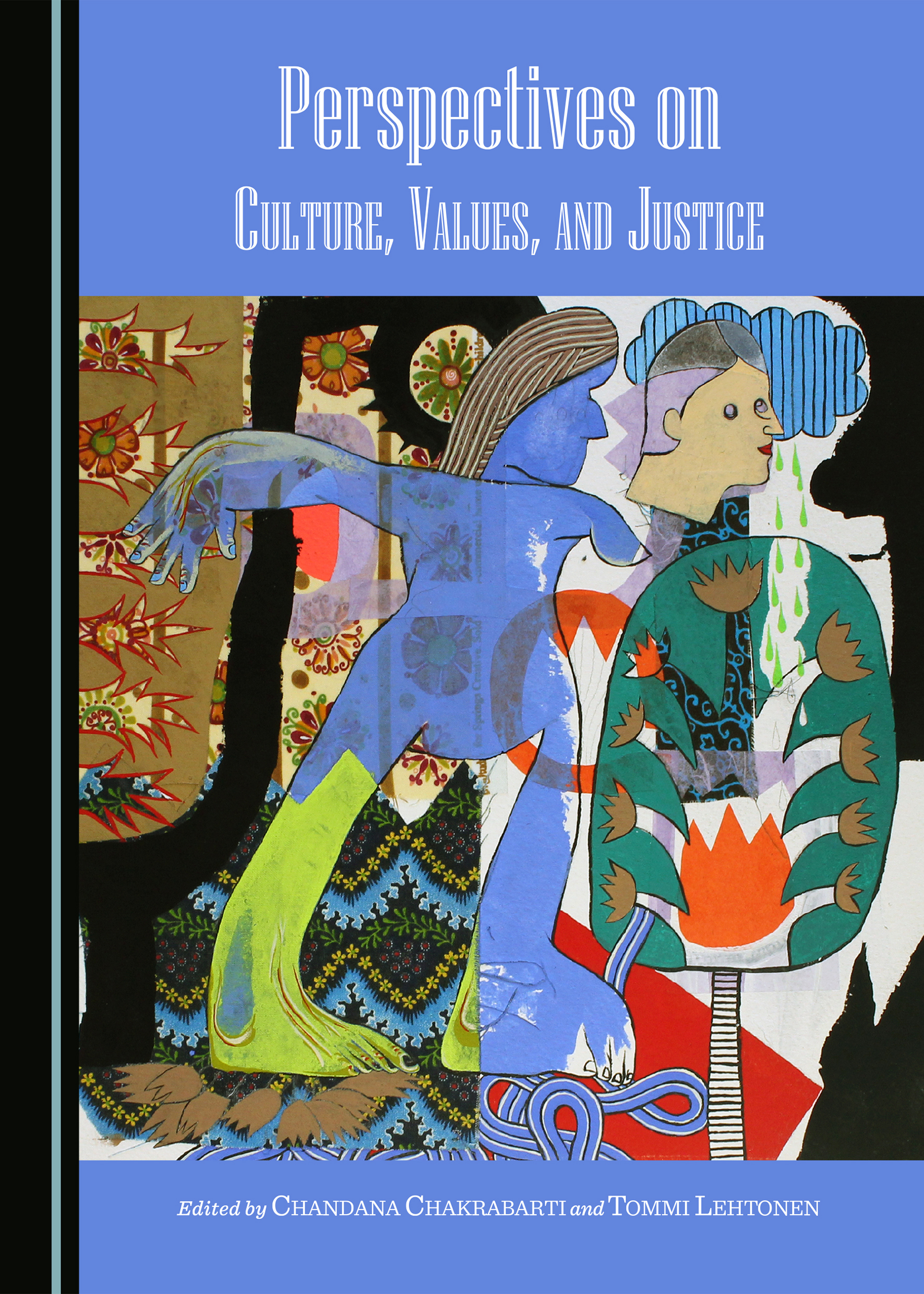
This book explores justice, ethics, and intercultural learning, arguing that cultural diversity is as critical for humankind as biodiversity is for nature. Adopting a pluralistic approach, readers will gain a greater understanding of culture, values, and identity.
This book explores justice, ethics, and intercultural learning, arguing that cultural diversity is as critical for humankind as biodiversity is for nature. Adopting a pluralistic approach, readers will gain a greater understanding of culture, values, and identity.
View more
This product has multiple variants. The options may be chosen on the product page
From £32.99
This volume addresses phenomenology’s overlooked insights on values, exploring the phenomenology of intersubjectivity. It is distinct for its focus on the ethical and existential dimension, covering thinkers from Husserl and Heidegger to Levinas.
This volume addresses phenomenology’s overlooked insights on values, exploring the phenomenology of intersubjectivity. It is distinct for its focus on the ethical and existential dimension, covering thinkers from Husserl and Heidegger to Levinas.
View more
This product has multiple variants. The options may be chosen on the product page
From £32.99
Countering claims of decadence, this book argues that turn-of-the-century art was energized by a search for meaningful form grounded in psychology. It connects key thinkers to modernists like T. S. Eliot and James Joyce, redefining literary genre through this new lens.
Countering claims of decadence, this book argues that turn-of-the-century art was energized by a search for meaningful form grounded in psychology. It connects key thinkers to modernists like T. S. Eliot and James Joyce, redefining literary genre through this new lens.
View more
This product has multiple variants. The options may be chosen on the product page
£39.99
This analysis of values within Husserlian phenomenology describes our experience of intersubjective values and explores ethics as a practical matter, offering a third phenomenological way beyond the common positivistic and deontological dichotomy.
This analysis of values within Husserlian phenomenology describes our experience of intersubjective values and explores ethics as a practical matter, offering a third phenomenological way beyond the common positivistic and deontological dichotomy.
View more
This product has multiple variants. The options may be chosen on the product page
£47.99
A collection of essays by international scholars on pluralism and other key concepts for understanding our complex contemporary world. These contributions provide a philosophical analysis of the challenges confronting modern society, politics, and culture.
A collection of essays by international scholars on pluralism and other key concepts for understanding our complex contemporary world. These contributions provide a philosophical analysis of the challenges confronting modern society, politics, and culture.
View more
This product has multiple variants. The options may be chosen on the product page
From £39.99
These philosophical essays cover a wide range of historical and contemporary topics, from the work of thinkers like Parmenides and Wittgenstein to the nature of knowledge and belief. Written over a long career, they are models of philosophical investigation and argument.
These philosophical essays cover a wide range of historical and contemporary topics, from the work of thinkers like Parmenides and Wittgenstein to the nature of knowledge and belief. Written over a long career, they are models of philosophical investigation and argument.
View more
This product has multiple variants. The options may be chosen on the product page
Philosophical Imagination
Thought Experiments and Arguments in Antiquity
This book shows how ancient philosophers used thought experiments to convey theories and promote scientific knowledge. By analyzing historical examples like Plato’s Ring of Gyges, it provides new insights into how philosophical hypotheses helped promote scientific discovery.
This book shows how ancient philosophers used thought experiments to convey theories and promote scientific knowledge. By analyzing historical examples like Plato’s Ring of Gyges, it provides new insights into how philosophical hypotheses helped promote scientific discovery.
View more
This product has multiple variants. The options may be chosen on the product page
From £36.99
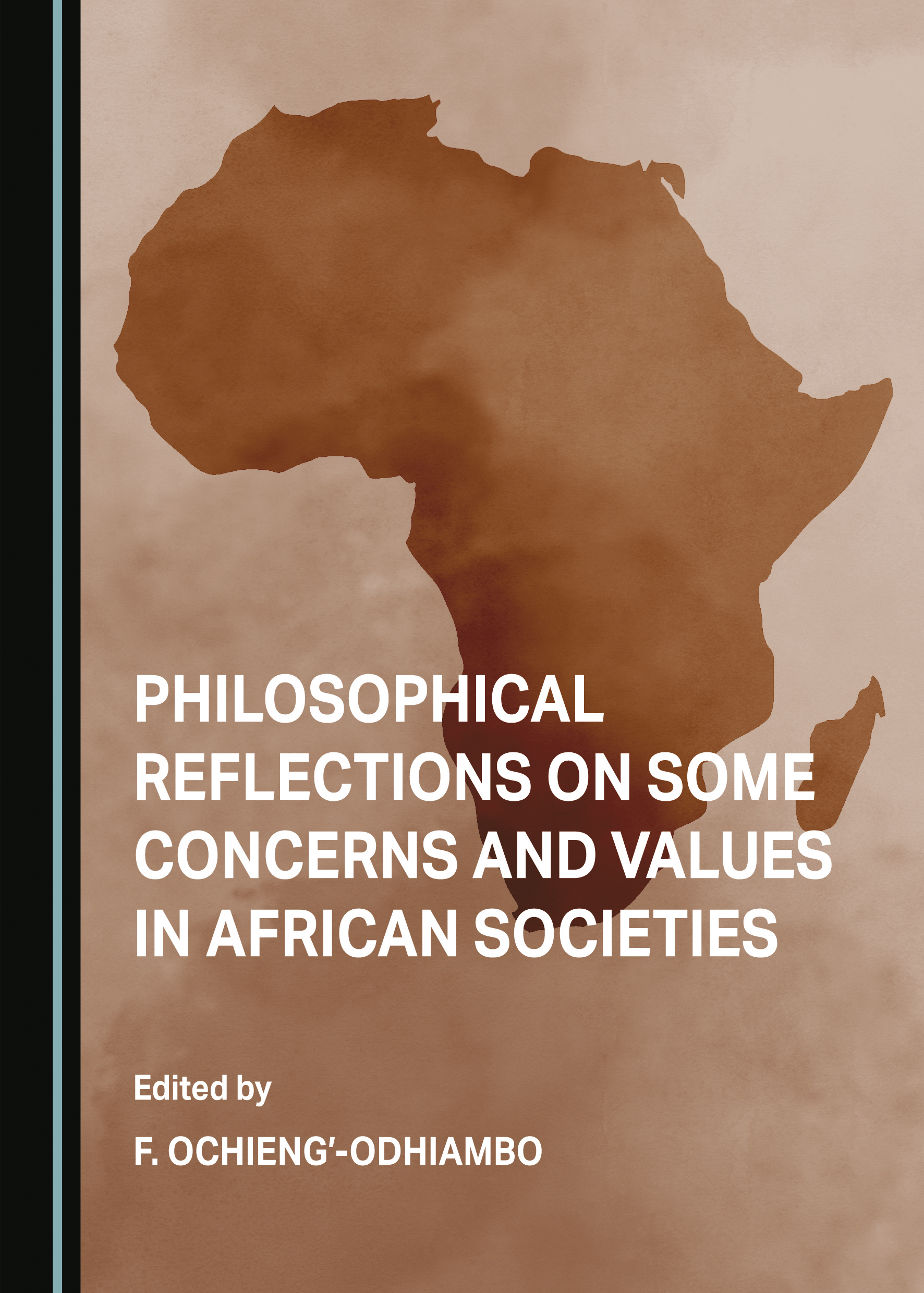
Africa continues to face harsh challenges as a result of colonialism. This volume addresses diverse social-political, moral, and developmental problems, arguing that while they arose from Africa’s encounter with the West, the solutions must be home-grown.
Africa continues to face harsh challenges as a result of colonialism. This volume addresses diverse social-political, moral, and developmental problems, arguing that while they arose from Africa’s encounter with the West, the solutions must be home-grown.
View more
This product has multiple variants. The options may be chosen on the product page
From £33.99
How can we live philosophically? Drawing on Nietzsche, Heidegger, and Plato, these essays probe life’s great questions through aesthetics, poetry, and existentialism. This challenging, interdisciplinary guide explores ethics, meaning, and philosophy as a way of life.
How can we live philosophically? Drawing on Nietzsche, Heidegger, and Plato, these essays probe life’s great questions through aesthetics, poetry, and existentialism. This challenging, interdisciplinary guide explores ethics, meaning, and philosophy as a way of life.
View more
This product has multiple variants. The options may be chosen on the product page

Philosophical-Political Hecate-isms
The Rule of Three
Proposing a new conceptual category in philosophical and political discourse resulting from the mechanisms of the rule of three, this publication will appeal to the wider academic community interested in political science, postmodern philosophy, and cultural studies.
Proposing a new conceptual category in philosophical and political discourse resulting from the mechanisms of the rule of three, this publication will appeal to the wider academic community interested in political science, postmodern philosophy, and cultural studies.
View more
This product has multiple variants. The options may be chosen on the product page
£49.99
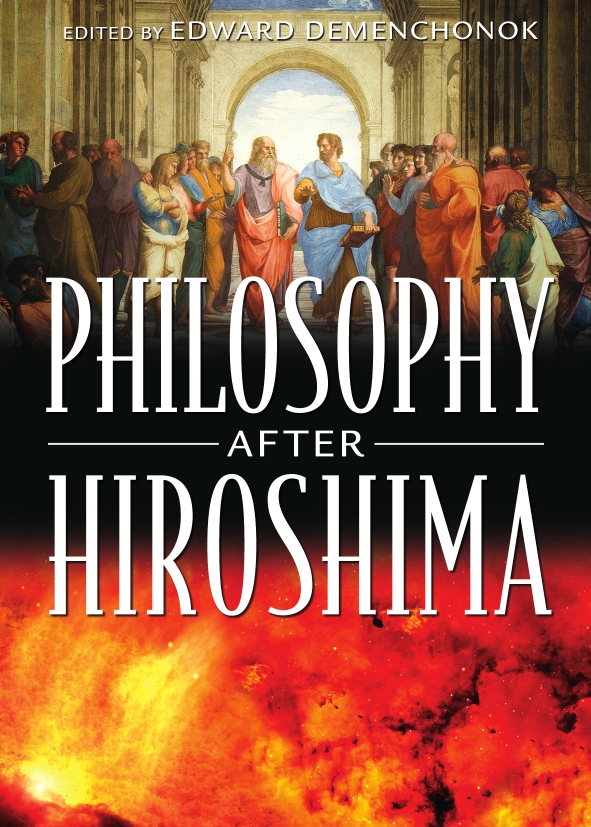
Recalling Hiroshima, this book offers a philosophical analysis of war and peace in the nuclear age. It addresses contemporary threats to humanity and shows the urgent relevance of nonviolence, arguing for a new, peace-promoting global dialogue.
Recalling Hiroshima, this book offers a philosophical analysis of war and peace in the nuclear age. It addresses contemporary threats to humanity and shows the urgent relevance of nonviolence, arguing for a new, peace-promoting global dialogue.
View more
This product has multiple variants. The options may be chosen on the product page
Philosophy and Human Revolution
Essays in Celebration of Daisaku Ikeda’s 90th Birthday
This book offers a philosophical study of Daisaku Ikeda. Not a religious analysis, it examines his intercultural work, which interfaces Japanese tradition with Western rationality. The author adopts an agnostic suspension to leave a place for philosophy and its arguments.
This book offers a philosophical study of Daisaku Ikeda. Not a religious analysis, it examines his intercultural work, which interfaces Japanese tradition with Western rationality. The author adopts an agnostic suspension to leave a place for philosophy and its arguments.
View more
This product has multiple variants. The options may be chosen on the product page
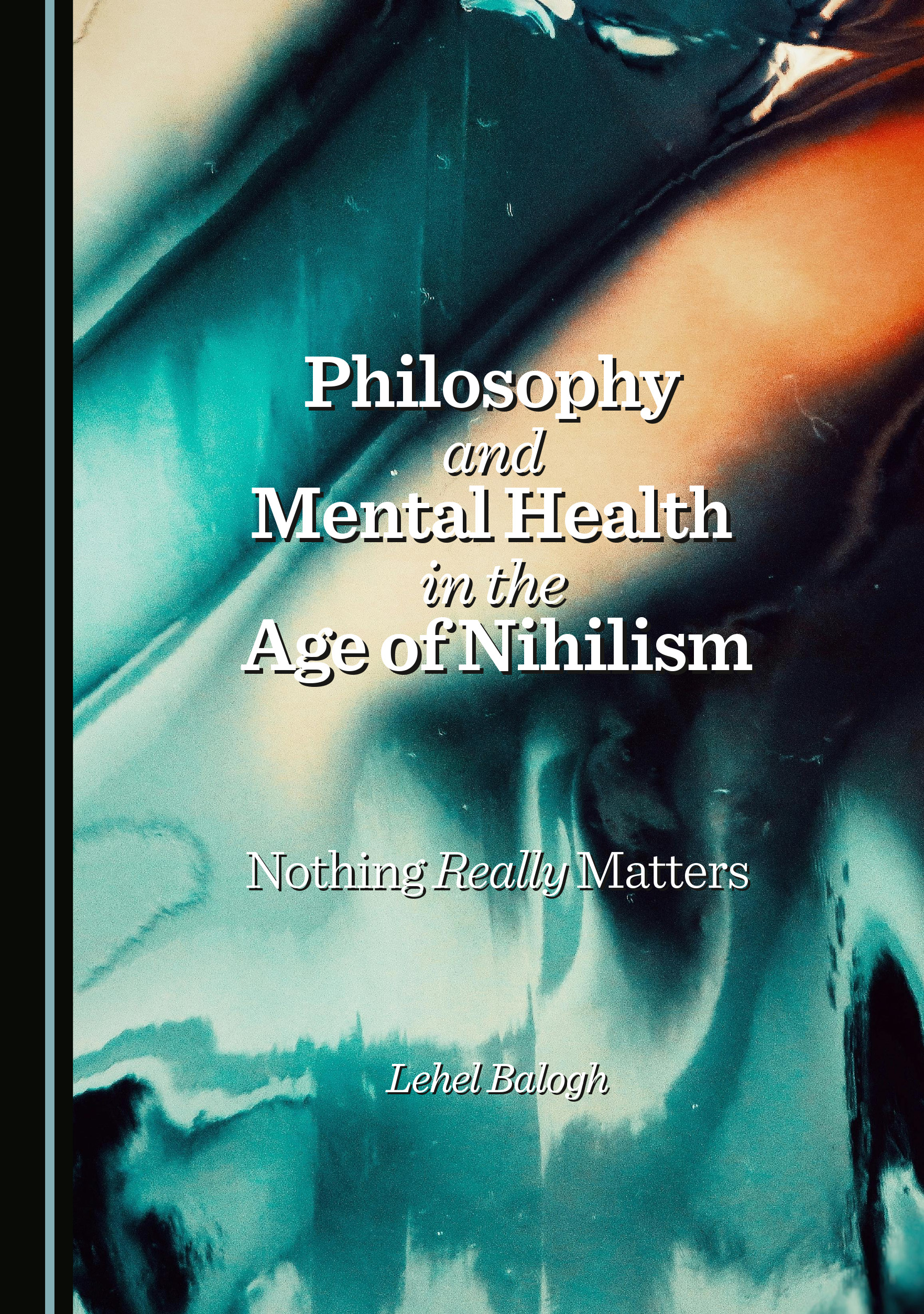
Philosophy and Mental Health in the Age of Nihilism
Nothing Really Matters
This book explores the interconnections of nihilism, anxiety, and authenticity in East Asian and Western philosophies, religions, and psychotherapies. An innovative, cross-cultural study, it re-examines Buddhist and Daoist concepts to argue for an authentic no-self.
This book explores the interconnections of nihilism, anxiety, and authenticity in East Asian and Western philosophies, religions, and psychotherapies. An innovative, cross-cultural study, it re-examines Buddhist and Daoist concepts to argue for an authentic no-self.
View more
This product has multiple variants. The options may be chosen on the product page
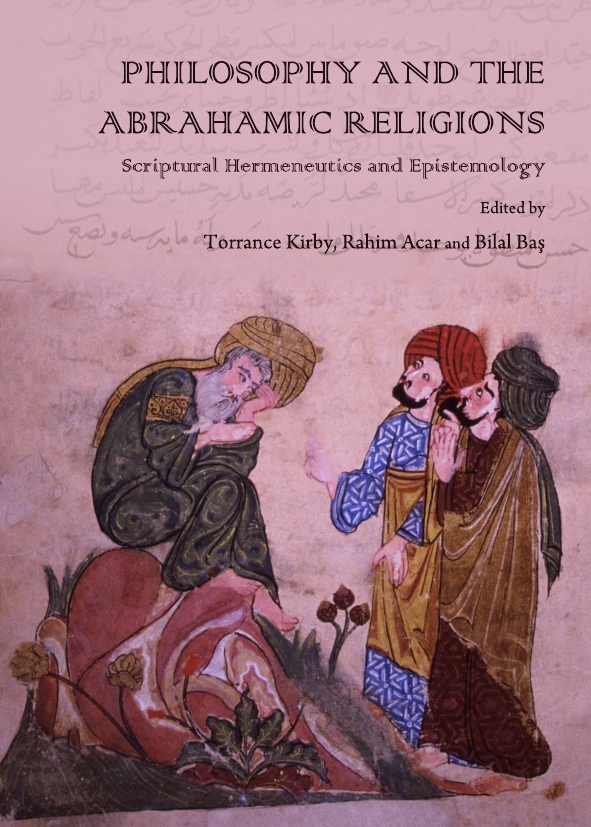
Philosophy and the Abrahamic Religions
Scriptural Hermeneutics and Epistemology
From Greco-Roman Antiquity, philosophy and religious thought were inseparably interwoven. These essays explore how the three Abrahamic religions interacted on the common ground of Greek philosophy, creating similar patterns of thought on crucial concepts.
From Greco-Roman Antiquity, philosophy and religious thought were inseparably interwoven. These essays explore how the three Abrahamic religions interacted on the common ground of Greek philosophy, creating similar patterns of thought on crucial concepts.
View more
This product has multiple variants. The options may be chosen on the product page
£39.99
A philosophical exploration of desire and the divine Ground of being through Eric Voegelin’s ‘flow of presence.’ Learn how anxiety impedes this flow and how living meditatively in the present can restore it, guided by Voegelin, Goethe, and Iris Murdoch.
A philosophical exploration of desire and the divine Ground of being through Eric Voegelin’s ‘flow of presence.’ Learn how anxiety impedes this flow and how living meditatively in the present can restore it, guided by Voegelin, Goethe, and Iris Murdoch.
View more
This product has multiple variants. The options may be chosen on the product page
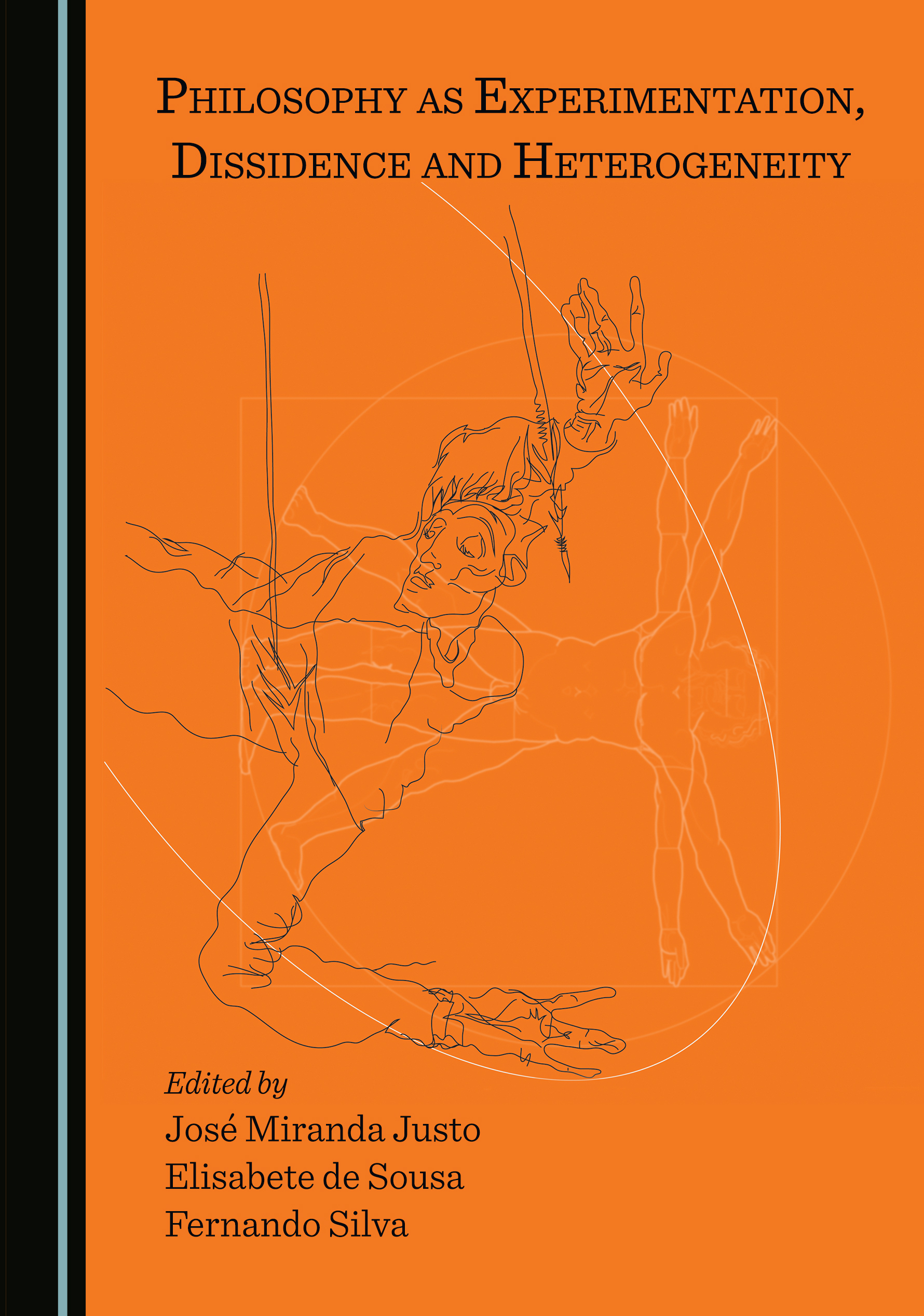
From £35.99
This collection of essays explores the role of experimentation, dissidence, and heterogeneity in philosophy. Critiquing monolithic tendencies, it traces the influence of marginal thinkers from Kierkegaard and Nietzsche to Deleuze, Foucault, and Benjamin.
This collection of essays explores the role of experimentation, dissidence, and heterogeneity in philosophy. Critiquing monolithic tendencies, it traces the influence of marginal thinkers from Kierkegaard and Nietzsche to Deleuze, Foucault, and Benjamin.
View more
This product has multiple variants. The options may be chosen on the product page
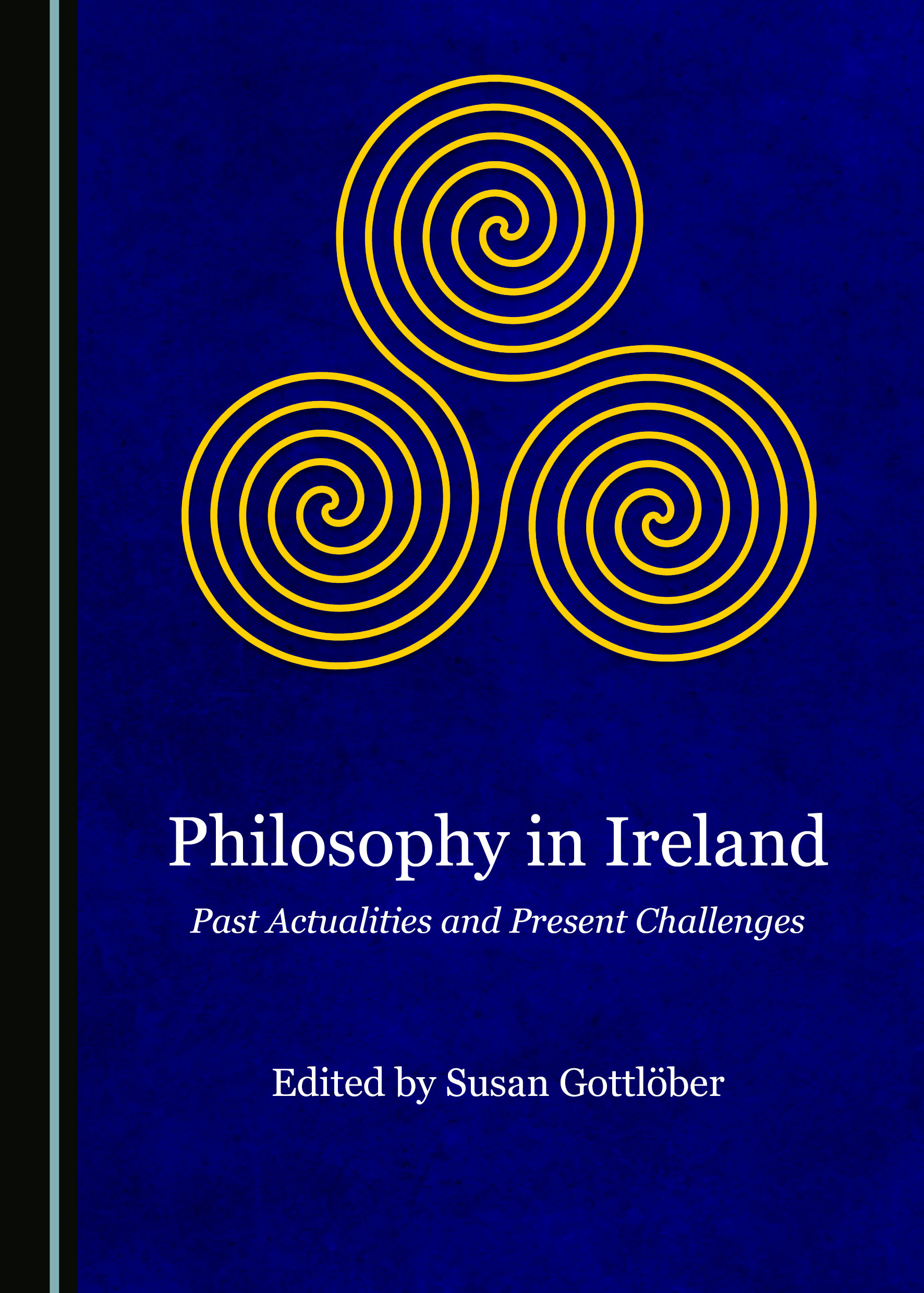
Philosophy in Ireland
Past Actualities and Present Challenges
With contributions from leading thinkers, this volume explores philosophical developments in Ireland. It reveals a tradition defined by dialogue—with its past, with global debates, and with society—and argues that this continued engagement is vital for its future.
With contributions from leading thinkers, this volume explores philosophical developments in Ireland. It reveals a tradition defined by dialogue—with its past, with global debates, and with society—and argues that this continued engagement is vital for its future.
View more
This product has multiple variants. The options may be chosen on the product page
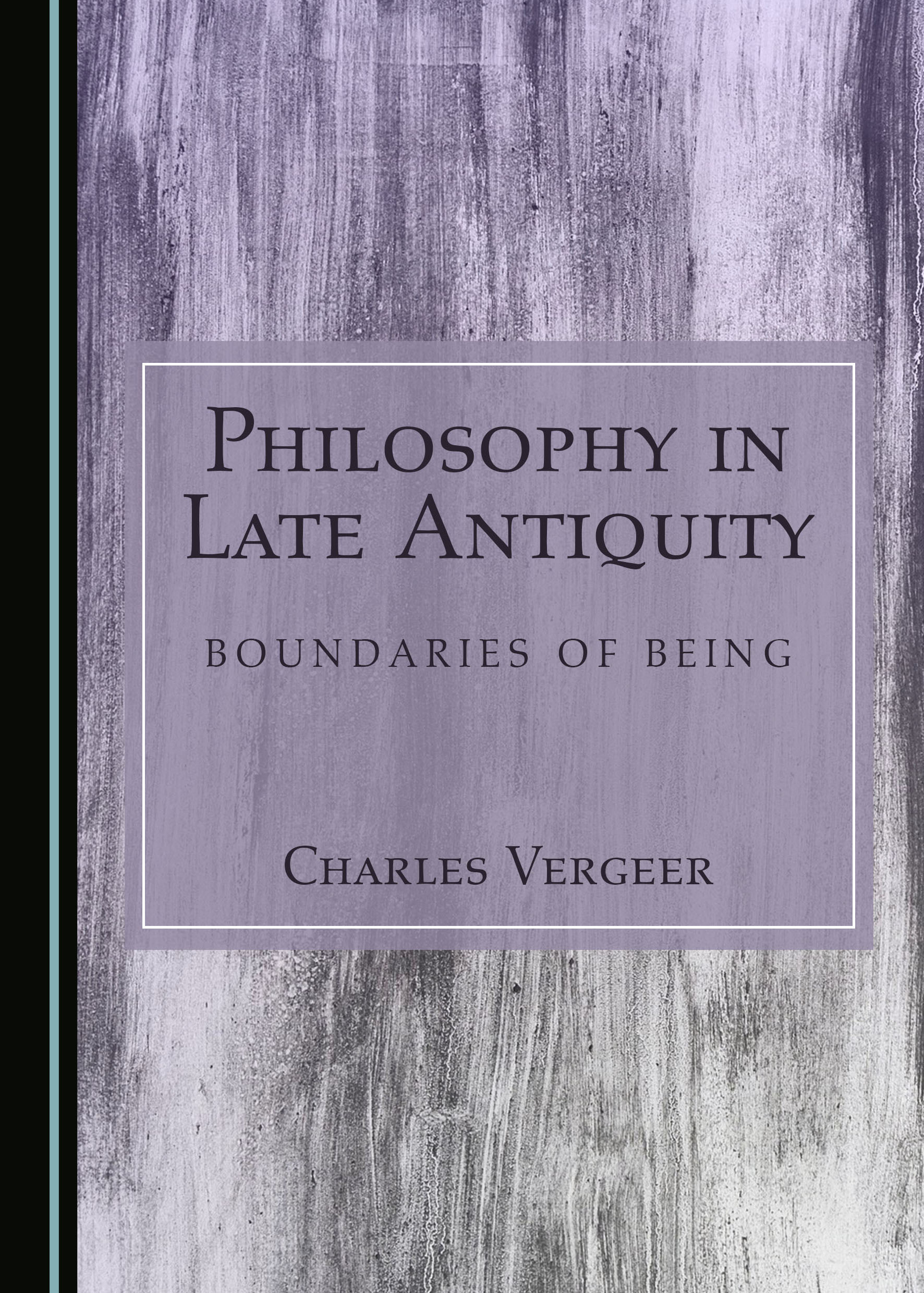
Philosophy in Late Antiquity
Boundaries of Being
Our view of Plato and Aristotle was forged in Late Antiquity, a tumultuous era of Roman decline and Christian ascent. Discover how this clash of worlds shaped our modern concepts of time, the body, and death, laying the foundations of our own world.
Our view of Plato and Aristotle was forged in Late Antiquity, a tumultuous era of Roman decline and Christian ascent. Discover how this clash of worlds shaped our modern concepts of time, the body, and death, laying the foundations of our own world.
View more
This product has multiple variants. The options may be chosen on the product page

From £31.99
This book studies modern civil law through philosophical categories. It analyzes the dynamics between the internal and external, vertical and horizontal, and symmetry and asymmetry to reveal how legal subjects interact in a state of equilibrium.
This book studies modern civil law through philosophical categories. It analyzes the dynamics between the internal and external, vertical and horizontal, and symmetry and asymmetry to reveal how legal subjects interact in a state of equilibrium.
View more
This product has multiple variants. The options may be chosen on the product page
Processing Your Order
Please wait while we securely process your order.
Do not refresh or leave this page.
You will be redirected shortly to a confirmation page with your order number.