
Medieval Metaphysics, or is it “Just Semantics”? (Volume 7
Proceedings of the Society for Medieval Logic and Metaphysics)
Medieval thinkers, driven by metaphysical and epistemological commitments, sought to discern how concepts latch onto reality. This book follows these attempts concerning the signification of theological discourse, Trinitarian semantics, and essential definition.
Medieval thinkers, driven by metaphysical and epistemological commitments, sought to discern how concepts latch onto reality. This book follows these attempts concerning the signification of theological discourse, Trinitarian semantics, and essential definition.
View more
This product has multiple variants. The options may be chosen on the product page
Medieval Skepticism, and the Claim to Metaphysical Knowledge (Volume 6
Proceedings of the Society for Medieval Logic and Metaphysics)
This collection of essays explores medieval skepticism and metaphysical knowledge. It features scholarly exchanges on Siger of Brabant’s strategy against the skeptic, Walter Chatton’s critique of Ockhamism, and key issues in the metaphysics of Thomas Aquinas.
This collection of essays explores medieval skepticism and metaphysical knowledge. It features scholarly exchanges on Siger of Brabant’s strategy against the skeptic, Walter Chatton’s critique of Ockhamism, and key issues in the metaphysics of Thomas Aquinas.
View more
This product has multiple variants. The options may be chosen on the product page
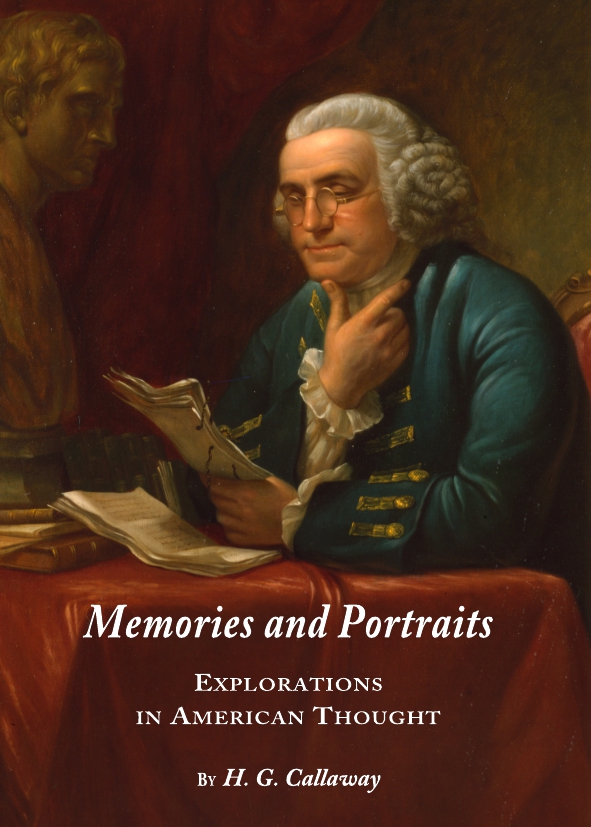
Memories and Portraits
Explorations in American Thought
Philosopher H. G. Callaway blends history and autobiography in a narrative of travel across three continents. He illuminates American thought through fascinating cultural contrasts, merging the formalism of analytic philosophy with American pragmatism.
Philosopher H. G. Callaway blends history and autobiography in a narrative of travel across three continents. He illuminates American thought through fascinating cultural contrasts, merging the formalism of analytic philosophy with American pragmatism.
View more
This product has multiple variants. The options may be chosen on the product page
Mental Representation (Volume 4
Proceedings of the Society for Medieval Logic and Metaphysics)
Contrary to common belief, medieval philosophers saw intentionality in physical phenomena like reflections and sounds. Mental Representation explores their intricate views on cognition and representation, shedding new light on historical and contemporary philosophy of mind.
Contrary to common belief, medieval philosophers saw intentionality in physical phenomena like reflections and sounds. Mental Representation explores their intricate views on cognition and representation, shedding new light on historical and contemporary philosophy of mind.
View more
This product has multiple variants. The options may be chosen on the product page
£24.99
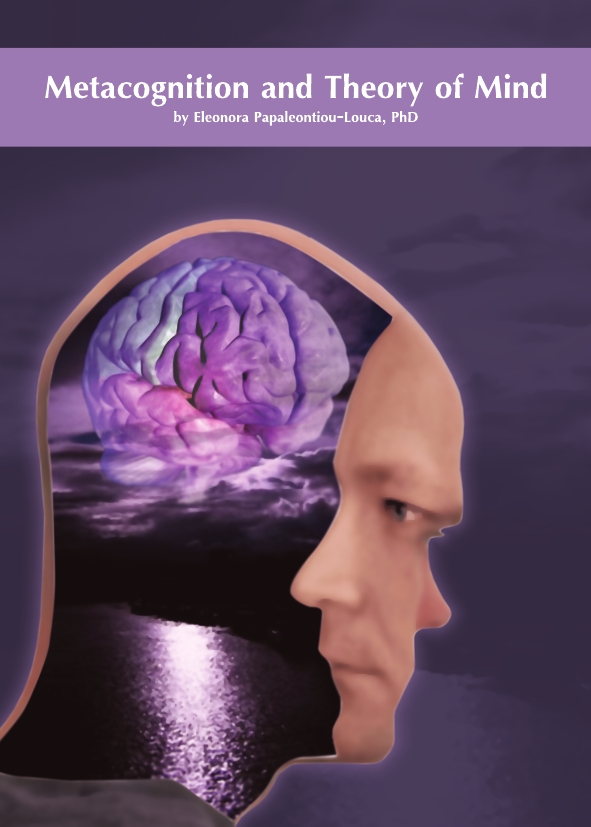
This book clarifies Metacognition and Theory of Mind, comparing the two concepts. It offers practical suggestions for educators to enhance students’ metacognitive abilities and analyzes the link between Theory of Mind and language.
This book clarifies Metacognition and Theory of Mind, comparing the two concepts. It offers practical suggestions for educators to enhance students’ metacognitive abilities and analyzes the link between Theory of Mind and language.
View more
This product has multiple variants. The options may be chosen on the product page
From £34.99
This advanced text on formal logic covers semantics, axiomatics, and proofs of soundness, completeness, and Gödel’s theorems. It also discusses the pictorial semantics of logic diagrams, the evaluation of everyday argumentation, and Nether Logic, the logic of falsehood.
This advanced text on formal logic covers semantics, axiomatics, and proofs of soundness, completeness, and Gödel’s theorems. It also discusses the pictorial semantics of logic diagrams, the evaluation of everyday argumentation, and Nether Logic, the logic of falsehood.
View more
This product has multiple variants. The options may be chosen on the product page
Metamorphosis through Conscious Living
A Transpersonal Psychology Perspective
This collection proposes that engagement with the sacred is what makes research and practice transpersonal, the sacred ‘other’ that lives both within and beyond us as individuals and unique cultures.
This collection proposes that engagement with the sacred is what makes research and practice transpersonal, the sacred ‘other’ that lives both within and beyond us as individuals and unique cultures.
View more
This product has multiple variants. The options may be chosen on the product page
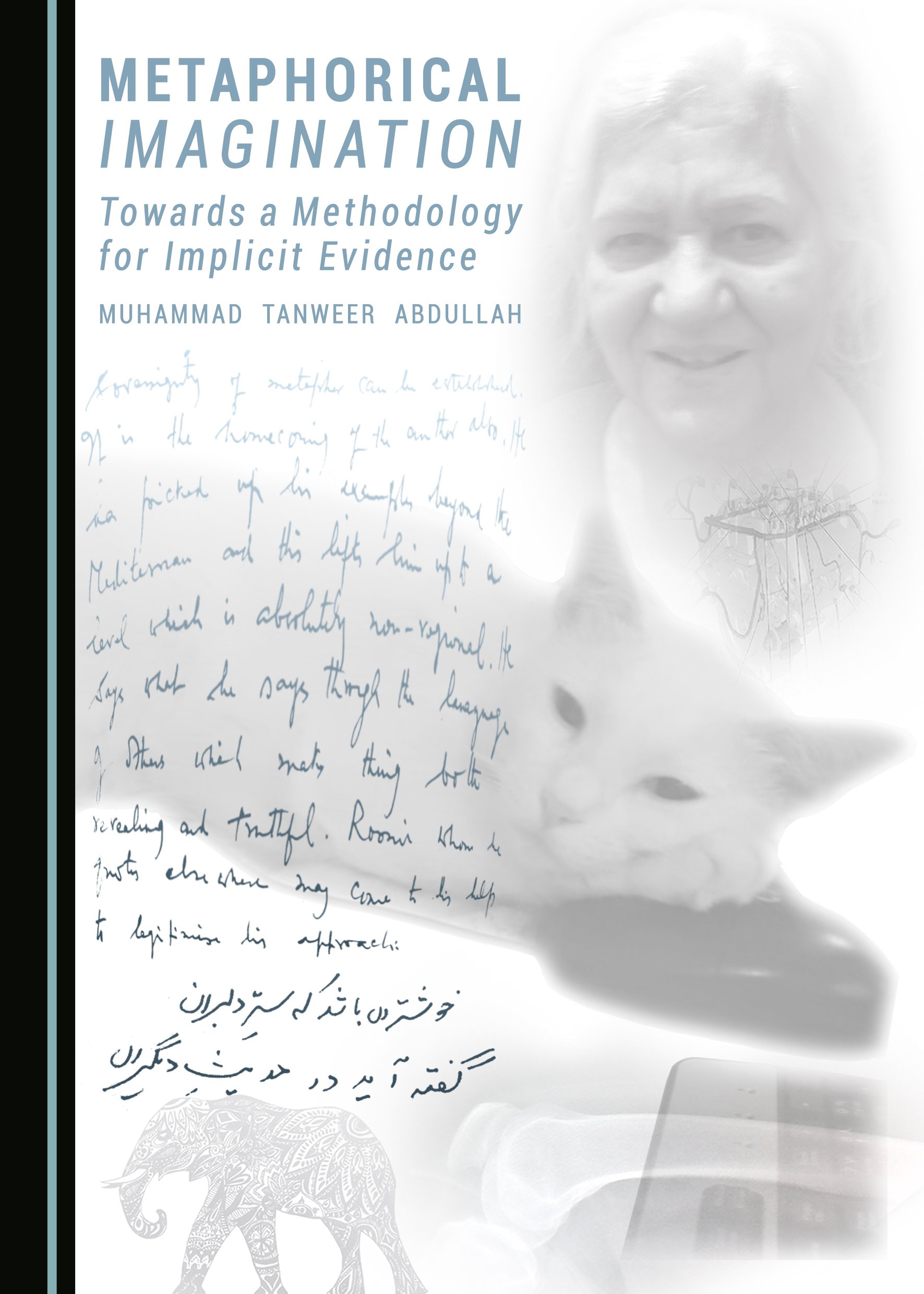
Metaphorical Imagination
Towards a Methodology for Implicit Evidence
Abdullah tells the story of an intellectual journey with metaphor in this book. He revisits the epistemology and ontology of evidence and challenges the dualist norms of social research, points to the failings, and flags up directions for researchers who take evidence seriously.
Abdullah tells the story of an intellectual journey with metaphor in this book. He revisits the epistemology and ontology of evidence and challenges the dualist norms of social research, points to the failings, and flags up directions for researchers who take evidence seriously.
View more
This product has multiple variants. The options may be chosen on the product page
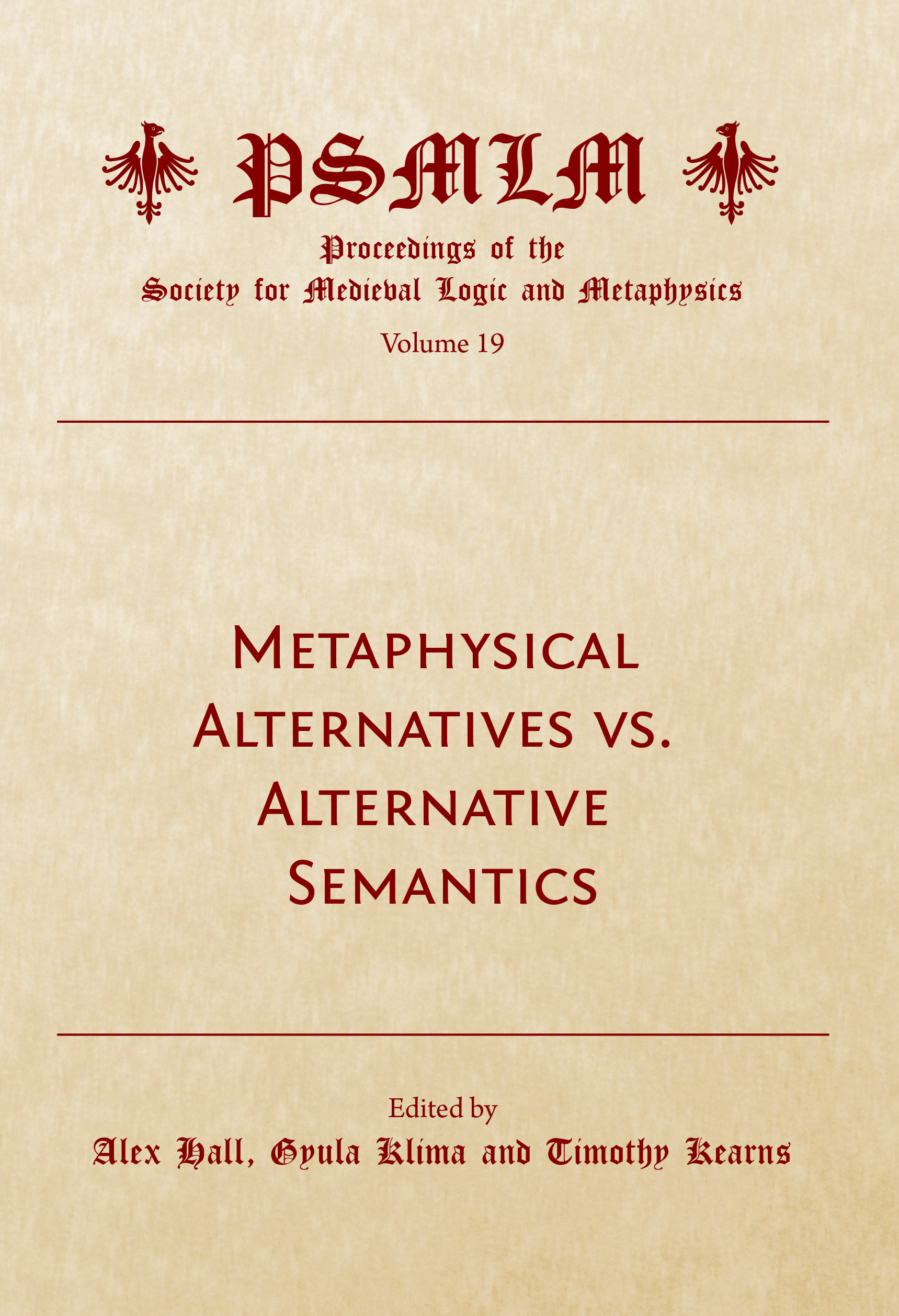
£67.99
Honoring the work of Gyula Klima, this volume explores key issues in medieval logic, metaphysics, and epistemology. Contributions offer significant new insights on Ockham’s semantics, intentionality, Aquinas on genus and species, and Aristotle on demonstration.
Honoring the work of Gyula Klima, this volume explores key issues in medieval logic, metaphysics, and epistemology. Contributions offer significant new insights on Ockham’s semantics, intentionality, Aquinas on genus and species, and Aristotle on demonstration.
View more
This product has multiple variants. The options may be chosen on the product page
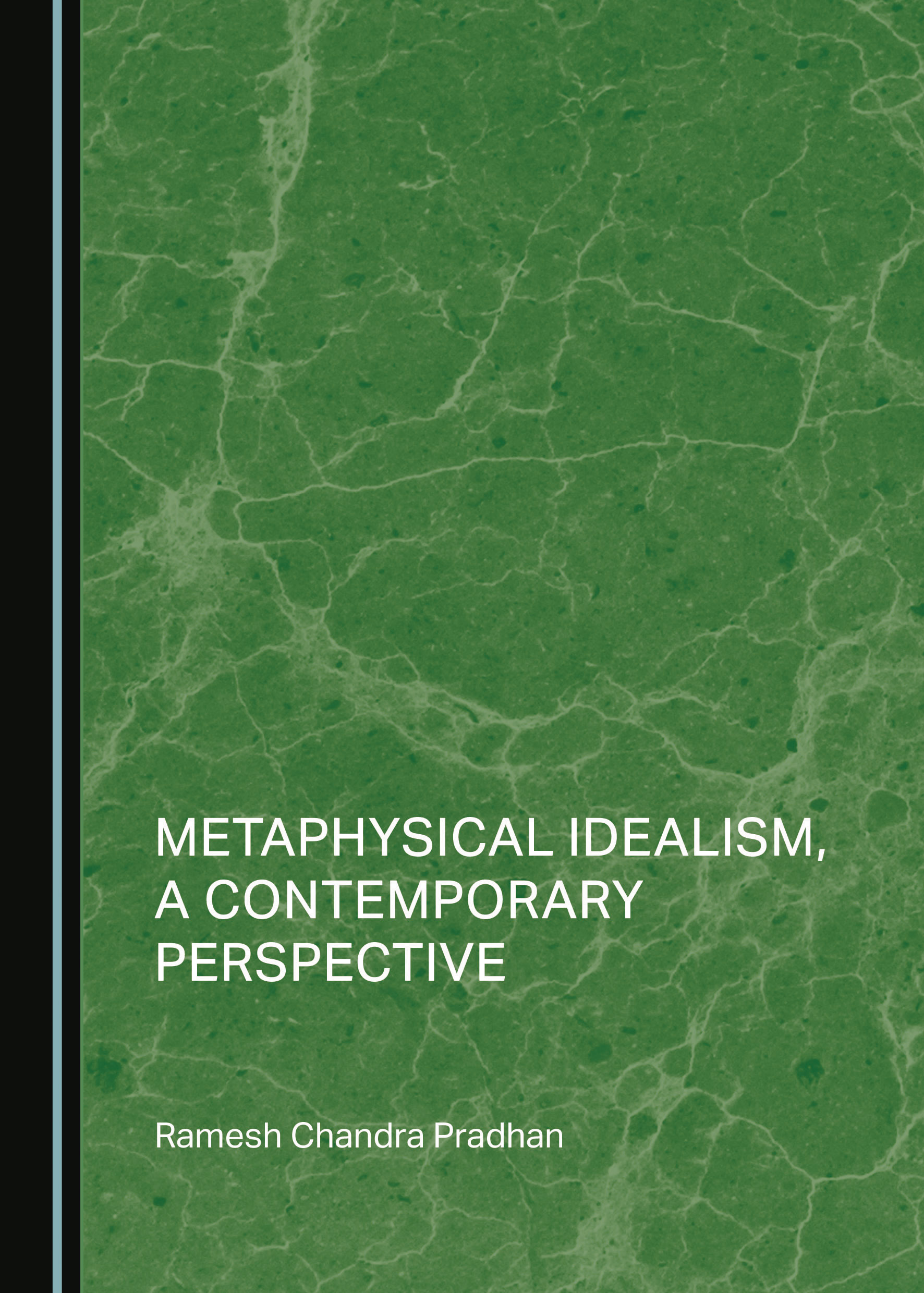
From £38.99
This book opposes the dominant materialist view of the universe, which cannot adequately explain conscious phenomena. Taking the primacy of consciousness as a basic postulate, it argues for a metaphysical idealism where human nature is more spiritual than material.
This book opposes the dominant materialist view of the universe, which cannot adequately explain conscious phenomena. Taking the primacy of consciousness as a basic postulate, it argues for a metaphysical idealism where human nature is more spiritual than material.
View more
This product has multiple variants. The options may be chosen on the product page
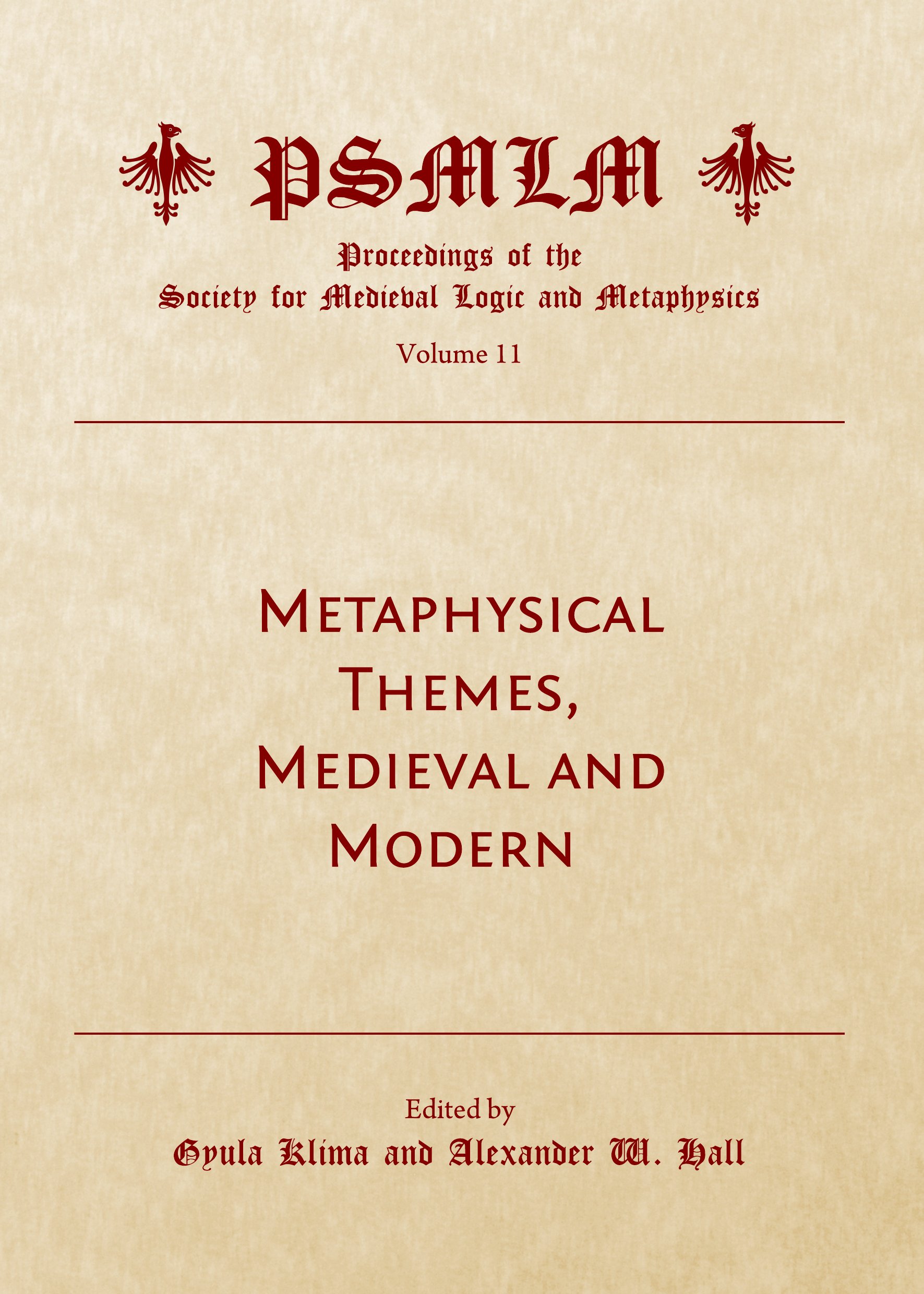
Metaphysical Themes, Medieval and Modern (Volume 11
Proceedings of the Society for Medieval Logic and Metaphysics)
These essays engage the metaphysics of substance over eight centuries, shedding light on contemporary disputes and their historical roots. Topics range from the substance ontology of Thomas Aquinas to modern debates on hylomorphism and natural theology.
These essays engage the metaphysics of substance over eight centuries, shedding light on contemporary disputes and their historical roots. Topics range from the substance ontology of Thomas Aquinas to modern debates on hylomorphism and natural theology.
View more
This product has multiple variants. The options may be chosen on the product page
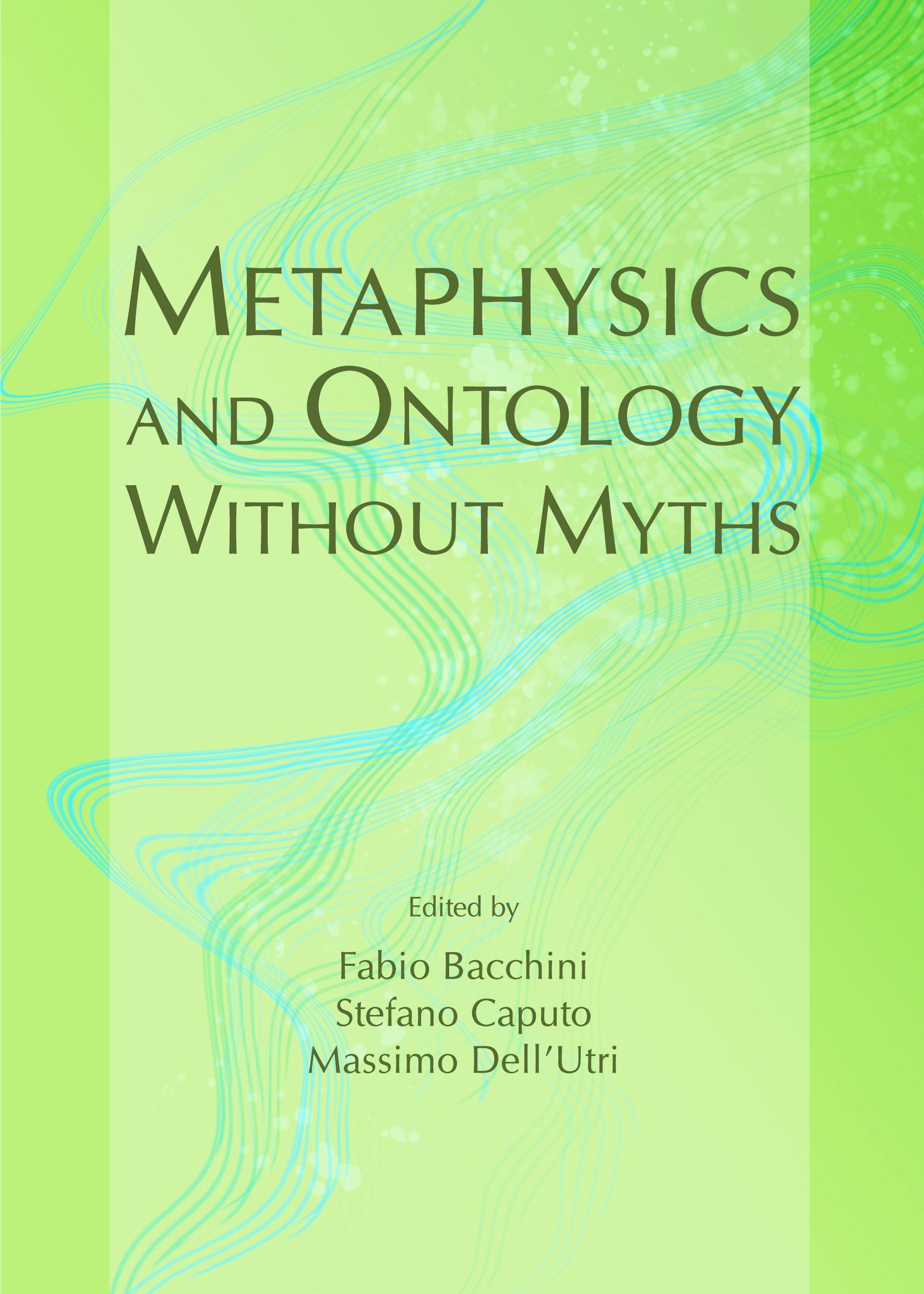
£41.99
Metaphysics and ontology are fundamental philosophical concerns, yet history has revealed flawed conclusions built on dogma. The essays in this volume tackle this secular debate in fresh and original ways, providing tools for clearing the field of unpalatable items.
Metaphysics and ontology are fundamental philosophical concerns, yet history has revealed flawed conclusions built on dogma. The essays in this volume tackle this secular debate in fresh and original ways, providing tools for clearing the field of unpalatable items.
View more
This product has multiple variants. The options may be chosen on the product page
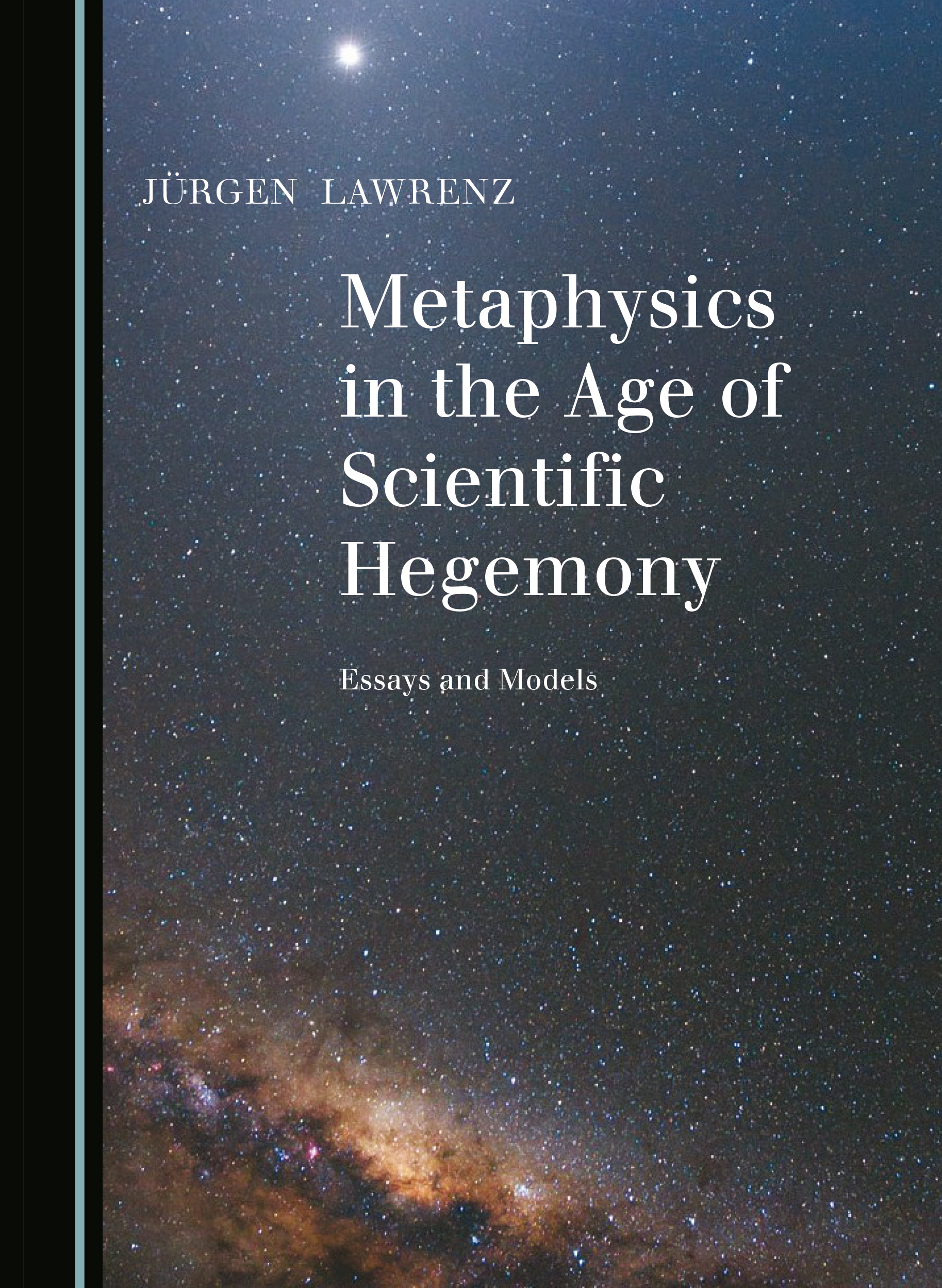
Metaphysics in the Age of Scientific Hegemony
Essays and Models
These essays argue for the persisting relevance of metaphysical speculation. Delving into thinkers from Hegel to Wittgenstein, the focus is on the autonomous agency of the human being—a concept at odds with the mechanistic doxa under which modern science is compelled to operate.
These essays argue for the persisting relevance of metaphysical speculation. Delving into thinkers from Hegel to Wittgenstein, the focus is on the autonomous agency of the human being—a concept at odds with the mechanistic doxa under which modern science is compelled to operate.
View more
This product has multiple variants. The options may be chosen on the product page
From £33.99
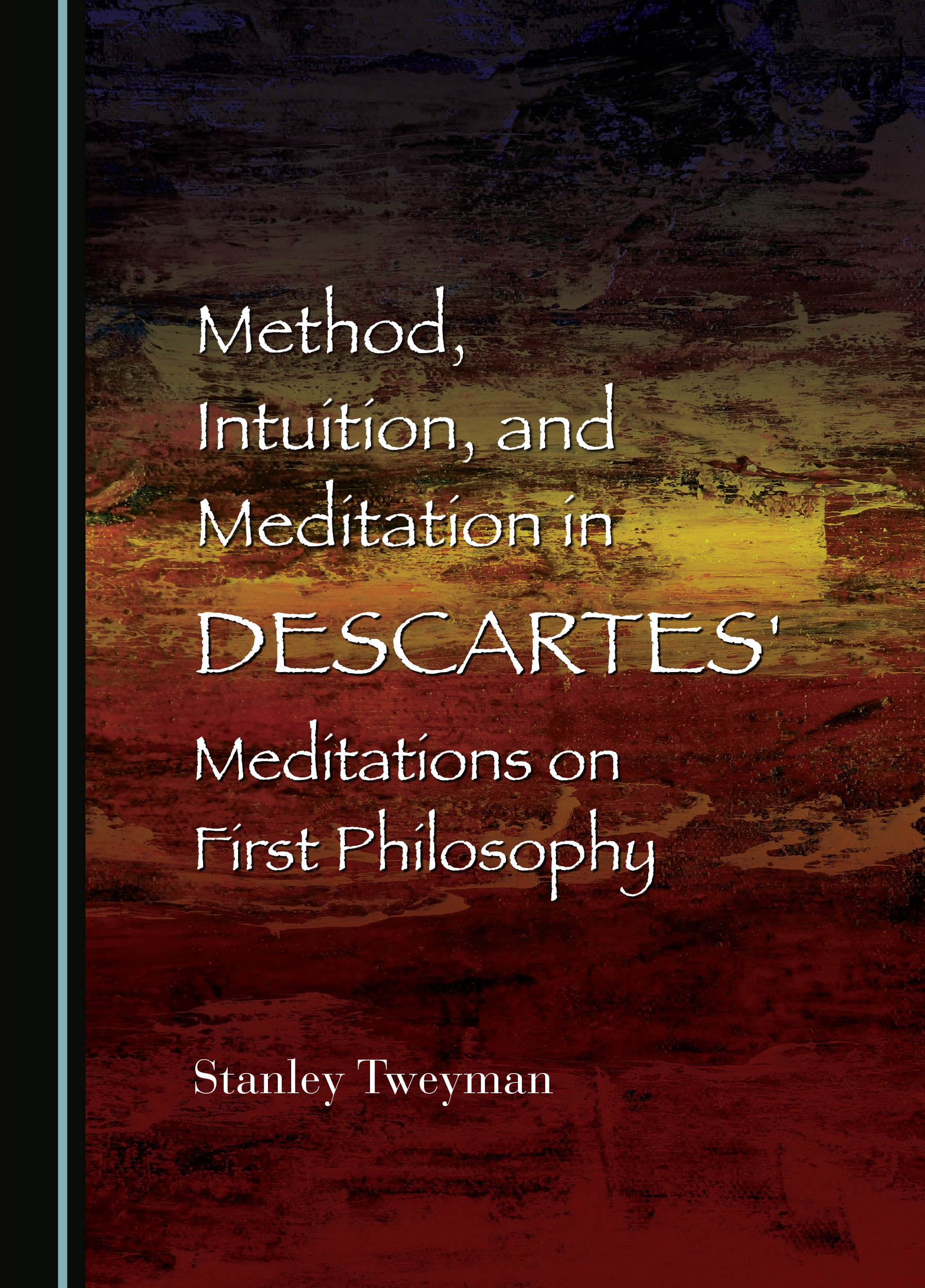
In his Meditations, Descartes sought the first principles of human knowledge, rejecting the senses for intuition and meditation. This book explains his reasoning and provides textual support, while a final critical chapter shows the failures of his approach.
In his Meditations, Descartes sought the first principles of human knowledge, rejecting the senses for intuition and meditation. This book explains his reasoning and provides textual support, while a final critical chapter shows the failures of his approach.
View more
This product has multiple variants. The options may be chosen on the product page

Mind in Nature
Bridging Process Philosophy and Neoplatonism
This collection of essays by leading scholars bridges Neo-Platonism and Process Philosophy. It explores shared topics like creativity, temporality, and holism, concurring on an integral worldview where wholeness and complexity are prevalent in Nature, science, and metaphysics.
This collection of essays by leading scholars bridges Neo-Platonism and Process Philosophy. It explores shared topics like creativity, temporality, and holism, concurring on an integral worldview where wholeness and complexity are prevalent in Nature, science, and metaphysics.
View more
This product has multiple variants. The options may be chosen on the product page
From £29.99
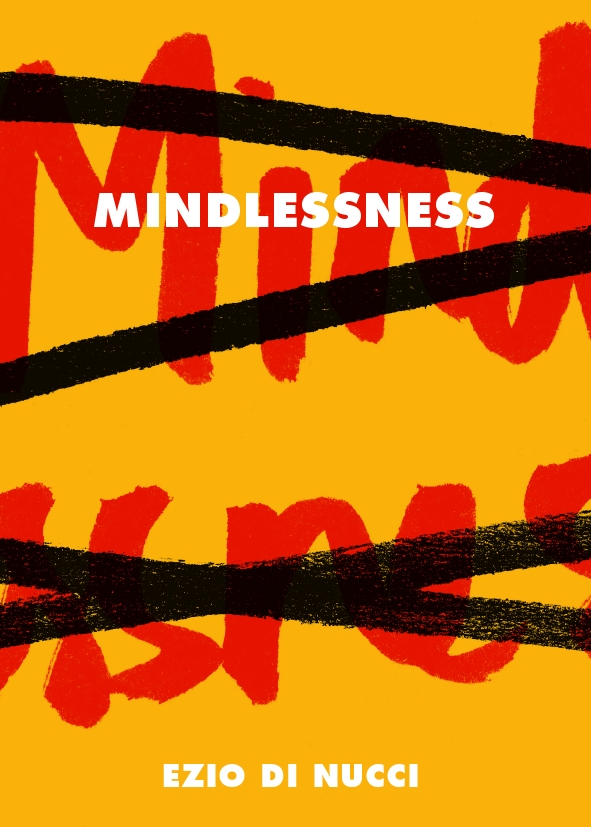
Thinking is overrated. We perform best when distracted and under pressure. This book challenges the traditional picture of human action, arguing that our habits and skills allow us to be free and fully rational even when we act mindlessly.
Thinking is overrated. We perform best when distracted and under pressure. This book challenges the traditional picture of human action, arguing that our habits and skills allow us to be free and fully rational even when we act mindlessly.
View more
This product has multiple variants. The options may be chosen on the product page
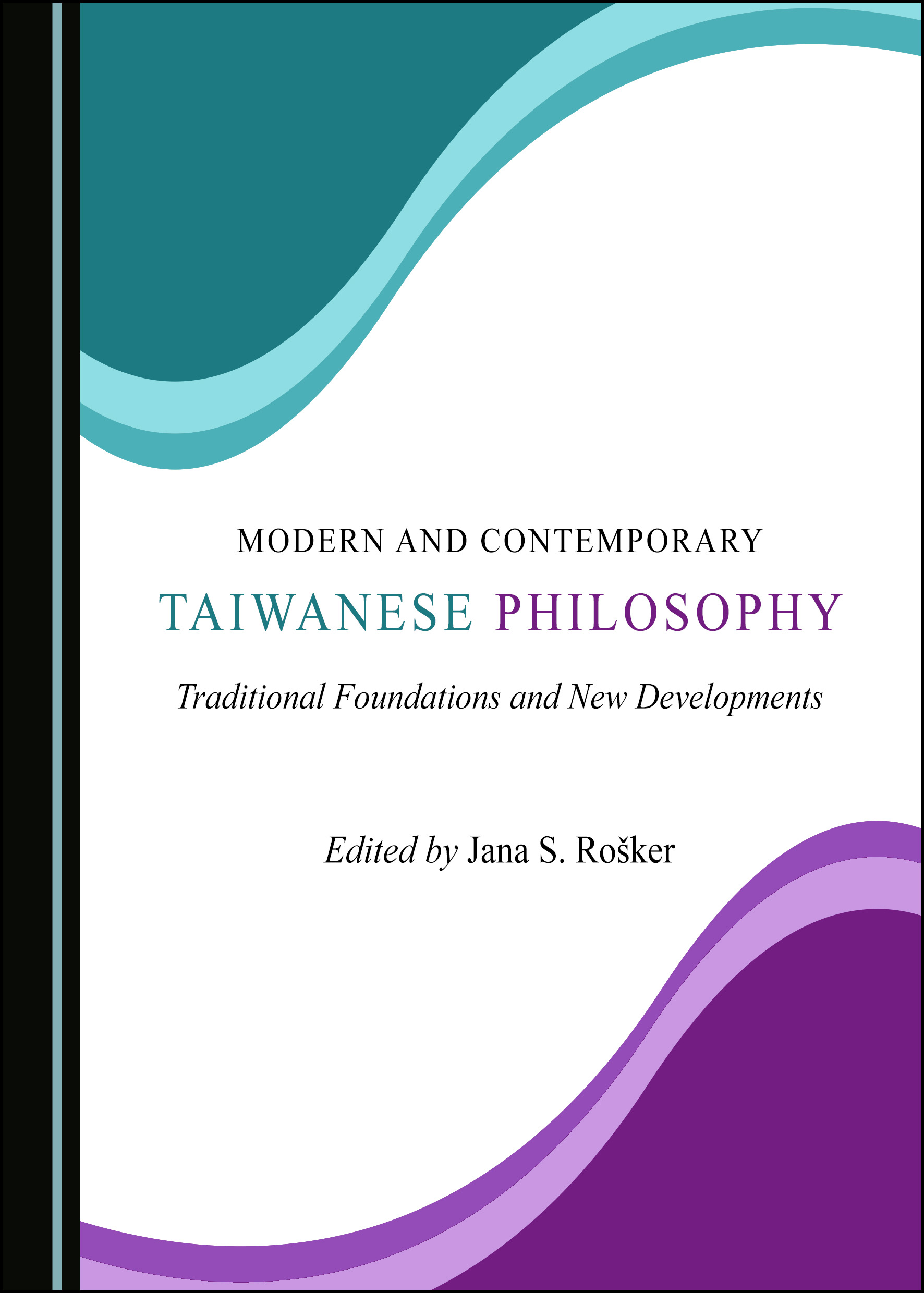
Modern and Contemporary Taiwanese Philosophy
Traditional Foundations and New Developments
As mainland China rejected its philosophical heritage, Taiwanese thinkers did more than preserve it—they reinvented it. Engaging with Western thought, they forged complex new systems, creating a vital 20th-century legacy still largely unknown in the West.
As mainland China rejected its philosophical heritage, Taiwanese thinkers did more than preserve it—they reinvented it. Engaging with Western thought, they forged complex new systems, creating a vital 20th-century legacy still largely unknown in the West.
View more
This product has multiple variants. The options may be chosen on the product page
£19.99
This journal has been discontinued. Any issues are available to purchase separately.
View more
This product has multiple variants. The options may be chosen on the product page
£44.99
The world's deep-seated problems, from environmental crisis to social injustice, arise from technological society and structures of domination. This book offers guidance, providing a plurality of moral and spiritual perspectives to find reasonable responses.
The world’s deep-seated problems, from environmental crisis to social injustice, arise from technological society and structures of domination. This book offers guidance, providing a plurality of moral and spiritual perspectives to find reasonable responses.
View more
This product has multiple variants. The options may be chosen on the product page

Morality of the Past from the Present Perspective
Picture of Morality in Slovakia in the First Half of the Twentieth Century
This monograph explores morality in Slovakia during the first half of the 20th century. Set in its unique socio-political context, it examines the era's key philosophical, ethical, and professional aspects, and the reflection of morality in Slovak literature.
This monograph explores morality in Slovakia during the first half of the 20th century. Set in its unique socio-political context, it examines the era’s key philosophical, ethical, and professional aspects, and the reflection of morality in Slovak literature.
View more
This product has multiple variants. The options may be chosen on the product page
Processing Your Order
Please wait while we securely process your order.
Do not refresh or leave this page.
You will be redirected shortly to a confirmation page with your order number.