

£29.99
A synthesis of symbolic logic and poetry, The Book of Change unlocks the secrets of the universe through symmetrical verse. Profound scientific and philosophical truths are simplified into images, laying out the nature of reality from physics to ethics.
A synthesis of symbolic logic and poetry, The Book of Change unlocks the secrets of the universe through symmetrical verse. Profound scientific and philosophical truths are simplified into images, laying out the nature of reality from physics to ethics.
View more
This product has multiple variants. The options may be chosen on the product page

In Defense of Liberal-Pluralism
2nd Edition
This book challenges Kantian universalism, arguing that moral reasoning is bound by paradoxes and irreducible choices. It redefines liberal-pluralism, treating morality as guided by ‘reason without unification’ and ‘pluralism without relativism’.
This book challenges Kantian universalism, arguing that moral reasoning is bound by paradoxes and irreducible choices. It redefines liberal-pluralism, treating morality as guided by ‘reason without unification’ and ‘pluralism without relativism’.
View more
This product has multiple variants. The options may be chosen on the product page
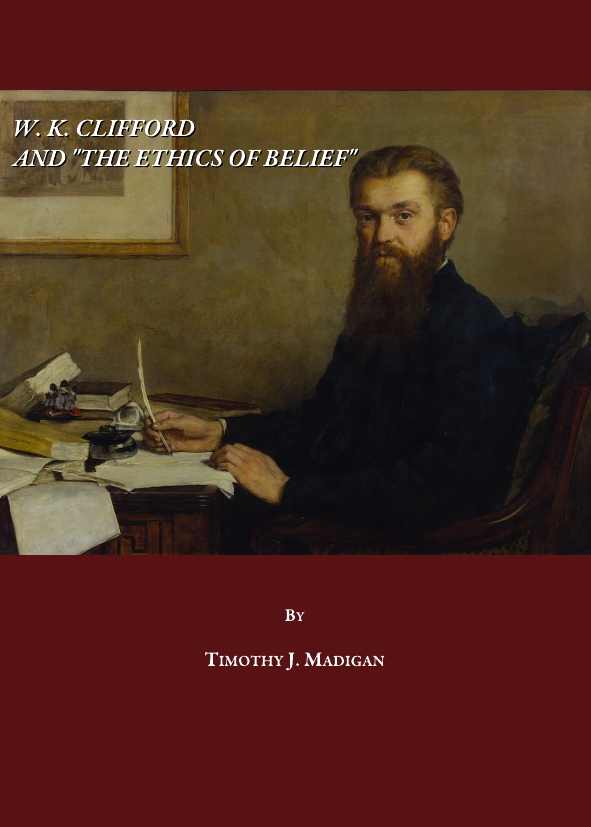
From £14.99
W. K. Clifford's essay "The Ethics of Belief" argued it is wrong to believe anything upon insufficient evidence. This book examines the essay's context, its clash with critics like William James, its influence on thinkers like Bertrand Russell, and its relevance today.
W. K. Clifford’s essay “The Ethics of Belief” argued it is wrong to believe anything upon insufficient evidence. This book examines the essay’s context, its clash with critics like William James, its influence on thinkers like Bertrand Russell, and its relevance today.
View more
This product has multiple variants. The options may be chosen on the product page
£29.99
David Swift turns to the philosopher Epicurus for a scientific explanation of the mind. Reinterpreting thinkers from Descartes to Freud, he reveals the secrets of love, hate, and behavior as the results of learned experience, not genetic predisposition.
David Swift turns to the philosopher Epicurus for a scientific explanation of the mind. Reinterpreting thinkers from Descartes to Freud, he reveals the secrets of love, hate, and behavior as the results of learned experience, not genetic predisposition.
View more
This product has multiple variants. The options may be chosen on the product page
£29.99
This journal has been discontinued. Any issues are available to purchase separately.
View more
This product has multiple variants. The options may be chosen on the product page
£29.99
These twelve essays provide a basis for reassessing European traditions of beauty in the arts, literature, and film, as a constructive means of realising the potential of the arts for the 21st century.
These twelve essays provide a basis for reassessing European traditions of beauty in the arts, literature, and film, as a constructive means of realising the potential of the arts for the 21st century.
View more
This product has multiple variants. The options may be chosen on the product page
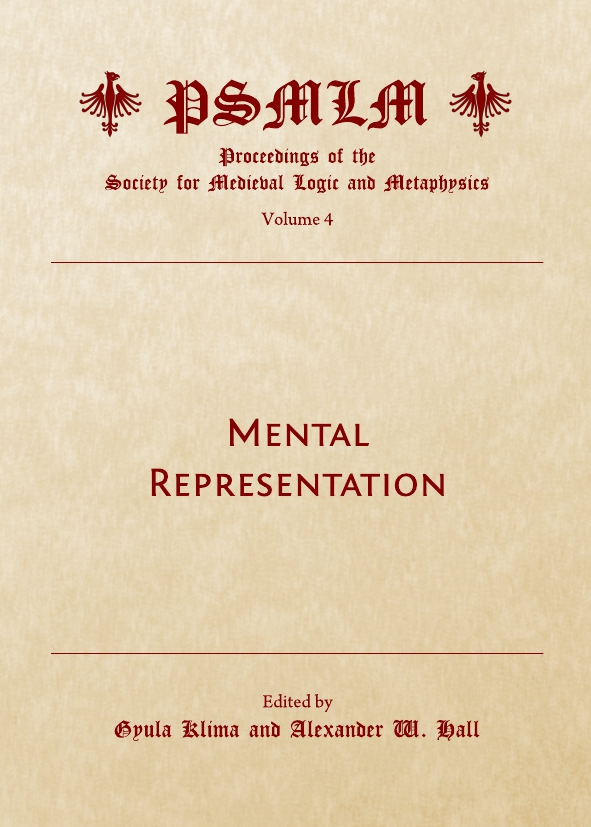
Mental Representation (Volume 4
Proceedings of the Society for Medieval Logic and Metaphysics)
Contrary to common belief, medieval philosophers saw intentionality in physical phenomena like reflections and sounds. Mental Representation explores their intricate views on cognition and representation, shedding new light on historical and contemporary philosophy of mind.
Contrary to common belief, medieval philosophers saw intentionality in physical phenomena like reflections and sounds. Mental Representation explores their intricate views on cognition and representation, shedding new light on historical and contemporary philosophy of mind.
View more
This product has multiple variants. The options may be chosen on the product page
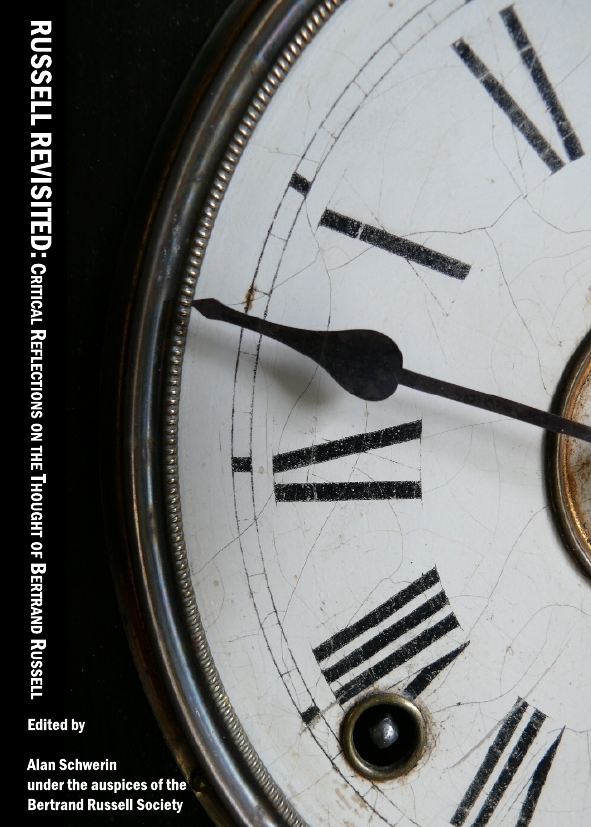
Russell Revisited
Critical Reflections on the Thought of Bertrand Russell
Bertrand Russell played a central role in modern philosophy. How do we account for the abiding interest in him? Accessibility. This collection of recent scholarship serves as a testament to the value of Russell’s diverse contributions to challenging philosophical issues.
Bertrand Russell played a central role in modern philosophy. How do we account for the abiding interest in him? Accessibility. This collection of recent scholarship serves as a testament to the value of Russell’s diverse contributions to challenging philosophical issues.
View more
This product has multiple variants. The options may be chosen on the product page

£29.99
What happens when we remember? This book argues that autobiographical memory is not a recollection but an active, imaginative reconstruction of our past, linking historical philosophy from Bolzano and Husserl with contemporary cognitive science.
What happens when we remember? This book argues that autobiographical memory is not a recollection but an active, imaginative reconstruction of our past, linking historical philosophy from Bolzano and Husserl with contemporary cognitive science.
View more
This product has multiple variants. The options may be chosen on the product page
£29.99
This book examines Adorno's mode of critique through his aesthetics. It explores how this focus on aesthetics shapes his readings of knowledge, history, culture, and art to reassert his relevance for constructing effective modes of critical thinking.
This book examines Adorno’s mode of critique through his aesthetics. It explores how this focus on aesthetics shapes his readings of knowledge, history, culture, and art to reassert his relevance for constructing effective modes of critical thinking.
View more
This product has multiple variants. The options may be chosen on the product page
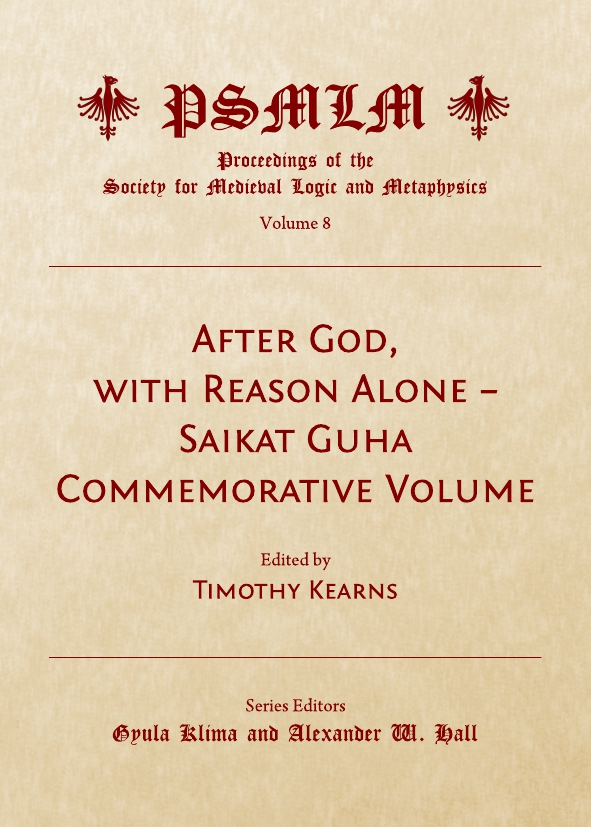
After God, with Reason Alone – Saikat Guha Commemorative Volume (Volume 8
Proceedings of the Society for Medieval Logic and Metaphysics)
Philosopher and physicist Saikat Guha was a metaphysician interested in applying rigorous logic to theology. These five papers reformulate Aquinas's arguments for God, ask if Ockham's razor requires atheism, and model the Trinity's logical consistency.
Philosopher and physicist Saikat Guha was a metaphysician interested in applying rigorous logic to theology. These five papers reformulate Aquinas’s arguments for God, ask if Ockham’s razor requires atheism, and model the Trinity’s logical consistency.
View more
This product has multiple variants. The options may be chosen on the product page

Whiteheadian Ethics
Abstracts and Papers from the Ethics Section of the Philosophy Group at the 6th International Whitehead Conference at the University of Salzburg, July 2006
These papers explore the ethical and meta-ethical implications of Alfred North Whitehead’s process philosophy. From a major international conference, contributions cover the metaphysics of morals, evaluating moral practices, and ethics and aesthetic values.
These papers explore the ethical and meta-ethical implications of Alfred North Whitehead’s process philosophy. From a major international conference, contributions cover the metaphysics of morals, evaluating moral practices, and ethics and aesthetic values.
View more
This product has multiple variants. The options may be chosen on the product page
£24.99
This critique presents Plato’s leading doctrines in close connection with the man himself. It explores the relationship between author and text, with chapters on Socrates, Plato's aesthetics, The Republic, and the Sophists.
This critique presents Plato’s leading doctrines in close connection with the man himself. It explores the relationship between author and text, with chapters on Socrates, Plato’s aesthetics, The Republic, and the Sophists.
View more
This product has multiple variants. The options may be chosen on the product page
£24.99
Designed for the general reader, this book explores the larger sweep of Kant’s thought. Wenley’s penetrating yet remarkably clear style makes complex ideas accessible, while its scholarly nature makes the work as useful to the Kant specialist.
Designed for the general reader, this book explores the larger sweep of Kant’s thought. Wenley’s penetrating yet remarkably clear style makes complex ideas accessible, while its scholarly nature makes the work as useful to the Kant specialist.
View more
This product has multiple variants. The options may be chosen on the product page
£24.99
This volume explores the emergence of physics in ancient philosophy, the concept of physical laws from the Middle Ages to the Renaissance, and the mathematization of Natural Philosophy that led to the emergence of the classical sciences.
This volume explores the emergence of physics in ancient philosophy, the concept of physical laws from the Middle Ages to the Renaissance, and the mathematization of Natural Philosophy that led to the emergence of the classical sciences.
View more
This product has multiple variants. The options may be chosen on the product page
Expression and Survival
An Aesthetic Approach to the Problem of Suicide
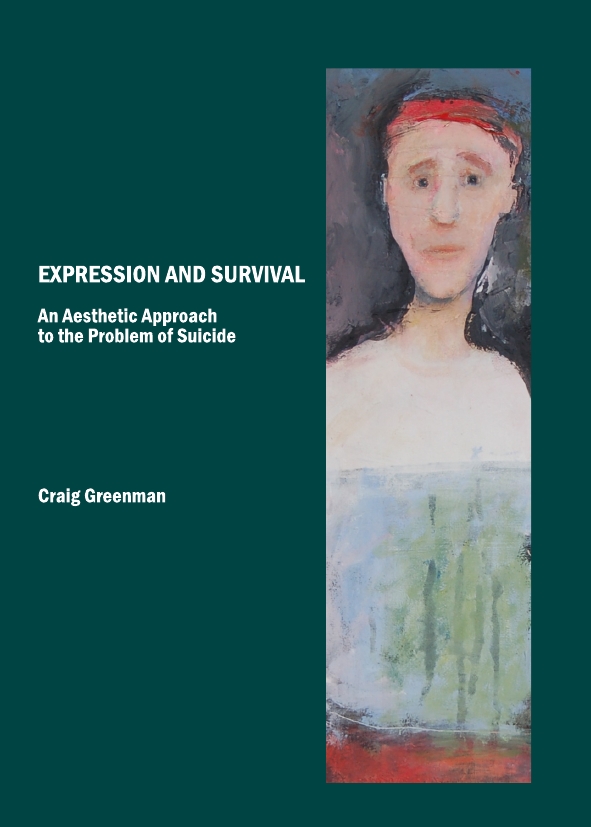
The standard ethical approach to suicide may do more harm than good. In *Expression and Survival*, Craig Greenman develops an aesthetic alternative, arguing that art—making it or experiencing it—can help a person survive. For anyone who has ever struggled with suicide.
The standard ethical approach to suicide may do more harm than good. In *Expression and Survival*, Craig Greenman develops an aesthetic alternative, arguing that art—making it or experiencing it—can help a person survive. For anyone who has ever struggled with suicide.
View more
This product has multiple variants. The options may be chosen on the product page
£24.99
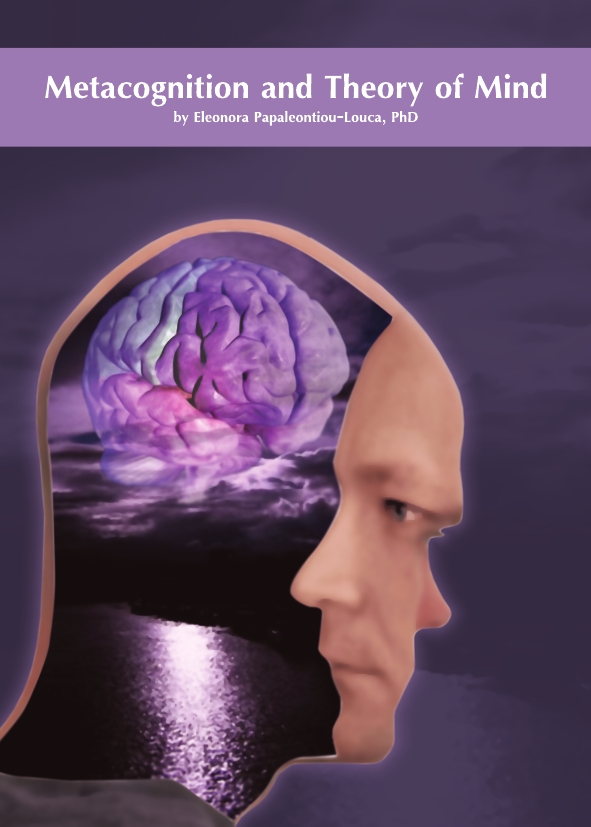
This book clarifies Metacognition and Theory of Mind, comparing the two concepts. It offers practical suggestions for educators to enhance students’ metacognitive abilities and analyzes the link between Theory of Mind and language.
This book clarifies Metacognition and Theory of Mind, comparing the two concepts. It offers practical suggestions for educators to enhance students’ metacognitive abilities and analyzes the link between Theory of Mind and language.
View more
This product has multiple variants. The options may be chosen on the product page

£24.95
This work is a brilliant analysis of German thought that played an important role in the formation of British idealism. It scrutinises the fundamental metaphysical positions of Kant, Fichte, Schelling, and Hegel, appealing even to readers of today.
This work is a brilliant analysis of German thought that played an important role in the formation of British idealism. It scrutinises the fundamental metaphysical positions of Kant, Fichte, Schelling, and Hegel, appealing even to readers of today.
View more
This product has multiple variants. The options may be chosen on the product page
£24.95
In this analysis of Hegel by fellow philosopher Edward Caird, a leading British Idealist, Caird's own imprint is clear. He lyrically takes us through Hegel's life and central philosophical concerns. An important book for scholars and enthusiasts of either thinker.
In this analysis of Hegel by fellow philosopher Edward Caird, a leading British Idealist, Caird’s own imprint is clear. He lyrically takes us through Hegel’s life and central philosophical concerns. An important book for scholars and enthusiasts of either thinker.
View more
This product has multiple variants. The options may be chosen on the product page
£19.99
This journal has been discontinued. Any issues are available to purchase separately.
View more
This product has multiple variants. The options may be chosen on the product page
Processing Your Order
Please wait while we securely process your order.
Do not refresh or leave this page.
You will be redirected shortly to a confirmation page with your order number.