
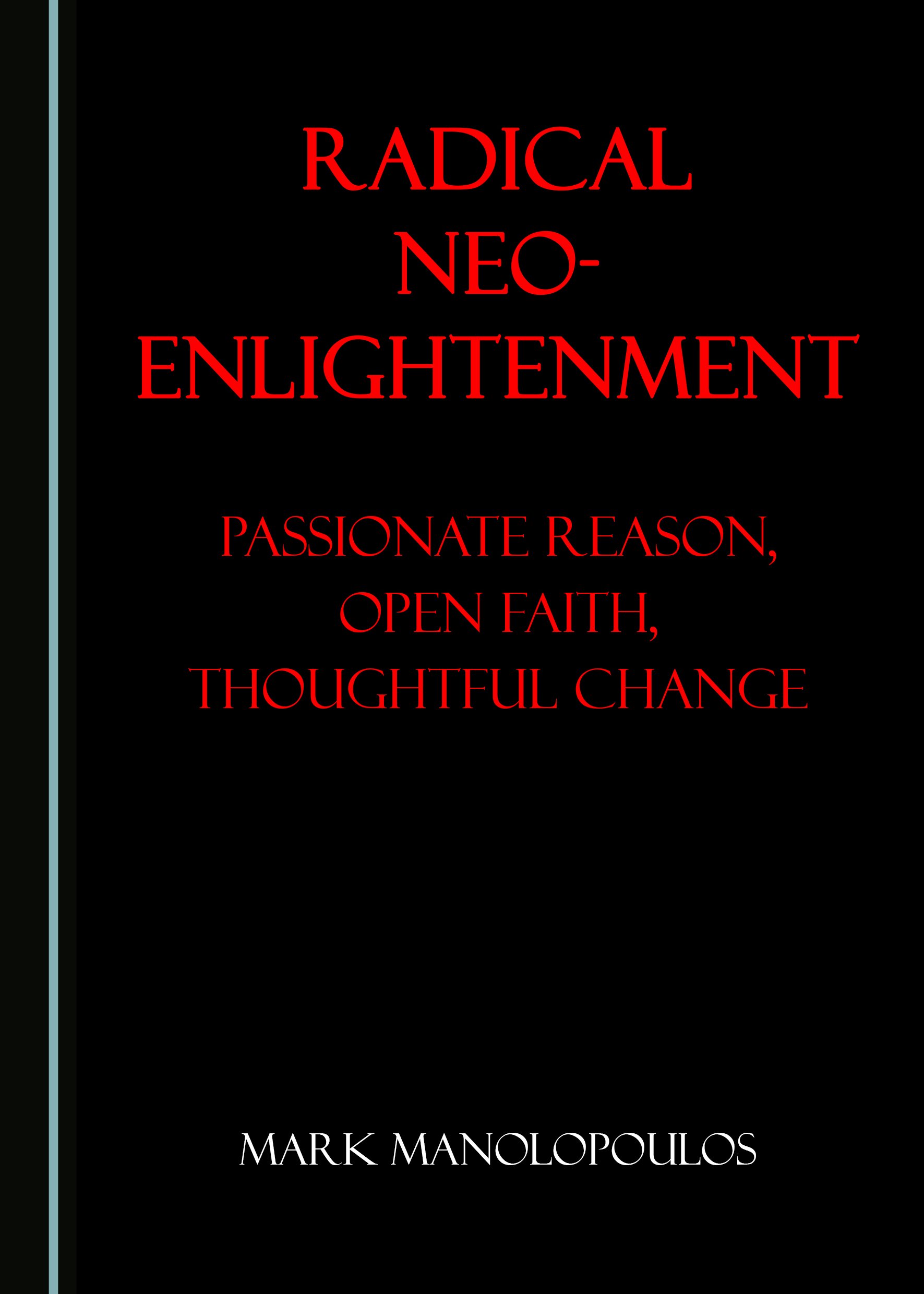
Radical Neo-Enlightenment
Passionate Reason, Open Faith, Thoughtful Change
This monograph represents a spirited response to the multiple and accelerating crises we face today. contending that we require a “radical neo-Enlightenment” to counter these systemic problems.
This monograph represents a spirited response to the multiple and accelerating crises we face today. contending that we require a “radical neo-Enlightenment” to counter these systemic problems.
View more
This product has multiple variants. The options may be chosen on the product page

£58.99
Making a case for existentialist design ethics, this book reveals an unsettling reality: there is no exit for designers but to accept their freedom and responsibility. It lays the ground for a radical transformation of how we conceive design, ethics, and the role of designers.
Making a case for existentialist design ethics, this book reveals an unsettling reality: there is no exit for designers but to accept their freedom and responsibility. It lays the ground for a radical transformation of how we conceive design, ethics, and the role of designers.
View more
This product has multiple variants. The options may be chosen on the product page

£58.99
Jennings traces the theory of Radical Dependence through its various forms in Berkeley’s philosophical works, showing how this idea unifies Berkeley’s various phases of philosophical development.
Jennings traces the theory of Radical Dependence through its various forms in Berkeley’s philosophical works, showing how this idea unifies Berkeley’s various phases of philosophical development.
View more
This product has multiple variants. The options may be chosen on the product page

An Introduction to Hanfei’s Political Philosophy
The Way of the Ruler
In this first book to make the philosophy of Hanfei available at an introductory level, Schneider introduces key concepts and arguments in his legalist philosophy and contextualizes his thinking within Chinese history and in a comparative approach.
In this first book to make the philosophy of Hanfei available at an introductory level, Schneider introduces key concepts and arguments in his legalist philosophy and contextualizes his thinking within Chinese history and in a comparative approach.
View more
This product has multiple variants. The options may be chosen on the product page

History of Science as a Facilitator for the Study of Physics
A Repertoire of Quantum Theory
Angeloni’s text serves to enhance scientific and technological literacy, by promoting STEM (Science, Technology, Engineering, and Mathematics) education with particular reference to contemporary physics.
Angeloni’s text serves to enhance scientific and technological literacy, by promoting STEM (Science, Technology, Engineering, and Mathematics) education with particular reference to contemporary physics.
View more
This product has multiple variants. The options may be chosen on the product page
£58.99
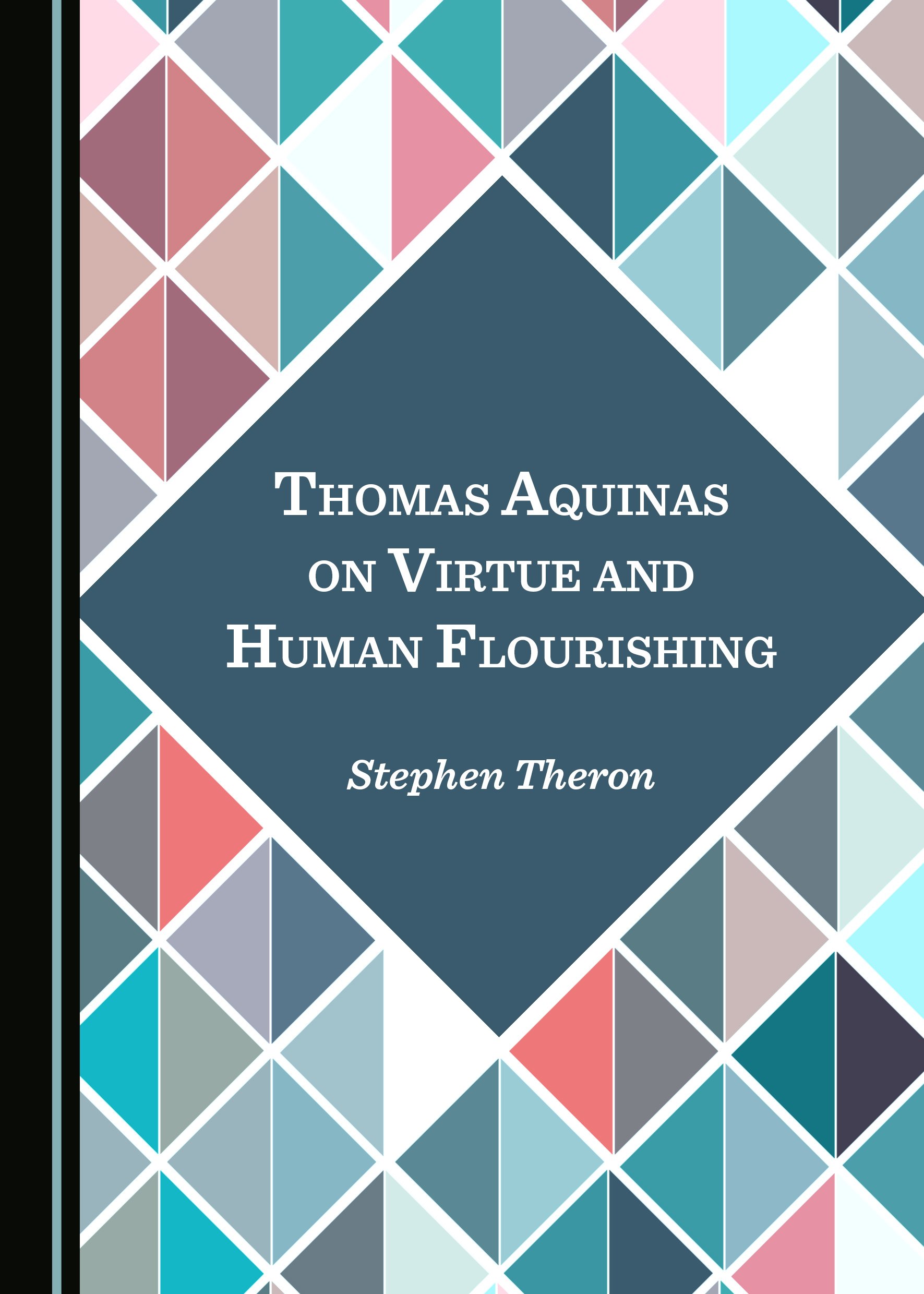
For Thomas Aquinas, ethics is not a set of moral precepts but the cultivation of virtues for human flourishing. Natural law, reflecting the eternal, is awakened within us. Crowned by faith, hope, and love, this vision is summed up in the Beatitudes.
For Thomas Aquinas, ethics is not a set of moral precepts but the cultivation of virtues for human flourishing. Natural law, reflecting the eternal, is awakened within us. Crowned by faith, hope, and love, this vision is summed up in the Beatitudes.
View more
This product has multiple variants. The options may be chosen on the product page
£58.99
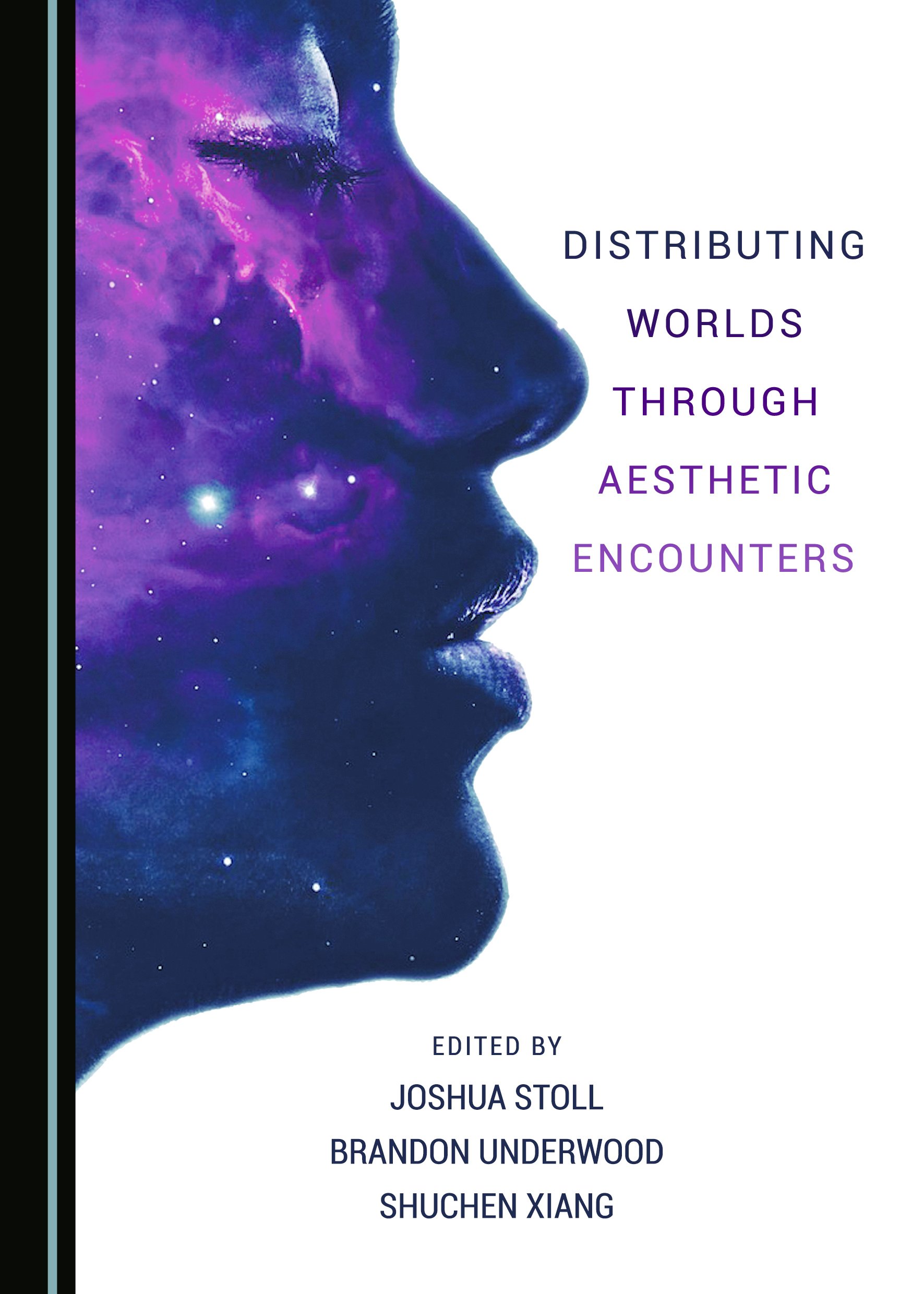
This collection of papers on comparative philosophy challenges academic philosophy’s focus on Western thought. By opening a dialogue across cultures, these chapters explore philosophy's politico-aesthetic dimension, demonstrating the equality of marginalized voices.
This collection of papers on comparative philosophy challenges academic philosophy’s focus on Western thought. By opening a dialogue across cultures, these chapters explore philosophy’s politico-aesthetic dimension, demonstrating the equality of marginalized voices.
View more
This product has multiple variants. The options may be chosen on the product page
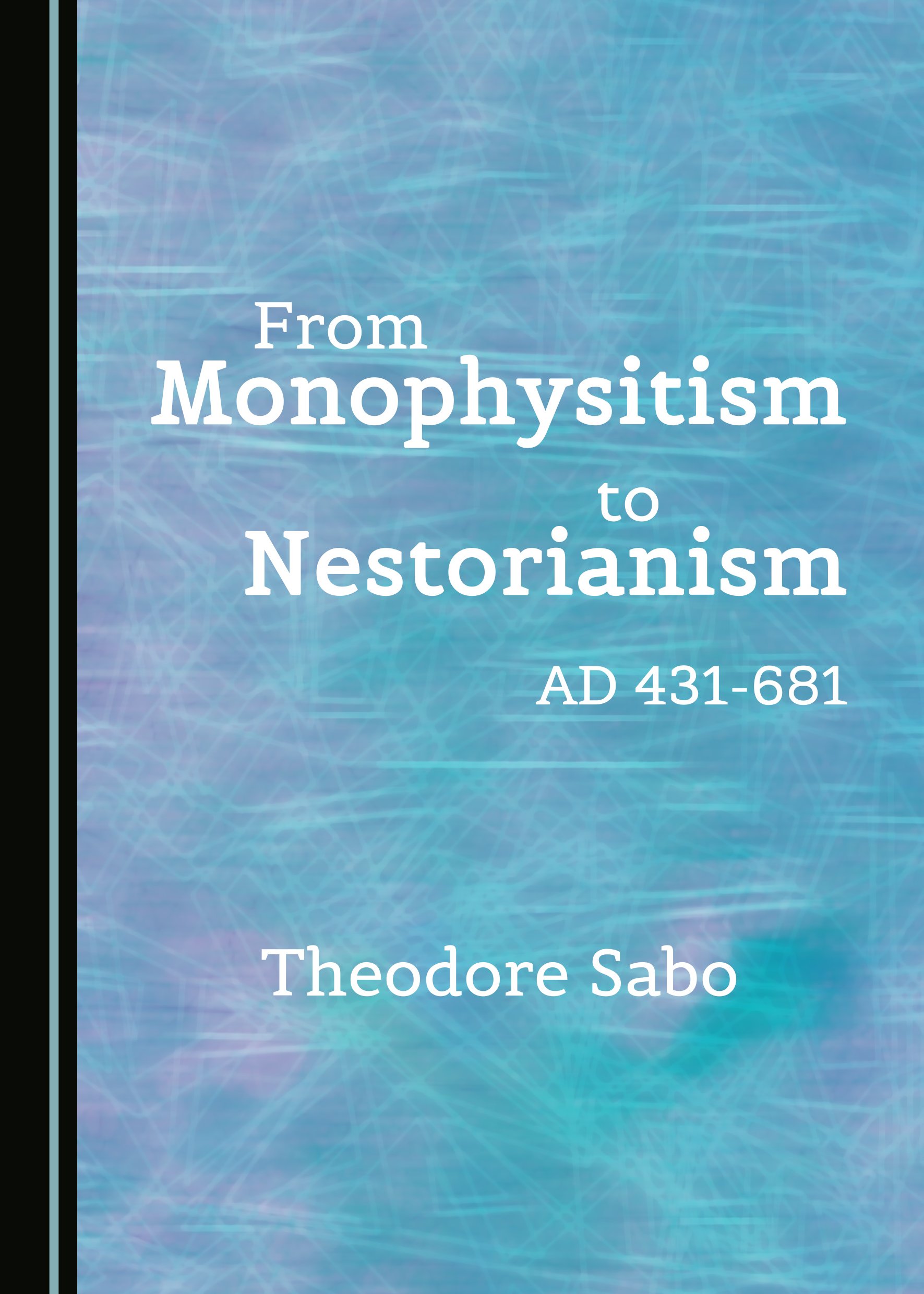
From Monophysitism to Nestorianism
AD 431-681
This book argues that early orthodoxy was not a linear progression. Instead, the church navigated the narrow strait between Nestorianism and Monophysitism by continually changing sides in the Ecumenical Councils, ultimately outwitting both heresies to forge its own path.
This book argues that early orthodoxy was not a linear progression. Instead, the church navigated the narrow strait between Nestorianism and Monophysitism by continually changing sides in the Ecumenical Councils, ultimately outwitting both heresies to forge its own path.
View more
This product has multiple variants. The options may be chosen on the product page
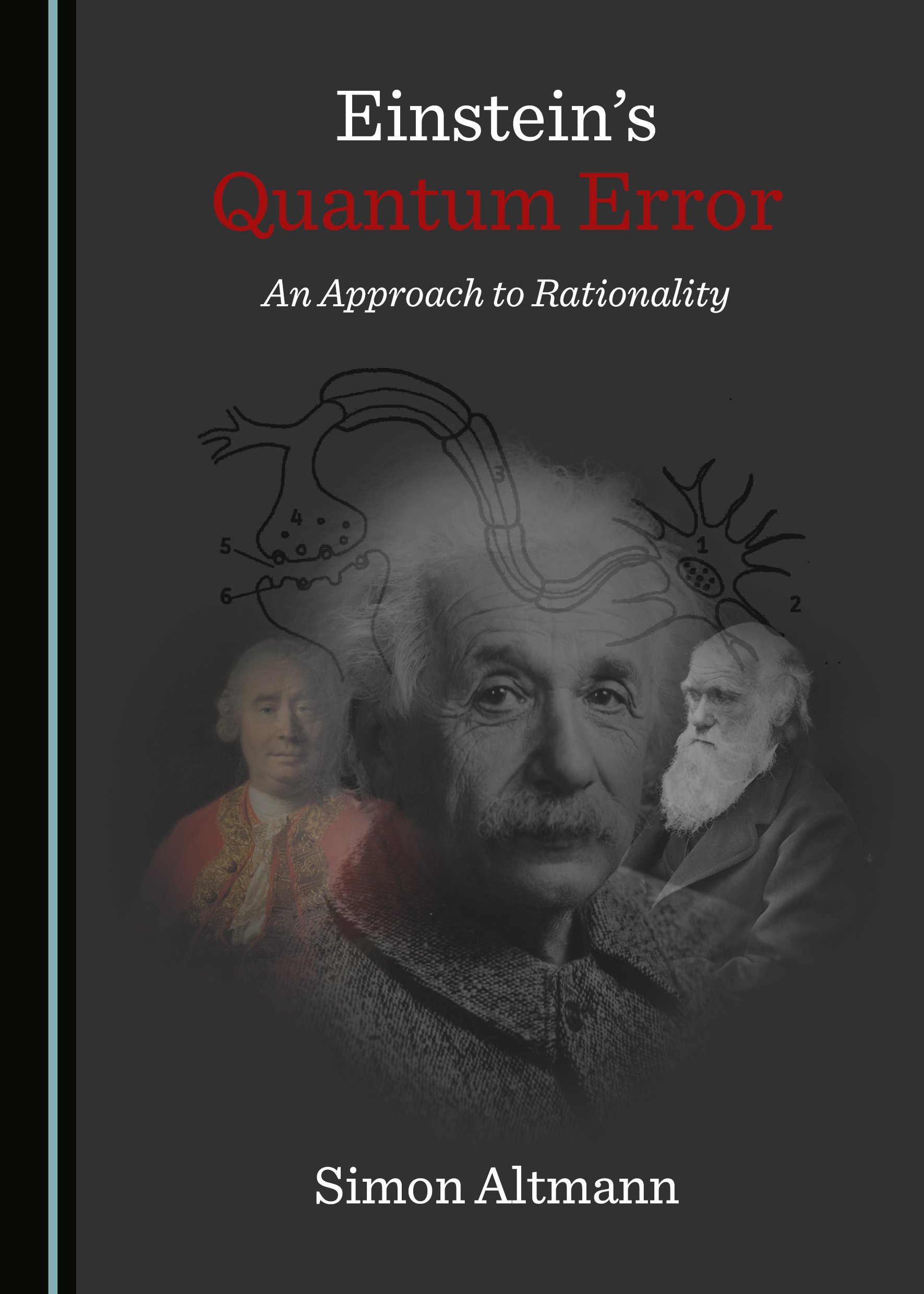
Einstein’s Quantum Error
An Approach to Rationality
What is it to be rational? This book argues that rational principles are not absolutes, but are empirically justified. It shows how principles like causality reflect our brain’s evolved structure, which parallels the physical world, and confronts modern attacks on science.
What is it to be rational? This book argues that rational principles are not absolutes, but are empirically justified. It shows how principles like causality reflect our brain’s evolved structure, which parallels the physical world, and confronts modern attacks on science.
View more
This product has multiple variants. The options may be chosen on the product page
Philosophy and Human Revolution
Essays in Celebration of Daisaku Ikeda’s 90th Birthday
This book offers a philosophical study of Daisaku Ikeda. Not a religious analysis, it examines his intercultural work, which interfaces Japanese tradition with Western rationality. The author adopts an agnostic suspension to leave a place for philosophy and its arguments.
This book offers a philosophical study of Daisaku Ikeda. Not a religious analysis, it examines his intercultural work, which interfaces Japanese tradition with Western rationality. The author adopts an agnostic suspension to leave a place for philosophy and its arguments.
View more
This product has multiple variants. The options may be chosen on the product page
The Possibility of the Sublime
Aesthetic Exchanges
After Professor Jane Forsey argued that a theory of the sublime is impossible, this volume gathers international scholars to challenge her claim. In a tightly focused debate, they defend the sublime as an aesthetic category, concluding with a final response from Forsey herself.
After Professor Jane Forsey argued that a theory of the sublime is impossible, this volume gathers international scholars to challenge her claim. In a tightly focused debate, they defend the sublime as an aesthetic category, concluding with a final response from Forsey herself.
View more
This product has multiple variants. The options may be chosen on the product page
£59.99
This work reclassifies the history of ideas through a new organon for the cultural sciences. Radically revising standard theories, it extracts principles from philosophy, arts, and sciences, and reshapes them as symbolic forms grounded in imagination.
This work reclassifies the history of ideas through a new organon for the cultural sciences. Radically revising standard theories, it extracts principles from philosophy, arts, and sciences, and reshapes them as symbolic forms grounded in imagination.
View more
This product has multiple variants. The options may be chosen on the product page
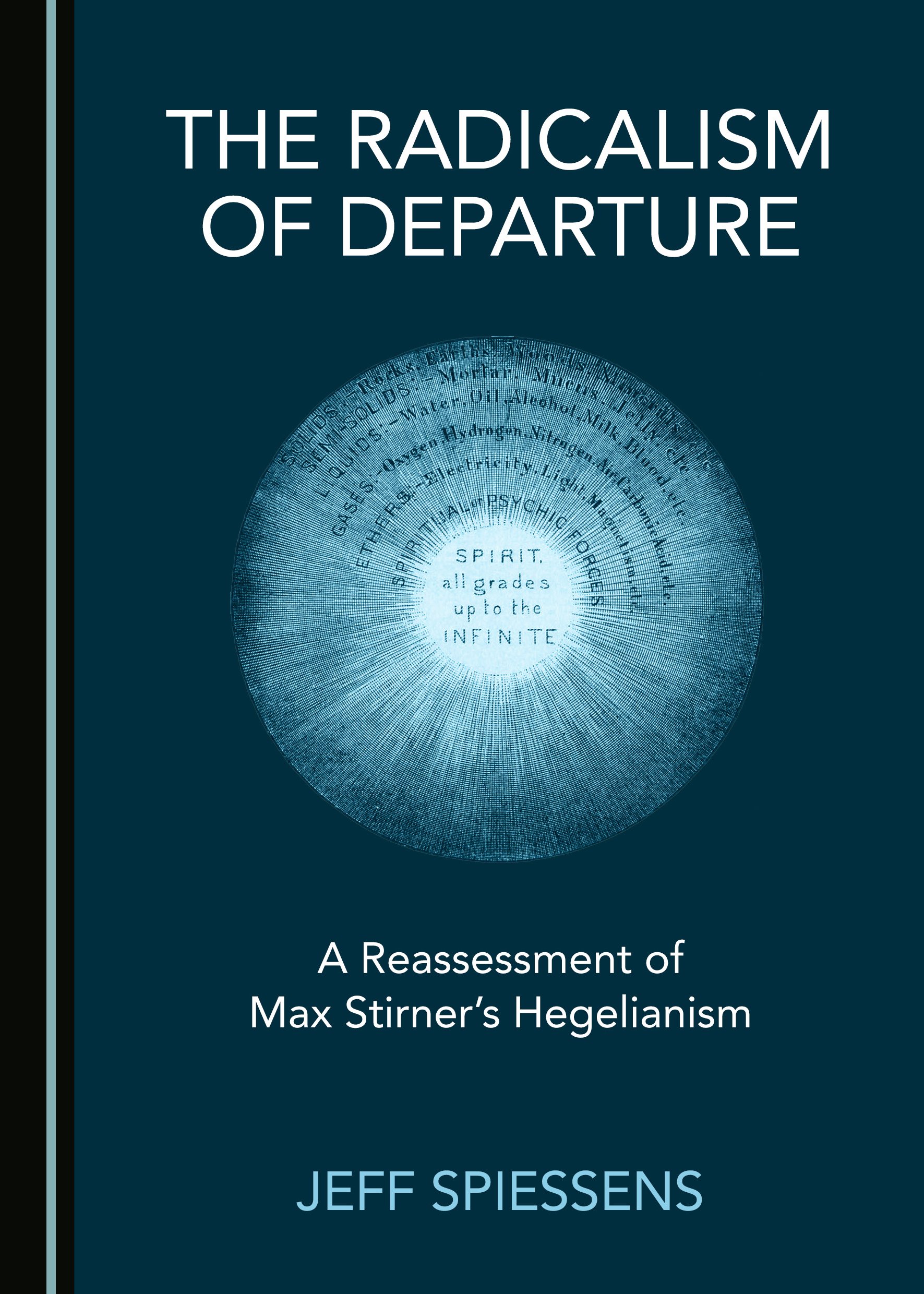
The Radicalism of Departure
A Reassessment of Max Stirner’s Hegelianism
Spiessens proposes an entirely new reading of Max Stirner’s philosophical magnum opus Der Einzige und sein Eigentum. This exciting interpretation clears the way for a philosophical rehabilitation of Stirner’s ideas.
Spiessens proposes an entirely new reading of Max Stirner’s philosophical magnum opus Der Einzige und sein Eigentum. This exciting interpretation clears the way for a philosophical rehabilitation of Stirner’s ideas.
View more
This product has multiple variants. The options may be chosen on the product page
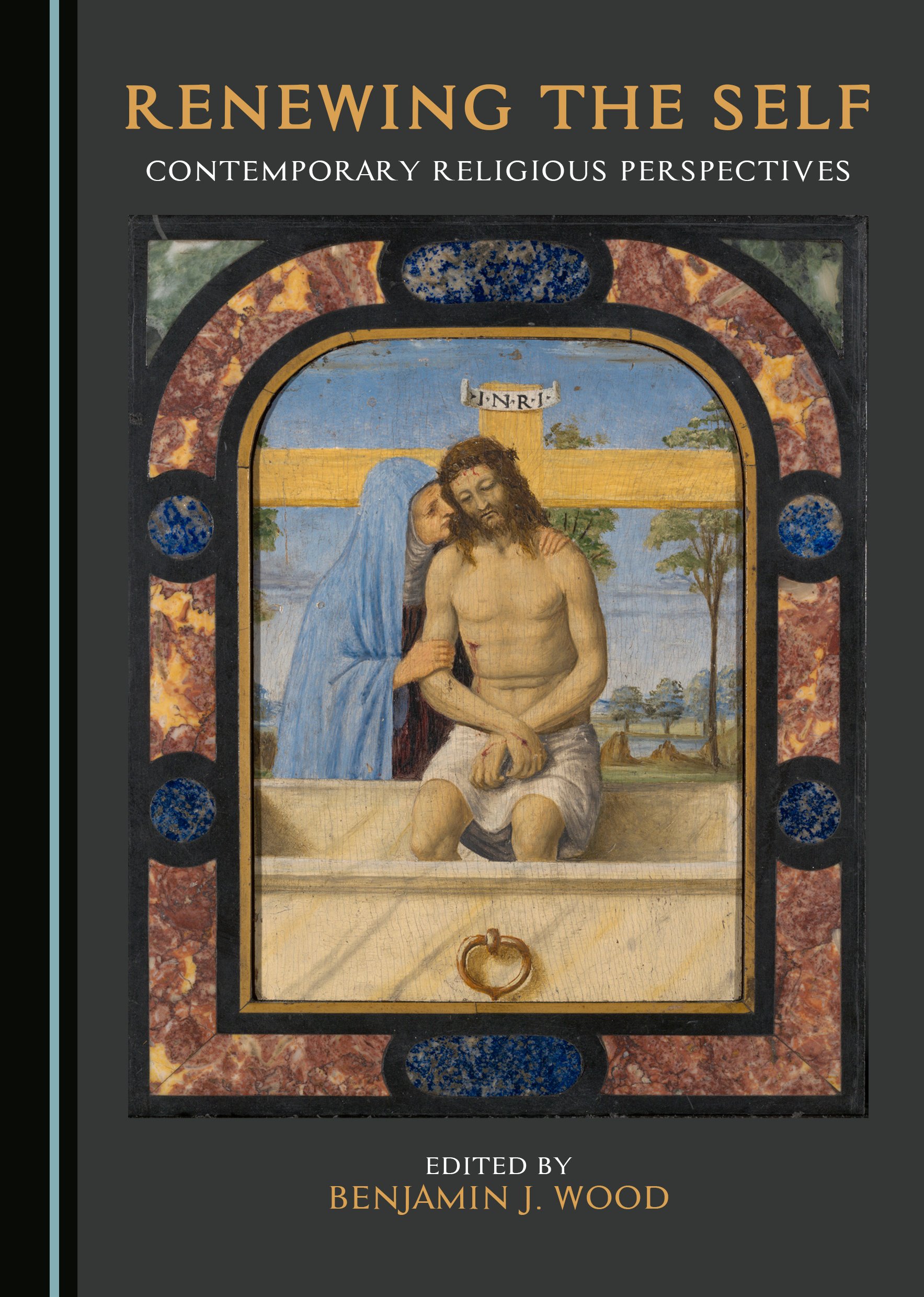
Renewing the Self
Contemporary Religious Perspectives
This publication analyses the roots, significance, and future of the stunning resurgence of religious engagement in both politics and civil society in the UK through the lens of contemporary Christian communities.
This publication analyses the roots, significance, and future of the stunning resurgence of religious engagement in both politics and civil society in the UK through the lens of contemporary Christian communities.
View more
This product has multiple variants. The options may be chosen on the product page
£61.99
This publication features presentations given at the 14th International Conference on Philosophical Practice, and will be of significance and interest not only for philosophers and philosophical practitioners, but also for psychotherapists, counsellors, and other professionals.
This publication features presentations given at the 14th International Conference on Philosophical Practice, and will be of significance and interest not only for philosophers and philosophical practitioners, but also for psychotherapists, counsellors, and other professionals.
View more
This product has multiple variants. The options may be chosen on the product page

£61.99
Despite the enduring popularity of the works of Shadhiliyya master Ibn ‘Ata’ Allah, there has been no systematic analysis of his worldview. This book is the first study to highlight the interconnections in his writings, building a new understanding of his Sufism.
Despite the enduring popularity of the works of Shadhiliyya master Ibn ‘Ata’ Allah, there has been no systematic analysis of his worldview. This book is the first study to highlight the interconnections in his writings, building a new understanding of his Sufism.
View more
This product has multiple variants. The options may be chosen on the product page

£61.99
This book offers a precise way of “looking at things” to re-define the relationship between film and political philosophy. It provides new reflections on the domain’s themes, appealing to academics interested in political philosophy, media studies, and cultural studies.
This book offers a precise way of “looking at things” to re-define the relationship between film and political philosophy. It provides new reflections on the domain’s themes, appealing to academics interested in political philosophy, media studies, and cultural studies.
View more
This product has multiple variants. The options may be chosen on the product page

Ágnes Heller and Hannah Arendt
A Dialogue
This book reconstructs a timely conversation between Hannah Arendt and Ágnes Heller on the malaises of modernity. Two great thinkers enlighten the great moral and political problems of our time, from the demise of totalitarianism to the perennial problems of this century.
This book reconstructs a timely conversation between Hannah Arendt and Ágnes Heller on the malaises of modernity. Two great thinkers enlighten the great moral and political problems of our time, from the demise of totalitarianism to the perennial problems of this century.
View more
This product has multiple variants. The options may be chosen on the product page
£61.99
To make philosophy relevant, the author argues philosophers must go beyond their specializations to clarify how things hang together. This book has a novel emphasis on public morality, understanding it from an evolutionary perspective to raise moral standards.
To make philosophy relevant, the author argues philosophers must go beyond their specializations to clarify how things hang together. This book has a novel emphasis on public morality, understanding it from an evolutionary perspective to raise moral standards.
View more
This product has multiple variants. The options may be chosen on the product page
£61.99
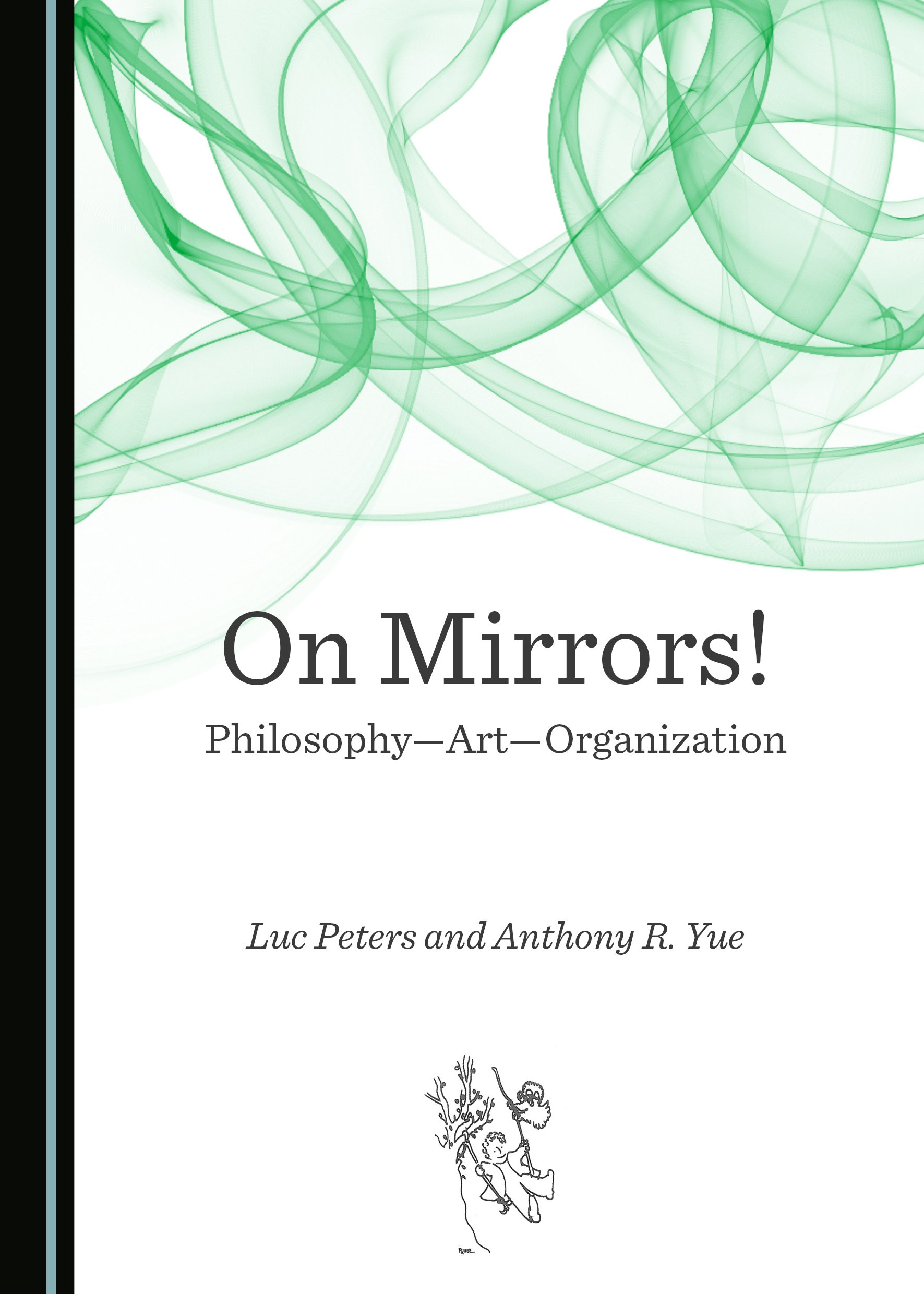
We are caught in the mirror, under its spell. Mirrors direct us without our awareness because we do not perceive them as they are. This book explores a philosophy of mirrors through art and culture, opening up their hidden world and offering a challenge to organization theory.
We are caught in the mirror, under its spell. Mirrors direct us without our awareness because we do not perceive them as they are. This book explores a philosophy of mirrors through art and culture, opening up their hidden world and offering a challenge to organization theory.
View more
This product has multiple variants. The options may be chosen on the product page
Processing Your Order
Please wait while we securely process your order.
Do not refresh or leave this page.
You will be redirected shortly to a confirmation page with your order number.