

£44.99
Bernard Williams, one of the most influential philosophers of the last century, argued for refinements in our basic ideas about persons, ethics, and politics. This anthology showcases scholars continuing his reflective and skeptical tradition.
Bernard Williams, one of the most influential philosophers of the last century, argued for refinements in our basic ideas about persons, ethics, and politics. This anthology showcases scholars continuing his reflective and skeptical tradition.
View more
This product has multiple variants. The options may be chosen on the product page
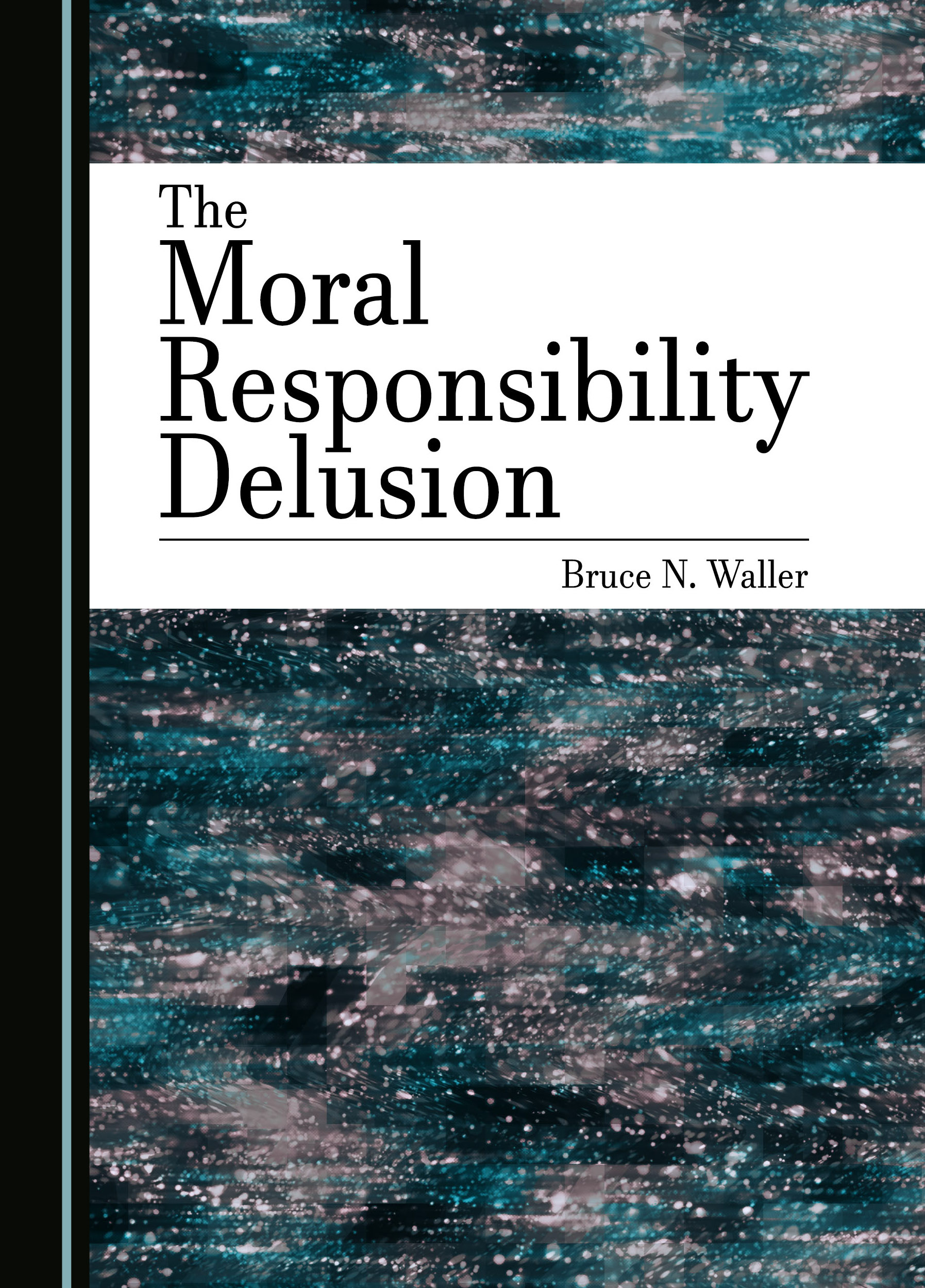
From £32.99
Belief in moral responsibility is a profound commitment, but the common philosophical arguments cannot account for its power. This book is a quest to uncover the deeper sources, showing that our belief is rooted in powerful psychological factors that rarely rise to consciousness.
Belief in moral responsibility is a profound commitment, but the common philosophical arguments cannot account for its power. This book is a quest to uncover the deeper sources, showing that our belief is rooted in powerful psychological factors that rarely rise to consciousness.
View more
This product has multiple variants. The options may be chosen on the product page
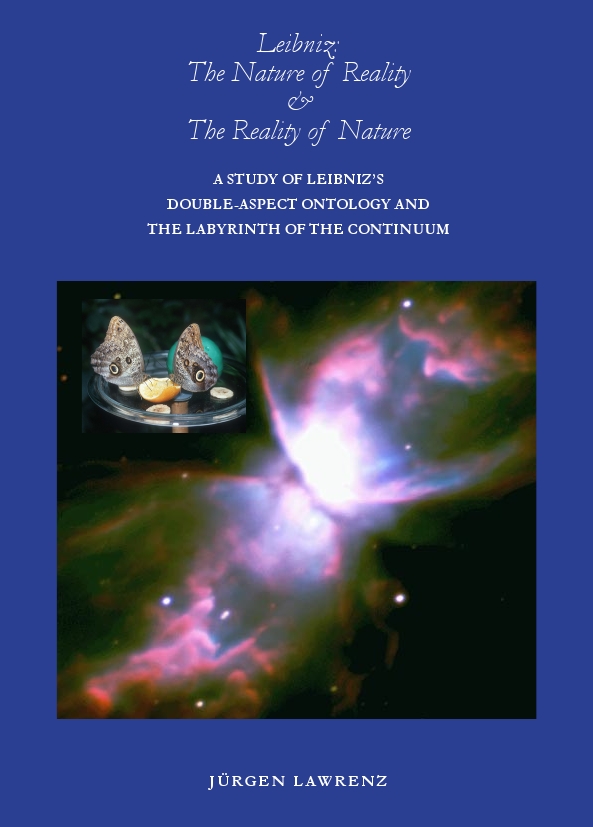
The Nature of Reality and the Reality of Nature
A Study of Leibniz’s Double-Aspect Ontology and the Labyrinth of the Continuum
Drawing on unpublished papers, this study unveils a Leibniz of breathtaking boldness, whose ambition was to solve the enigma of existence by uniting physical reality with metaphysical possibility.
Drawing on unpublished papers, this study unveils a Leibniz of breathtaking boldness, whose ambition was to solve the enigma of existence by uniting physical reality with metaphysical possibility.
View more
This product has multiple variants. The options may be chosen on the product page

The Opportunity to Live Well
The Wisdom of Nelson Mandela, Gough Whitlam, Pete Seeger and Others
Traditional success—money, fame, career—won't provide a good life. So, how can we truly live well? Learn from the lives of Nelson Mandela and others who show that the joyous rewards of living well come from cultivating awareness, passion, empathy, and resilience.
Traditional success—money, fame, career—won’t provide a good life. So, how can we truly live well? Learn from the lives of Nelson Mandela and others who show that the joyous rewards of living well come from cultivating awareness, passion, empathy, and resilience.
View more
This product has multiple variants. The options may be chosen on the product page

The Personalist Social Contract
Saving Multiculturalism, Artificial Intelligence, and Civilization
How can we survive with a broken humanity? Our urgent existential threats demonstrate how dangerously divided we are. This book proposes the Personalist Social Contract (PSC) as a common moral language to bring together our sciences and societies for shared survival.
How can we survive with a broken humanity? Our urgent existential threats demonstrate how dangerously divided we are. This book proposes the Personalist Social Contract (PSC) as a common moral language to bring together our sciences and societies for shared survival.
View more
This product has multiple variants. The options may be chosen on the product page
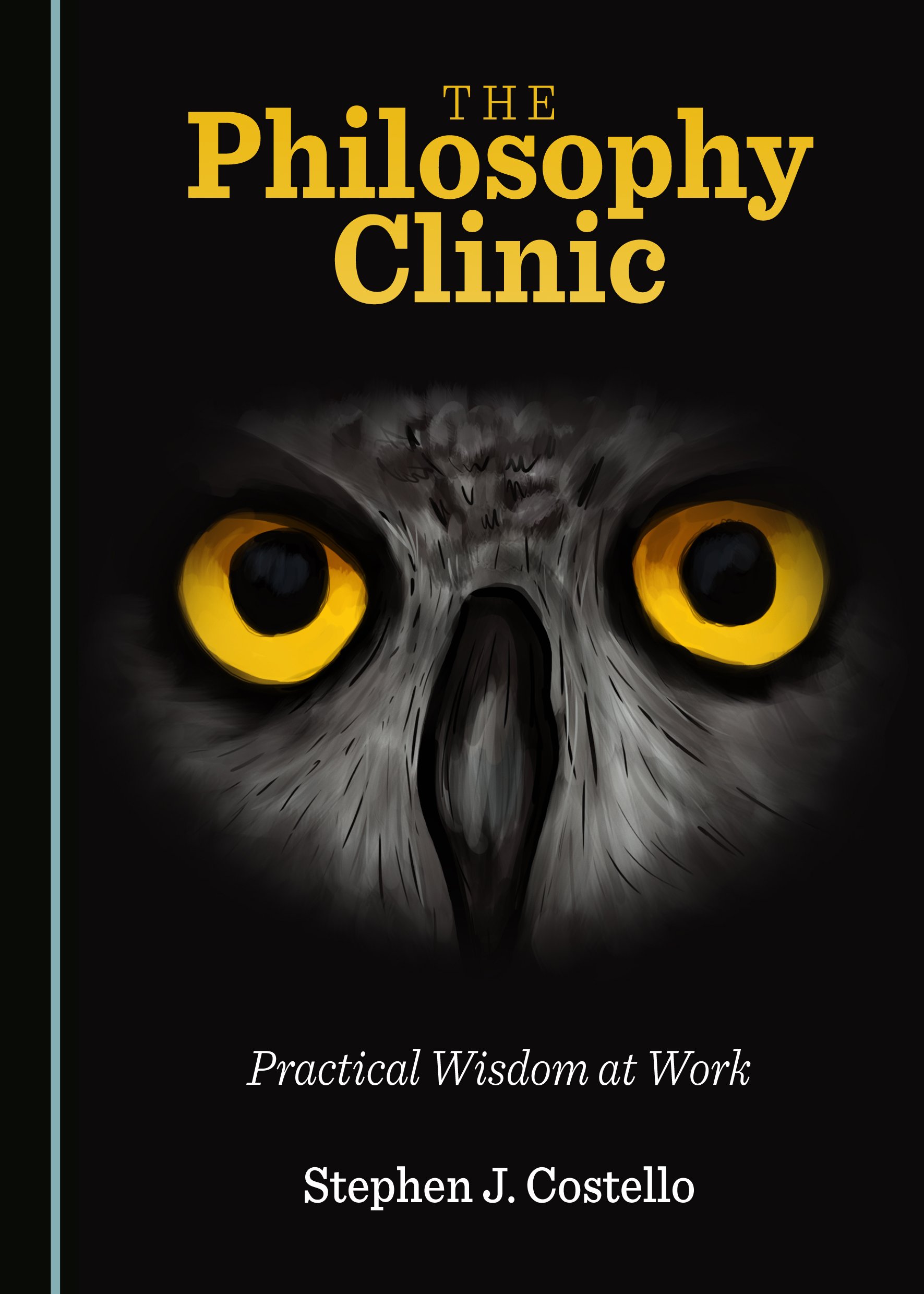
The Philosophy Clinic
Practical Wisdom at Work
Highlighting the modern movement of ‘philosophical practice’, this collection shows philosophers’ return to the ancient understanding of philosophy as consolation and contemplation. It argues philosophy is a path and issues a living praxis devoted to daily spiritual exercises.
Highlighting the modern movement of ‘philosophical practice’, this collection shows philosophers’ return to the ancient understanding of philosophy as consolation and contemplation. It argues philosophy is a path and issues a living praxis devoted to daily spiritual exercises.
View more
This product has multiple variants. The options may be chosen on the product page

The Philosophy of Chemistry
Practices, Methodologies, and Concepts
This volume connects chemistry and philosophy by exploring chemical practice. Chemists and philosophers collaborate to reshape concepts, address current challenges, and foster inventiveness. Prefaced by Nobel Laureate in Chemistry, Roald Hoffmann.
This volume connects chemistry and philosophy by exploring chemical practice. Chemists and philosophers collaborate to reshape concepts, address current challenges, and foster inventiveness. Prefaced by Nobel Laureate in Chemistry, Roald Hoffmann.
View more
This product has multiple variants. The options may be chosen on the product page
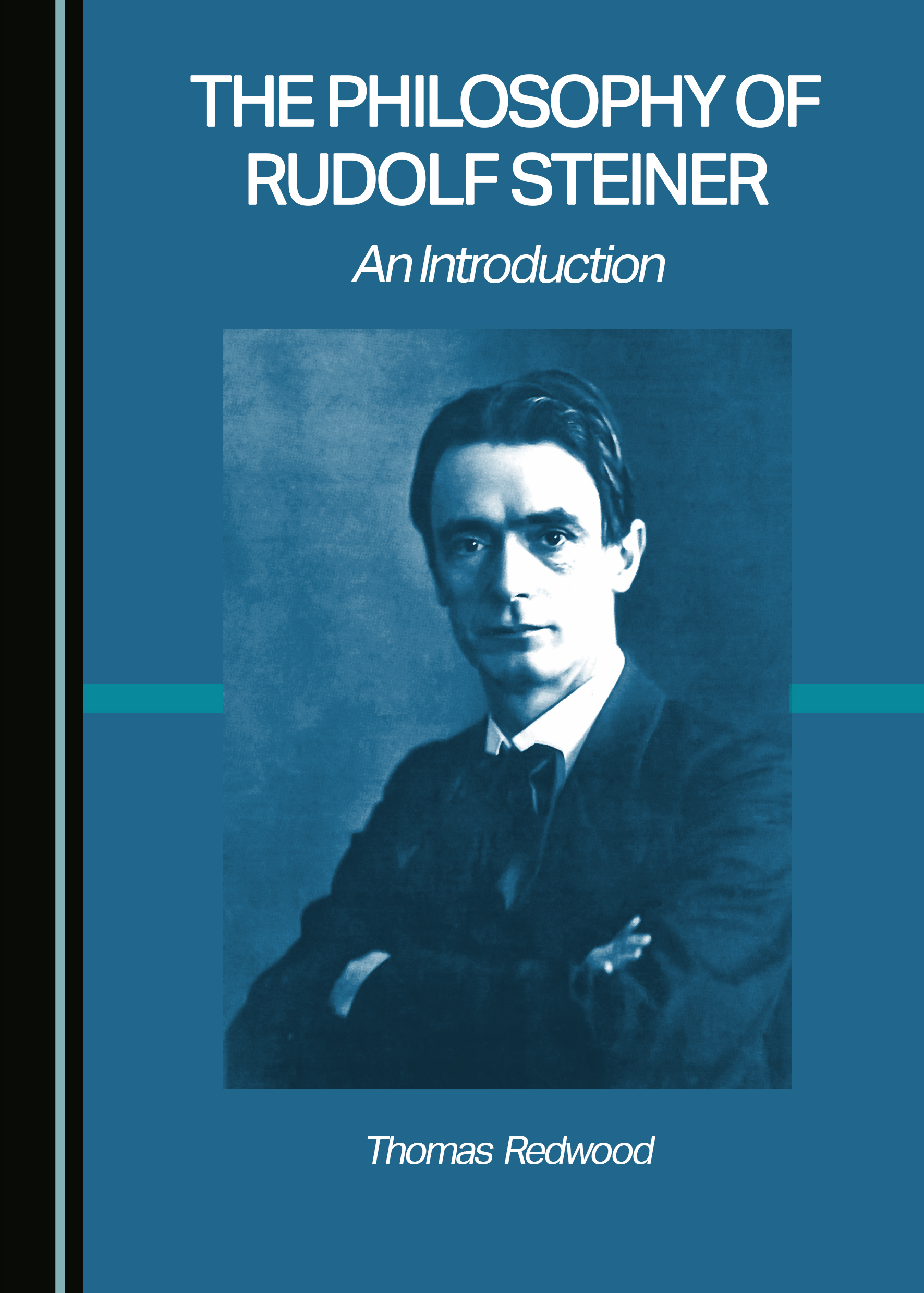
The Philosophy of Rudolf Steiner
An Introduction
While Rudolf Steiner's influence is widespread, his philosophy remains largely unknown. This book makes his complex spiritual philosophy, Anthroposophy, accessible. Using simple terms, it presents the fundamentals and offers a first step for further study.
While Rudolf Steiner’s influence is widespread, his philosophy remains largely unknown. This book makes his complex spiritual philosophy, Anthroposophy, accessible. Using simple terms, it presents the fundamentals and offers a first step for further study.
View more
This product has multiple variants. The options may be chosen on the product page
£39.95
As T. H. Green enjoys a revival, this book is a useful companion to his thought. It offers a simple exposition of the central themes in his work, including his metaphysics, his moral and political philosophy, and his thoughts on freedom.
As T. H. Green enjoys a revival, this book is a useful companion to his thought. It offers a simple exposition of the central themes in his work, including his metaphysics, his moral and political philosophy, and his thoughts on freedom.
View more
This product has multiple variants. The options may be chosen on the product page
The Places of God in an Age of Re-Embodiments
What is Culture?
Thomas-Pellicer revisits Western ontological and epistemological assumptions, a necessity in today’s age of ecological decay. She offers a critical analysis of sustainable development and problematically situates it within the ecocidal trajectory of Western metaphysics.
Thomas-Pellicer revisits Western ontological and epistemological assumptions, a necessity in today’s age of ecological decay. She offers a critical analysis of sustainable development and problematically situates it within the ecocidal trajectory of Western metaphysics.
View more
This product has multiple variants. The options may be chosen on the product page
£49.99
This book explores the silenced link between reason and madness. Reading Plato through Heidegger, Nietzsche, and Derrida, it forges a new logic to reclaim the human need for a meaningful life in a world that denies it.
This book explores the silenced link between reason and madness. Reading Plato through Heidegger, Nietzsche, and Derrida, it forges a new logic to reclaim the human need for a meaningful life in a world that denies it.
View more
This product has multiple variants. The options may be chosen on the product page
The Possibility of Love
An Interdisciplinary Analysis
Is love actually possible, or is it an illusion? This book explores the obstacles to love, the consequences of its absence, and our unquenchable desire for it through an interdisciplinary analysis of philosophy, psychoanalysis, and poetry.
Is love actually possible, or is it an illusion? This book explores the obstacles to love, the consequences of its absence, and our unquenchable desire for it through an interdisciplinary analysis of philosophy, psychoanalysis, and poetry.
View more
This product has multiple variants. The options may be chosen on the product page

The Possibility of the Sublime
Aesthetic Exchanges
After Professor Jane Forsey argued that a theory of the sublime is impossible, this volume gathers international scholars to challenge her claim. In a tightly focused debate, they defend the sublime as an aesthetic category, concluding with a final response from Forsey herself.
After Professor Jane Forsey argued that a theory of the sublime is impossible, this volume gathers international scholars to challenge her claim. In a tightly focused debate, they defend the sublime as an aesthetic category, concluding with a final response from Forsey herself.
View more
This product has multiple variants. The options may be chosen on the product page
From £29.99
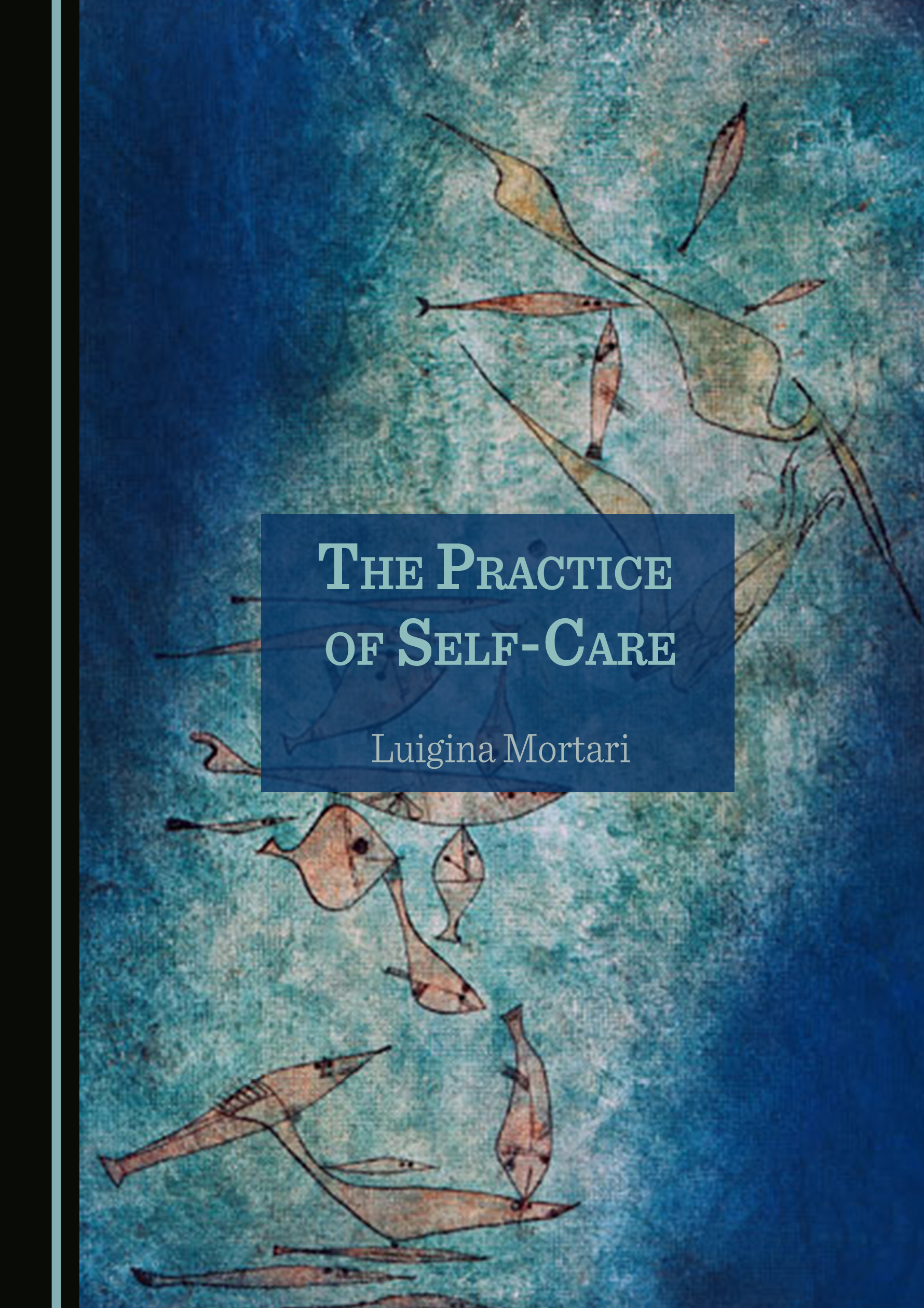
This book explores the philosophy of care, arguing for its primacy in human life. It analyzes care of the self through “spiritual practices”—techniques like achieving inner silence and writing—that shape our way of being and form an ethics of the self.
This book explores the philosophy of care, arguing for its primacy in human life. It analyzes care of the self through “spiritual practices”—techniques like achieving inner silence and writing—that shape our way of being and form an ethics of the self.
View more
This product has multiple variants. The options may be chosen on the product page
£4.99
This new edition of F. H. Bradley’s Principles of Logic is pivotal for understanding British idealism. A new introduction by William Moss places the work in context and challenges the view that Bradley is of little use for philosophy today.
This new edition of F. H. Bradley’s Principles of Logic is pivotal for understanding British idealism. A new introduction by William Moss places the work in context and challenges the view that Bradley is of little use for philosophy today.
View more
This product has multiple variants. The options may be chosen on the product page
The Progress of Philosophy
An Historical Introduction to Philosophy Readings with Commentary
This book offers selections from seven philosophers, with commentary connecting their ideas to their social and scientific milieu—Plato to geometry, Hobbes to the English civil war, Peirce to Darwin. See how they organized their beliefs into a coherent picture of the world.
This book offers selections from seven philosophers, with commentary connecting their ideas to their social and scientific milieu—Plato to geometry, Hobbes to the English civil war, Peirce to Darwin. See how they organized their beliefs into a coherent picture of the world.
View more
This product has multiple variants. The options may be chosen on the product page
£62.99
How do we respond to the big questions of our time in our daily lives? By exploring power relations and the climate crisis, this book translates the abstract into the concrete and the political into the personal. It offers conceptual beginnings for showing up differently.
How do we respond to the big questions of our time in our daily lives? By exploring power relations and the climate crisis, this book translates the abstract into the concrete and the political into the personal. It offers conceptual beginnings for showing up differently.
View more
This product has multiple variants. The options may be chosen on the product page
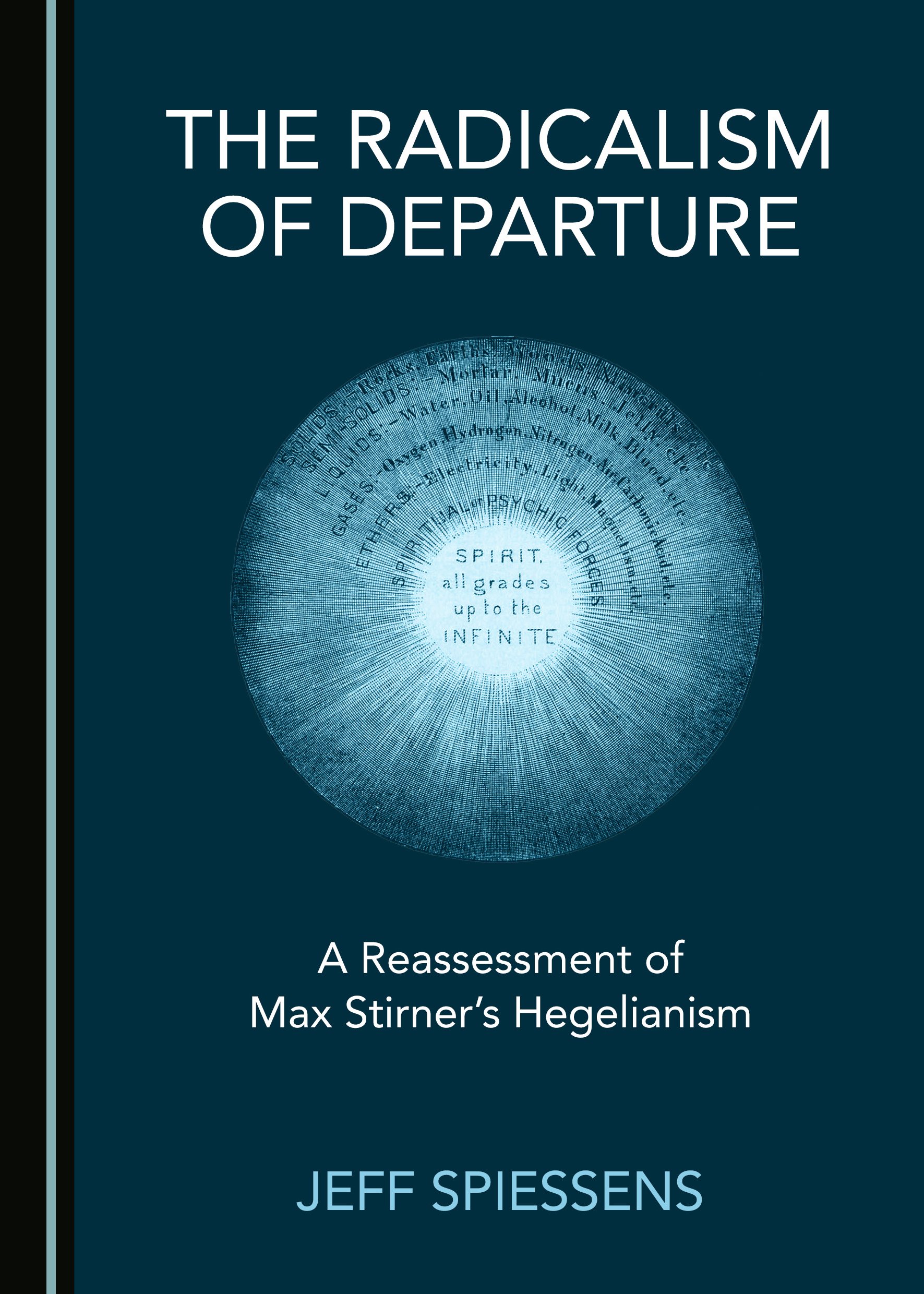
The Radicalism of Departure
A Reassessment of Max Stirner’s Hegelianism
Spiessens proposes an entirely new reading of Max Stirner’s philosophical magnum opus Der Einzige und sein Eigentum. This exciting interpretation clears the way for a philosophical rehabilitation of Stirner’s ideas.
Spiessens proposes an entirely new reading of Max Stirner’s philosophical magnum opus Der Einzige und sein Eigentum. This exciting interpretation clears the way for a philosophical rehabilitation of Stirner’s ideas.
View more
This product has multiple variants. The options may be chosen on the product page
The Recognition Principle
A Philosophical Perspective between Psychology, Sociology and Politics
This book explores recognition across psychology, sociology, and politics. It argues that no philosophy of recognition can be built without deep psychological and anthropological foundations, ultimately exploring recognition as a general 'recognition principle'.
This book explores recognition across psychology, sociology, and politics. It argues that no philosophy of recognition can be built without deep psychological and anthropological foundations, ultimately exploring recognition as a general ‘recognition principle’.
View more
This product has multiple variants. The options may be chosen on the product page
£61.99
To make philosophy relevant, the author argues philosophers must go beyond their specializations to clarify how things hang together. This book has a novel emphasis on public morality, understanding it from an evolutionary perspective to raise moral standards.
To make philosophy relevant, the author argues philosophers must go beyond their specializations to clarify how things hang together. This book has a novel emphasis on public morality, understanding it from an evolutionary perspective to raise moral standards.
View more
This product has multiple variants. The options may be chosen on the product page
Processing Your Order
Please wait while we securely process your order.
Do not refresh or leave this page.
You will be redirected shortly to a confirmation page with your order number.