
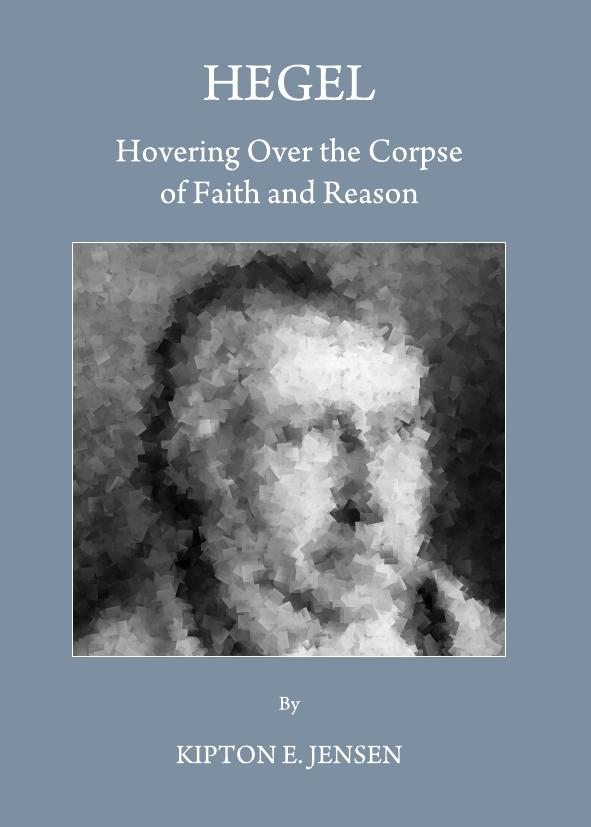
Hegel
Hovering Over the Corpse of Faith and Reason
This revisionist reading of Hegel’s essay, Faith and Knowledge, argues his critique of predecessors was no misreading. As a philosophical latecomer, Hegel appropriated the thought of his precursors with an eye toward overcoming them.
This revisionist reading of Hegel’s essay, Faith and Knowledge, argues his critique of predecessors was no misreading. As a philosophical latecomer, Hegel appropriated the thought of his precursors with an eye toward overcoming them.
View more
This product has multiple variants. The options may be chosen on the product page
Religion After Kant
God and Culture in the Idealist Era
After Kant, idealist thinkers like Hegel and Schelling transformed the conceptual framework for considering religion. This volume explores their reconsideration of religion’s place within human self-fashioning, which shaped later thinkers like Kierkegaard and Nietzsche.
After Kant, idealist thinkers like Hegel and Schelling transformed the conceptual framework for considering religion. This volume explores their reconsideration of religion’s place within human self-fashioning, which shaped later thinkers like Kierkegaard and Nietzsche.
View more
This product has multiple variants. The options may be chosen on the product page
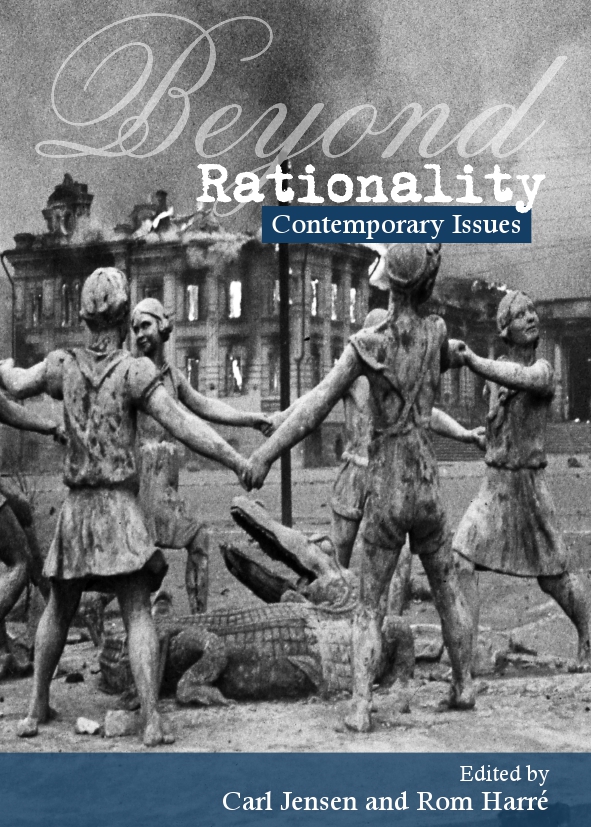
Beyond Rationality
Contemporary Issues
Scholars explore irrationality in our complex world, examining such puzzles as why citizens support dictatorships, how terrorists “reason,” and why rational people make irrational choices.
Scholars explore irrationality in our complex world, examining such puzzles as why citizens support dictatorships, how terrorists “reason,” and why rational people make irrational choices.
View more
This product has multiple variants. The options may be chosen on the product page
A Poetics of Homecoming
Heidegger, Homelessness and the Homecoming Venture
This study confronts humanity’s state of homelessness by rigorously exploring Heidegger’s thought. Weighing his ideas against scathing critiques from Adorno and Lévinas, it reveals how his discourse on homecoming offers insights for humanity at large.
This study confronts humanity’s state of homelessness by rigorously exploring Heidegger’s thought. Weighing his ideas against scathing critiques from Adorno and Lévinas, it reveals how his discourse on homecoming offers insights for humanity at large.
View more
This product has multiple variants. The options may be chosen on the product page
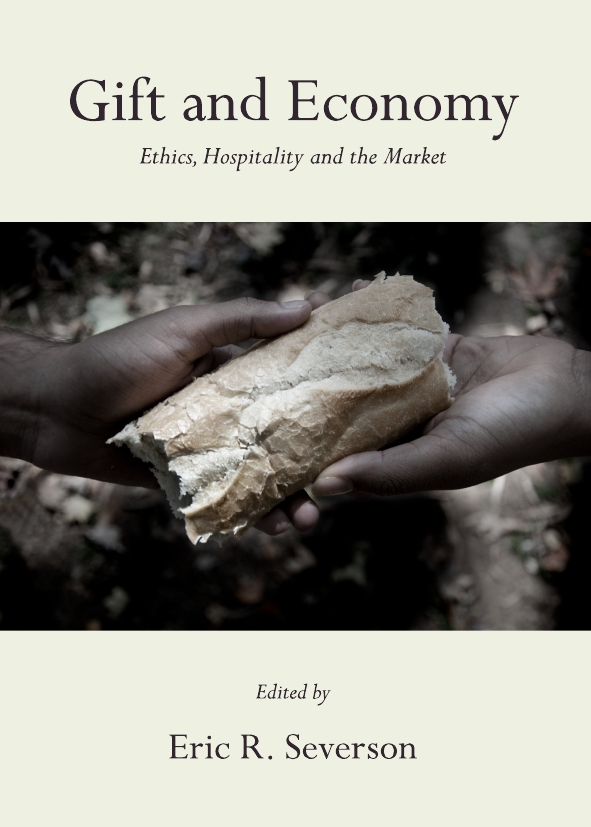
Gift and Economy
Ethics, Hospitality and the Market
Is a pure gift truly possible? The powerful forces of economy can corrupt every effort to give. This volume takes up Jacques Derrida’s challenge to investigate the gift, exploring an excess that cannot be explained by the calculus of exchange and power.
Is a pure gift truly possible? The powerful forces of economy can corrupt every effort to give. This volume takes up Jacques Derrida’s challenge to investigate the gift, exploring an excess that cannot be explained by the calculus of exchange and power.
View more
This product has multiple variants. The options may be chosen on the product page
After God, with Reason Alone – Saikat Guha Commemorative Volume (Volume 8
Proceedings of the Society for Medieval Logic and Metaphysics)
Philosopher and physicist Saikat Guha was a metaphysician interested in applying rigorous logic to theology. These five papers reformulate Aquinas's arguments for God, ask if Ockham's razor requires atheism, and model the Trinity's logical consistency.
Philosopher and physicist Saikat Guha was a metaphysician interested in applying rigorous logic to theology. These five papers reformulate Aquinas’s arguments for God, ask if Ockham’s razor requires atheism, and model the Trinity’s logical consistency.
View more
This product has multiple variants. The options may be chosen on the product page
The Demonic Temptations of Medieval Nominalism (Volume 9
Proceedings of the Society for Medieval Logic and Metaphysics)
These essays explore medieval debates on singular cognition and nominalist epistemology. From Aquinas and Scotus to Ockham and John Buridan, this volume traces how nominalism leads to "Demon Skepticism" and the "weird" implications of Buridan's metaphysics.
These essays explore medieval debates on singular cognition and nominalist epistemology. From Aquinas and Scotus to Ockham and John Buridan, this volume traces how nominalism leads to “Demon Skepticism” and the “weird” implications of Buridan’s metaphysics.
View more
This product has multiple variants. The options may be chosen on the product page
Medieval Metaphysics, or is it “Just Semantics”? (Volume 7
Proceedings of the Society for Medieval Logic and Metaphysics)
Medieval thinkers, driven by metaphysical and epistemological commitments, sought to discern how concepts latch onto reality. This book follows these attempts concerning the signification of theological discourse, Trinitarian semantics, and essential definition.
Medieval thinkers, driven by metaphysical and epistemological commitments, sought to discern how concepts latch onto reality. This book follows these attempts concerning the signification of theological discourse, Trinitarian semantics, and essential definition.
View more
This product has multiple variants. The options may be chosen on the product page
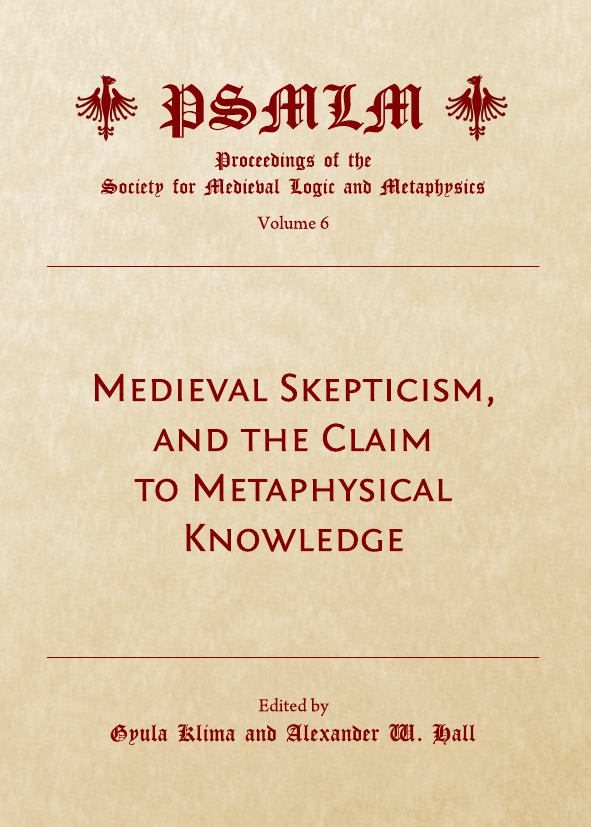
Medieval Skepticism, and the Claim to Metaphysical Knowledge (Volume 6
Proceedings of the Society for Medieval Logic and Metaphysics)
This collection of essays explores medieval skepticism and metaphysical knowledge. It features scholarly exchanges on Siger of Brabant’s strategy against the skeptic, Walter Chatton’s critique of Ockhamism, and key issues in the metaphysics of Thomas Aquinas.
This collection of essays explores medieval skepticism and metaphysical knowledge. It features scholarly exchanges on Siger of Brabant’s strategy against the skeptic, Walter Chatton’s critique of Ockhamism, and key issues in the metaphysics of Thomas Aquinas.
View more
This product has multiple variants. The options may be chosen on the product page
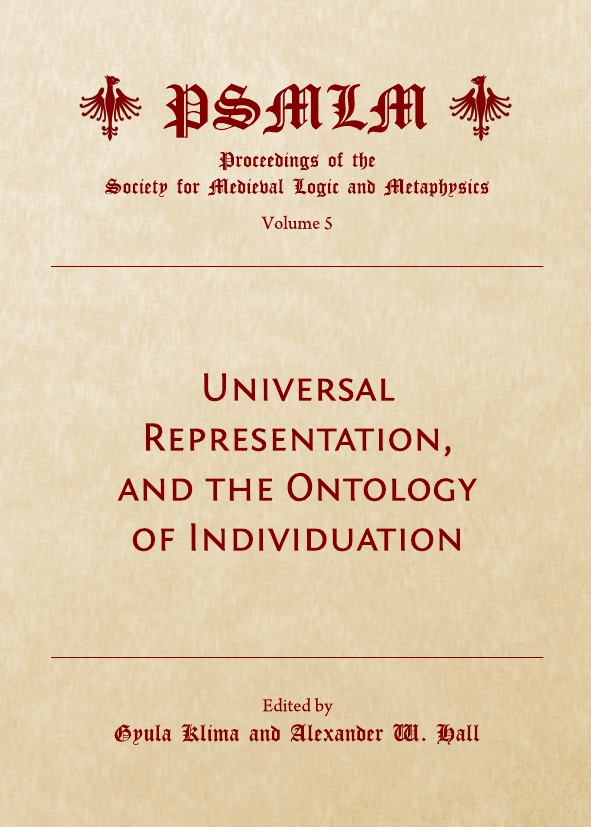
Universal Representation, and the Ontology of Individuation (Volume 5
Proceedings of the Society for Medieval Logic and Metaphysics)
These essays explore ceaseless medieval debates on how we conceive things and the nature of individuation. They consider the metaphysics of universal representation in thinkers from Avicenna and Aquinas to Duns Scotus and Ockham.
These essays explore ceaseless medieval debates on how we conceive things and the nature of individuation. They consider the metaphysics of universal representation in thinkers from Avicenna and Aquinas to Duns Scotus and Ockham.
View more
This product has multiple variants. The options may be chosen on the product page
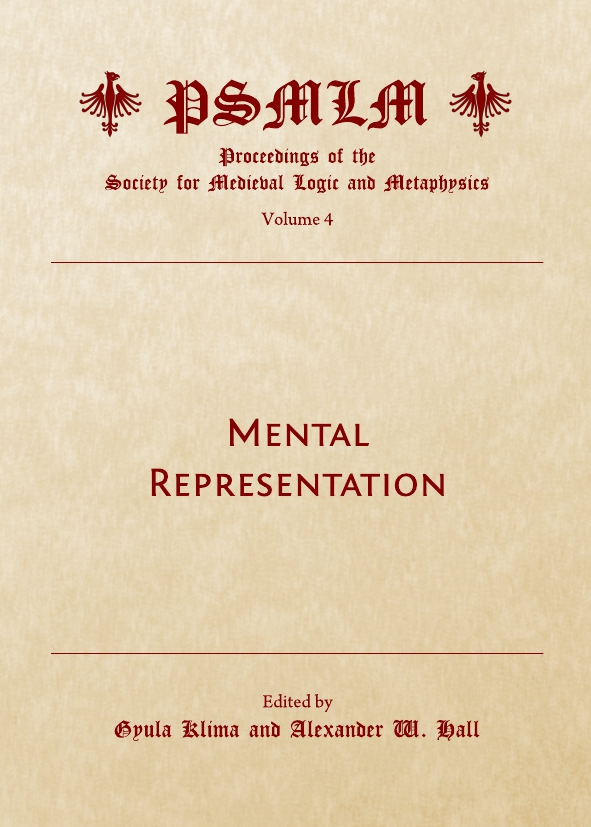
Mental Representation (Volume 4
Proceedings of the Society for Medieval Logic and Metaphysics)
Contrary to common belief, medieval philosophers saw intentionality in physical phenomena like reflections and sounds. Mental Representation explores their intricate views on cognition and representation, shedding new light on historical and contemporary philosophy of mind.
Contrary to common belief, medieval philosophers saw intentionality in physical phenomena like reflections and sounds. Mental Representation explores their intricate views on cognition and representation, shedding new light on historical and contemporary philosophy of mind.
View more
This product has multiple variants. The options may be chosen on the product page
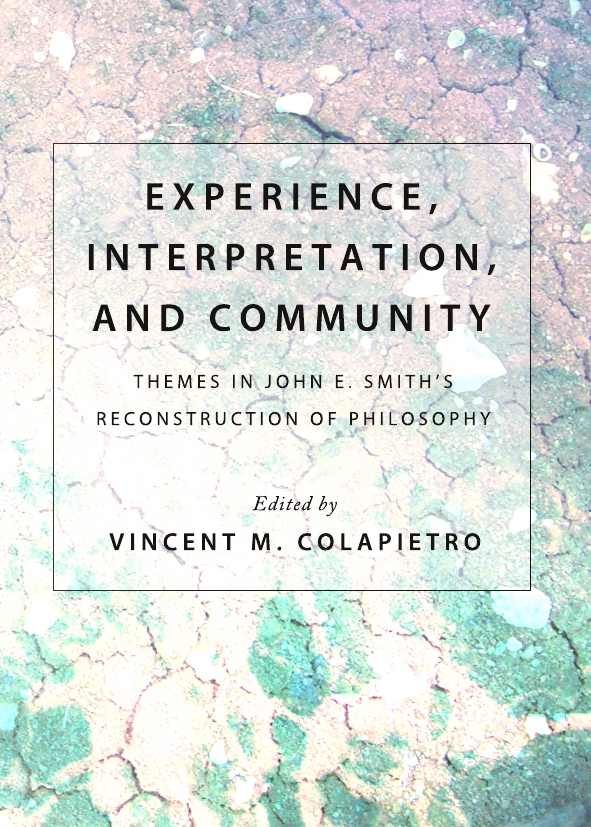
Experience, Interpretation, and Community
Themes in John E. Smith’s Reconstruction of Philosophy
John Edwin Smith recovered the voice of philosophy, showing its relevance to contemporary life. He not only anticipated key philosophical developments but also pointed the way beyond intellectual impasses. The essays in this volume reveal his wisdom for our world.
John Edwin Smith recovered the voice of philosophy, showing its relevance to contemporary life. He not only anticipated key philosophical developments but also pointed the way beyond intellectual impasses. The essays in this volume reveal his wisdom for our world.
View more
This product has multiple variants. The options may be chosen on the product page
Categories, and What Is Beyond (Volume 2
Proceedings of the Society for Medieval Logic and Metaphysics)
Drawing on late antiquity and the middle ages, these essays study what types of things exist, the accuracy of our knowledge, the semantics of analogy, and how these considerations bear on our ability to learn and speak of God.
Drawing on late antiquity and the middle ages, these essays study what types of things exist, the accuracy of our knowledge, the semantics of analogy, and how these considerations bear on our ability to learn and speak of God.
View more
This product has multiple variants. The options may be chosen on the product page
The Immateriality of the Human Mind, the Semantics of Analogy, and the Conceivability of God (Volume 1
Proceedings of the Society for Medieval Logic and Metaphysics)
Experts in medieval philosophy consider the nature of God and the soul. They explore Anselm’s proof for God’s existence, Aquinas and Buridan on the immateriality of the mind, and Cajetan on how we can speak of the divine essence.
Experts in medieval philosophy consider the nature of God and the soul. They explore Anselm’s proof for God’s existence, Aquinas and Buridan on the immateriality of the mind, and Cajetan on how we can speak of the divine essence.
View more
This product has multiple variants. The options may be chosen on the product page
Knowledge, Mental Language, and Free Will (Volume 3
Proceedings of the Society for Medieval Logic and Metaphysics)
Knowledge, Mental Language, and Free Will traverses medieval metaphysics and logic, exploring Aquinas on scientific knowledge, Ockham on mental language, and the antinomy between free will and determination in an attempt to reconcile human freedom with God's omniscience.
Knowledge, Mental Language, and Free Will traverses medieval metaphysics and logic, exploring Aquinas on scientific knowledge, Ockham on mental language, and the antinomy between free will and determination in an attempt to reconcile human freedom with God’s omniscience.
View more
This product has multiple variants. The options may be chosen on the product page
From £25.99
This collection of essays explores the connection between Nietzsche and Phenomenology. Leading international scholars uncover surprising new connections and profound differences, offering significant insights that broaden our understanding of both.
This collection of essays explores the connection between Nietzsche and Phenomenology. Leading international scholars uncover surprising new connections and profound differences, offering significant insights that broaden our understanding of both.
View more
This product has multiple variants. The options may be chosen on the product page

£34.99
This book explores human relationships from the perspective of phenomenology. More than an abstract academic work, it is essential for those interested in ethics and political philosophy, offering new ways to articulate humanism and justice for scholars and policymakers.
This book explores human relationships from the perspective of phenomenology. More than an abstract academic work, it is essential for those interested in ethics and political philosophy, offering new ways to articulate humanism and justice for scholars and policymakers.
View more
This product has multiple variants. The options may be chosen on the product page
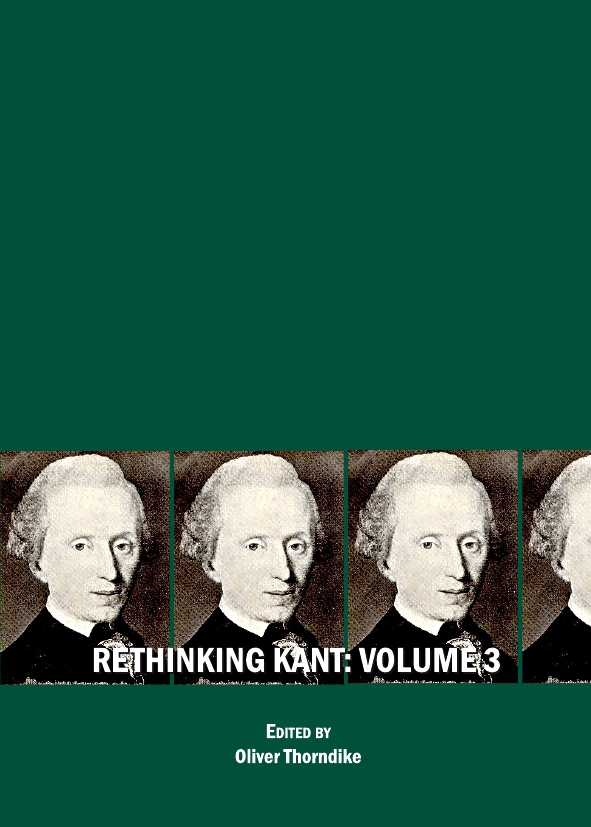
Rethinking Kant
Volume 3
The Rethinking Kant series bears witness to the richness of Kantian studies. This unique collection garners papers from a whole generation of thinkers, from new PhDs to established scholars. This third volume takes the pulse of current Kantian scholarship.
The Rethinking Kant series bears witness to the richness of Kantian studies. This unique collection garners papers from a whole generation of thinkers, from new PhDs to established scholars. This third volume takes the pulse of current Kantian scholarship.
View more
This product has multiple variants. The options may be chosen on the product page
£34.99
This book explores the thought of Dionysius the Areopagite, a controversial figure who masterfully integrated pagan Neoplatonic philosophy with Christian theology. It examines his sources and offers insights into the original points of his philosophy.
This book explores the thought of Dionysius the Areopagite, a controversial figure who masterfully integrated pagan Neoplatonic philosophy with Christian theology. It examines his sources and offers insights into the original points of his philosophy.
View more
This product has multiple variants. The options may be chosen on the product page
£34.99
While quantum mechanics is probabilistic, classical physics makes definite predictions. This book argues these predictions can be explained by the mathematics of special relativity, and explores the profound philosophical consequences. No advanced math or physics is required.
While quantum mechanics is probabilistic, classical physics makes definite predictions. This book argues these predictions can be explained by the mathematics of special relativity, and explores the profound philosophical consequences. No advanced math or physics is required.
View more
This product has multiple variants. The options may be chosen on the product page
Processing Your Order
Please wait while we securely process your order.
Do not refresh or leave this page.
You will be redirected shortly to a confirmation page with your order number.