

The Politics of Translation and Transmission
Basilikon Doron in Hungarian Political Thought
This book studies the beginnings of Hungarian political thought through two 17th-century texts derived from an unlikely source: King James I’s Basilikon Doron. It reveals how Scottish ideas were re-articulated in a Central European context.
This book studies the beginnings of Hungarian political thought through two 17th-century texts derived from an unlikely source: King James I’s Basilikon Doron. It reveals how Scottish ideas were re-articulated in a Central European context.
View more
This product has multiple variants. The options may be chosen on the product page

The Politics of Traumatic Literature
Narrating Human Psyche and Memory
The essays here offer insights into the analysis of traumatic literary studies wherein language is used as a medium of expression so as to interpret man, psyche and memory. They make literature the partner of a dialogue with psychology, in order to better comprehend the psyche.
The essays here offer insights into the analysis of traumatic literary studies wherein language is used as a medium of expression so as to interpret man, psyche and memory. They make literature the partner of a dialogue with psychology, in order to better comprehend the psyche.
View more
This product has multiple variants. The options may be chosen on the product page
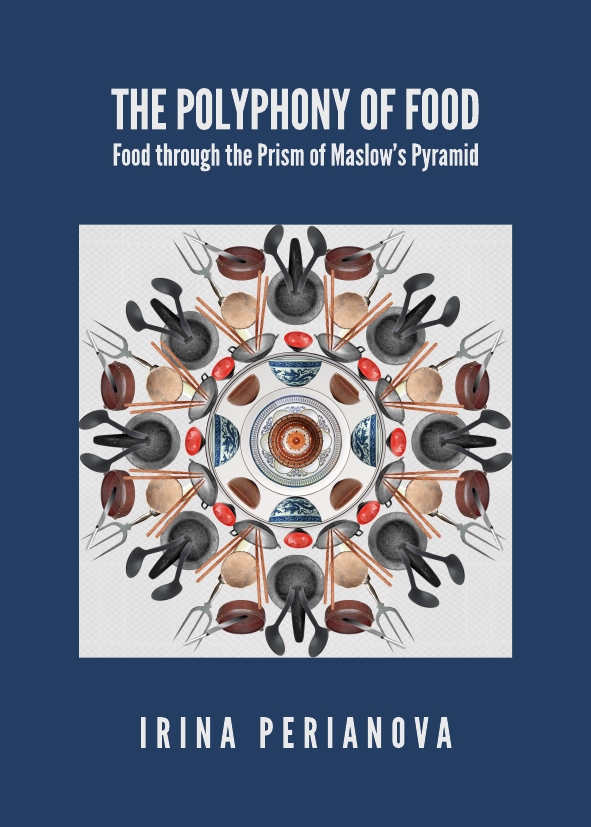
The Polyphony of Food
Food through the Prism of Maslow’s Pyramid
Food is more than a basic need. It satisfies the entire range of human motivations, from feeling safe and secure to affirming cultural identity. It is a vehicle for bonding, love, esteem, and even a means of self-actualization.
Food is more than a basic need. It satisfies the entire range of human motivations, from feeling safe and secure to affirming cultural identity. It is a vehicle for bonding, love, esteem, and even a means of self-actualization.
View more
This product has multiple variants. The options may be chosen on the product page
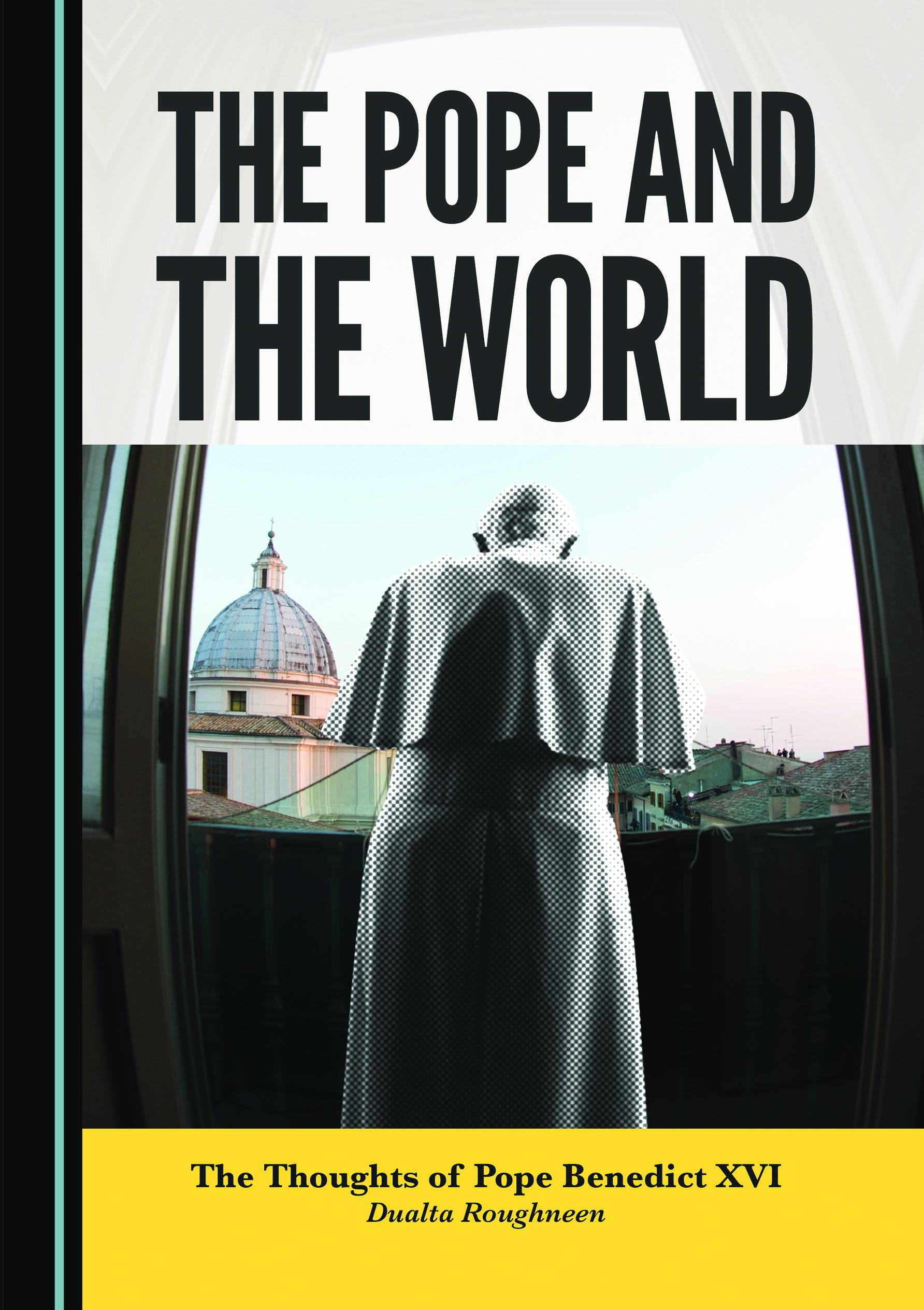
The Pope and the World
The Thoughts of Pope Benedict XVI
Pope Benedict XVI has long engaged in the dialogue between the sacred and the secular. While many accused him of changing his views, this book tracks his ideas over the years, revealing a profound consistency in directing all spheres—from the Liturgy to politics—towards God.
Pope Benedict XVI has long engaged in the dialogue between the sacred and the secular. While many accused him of changing his views, this book tracks his ideas over the years, revealing a profound consistency in directing all spheres—from the Liturgy to politics—towards God.
View more
This product has multiple variants. The options may be chosen on the product page

From £29.99
This book investigates the popularization of economic discourse. Analyzing online newspapers, it explores how specialized knowledge is transformed for a general audience, revealing the realistic vocabulary and professional jargon used in economics today.
This book investigates the popularization of economic discourse. Analyzing online newspapers, it explores how specialized knowledge is transformed for a general audience, revealing the realistic vocabulary and professional jargon used in economics today.
View more
This product has multiple variants. The options may be chosen on the product page

£29.99
This book addresses the blurred lines between magic, religion, and science in Spanish literature and history. It explores the divide between white and black magic, Alfonso X’s court, and a window of quasi-tolerance amidst Muslims, Jews, and Christians.
This book addresses the blurred lines between magic, religion, and science in Spanish literature and history. It explores the divide between white and black magic, Alfonso X’s court, and a window of quasi-tolerance amidst Muslims, Jews, and Christians.
View more
This product has multiple variants. The options may be chosen on the product page

£41.99
This volume brings together internationally renowned academics, arts practitioners and thinkers to examine the nature of the creative process and its possibilities for social and individual change, challenging common misconceptions about creativity.
This volume brings together internationally renowned academics, arts practitioners and thinkers to examine the nature of the creative process and its possibilities for social and individual change, challenging common misconceptions about creativity.
View more
This product has multiple variants. The options may be chosen on the product page
The Possibility of Love
An Interdisciplinary Analysis
Is love actually possible, or is it an illusion? This book explores the obstacles to love, the consequences of its absence, and our unquenchable desire for it through an interdisciplinary analysis of philosophy, psychoanalysis, and poetry.
Is love actually possible, or is it an illusion? This book explores the obstacles to love, the consequences of its absence, and our unquenchable desire for it through an interdisciplinary analysis of philosophy, psychoanalysis, and poetry.
View more
This product has multiple variants. The options may be chosen on the product page
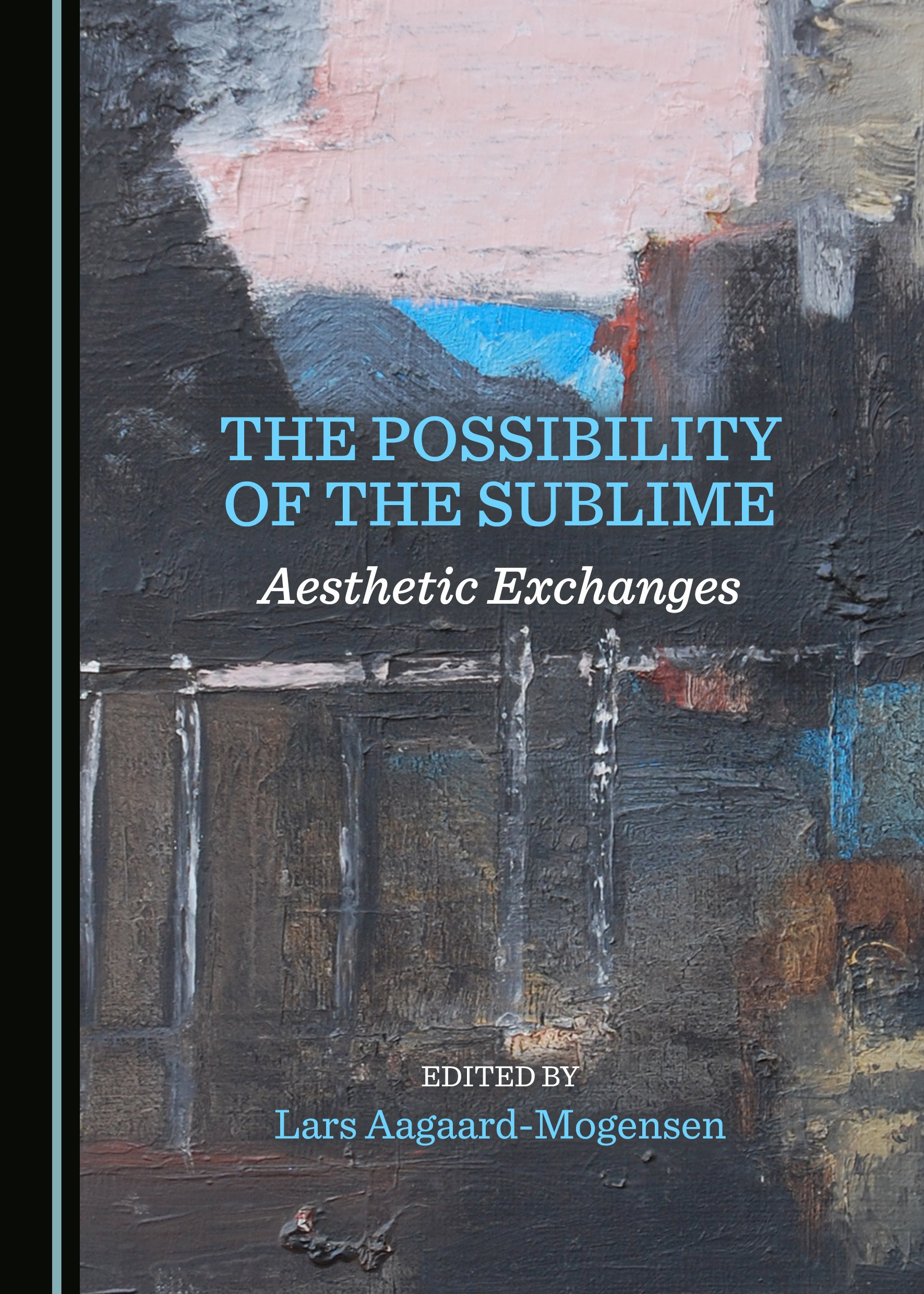
The Possibility of the Sublime
Aesthetic Exchanges
After Professor Jane Forsey argued that a theory of the sublime is impossible, this volume gathers international scholars to challenge her claim. In a tightly focused debate, they defend the sublime as an aesthetic category, concluding with a final response from Forsey herself.
After Professor Jane Forsey argued that a theory of the sublime is impossible, this volume gathers international scholars to challenge her claim. In a tightly focused debate, they defend the sublime as an aesthetic category, concluding with a final response from Forsey herself.
View more
This product has multiple variants. The options may be chosen on the product page
The Post-Crisis Crises
A World with No Compass and No Hegemon
Dobrescu shows that, in the post-crisis period, global turmoil has moved to the regional level. He proves that the clash between spheres of influence and the world order is being reproduced over and over again in almost every important region of the world.
Dobrescu shows that, in the post-crisis period, global turmoil has moved to the regional level. He proves that the clash between spheres of influence and the world order is being reproduced over and over again in almost every important region of the world.
View more
This product has multiple variants. The options may be chosen on the product page

The Post-Independence Dilemma
A Study of Neo-Colonialism
This book re-examines the post-independence condition, revealing how the end of empire gave way to new forms of domination. Engaging with Achebe, Ngũgĩ, and Rushdie, it challenges myths of liberation and shows how art can resist empire’s legacies.
This book re-examines the post-independence condition, revealing how the end of empire gave way to new forms of domination. Engaging with Achebe, Ngũgĩ, and Rushdie, it challenges myths of liberation and shows how art can resist empire’s legacies.
View more
This product has multiple variants. The options may be chosen on the product page
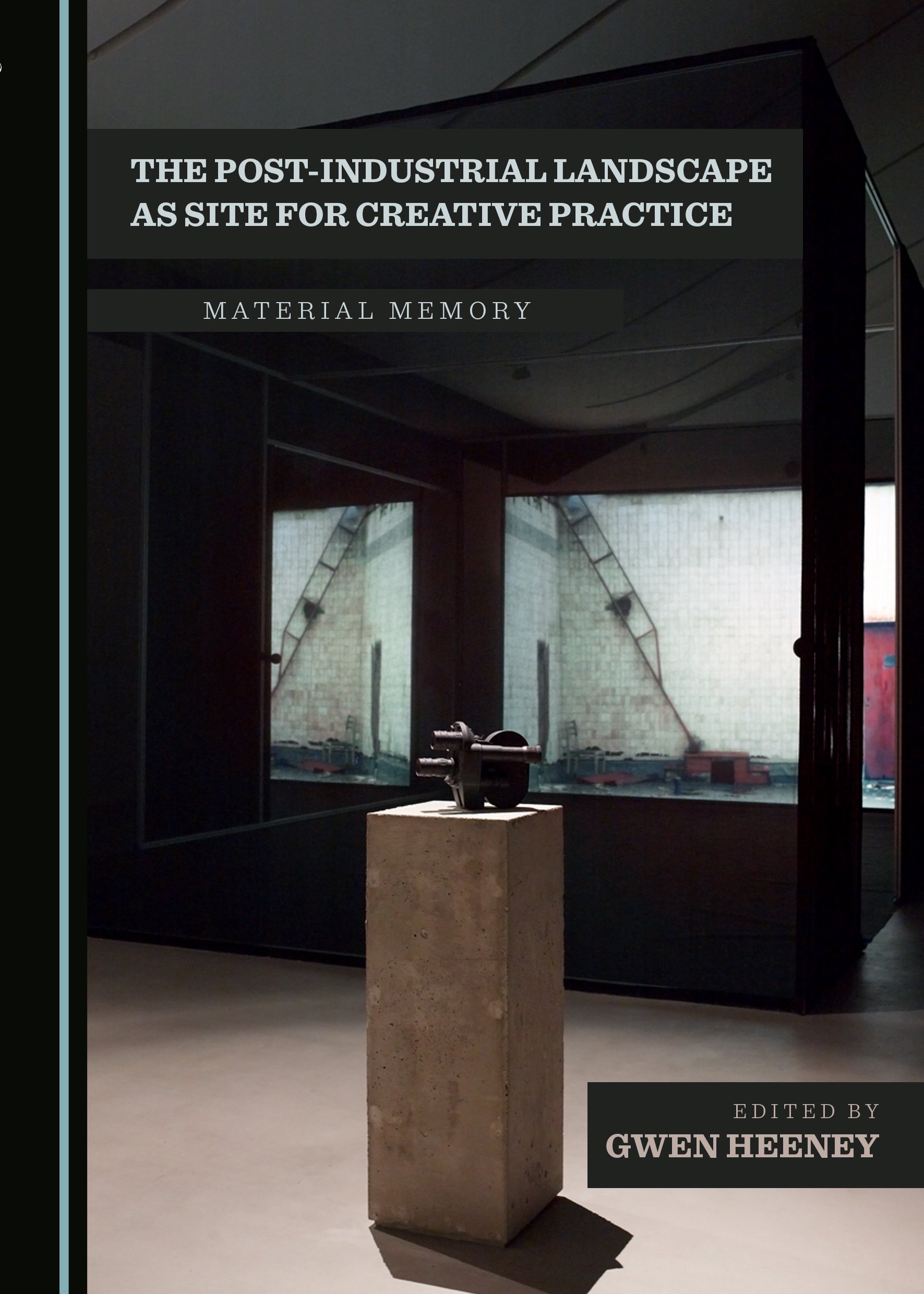
The Post-Industrial Landscape as Site for Creative Practice
Material Memory
This book investigates the role of material memory in the post-industrial landscape and the ways landscape can host many forms of creative practice. Material memory’s role in public artworks and political installation art is detailed, within the post-industrial landscape.
This book investigates the role of material memory in the post-industrial landscape and the ways landscape can host many forms of creative practice. Material memory’s role in public artworks and political installation art is detailed, within the post-industrial landscape.
View more
This product has multiple variants. The options may be chosen on the product page

The Post-Marked World
Theory and Practice in the 21st Century
"Post-isms" reject cultural certainties, demonstrating the instability of language and meaning. This volume investigates the term “post,” asking crucial questions: Do we need it anymore? Can it counter essentialism? Essays explore these issues from around the world.
“Post-isms” reject cultural certainties, demonstrating the instability of language and meaning. This volume investigates the term “post,” asking crucial questions: Do we need it anymore? Can it counter essentialism? Essays explore these issues from around the world.
View more
This product has multiple variants. The options may be chosen on the product page
The Post-War Angola
Public Sphere, Political Regime and Democracy
In post-war Angola, political reform is the key challenge. The state controls the 'public sphere,' but how do people speak truth to power? This book explores the public's role, using Foucault's ideas to look afresh at Angola's democratic future.
In post-war Angola, political reform is the key challenge. The state controls the ‘public sphere,’ but how do people speak truth to power? This book explores the public’s role, using Foucault’s ideas to look afresh at Angola’s democratic future.
View more
This product has multiple variants. The options may be chosen on the product page
From £16.99
This study examines how postcolonial literature depicts the body as a site of resistance. Focusing on diasporic authors from Africa and Southeast Asia in London, it reveals bodies performing queer space and time to redefine the postcolonial.
This study examines how postcolonial literature depicts the body as a site of resistance. Focusing on diasporic authors from Africa and Southeast Asia in London, it reveals bodies performing queer space and time to redefine the postcolonial.
View more
This product has multiple variants. The options may be chosen on the product page
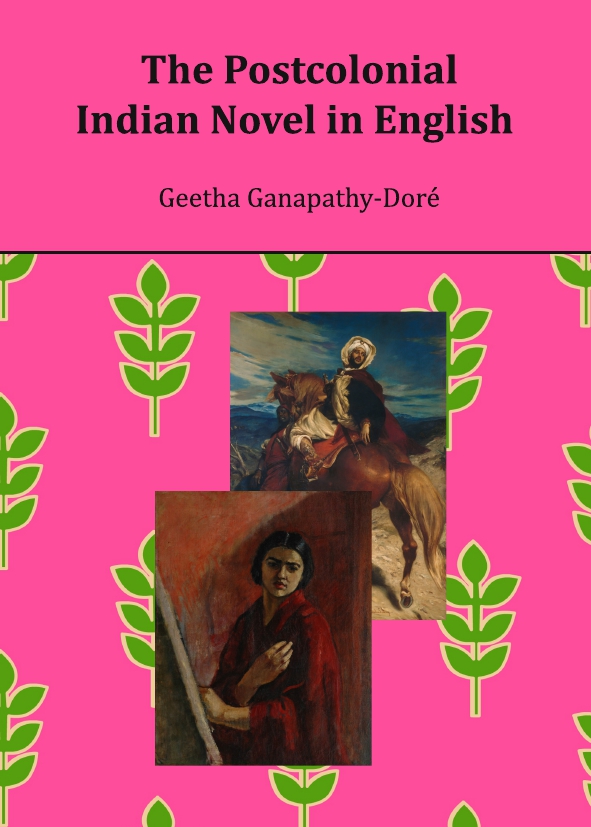
£39.99
This study explains the stunning vitality and success of postcolonial Indian novels. It analyses themes of empire, nation, gender, and language to show how writers from Rushdie to Roy have created a truly world literature, liberated from the nation.
This study explains the stunning vitality and success of postcolonial Indian novels. It analyses themes of empire, nation, gender, and language to show how writers from Rushdie to Roy have created a truly world literature, liberated from the nation.
View more
This product has multiple variants. The options may be chosen on the product page
The Posthuman Imagination
Literature at the Edge of the Human
What does it mean to be human in the Anthropocene? This volume explores posthumanism's response to this crisis through accessible essays. Featuring an interview with philosopher Francesca Ferrando, it explicates the subject through various literary and filmic texts.
What does it mean to be human in the Anthropocene? This volume explores posthumanism’s response to this crisis through accessible essays. Featuring an interview with philosopher Francesca Ferrando, it explicates the subject through various literary and filmic texts.
View more
This product has multiple variants. The options may be chosen on the product page

£34.99
In a postmodern world where grand narratives have collapsed, Michel Tournier's mission is to create a new mythology. He reworks established myths and legends, allowing the reader to take the place of the author and create their own individual mythology.
In a postmodern world where grand narratives have collapsed, Michel Tournier’s mission is to create a new mythology. He reworks established myths and legends, allowing the reader to take the place of the author and create their own individual mythology.
View more
This product has multiple variants. The options may be chosen on the product page
From £32.99
This book argues that postmodernist historiographic metafiction is not just self-referential, but hetero-referential. Using Peter Ackroyd’s Chatterton, it shows how texts create their own worlds while referring to an external reality, even if that reality is a human construct.
This book argues that postmodernist historiographic metafiction is not just self-referential, but hetero-referential. Using Peter Ackroyd’s Chatterton, it shows how texts create their own worlds while referring to an external reality, even if that reality is a human construct.
View more
This product has multiple variants. The options may be chosen on the product page

The Power Elite and Disparity in America
Cause and Correction
What caused America’s great disparity and unrest? This book reveals how a power elite systematically redirected the nation's wealth to the top. Discover their methods and the bold new direction we must take to reverse the damage and restore prosperity for all.
What caused America’s great disparity and unrest? This book reveals how a power elite systematically redirected the nation’s wealth to the top. Discover their methods and the bold new direction we must take to reverse the damage and restore prosperity for all.
View more
This product has multiple variants. The options may be chosen on the product page
Processing Your Order
Please wait while we securely process your order.
Do not refresh or leave this page.
You will be redirected shortly to a confirmation page with your order number.