
£61.99
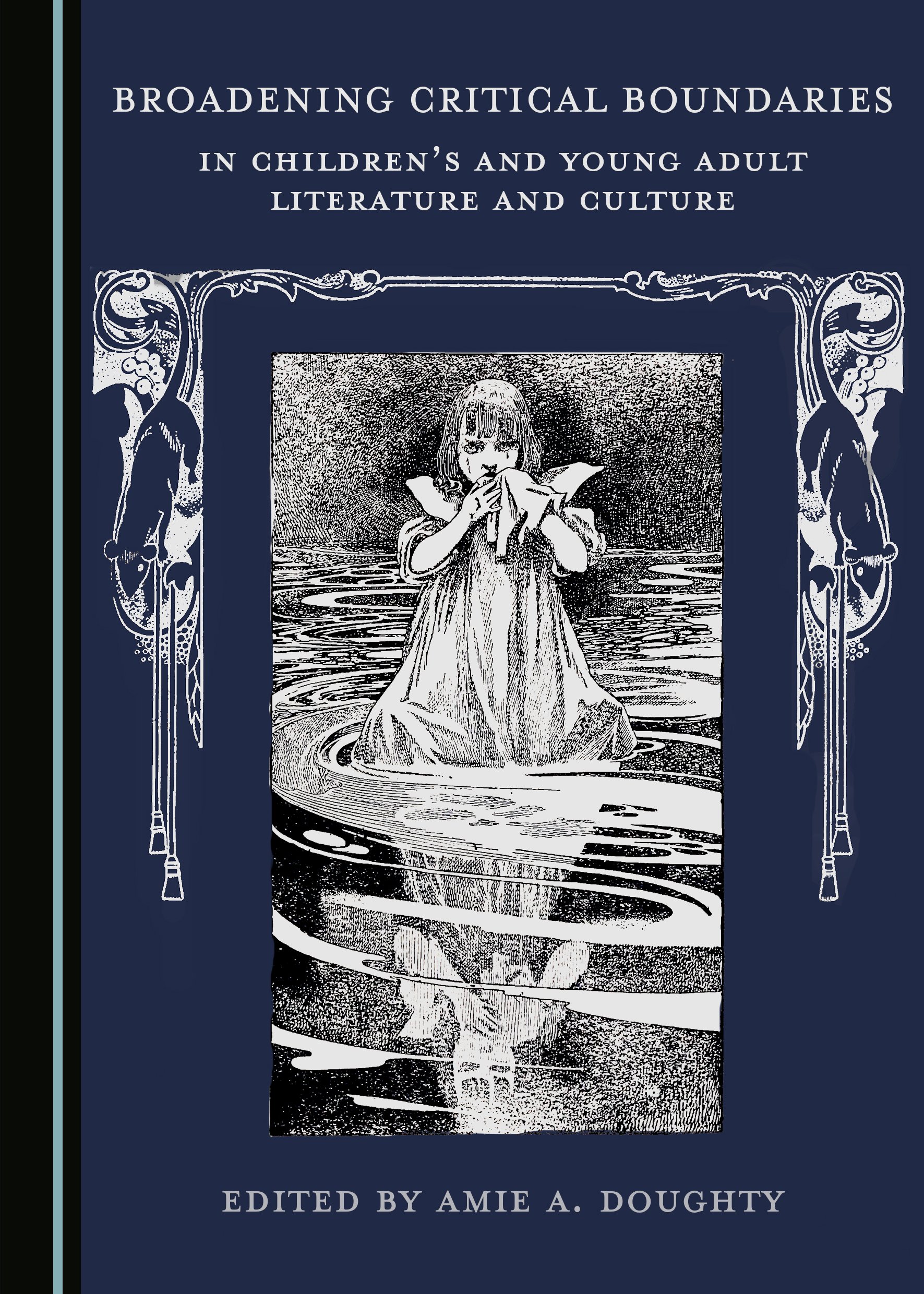
The contributions here explore a wealth of topics in children’s and young adult (YA) literature and culture, and include an examination of the Watchbird cartoons by Munro Leaf, the role of public youth librarians, and the use of popular video games in the secondary classroom.
The contributions here explore a wealth of topics in children’s and young adult (YA) literature and culture, and include an examination of the Watchbird cartoons by Munro Leaf, the role of public youth librarians, and the use of popular video games in the secondary classroom.
View more
This product has multiple variants. The options may be chosen on the product page
Business and Institutional Translation
New Insights and Reflections
As the demand for economic, business, and financial translation increases, this peer-reviewed publication gathers practitioners, researchers, and teachers to discuss new issues in institutional, finance, and specialized translation.
As the demand for economic, business, and financial translation increases, this peer-reviewed publication gathers practitioners, researchers, and teachers to discuss new issues in institutional, finance, and specialized translation.
View more
This product has multiple variants. The options may be chosen on the product page
But He Talked of the Temple of Man’s Body
Blake’s Revelation Unlocked
This poetic study is a response to Locke’s philosophy through an analysis of Blake’s linguistic practices. It reads like a narrative of an effort to build, destroy, and rebuild, revealing Blake’s criticism of Locke as a critique of modernity itself.
This poetic study is a response to Locke’s philosophy through an analysis of Blake’s linguistic practices. It reads like a narrative of an effort to build, destroy, and rebuild, revealing Blake’s criticism of Locke as a critique of modernity itself.
View more
This product has multiple variants. The options may be chosen on the product page

Byron and Bob
Lord Byron’s Relationship with Robert Southey
Byron's most important literary relationship was with Robert Southey, whom he hated and to whom he "dedicated" his masterpiece, *Don Juan*. This book argues Byron's literary distaste became a projected self-distrust, a dislike for his own flaws.
Byron’s most important literary relationship was with Robert Southey, whom he hated and to whom he “dedicated” his masterpiece, *Don Juan*. This book argues Byron’s literary distaste became a projected self-distrust, a dislike for his own flaws.
View more
This product has multiple variants. The options may be chosen on the product page
From £18.99
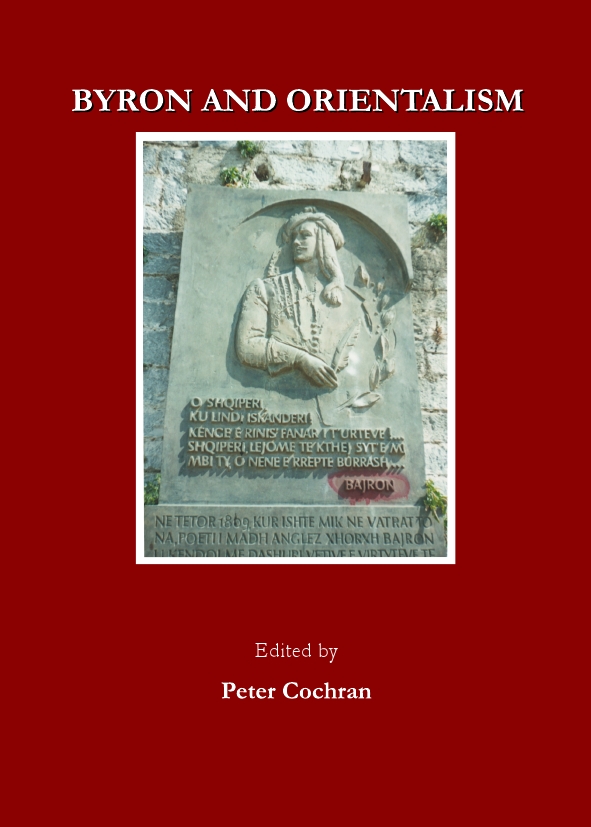
Byron is often thought of as the Romantic poet most familiar with the East. This book examines this thesis, looking at Byron’s knowledge of the East and its religions, his Turkish Tales, his influence on Pushkin, and his own disorientated existence.
Byron is often thought of as the Romantic poet most familiar with the East. This book examines this thesis, looking at Byron’s knowledge of the East and its religions, his Turkish Tales, his influence on Pushkin, and his own disorientated existence.
View more
This product has multiple variants. The options may be chosen on the product page
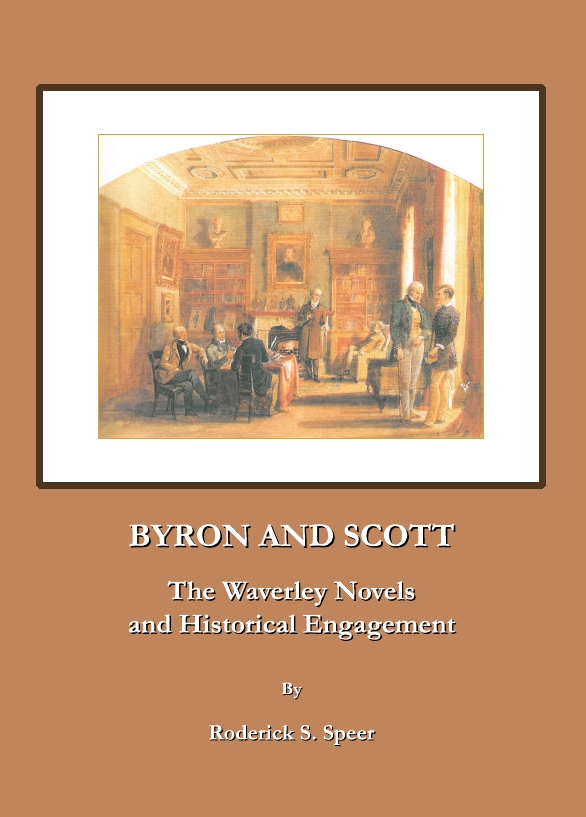
Byron and Scott
The Waverley Novels and Historical Engagement
Though traditionally seen as opposites, the writers Scott and Byron cherished a lifelong friendship. This study reveals how Scott’s invention of the historical novel was crucial to Byron’s later work, shaping the evolution of the Byronic Hero and Byron himself.
Though traditionally seen as opposites, the writers Scott and Byron cherished a lifelong friendship. This study reveals how Scott’s invention of the historical novel was crucial to Byron’s later work, shaping the evolution of the Byronic Hero and Byron himself.
View more
This product has multiple variants. The options may be chosen on the product page
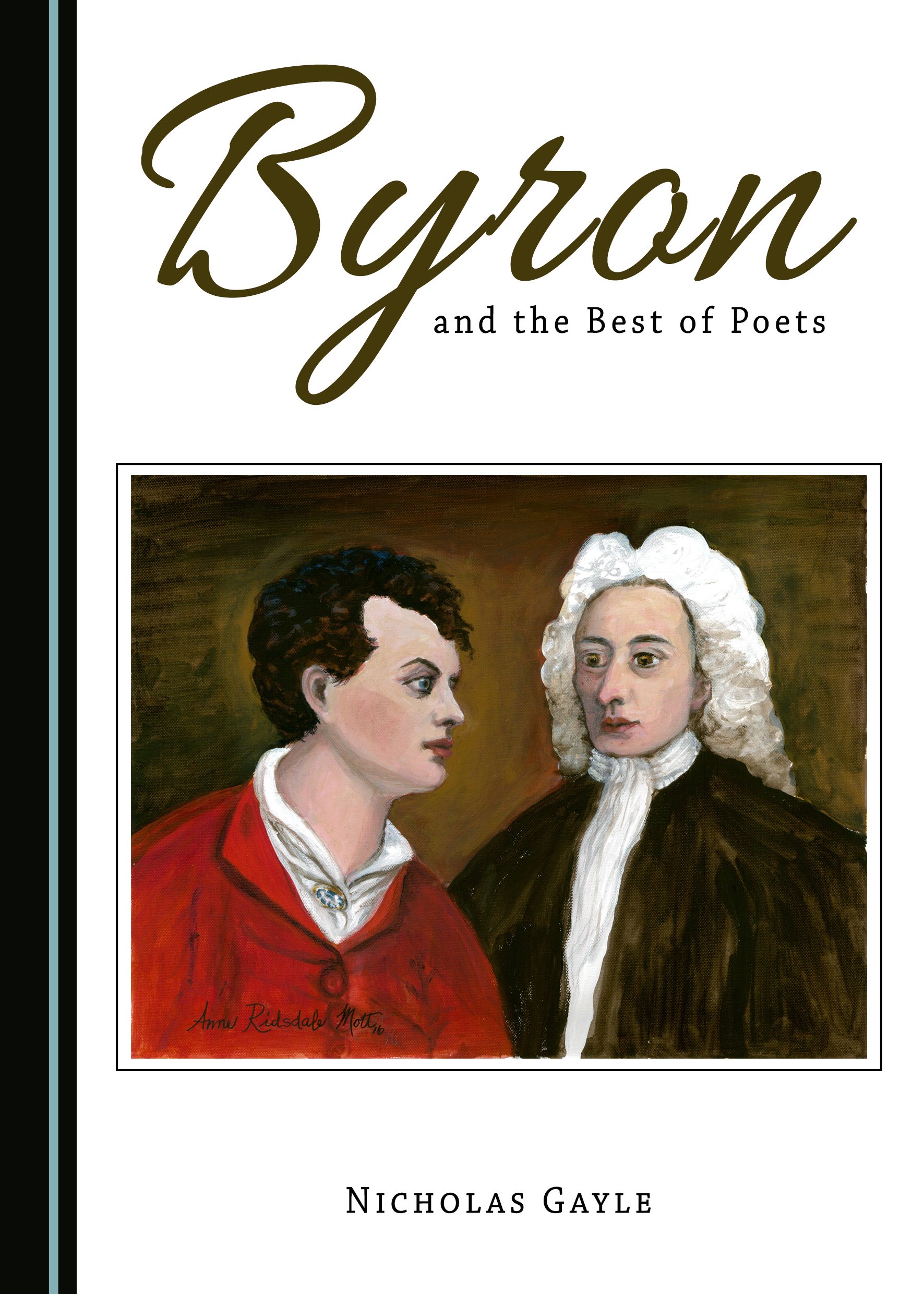
£52.99
This comparative exploration of Bryon and Pope’s satirical portraits of men and women, their expression of love and forbidden passion, and their various poetic techniques shows the profound influence Pope had on the deepest recesses of Byron’s poetic thought.
This comparative exploration of Bryon and Pope’s satirical portraits of men and women, their expression of love and forbidden passion, and their various poetic techniques shows the profound influence Pope had on the deepest recesses of Byron’s poetic thought.
View more
This product has multiple variants. The options may be chosen on the product page
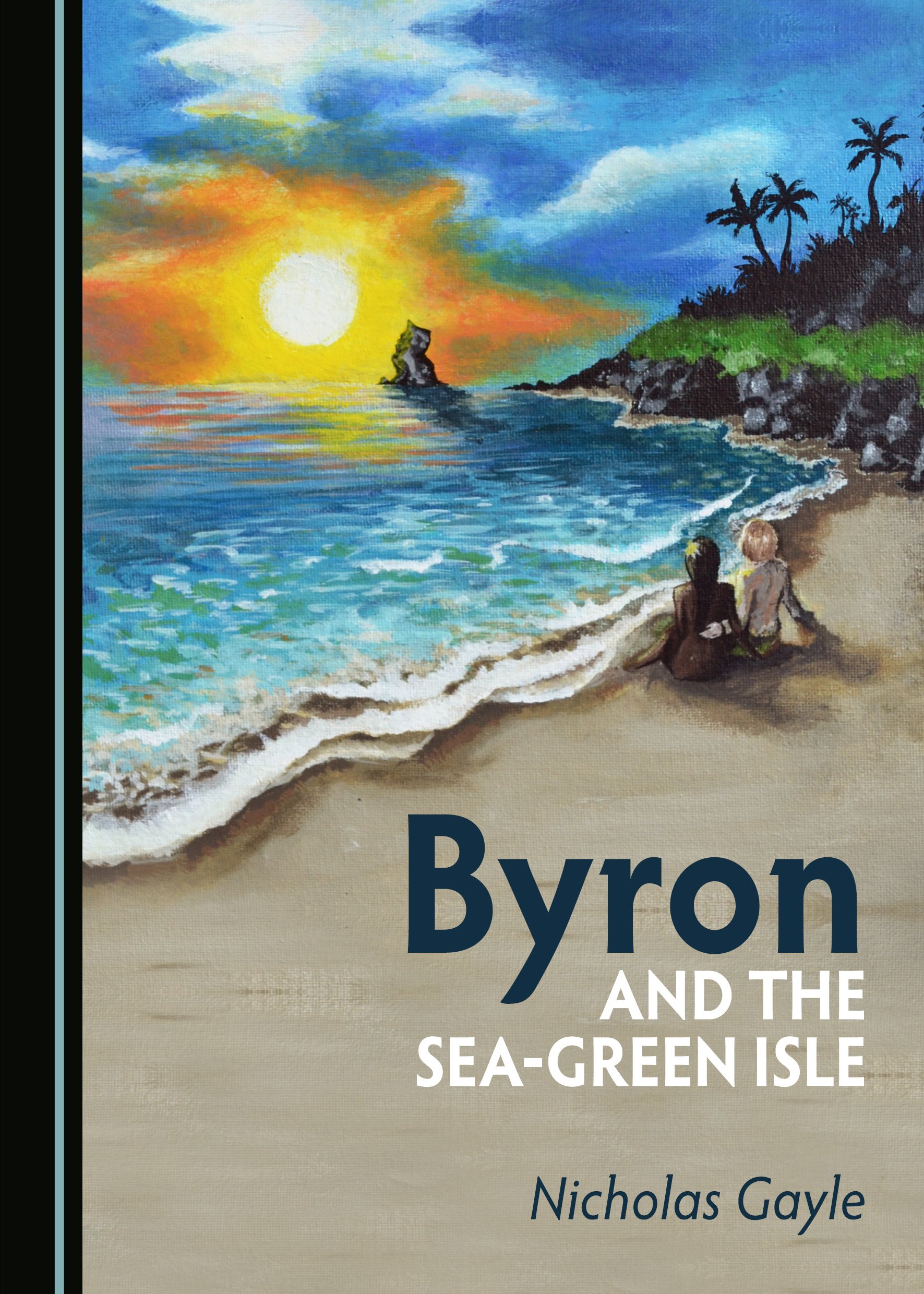
£64.99
This study of Byron’s last complete long poem, the comparatively neglected The Island, is the first to devote a whole book to the examination and contextualization of both the poetry and its poet. It also contains the first-ever published transcript of the holograph of the poem.
This study of Byron’s last complete long poem, the comparatively neglected The Island, is the first to devote a whole book to the examination and contextualization of both the poetry and its poet. It also contains the first-ever published transcript of the holograph of the poem.
View more
This product has multiple variants. The options may be chosen on the product page
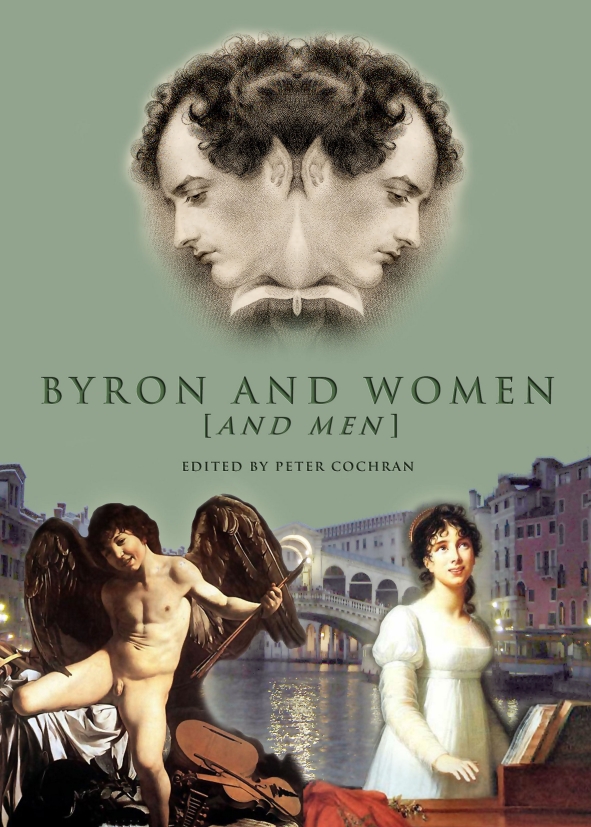
£44.99
New essays examine Lord Byron’s bisexuality and its effect on his poetry and drama. This volume covers neglected aspects of his life, including his boyfriends and gender in *Don Juan*, and includes new editions of notorious poems with startling theories.
New essays examine Lord Byron’s bisexuality and its effect on his poetry and drama. This volume covers neglected aspects of his life, including his boyfriends and gender in *Don Juan*, and includes new editions of notorious poems with startling theories.
View more
This product has multiple variants. The options may be chosen on the product page
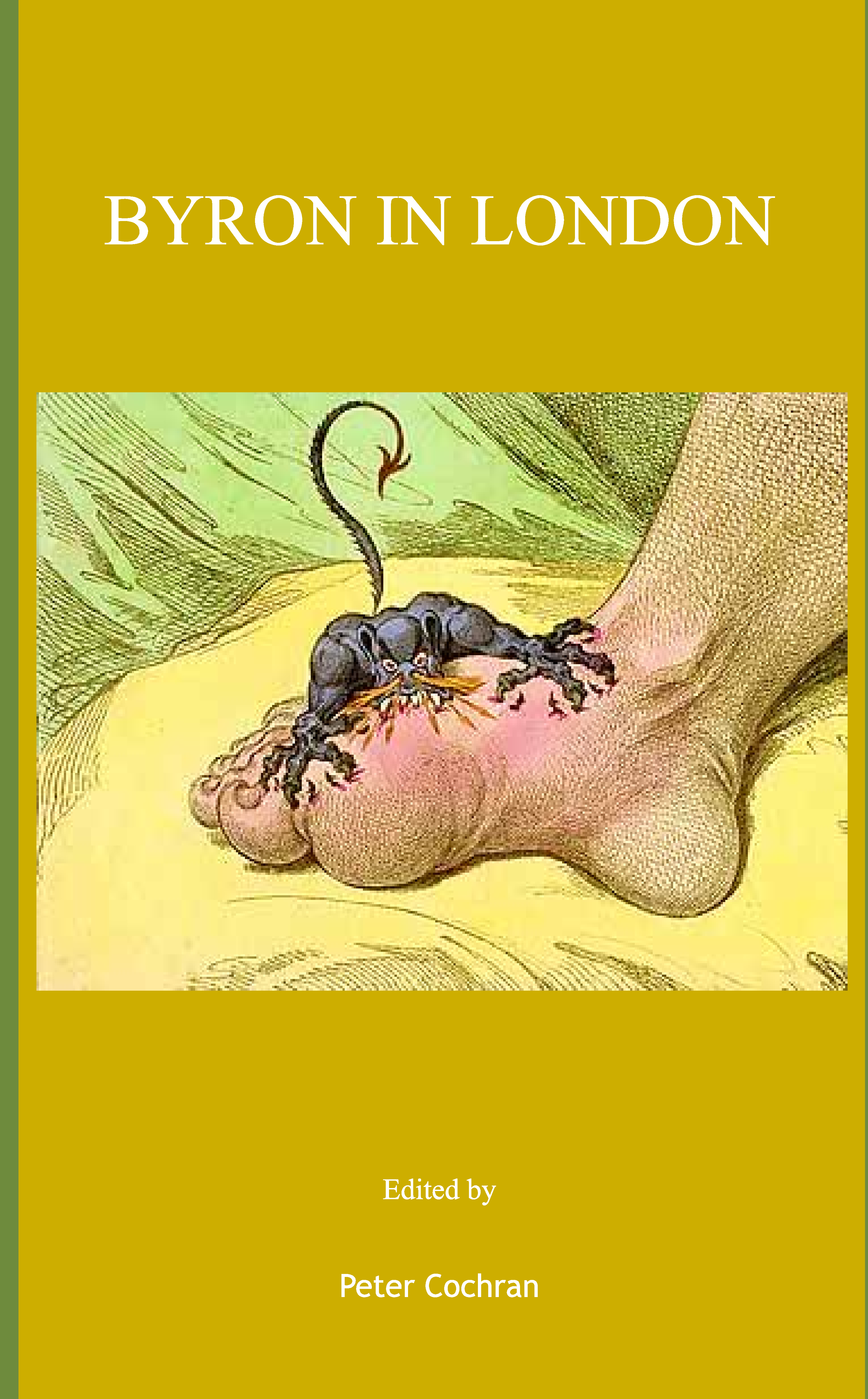
£34.99
Essays by leading authorities chart Byron's life and writings in London, revealing him as one of English poetry’s leading urban writers. Chapters explore the stage, boxing, and women writers, with many referencing his descriptions of the capital in Don Juan.
Essays by leading authorities chart Byron’s life and writings in London, revealing him as one of English poetry’s leading urban writers. Chapters explore the stage, boxing, and women writers, with many referencing his descriptions of the capital in Don Juan.
View more
This product has multiple variants. The options may be chosen on the product page
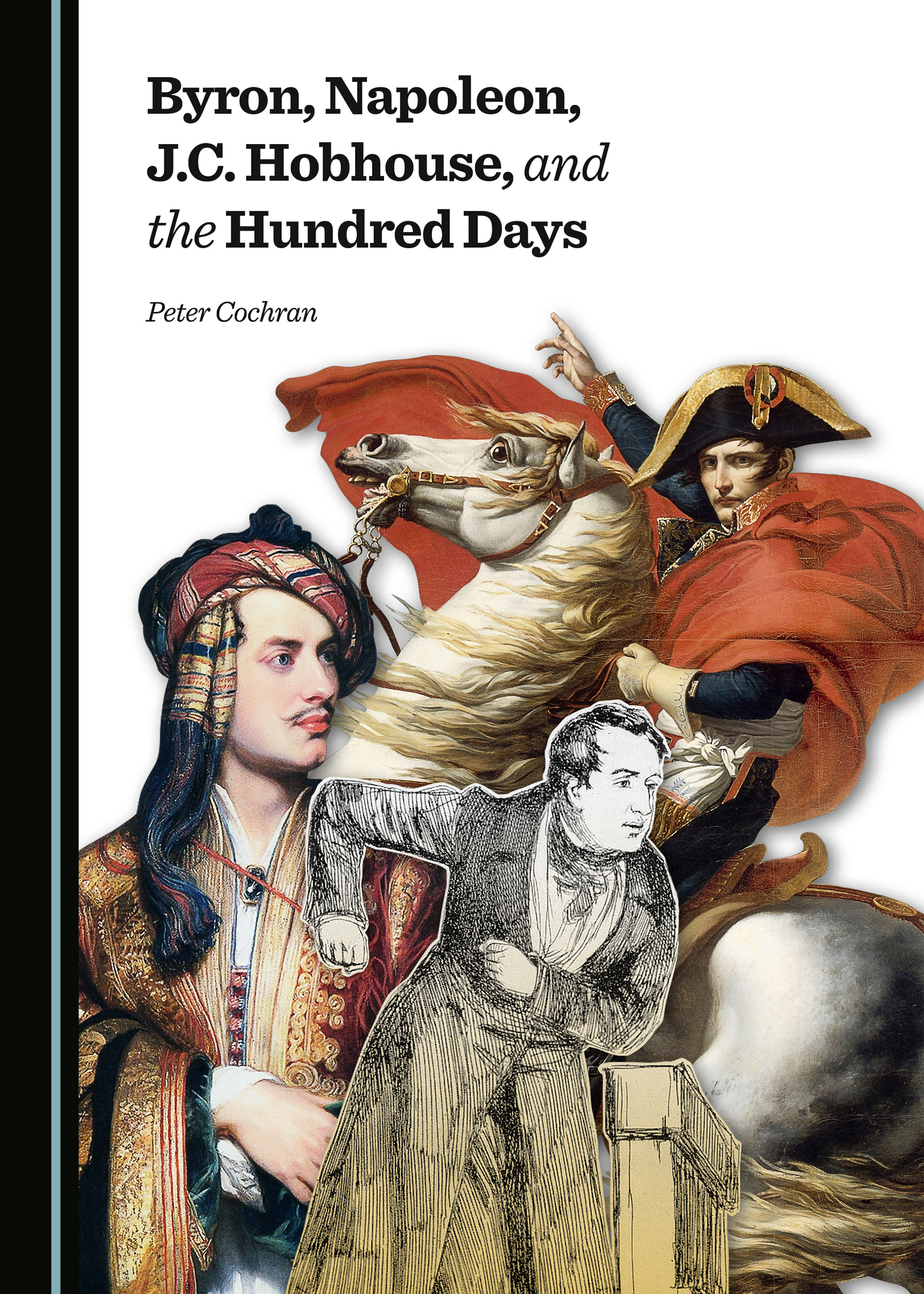
£52.99
Observing Napoleon’s march from Elba to his defeat at Waterloo was Byron’s friend J.C. Hobhouse. This book presents an essay on Byron and Napoleon, Byron’s poems, and Hobhouse’s letters and mostly unpublished diary from the thick of things in Paris.
Observing Napoleon’s march from Elba to his defeat at Waterloo was Byron’s friend J.C. Hobhouse. This book presents an essay on Byron and Napoleon, Byron’s poems, and Hobhouse’s letters and mostly unpublished diary from the thick of things in Paris.
View more
This product has multiple variants. The options may be chosen on the product page
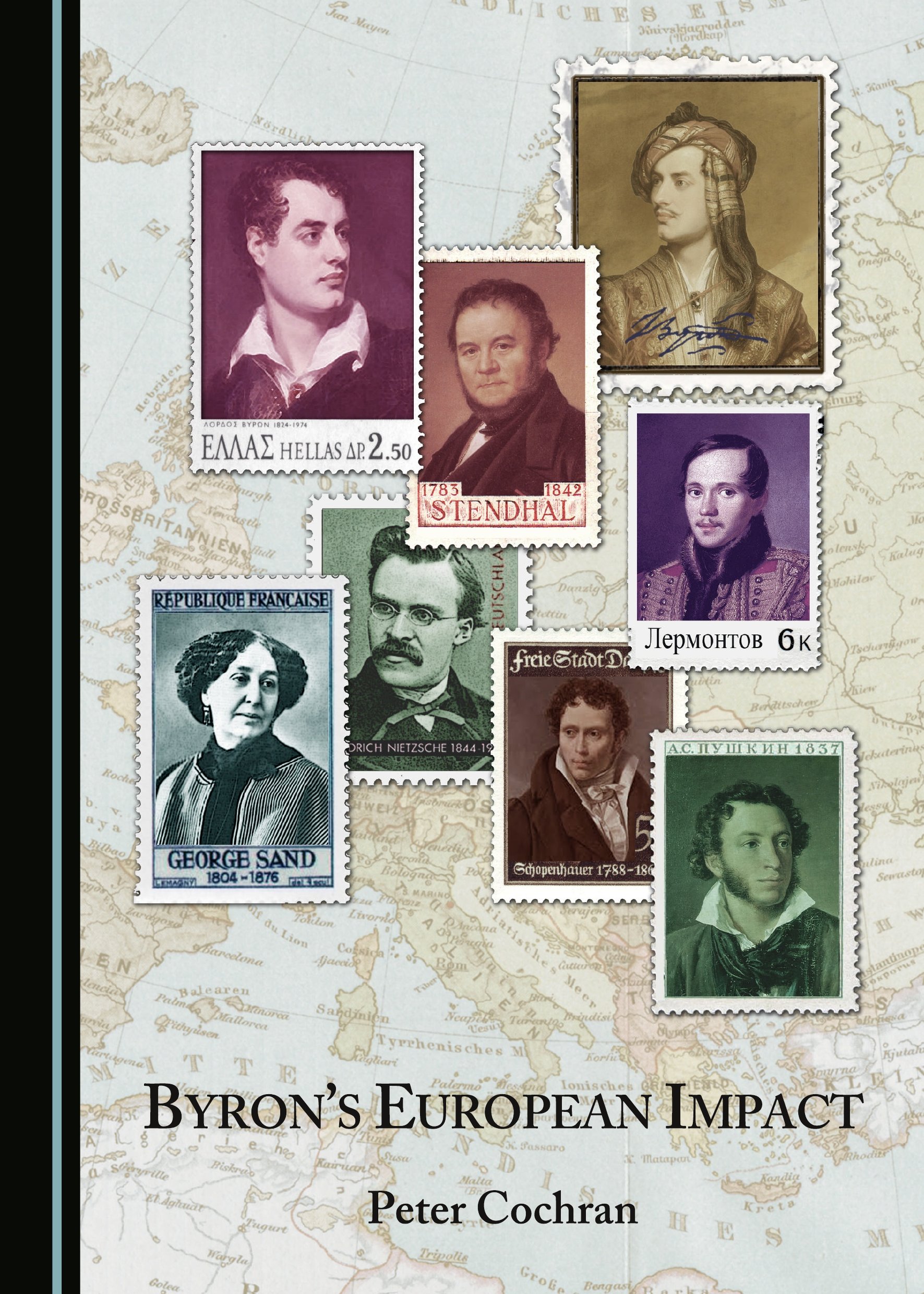
£62.99
Peter Cochran’s book charts Byron's profound influence on European literature, arguing that it was a mythical Byron who held sway. Europe's writers embraced the gloomy Byronic Hero, ignoring his satirical best, until Eliot, Joyce, and Yeats read him accurately.
Peter Cochran’s book charts Byron’s profound influence on European literature, arguing that it was a mythical Byron who held sway. Europe’s writers embraced the gloomy Byronic Hero, ignoring his satirical best, until Eliot, Joyce, and Yeats read him accurately.
View more
This product has multiple variants. The options may be chosen on the product page
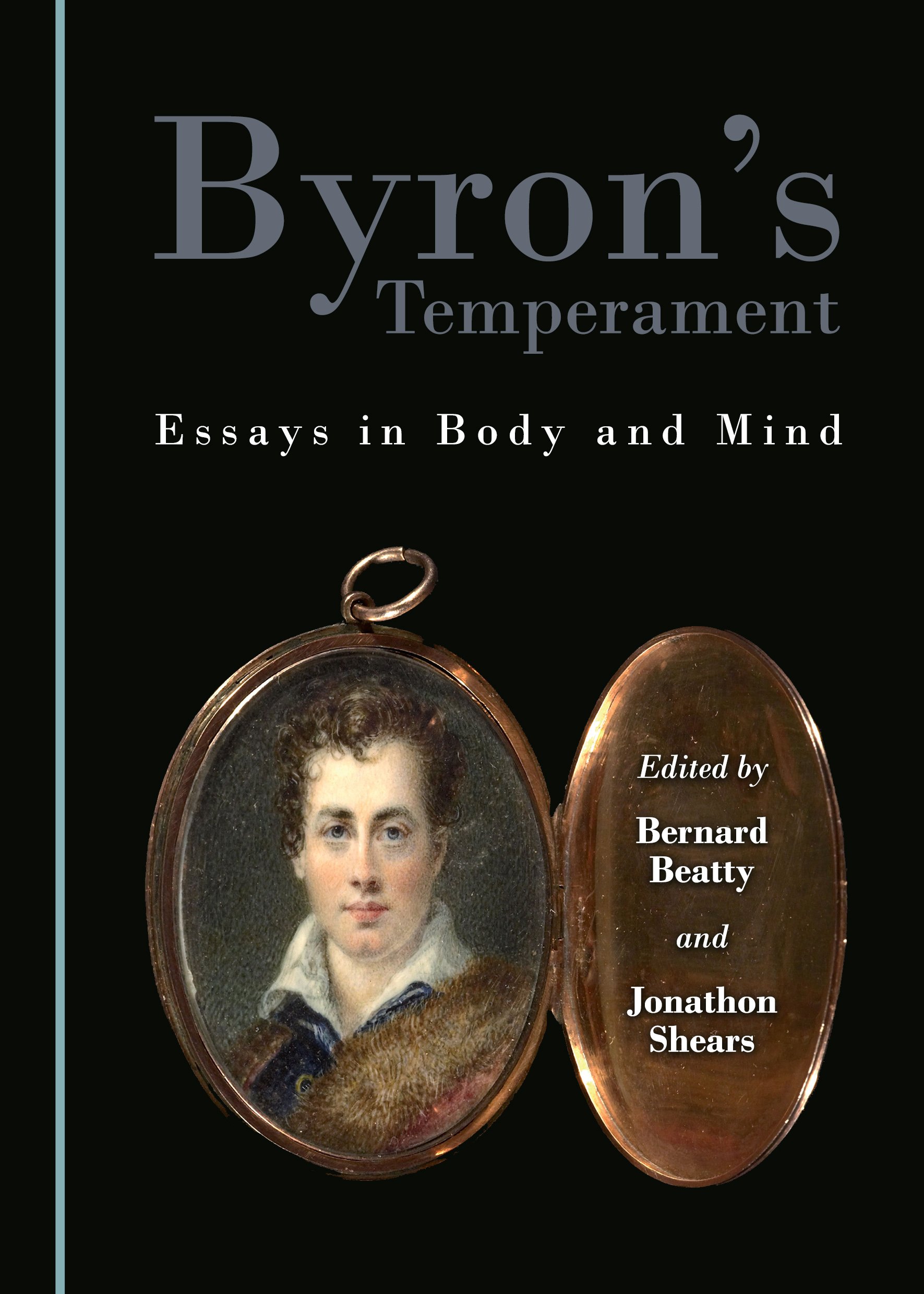
Byron’s Temperament
Essays in Body and Mind
This edited volume is the first to draw together dominant strains in critical thinking about Byron’s temperament and behaviour, using discourses and paradigms drawn from various disciplines, including literary studies, history of medicine, behaviourism, and cultural studies.
This edited volume is the first to draw together dominant strains in critical thinking about Byron’s temperament and behaviour, using discourses and paradigms drawn from various disciplines, including literary studies, history of medicine, behaviourism, and cultural studies.
View more
This product has multiple variants. The options may be chosen on the product page
£39.99
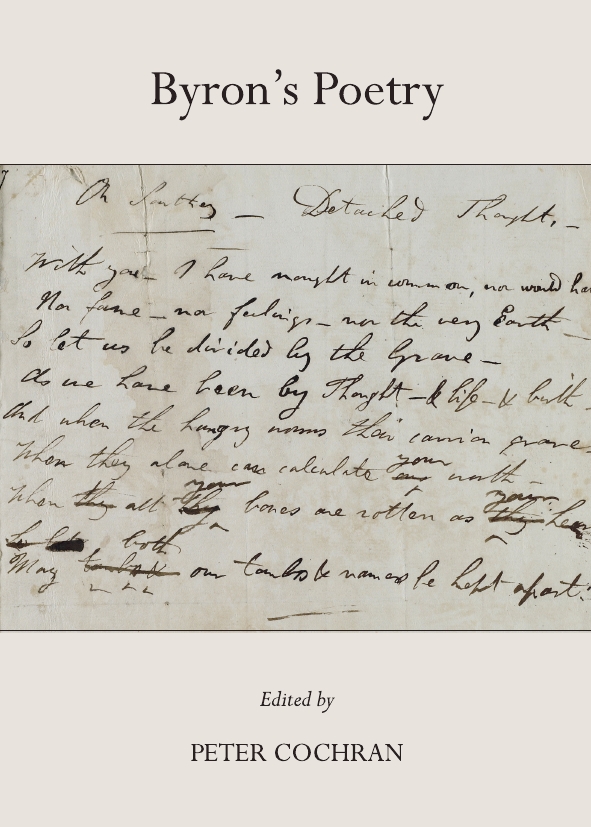
Byron’s dubious status as an icon disguises that he is one of the greatest English poets. This book ignores his iconography and concentrates on his poems. Written by leading authorities, it puts his real achievement as a creative writer back into focus.
Byron’s dubious status as an icon disguises that he is one of the greatest English poets. This book ignores his iconography and concentrates on his poems. Written by leading authorities, it puts his real achievement as a creative writer back into focus.
View more
This product has multiple variants. The options may be chosen on the product page
£44.99
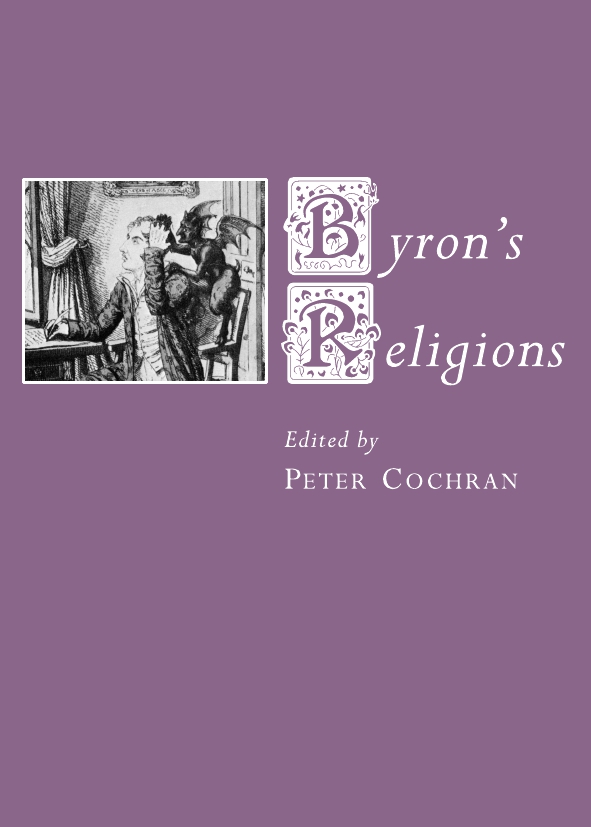
This comprehensive study of Byron’s eclectic attitude to religion concludes he was never the atheist of cliché, but a man whose profound need for a faith always clashed with an equally profound scepticism.
This comprehensive study of Byron’s eclectic attitude to religion concludes he was never the atheist of cliché, but a man whose profound need for a faith always clashed with an equally profound scepticism.
View more
This product has multiple variants. The options may be chosen on the product page
C. S. Lewis and the Inklings
Reflections on Faith, Imagination, and Modern Technology
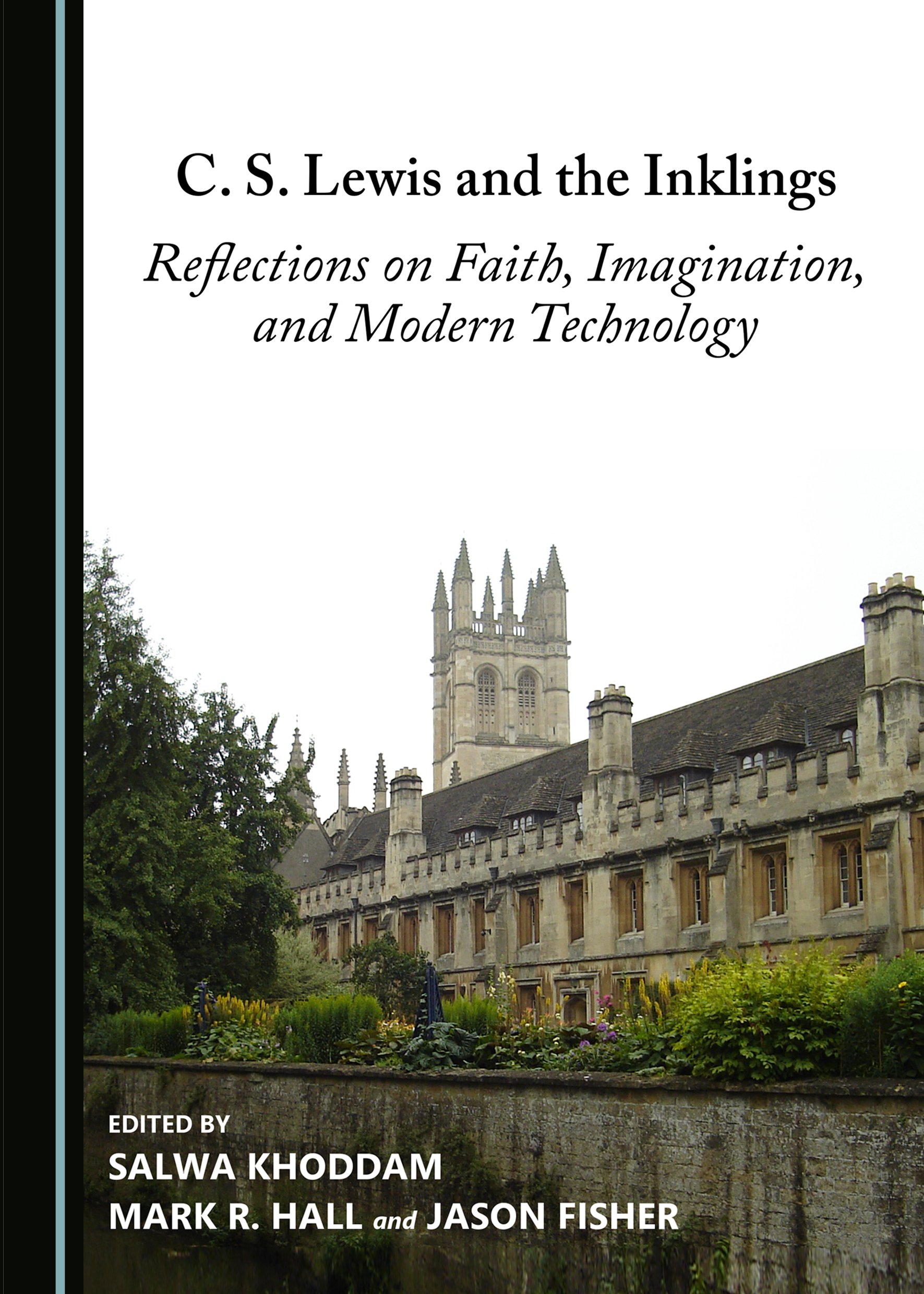
The Inklings’ views on the negative impacts of technology and their resolution through fellowship and faith. Essays demonstrate how their literary craft can enchant readers, empowering them with a keener spiritual vision to tackle present concerns.
The Inklings’ views on the negative impacts of technology and their resolution through fellowship and faith. Essays demonstrate how their literary craft can enchant readers, empowering them with a keener spiritual vision to tackle present concerns.
View more
This product has multiple variants. The options may be chosen on the product page
C. S. Lewis and the Inklings
Discovering Hidden Truth
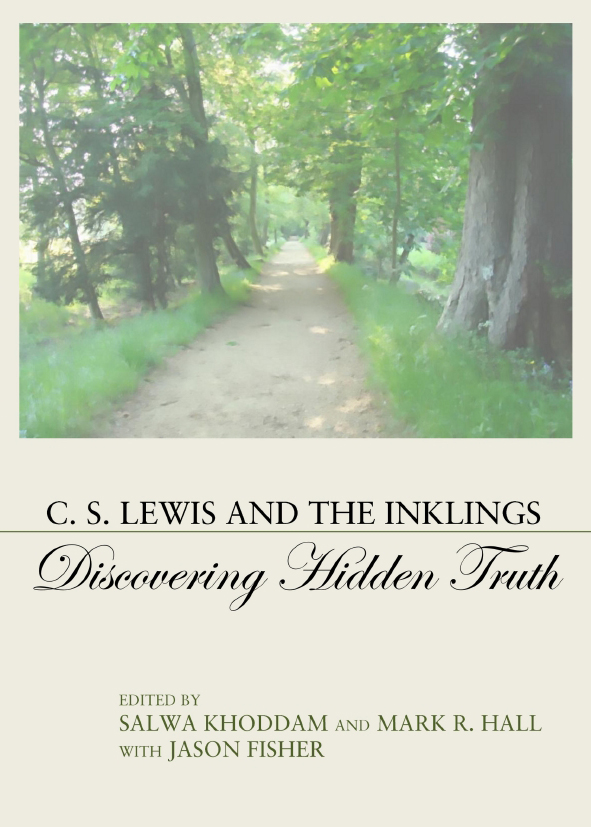
This volume offers essays on hiddenness and discovery in the works of the Inklings: C. S. Lewis, J. R. R. Tolkien, and Owen Barfield, along with their influences G. K. Chesterton and George MacDonald. Explore their collaboration, linguistics, and more.
This volume offers essays on hiddenness and discovery in the works of the Inklings: C. S. Lewis, J. R. R. Tolkien, and Owen Barfield, along with their influences G. K. Chesterton and George MacDonald. Explore their collaboration, linguistics, and more.
View more
This product has multiple variants. The options may be chosen on the product page
£41.99
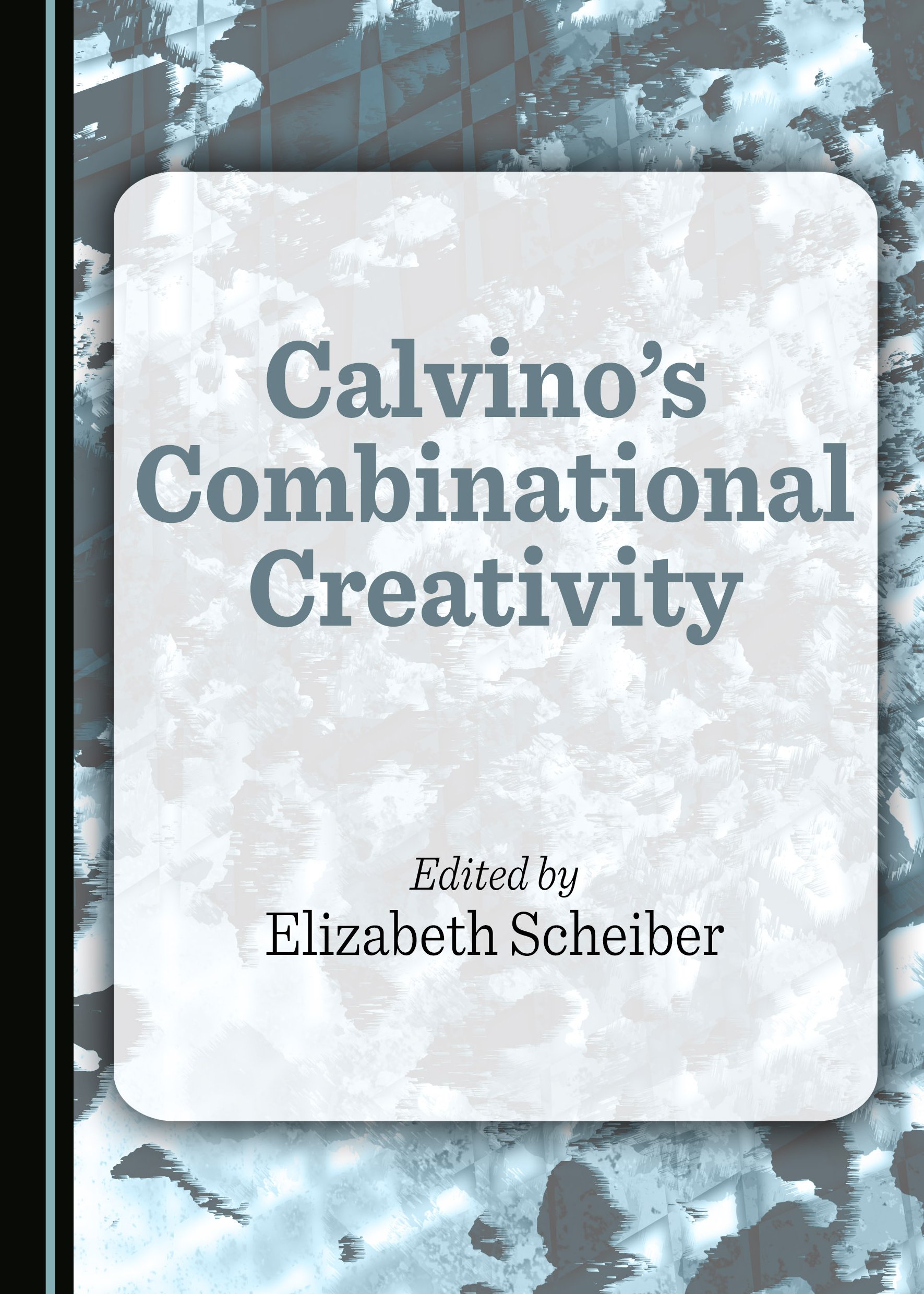
This edited collection examines the various ways combinatory processes influence the work of the Italian author Italo Calvino. Comprising chapters by six literary scholars, it asserts that the Ligurian writer’s creativity often stems from his contemplation of literature.
This edited collection examines the various ways combinatory processes influence the work of the Italian author Italo Calvino. Comprising chapters by six literary scholars, it asserts that the Ligurian writer’s creativity often stems from his contemplation of literature.
View more
This product has multiple variants. The options may be chosen on the product page
Canterbury
A Medieval City
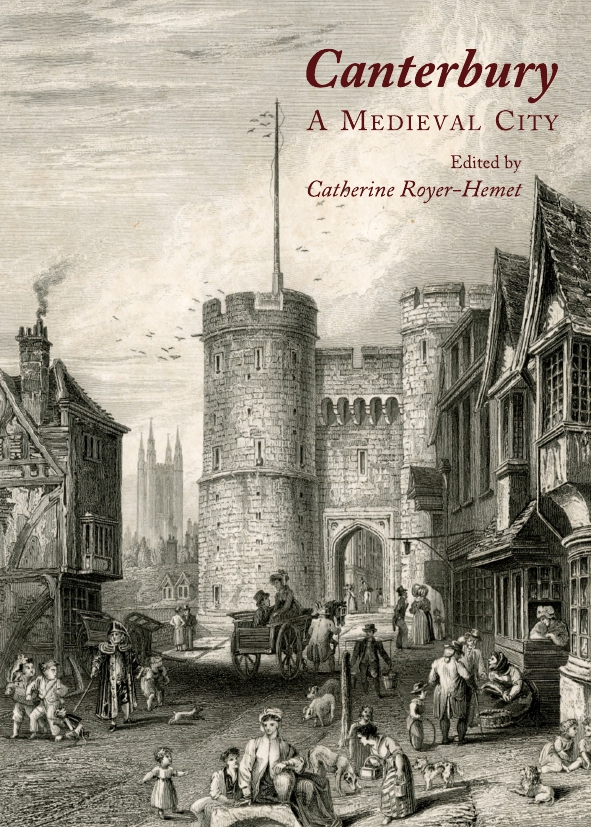
Since becoming the religious heart of the country in AD 597, Canterbury's fame has endured. This book explores its history, from illustrious figures like Thomas Becket and Chaucer to the lesser-known people and events that shaped its identity.
Since becoming the religious heart of the country in AD 597, Canterbury’s fame has endured. This book explores its history, from illustrious figures like Thomas Becket and Chaucer to the lesser-known people and events that shaped its identity.
View more
This product has multiple variants. The options may be chosen on the product page
Captivity, Past and Present
A Compendium of Observations and Interpretations
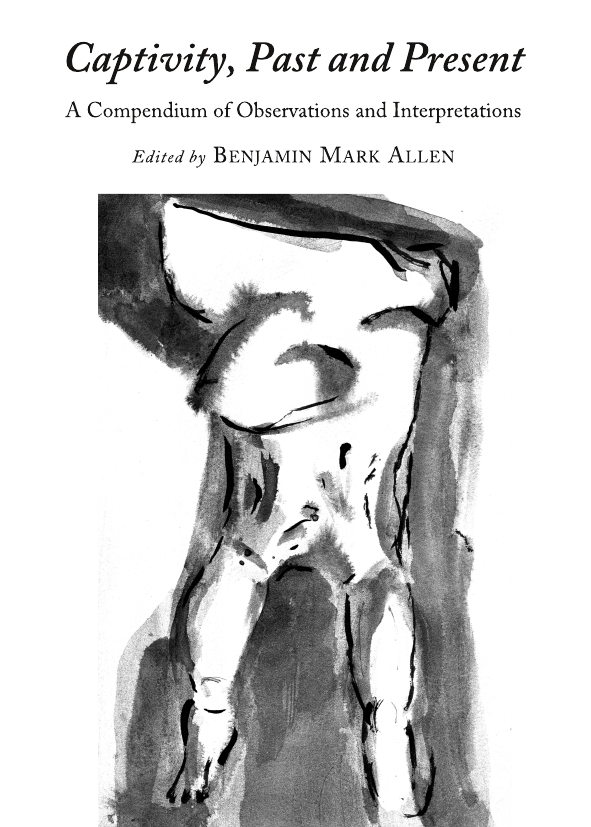
Analyses of human bondage from the early modern era to now. Essays cover 16th-century Spanish sagas, Puritan narratives, the slave narrative of Olaudah Equiano, and incarcerated mothers. Includes an original 19th-century Comanche captivity narrative.
Analyses of human bondage from the early modern era to now. Essays cover 16th-century Spanish sagas, Puritan narratives, the slave narrative of Olaudah Equiano, and incarcerated mothers. Includes an original 19th-century Comanche captivity narrative.
View more
This product has multiple variants. The options may be chosen on the product page
Processing Your Order
Please wait while we securely process your order.
Do not refresh or leave this page.
You will be redirected shortly to a confirmation page with your order number.