
From £29.99
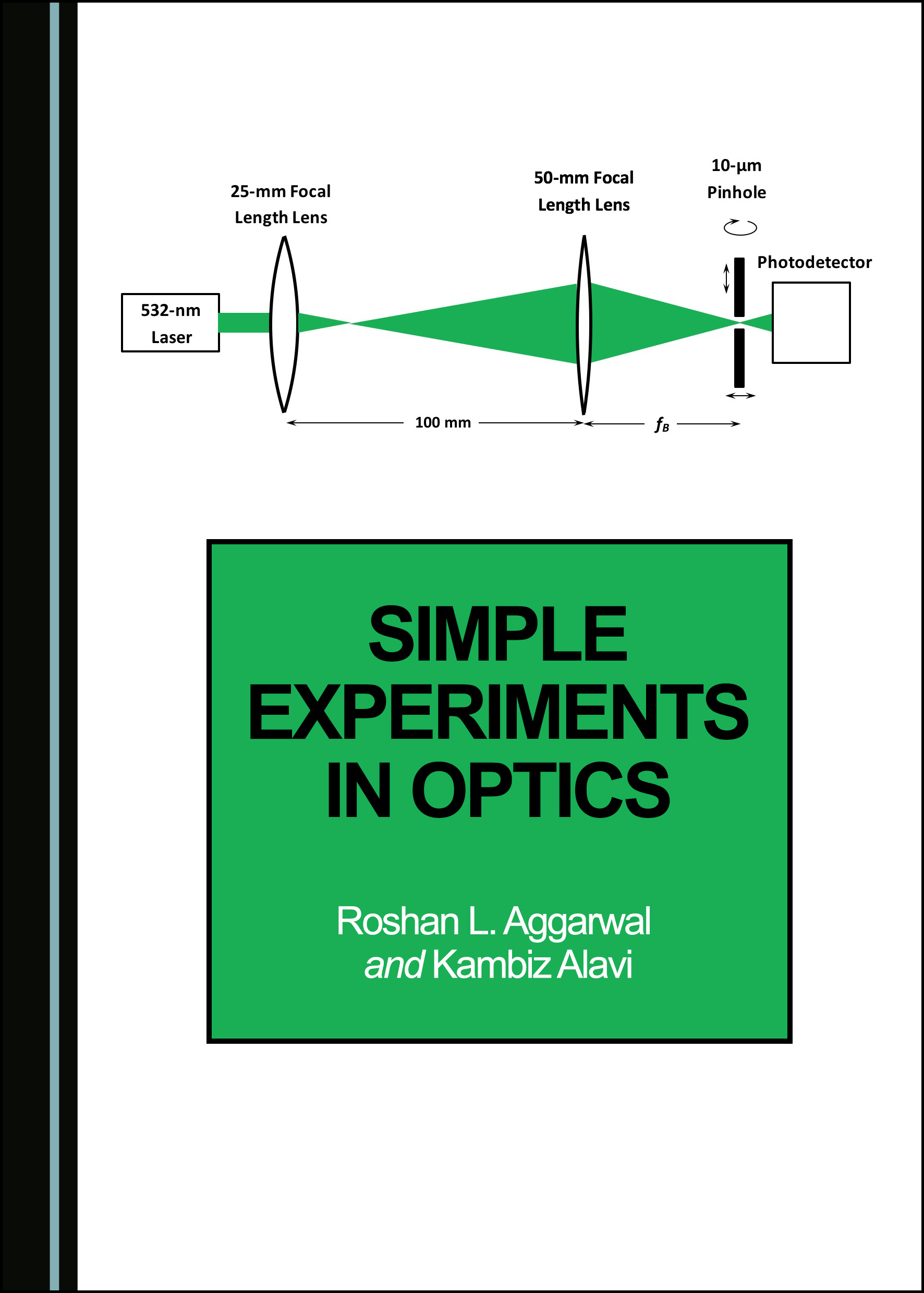
This book presents over 40 experiments in optics for students and engineers. Covering components like lenses, mirrors, and gratings, each experiment is clearly described with concise, easy-to-understand theory to explain the principles underlying them.
This book presents over 40 experiments in optics for students and engineers. Covering components like lenses, mirrors, and gratings, each experiment is clearly described with concise, easy-to-understand theory to explain the principles underlying them.
View more
This product has multiple variants. The options may be chosen on the product page

From £32.99
This book addresses the complex N-body problem, providing a general approach to show that many mass configurations can be solved deterministically. It gives the reader the tools to master binary, trinary, and quadruple structured configurations for real and theoretical work.
This book addresses the complex N-body problem, providing a general approach to show that many mass configurations can be solved deterministically. It gives the reader the tools to master binary, trinary, and quadruple structured configurations for real and theoretical work.
View more
This product has multiple variants. The options may be chosen on the product page
From £32.99
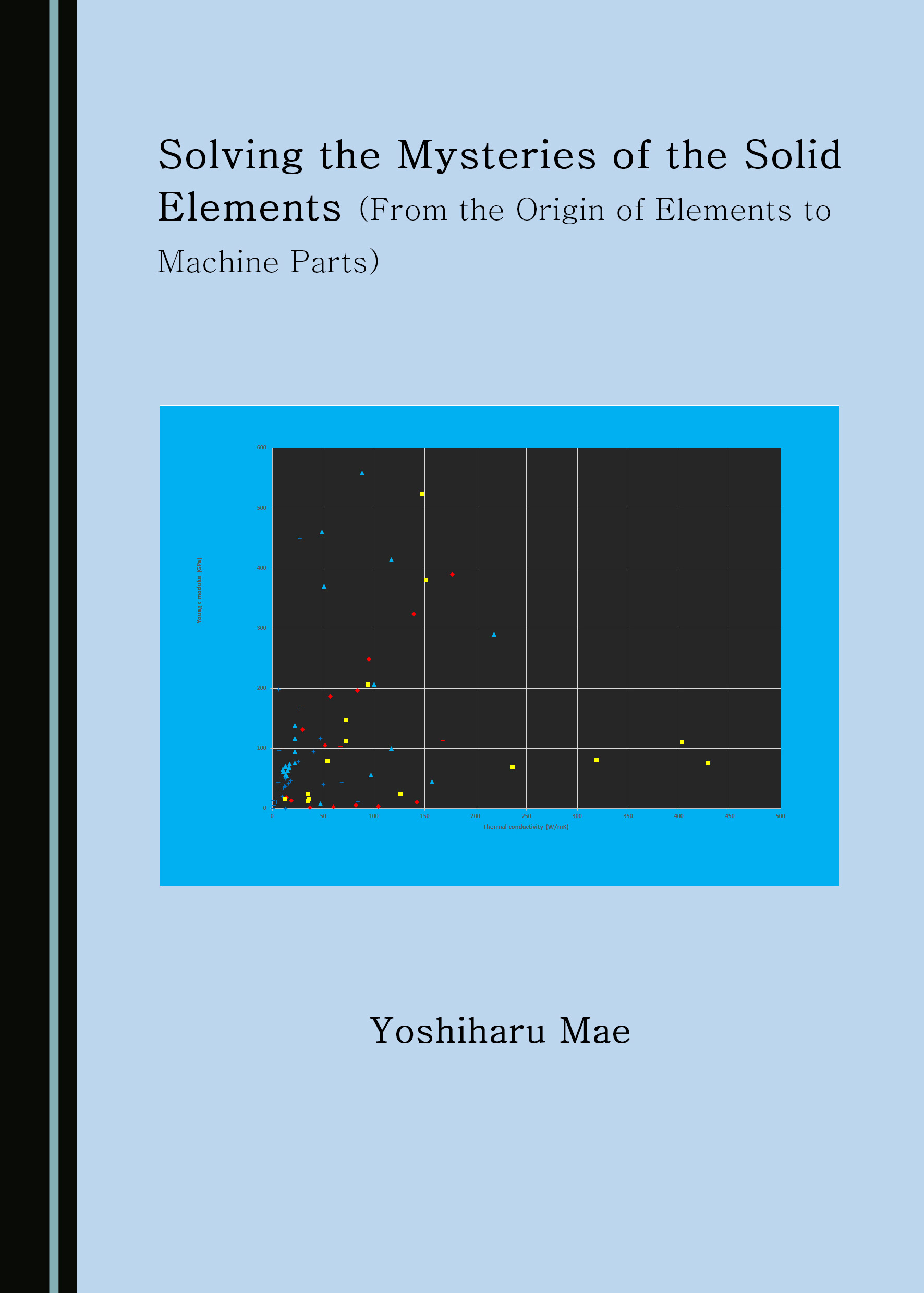
This book graphically represents metallic and semi-metallic elements, allowing their nature to be interpreted. Each element is plotted in a diagram with thermal conductivity on the abscissa and the Young’s modulus on the ordinate.
This book graphically represents metallic and semi-metallic elements, allowing their nature to be interpreted. Each element is plotted in a diagram with thermal conductivity on the abscissa and the Young’s modulus on the ordinate.
View more
This product has multiple variants. The options may be chosen on the product page
From £34.99
This book covers the spatial anisotropy of induced optical effects in crystalline materials. It details analytical descriptions, 3D geometric representations, and experimental methods for studying electro-, piezo-, elasto-, and acousto-optic phenomena.
This book covers the spatial anisotropy of induced optical effects in crystalline materials. It details analytical descriptions, 3D geometric representations, and experimental methods for studying electro-, piezo-, elasto-, and acousto-optic phenomena.
View more
This product has multiple variants. The options may be chosen on the product page
Stability Principle and the Nature of Quantization
Non-Inertial Dynamics and Quantum Mechanics
This book shows how quantum phenomena can emerge from classical principles extended to non-inertial frames. Its Stability Principle reinterprets Bell inequality violations, arguing they reflect inherent statistical structure, not fundamental non-locality.
This book shows how quantum phenomena can emerge from classical principles extended to non-inertial frames. Its Stability Principle reinterprets Bell inequality violations, arguing they reflect inherent statistical structure, not fundamental non-locality.
View more
This product has multiple variants. The options may be chosen on the product page
From £35.99
This book presents a unified, accessible approach to the physics of the liquid state, in and out of equilibrium. It covers statistical mechanics and complex fluids, making it an indispensable reference for graduate students and researchers in physics and chemistry.
This book presents a unified, accessible approach to the physics of the liquid state, in and out of equilibrium. It covers statistical mechanics and complex fluids, making it an indispensable reference for graduate students and researchers in physics and chemistry.
View more
This product has multiple variants. The options may be chosen on the product page
From £36.99
This book reviews statistic/thermodynamic models for both polarized and unpolarized structure functions, with additional applications such as the EMC effect. It will appeal to researchers and students of hadronic and nuclear/particle physics.
This book reviews statistic/thermodynamic models for both polarized and unpolarized structure functions, with additional applications such as the EMC effect. It will appeal to researchers and students of hadronic and nuclear/particle physics.
View more
This product has multiple variants. The options may be chosen on the product page
From £32.99
This book explores statistical physics, focusing on subjects from condensed matter to black holes. It discusses gas-liquid transitions, the entropy of earthquakes, the hadronization of the quark-gluon plasma, and the phase diagram of quantum chromodynamics.
This book explores statistical physics, focusing on subjects from condensed matter to black holes. It discusses gas-liquid transitions, the entropy of earthquakes, the hadronization of the quark-gluon plasma, and the phase diagram of quantum chromodynamics.
View more
This product has multiple variants. The options may be chosen on the product page

From £41.99
This book explores the synthesis, characterization, and applications of graphene and its derivatives, including quantum dots. For the first time, both industrial and medical applications are gathered in one book, offering a unique perspective on the future of the field.
This book explores the synthesis, characterization, and applications of graphene and its derivatives, including quantum dots. For the first time, both industrial and medical applications are gathered in one book, offering a unique perspective on the future of the field.
View more
This product has multiple variants. The options may be chosen on the product page

From £32.99
Construction projects require engineers, surveyors, and contractors to interact effectively to ensure a project is built precisely. The knowledge of basic words, concepts, and methods used by surveyors will greatly help engineers during this interaction.
Construction projects require engineers, surveyors, and contractors to interact effectively to ensure a project is built precisely. The knowledge of basic words, concepts, and methods used by surveyors will greatly help engineers during this interaction.
View more
This product has multiple variants. The options may be chosen on the product page
From £32.99
This monograph covers symmetries on a symplectic manifold, giving rise to quantum field theory via phase space and the Wigner function. This approach describes quantum chaos, introduces gauge symmetries, and leads to Symplectic Schrödinger, Klein-Gordon, and Dirac equations.
This monograph covers symmetries on a symplectic manifold, giving rise to quantum field theory via phase space and the Wigner function. This approach describes quantum chaos, introduces gauge symmetries, and leads to Symplectic Schrödinger, Klein-Gordon, and Dirac equations.
View more
This product has multiple variants. The options may be chosen on the product page

From £30.99
This book covers the diffraction, radiation, and propagation of elastic waves in isotropic and anisotropic media. It details key methods and their application to hydroacoustic antennas, loudspeakers, and the acoustic monitoring of oil products.
This book covers the diffraction, radiation, and propagation of elastic waves in isotropic and anisotropic media. It details key methods and their application to hydroacoustic antennas, loudspeakers, and the acoustic monitoring of oil products.
View more
This product has multiple variants. The options may be chosen on the product page

From £29.99
The “Ultraviolet Catastrophe”, the failure to account for black-body radiation, led to quantum mechanics. Another catastrophe was politely ignored and fluid dynamics remained trapped in the nineteenth century. The book outlines a solution to this dilemma.
The “Ultraviolet Catastrophe”, the failure to account for black-body radiation, led to quantum mechanics. Another catastrophe was politely ignored and fluid dynamics remained trapped in the nineteenth century. The book outlines a solution to this dilemma.
View more
This product has multiple variants. The options may be chosen on the product page
£61.99
Semiconductor silicon is the basic material of modern electronics. Its properties are determined by defects in its crystal structure, but a complete description of these defects has been a mystery—until now. This book solves it using classical and probabilistic approaches.
Semiconductor silicon is the basic material of modern electronics. Its properties are determined by defects in its crystal structure, but a complete description of these defects has been a mystery—until now. This book solves it using classical and probabilistic approaches.
View more
This product has multiple variants. The options may be chosen on the product page
From £41.99
Over the past 60 years, optics has changed radically. The invention of the laser led to new branches of the field. This work unites traditional and modern optics into a single theory, using modern mathematical tools and a heuristic approach.
Over the past 60 years, optics has changed radically. The invention of the laser led to new branches of the field. This work unites traditional and modern optics into a single theory, using modern mathematical tools and a heuristic approach.
View more
This product has multiple variants. The options may be chosen on the product page
The Fundamental Principles of Physics
From Atom to Molecule
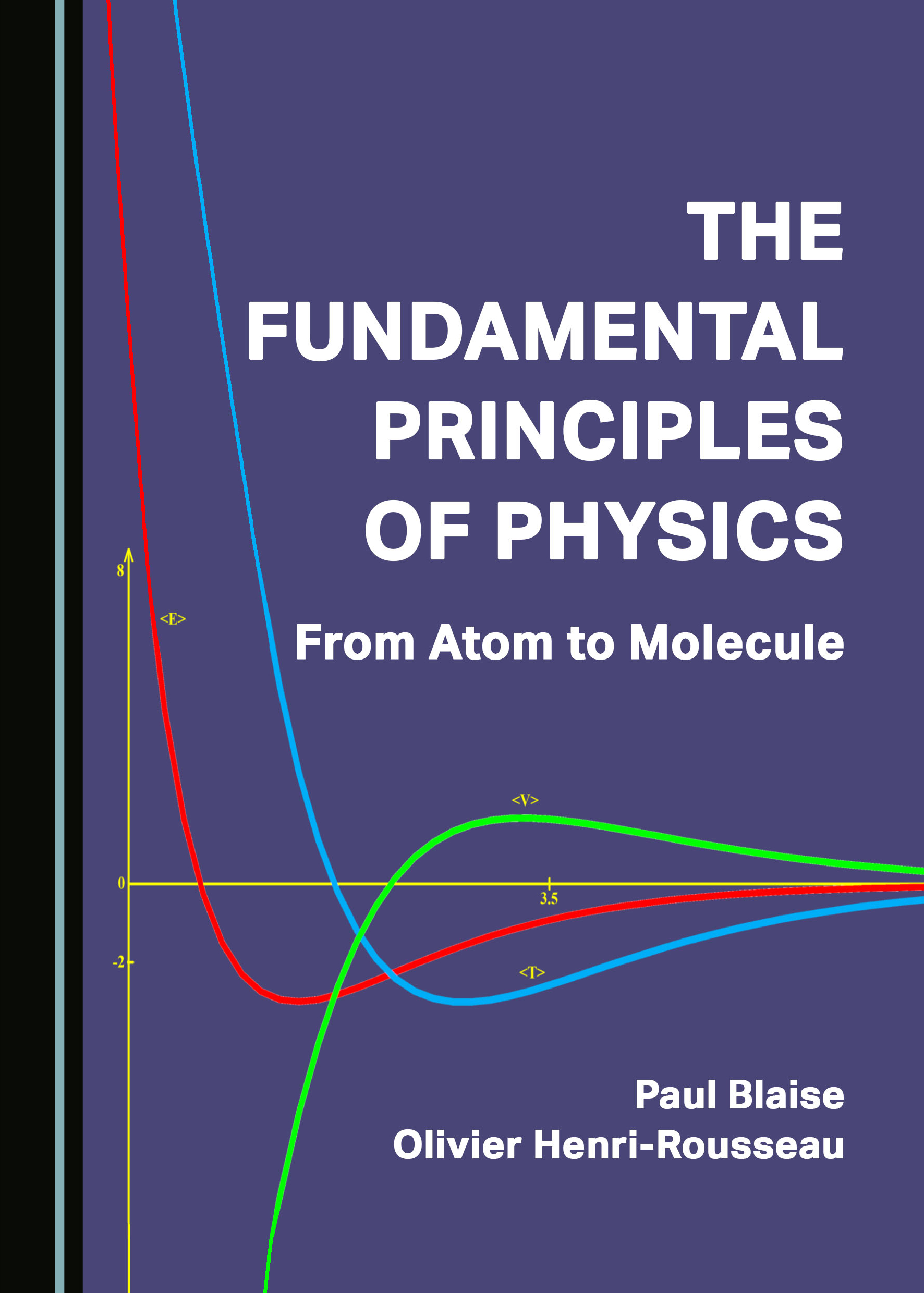
This book provides a precise idea of what an atom or molecule is using quantum theory. To overcome student comprehension difficulties, it insists on the importance of underlying physical principles, such as particle-wave duality, indeterminism, and presence probability.
This book provides a precise idea of what an atom or molecule is using quantum theory. To overcome student comprehension difficulties, it insists on the importance of underlying physical principles, such as particle-wave duality, indeterminism, and presence probability.
View more
This product has multiple variants. The options may be chosen on the product page

From £32.99
From energy and electronics to medicine, oxide materials are essential. This book presents the fundamentals of oxide powders, establishing a connection between their structure and electromagnetic properties to pave the way for new technological and biomedical applications.
From energy and electronics to medicine, oxide materials are essential. This book presents the fundamentals of oxide powders, establishing a connection between their structure and electromagnetic properties to pave the way for new technological and biomedical applications.
View more
This product has multiple variants. The options may be chosen on the product page
The General Theory of Particle Mechanics
A Special Course
Yefremov provides insights into the tight connection between fundamental math and mechanics, demonstrating that quantum, classical, and relativistic mechanics can be regarded as links of a single theoretical chain readily extracted from a simple mathematical medium.
Yefremov provides insights into the tight connection between fundamental math and mechanics, demonstrating that quantum, classical, and relativistic mechanics can be regarded as links of a single theoretical chain readily extracted from a simple mathematical medium.
View more
This product has multiple variants. The options may be chosen on the product page
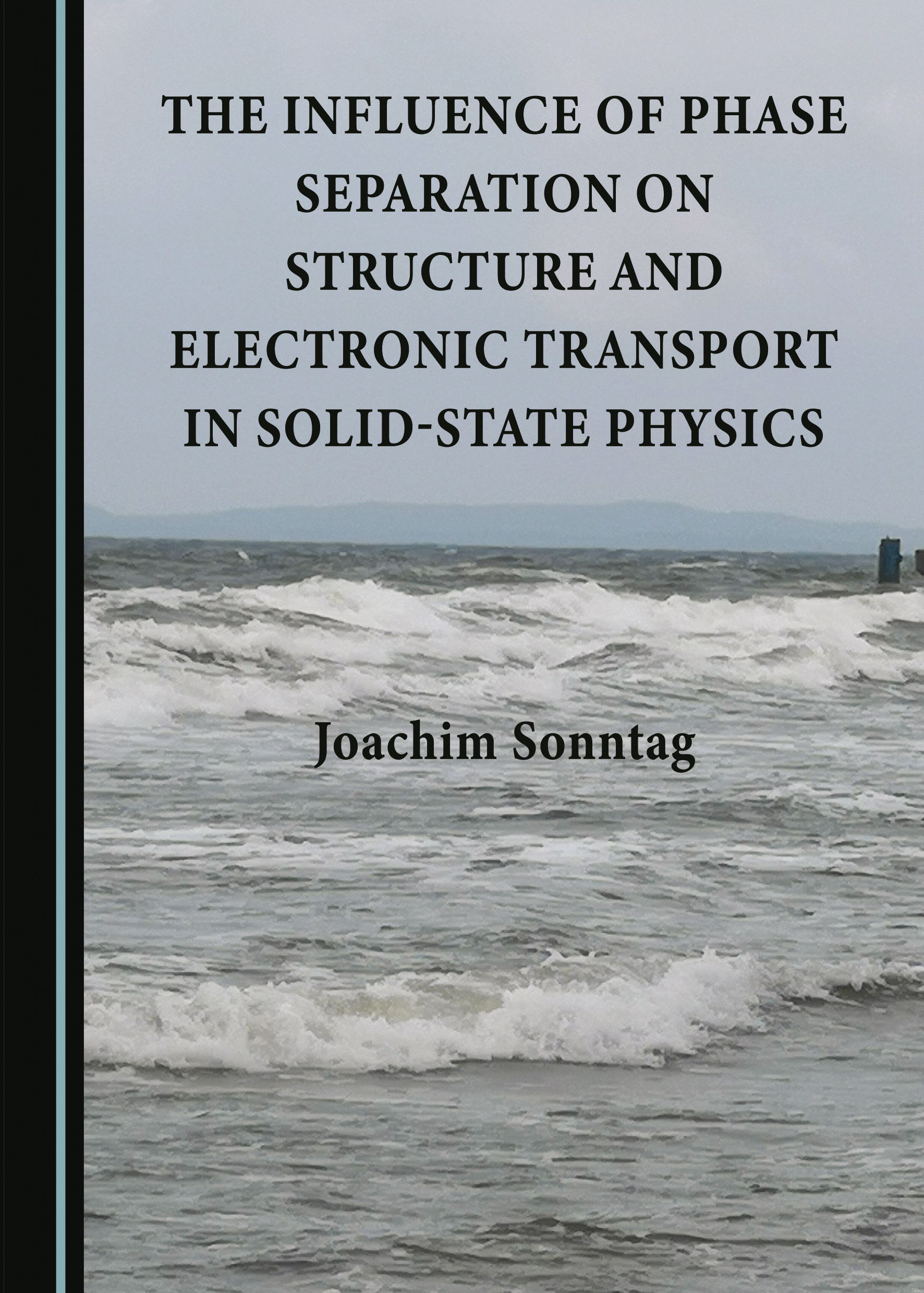
From £31.99
This book provides solutions to problems in solid-state physics that have eluded scientific explanation for decades, tackling mysteries like the structure of thin films, the existence of amorphous metals, and the cause of the Giant Hall Effect.
This book provides solutions to problems in solid-state physics that have eluded scientific explanation for decades, tackling mysteries like the structure of thin films, the existence of amorphous metals, and the cause of the Giant Hall Effect.
View more
This product has multiple variants. The options may be chosen on the product page
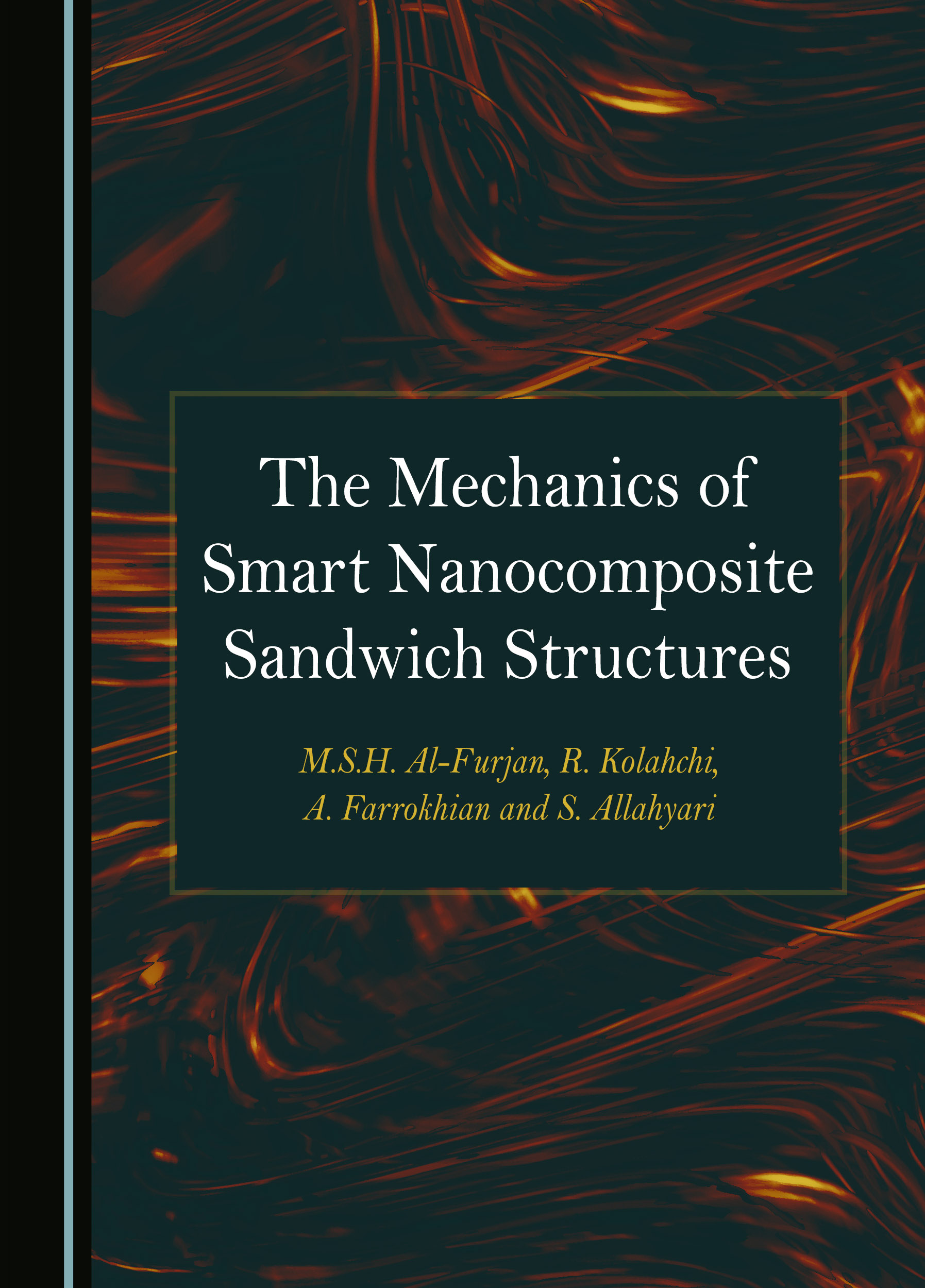
From £33.99
This book explores the mechanics of smart nanocomposite sandwich plates, covering theories of buckling, vibration and dynamic instability. It presents models for material properties and derives governing equations using the energy method and Hamilton’s principle.
This book explores the mechanics of smart nanocomposite sandwich plates, covering theories of buckling, vibration and dynamic instability. It presents models for material properties and derives governing equations using the energy method and Hamilton’s principle.
View more
This product has multiple variants. The options may be chosen on the product page
Processing Your Order
Please wait while we securely process your order.
Do not refresh or leave this page.
You will be redirected shortly to a confirmation page with your order number.