• 0 Items - £0.00
    • No products in the cart.

From £29.99

Paganism and Its Discontents

Enduring Problems of Racialized Identity
Holli S. Emore, Jonathan M. Leader

From £29.99

While some use Norse spirituality to promote racist ideologies, many contemporary Heathens reject this thinking. This book delineates between two communities using shared symbols for widely different purposes to help mitigate the rising tide of hate and racialized identity.

Proponents of racist interpretations of pre-Christian Norse-Germanic spiritualities have claimed to be preserving “heritage,” while others belonging to the contemporary Heathen movements have moved to…
From £29.99
From £29.99
Share

Proponents of racist interpretations of pre-Christian Norse-Germanic spiritualities have claimed to be preserving “heritage,” while others belonging to the contemporary Heathen movements have moved to distance themselves from “volkish” thinking. Long-simmering just beneath the surface of American Paganism, racialized Heathenry was on full display in 2017 in Charlottesville, Virginia. The contributions to this volume delineate between two communities that are using shared symbolism for widely different purposes. The book will serve to broaden understanding of the narratives in play here, resulting in mitigation of the rising tide of hate and racialized identity.

Holli S. Emore, MDiv, is Executive Director of Cherry Hill Seminary, USA and author of Constellated Ministry for the Pagan Spiritual Landscape (2021). Committed to building interfaith relationships, both locally and globally, she has served on the Board of Directors of Interfaith Partners of South Carolina since 2012 and as a regional resource for law enforcement, victim services and criminal justice classes since 2004. She is the founder and priestess of Temple Osireion, and served as the first South Carolina Regional Lead for Disaster Spiritual Care for the American Red Cross.

Jonathan M. Leader, PhD, is the State of South Carolina Archaeologist and Chair of Archaeology at the University of South Carolina Institute of Anthropology and Archaeology. He has 40 years of archaeological and anthropological experience within diverse communities, providing training, research and consultations on four continents, the islands of Micronesia and the Caribbean. His publications include Catawba Indian Nation Boundary Cemetery Project and “Archaeological Prospection: Near Surface Geophysics” in Archaeology in South Carolina: Exploring the Hidden Heritage of the Palmetto State.

Hardback

  • ISBN: 1-5275-5770-7
  • ISBN13: 978-1-5275-5770-3
  • Date of Publication: 2020-09-01

Paperback

  • ISBN: 1-5275-9624-9
  • ISBN13: 978-1-5275-9624-5
  • Date of Publication: 2023-04-22

Ebook

  • ISBN: 1-5275-5849-5
  • ISBN13: 978-1-5275-5849-6
  • Date of Publication: 2023-04-22

Subject Codes:

  • BIC: HRAM, HRAM2, HRAM9
  • BISAC: REL117000, REL116000, REL084000, SOC039000, SOC031000, SOC002010
  • THEMA: QRAM, QRAM2, QRAM9
168
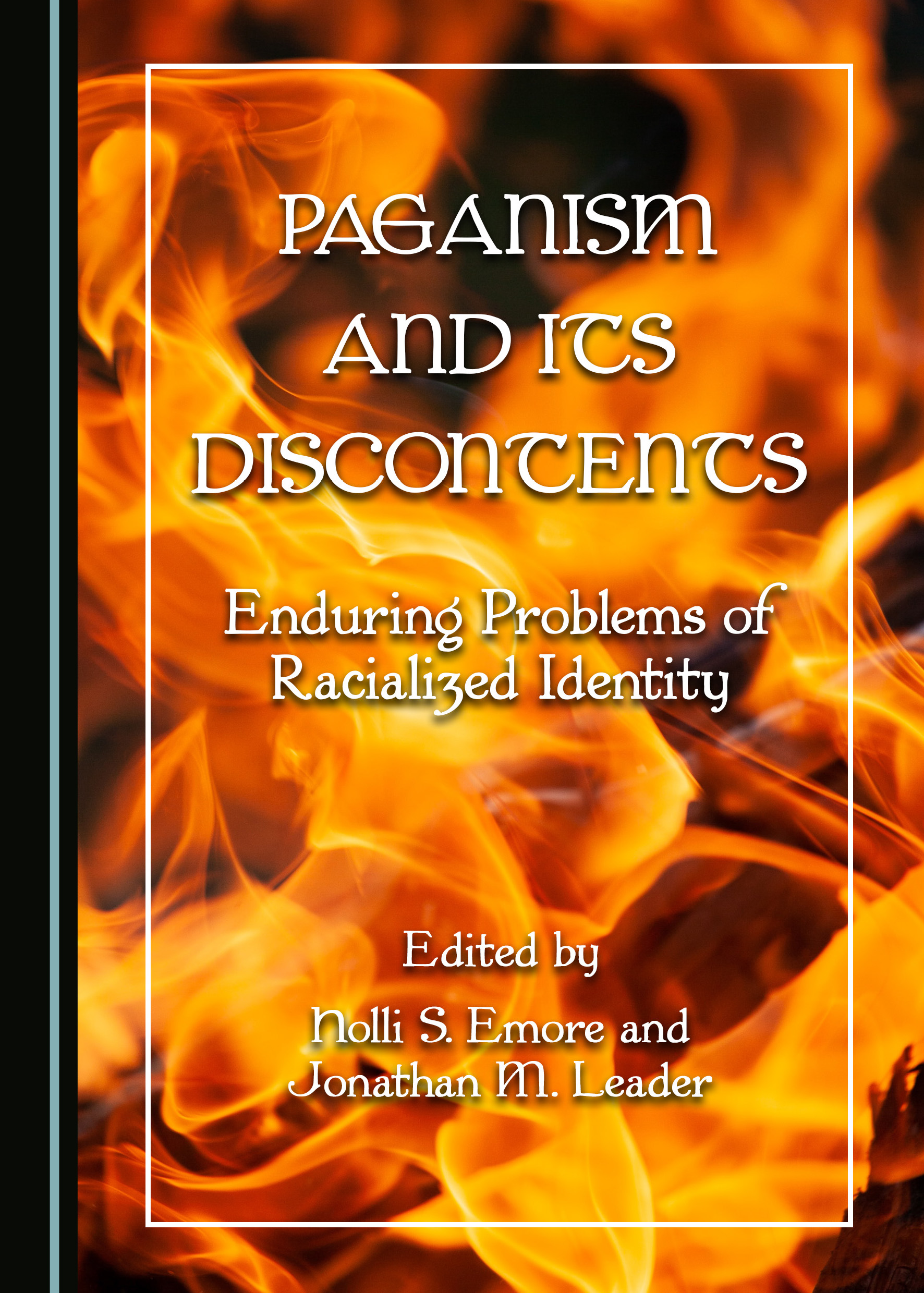
  • “One would not think that such a slim volume (156 pages; preface included) could encompass a subject as vast and as important as race, religion, and identity. Yet this compilation of essays not only succeeds in addressing this difficult and often very complex subject matter, but outright refuses to gloss over what the book cover of nondescript flames illustrates—the damaging fires of hate, which have long been burning through the world, rising to engulf culture and religion alike.
    - Paganism and Its Discontents: Enduring Problems of Racialized Identity, or Discontents for short, was born out of a symposium by the same name that was held jointly by Cherry Hill Seminary and the University of South Carolina’s Institute of Archaeology and Anthropology in March of 2019. The book delves into the problems of racialized identity primarily through the lens of pre-Christian Germanic Reconstructionist religion, or Heathenry, which has had more issues concerning white supremacy within it than most other spiritual modalities. Examining the connection between white supremacy and Heathenry is, and has been, a book unto itself; however, each of the essays found in Discontents contributes its own account of this narrative. The voices that resonate within this book are intimate and foreboding. Each writer gifts the reader not only accurate information and historicity concerning extremism and racialized identity, but also their personal experience as a part of a community with an expanding racialized problem. This, above all, makes this book not merely a simple cry to end extremism and calling out those who espouse it, but provides a piercing glimpse at understanding the “why” and the “how” of extremism and those who continue to fall prey to it.

Processing Your Order

Please wait while we securely process your order.
Do not refresh or leave this page.
You will be redirected shortly to a confirmation page with your order number.