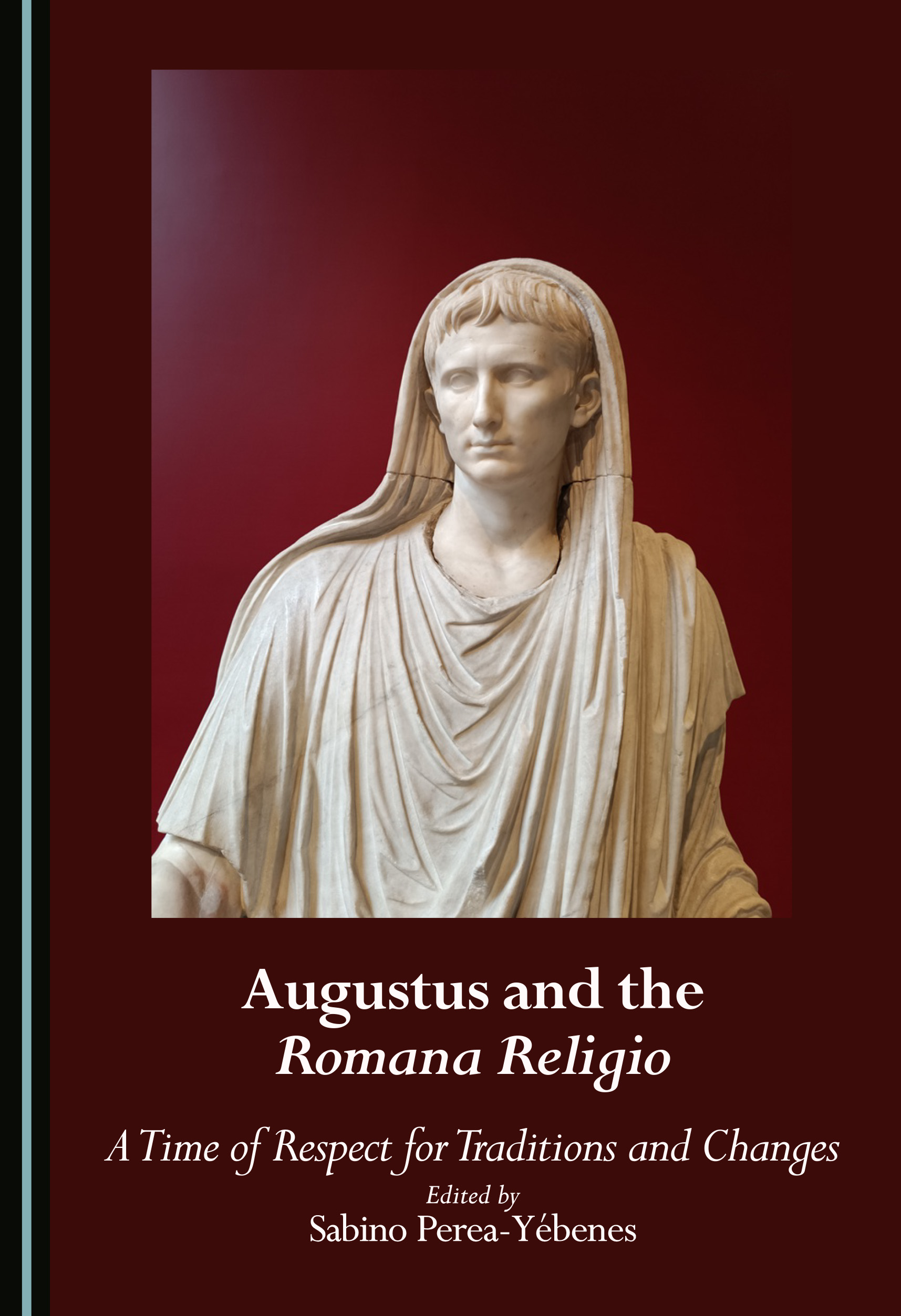
In this volume, a group of European specialists, professors of ancient history from different universities, present their work on Roman religion around the figure of Emperor Augustus. Many years in the leadership of the Empire allowed him to make great political reforms, but also religious ones. These were not radical, nor did they intend to break with the traditional past; on the contrary, cults and customs that had been lost over the years recovered. Throughout his life, he promoted rites and festivals, thus strengthening Roman religious sentiment, occupying various prestigious priesthoods himself. After his death, and his subsequent divinization, new ceremonies and new priests were created to attend to the nascent cult of emperors. The religious universe of his time was therefore situated between respect for Roman tradition and the beginning of new forms of official worship in Rome and in the provinces of the Empire.