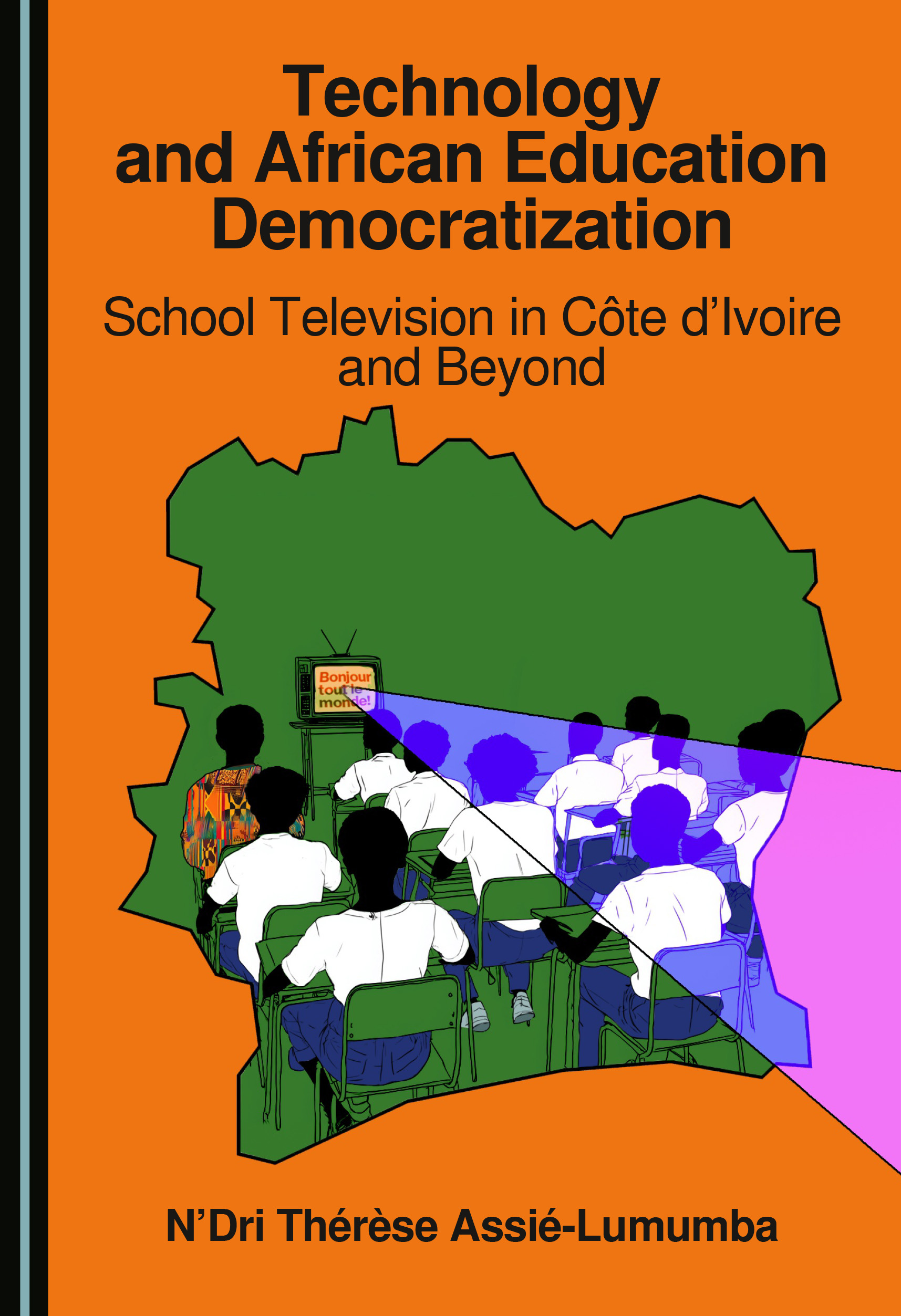
This book offers a critical, historically grounded examination of Côte d’Ivoire’s bold educational television program (Programme d’Éducation Télévisuelle-PETV) in the 1970s. Initiated during a period of economic growth, aligned with both national ambitions, acclaimed and supported by international organizations including UNESCO and the World Bank, PETV aimed to democratize education and harness technology for public good. Anchored in President Félix Houphouët-Boigny’s vision for equal educational opportunity and modernization, the study delves into the pedagogical and political stakes of using media for mass education. It also reflects on the broader implications of technology transfer in education, especially in the context of global North–South power dynamics. As the COVID-19 pandemic reignited global conversations around access and equity in education, this book revisits the Ivorian experience to draw critical lessons. It underscores technology’s evolving, non-neutral role in shaping educational futures across diverse contexts, especially in Africa.