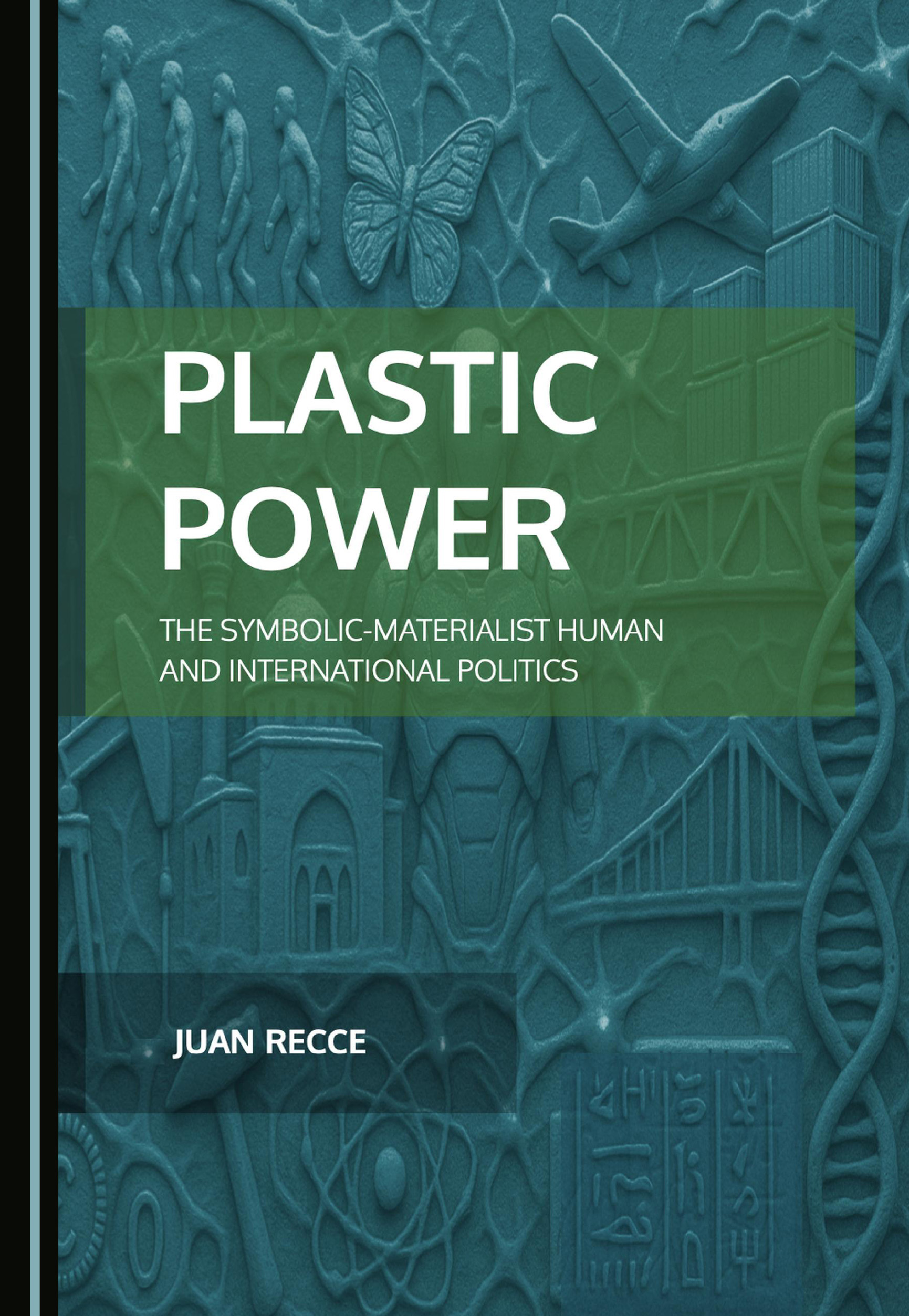
Plasticity is not just the subject of this book—it is also its method. This book offers an ambitious, interdisciplinary framework for understanding global transformation at its roots, treating symbolic and material forces as co-constitutive. It weaves together a philosophy of history and a critical anthropology grounded in neuroplasticity, revealing how human consciousness and global structures co-evolve. By interrogating the deep tensions between identity and ideology, geopolitics and geoeconomics, the book reconceptualises the world as a theoretical laboratory and the post-Cold War international agenda as its empirical field. Drawing on case studies from Latin America, Eurasia, Africa, and Eastern Europe, it reveals how emerging forms of power are forged through symbolic-material struggles over meaning, legitimacy, and resources. By combining political theory, international relations, and critical sociology, it offers a distinctive framework for grasping the fluid architecture of the emerging world order. This is a vital contribution for scholars and practitioners seeking to understand how the global operates—not just through structures or interests, but through narratives, asymmetries, and historical fractures.