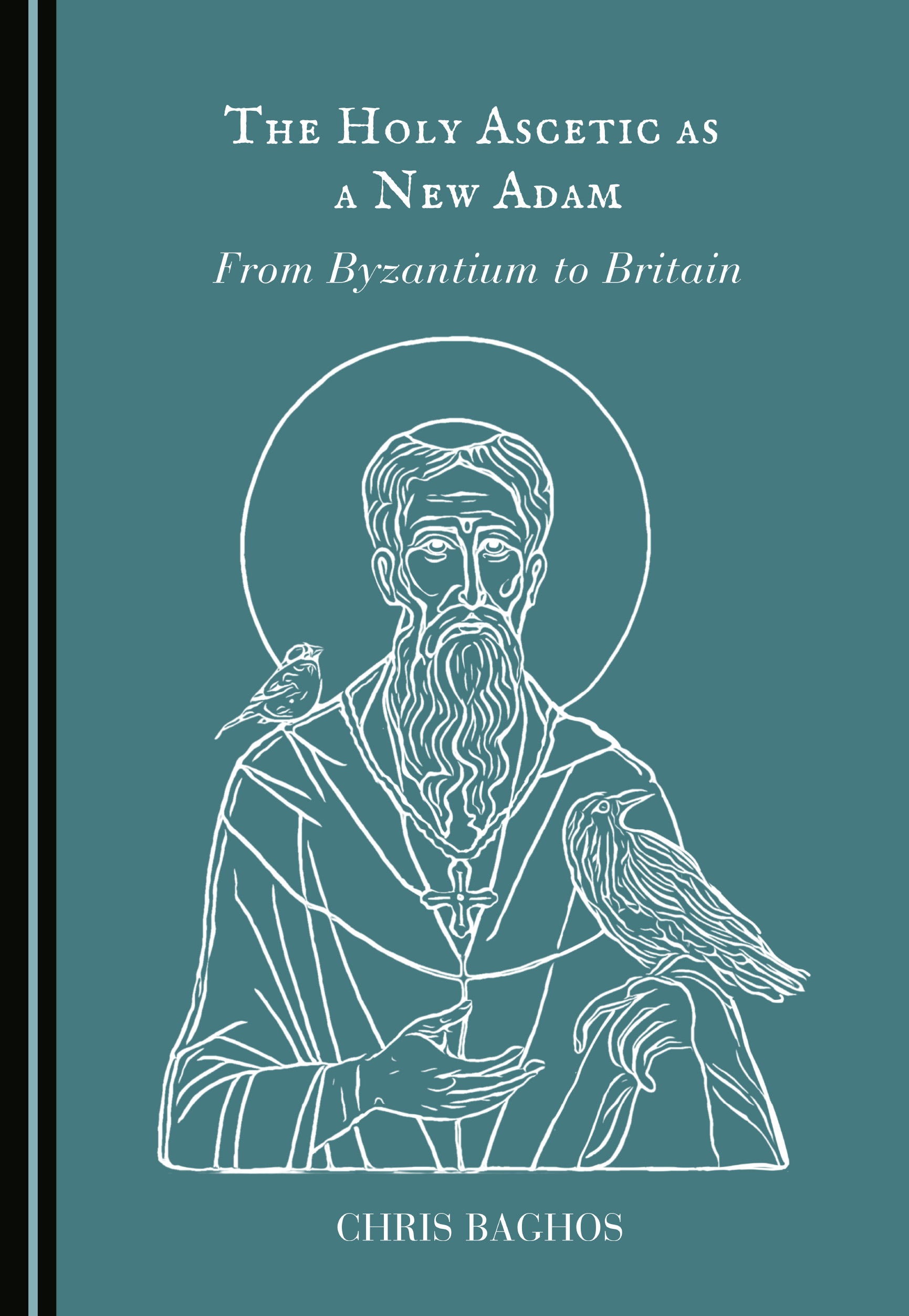
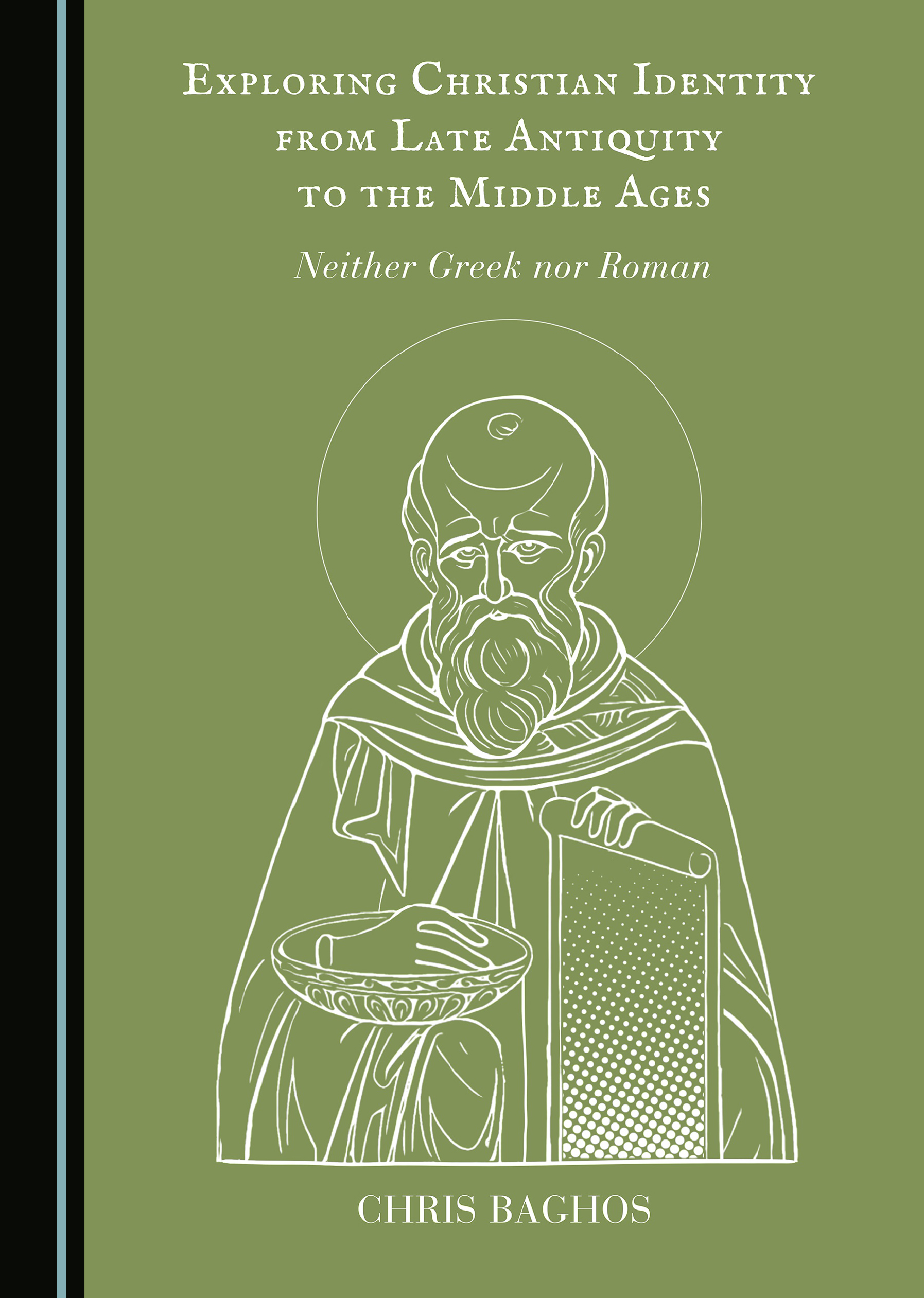
Most scholarly and ecclesiastical authorities tend to examine the first millennium of Christianity using the divisional categories “Greek East” and “Latin West”. Such terminology is of value insofar as it distinguishes between the episcopal centres of Constantinople and Rome, and the administrative and theological linguae francae of their respective jurisdictions. However, the literary representations of holy ascetics by the Greek and Latin Christian communities and their religious inheritors during this time very often reflect shared spiritual values, aspirations, and worldviews. Major Continental and Insular monastics, including Sts. Martin of Tours, Columba of Iona, and Guthlac of Crowland, have thus been depicted as having elevated or risen above the “garments of skin” (Genesis 3:21) characteristic of the postlapsarian condition while at the same time taking on the environmental curative role first assumed by Christ during his incarnate ministry as the “New Adam”. Via a thorough analysis of the “New Adam” and “garments of skin” motifs developed in key Vitae from Late Antiquity to the Middle Ages, as well as their patristic antecedents, this book outlines how the Byzantine, Continental, and Insular portrayals of ascetics as redeemers of the created order attest to a shared spirituality and common perception of reality on the part of two vast regions falsely categorised independently.