Living organisms require a constant supply of energy and certain organic and inorganic molecules for their survival and functioning. The brain and nervous system, like other bodily systems, depend on a continuous intake of these substances. Naturally, the higher an organism’s position in the evolutionary hierarchy, the more active its brain and the greater its role in controlling and interacting with the environment, thus the proportionally higher its energy and nutritional demands. These needs are met through compounds collectively termed “food,” which are ultimately utilized by the body’s cells with the aid of oxygen absorbed from the environment.
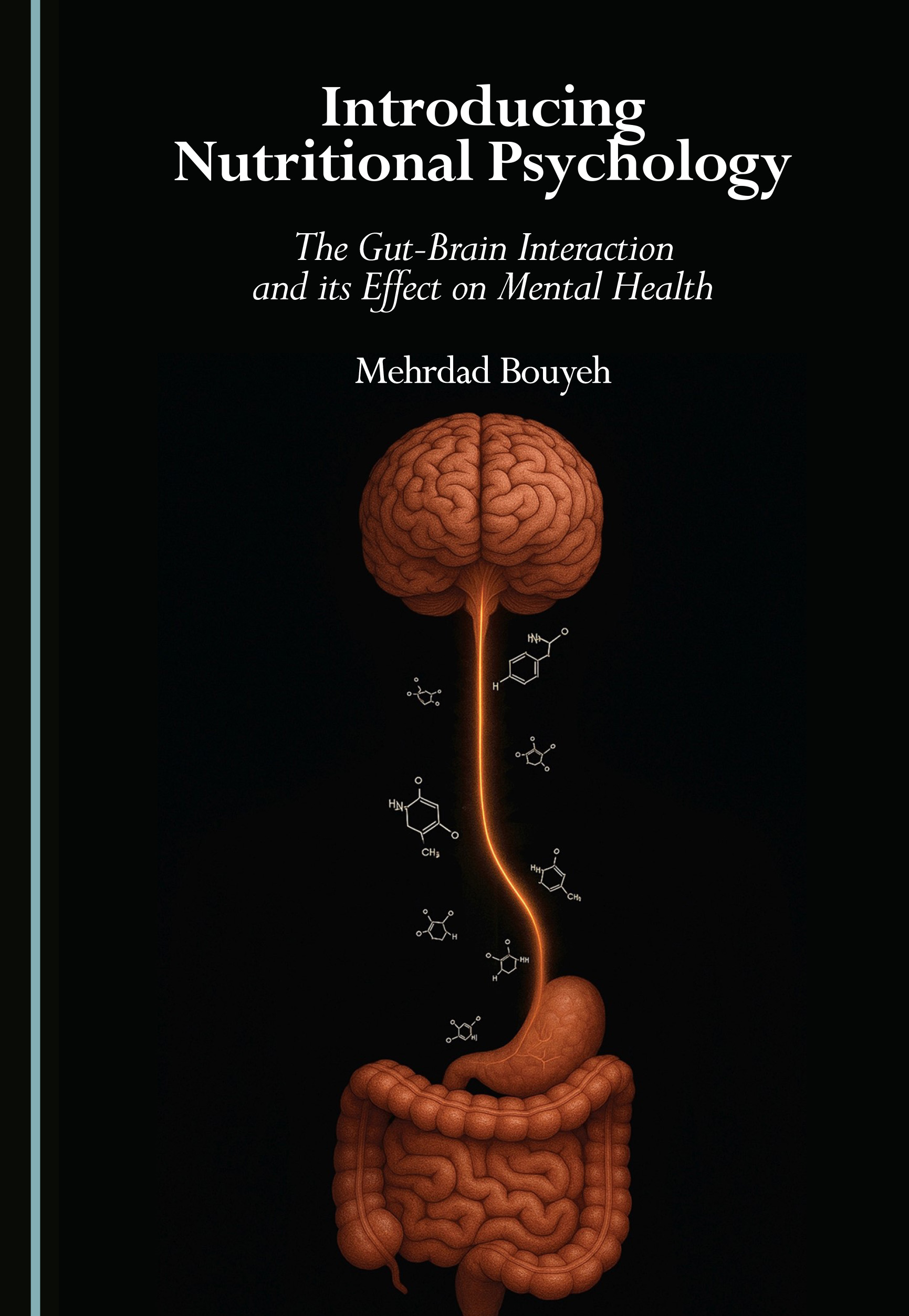
For years, the fields of nutrition science, psychology, and psychiatry have evolved as distinct yet burgeoning disciplines, each addressing what appeared to be separate domains: the body’s physical needs and the mind’s psychological demands. However, rapid advances in biochemistry have revealed profound intersections across the life sciences, including these disciplines, culminating in the recent emergence of an interdisciplinary field termed nutritional psychology, which is rapidly gaining traction.
This book focuses on introducing and discussing the scientific findings of this emerging field and its application to human mental health.