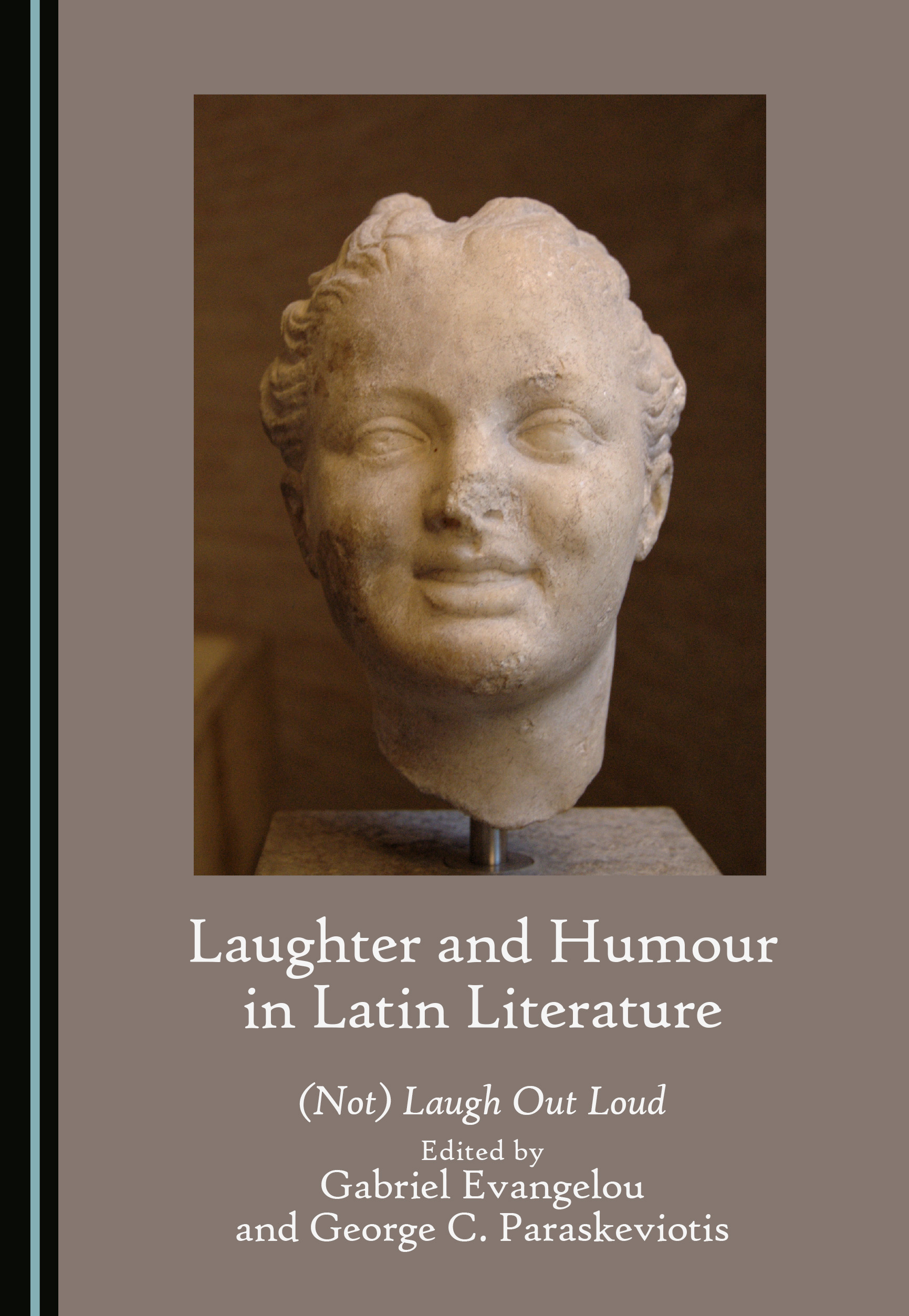
This volume explores laughter and humour in Roman literature, illustrating how they shaped social interactions, philosophy and literary traditions. Scholars examine works from Plautus to Ovid, including Lucretius, Calpurnius Siculus, Fronto, Marcus Aurelius, Lucian, Seneca and Martial, revealing the role of jokes, wordplay and irony in both daily life and elite discourse. Topics include comedic aesthetics, the art of insult and humour’s social impact, offering fresh insights into Roman wit, power and identity. By exploring how laughter and humour were used to entertain, critique and reinforce social norms, this book highlights their broader cultural significance in the ancient world. Essential for classicists, historians and literary scholars, it provides a deeper understanding of Roman society through the lens of laughter and humour.