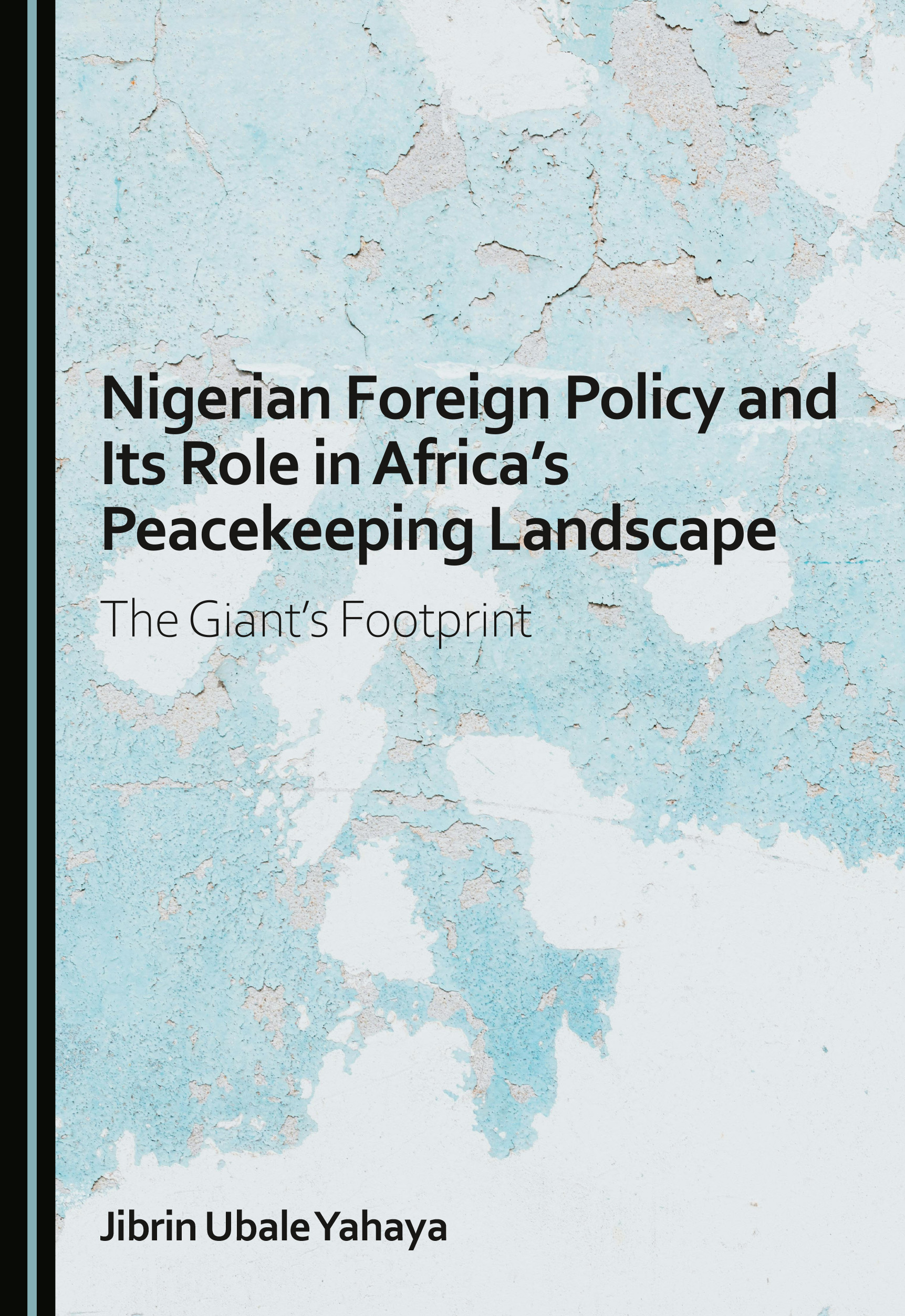
Nigeria has long been regarded as a dominant force in African diplomacy, leveraging its economic strength, military capabilities, and strategic positioning to shape the continent’s peace and security landscape. This book critically examines Nigeria’s foreign policy approach, highlighting its leadership in peacekeeping missions across Africa. From the interventions in Liberia and Sierra Leone to its role in the Economic Community of West African States (ECOWAS) and African Union (AU)-led peace operations, this book explores how Nigeria has navigated the complexities of conflict resolution, regional stability, and international diplomacy.
Drawing on historical records, policy analysis, and expert interviews, the book provides an insightful assessment of Nigeria’s peacekeeping engagements, the challenges it faces, and its evolving status as a regional power. It also interrogates the political, economic, and strategic motivations behind Nigeria’s foreign policy decisions, offering a nuanced perspective on the country’s ambitions and limitations in the global arena.
This compelling work is essential reading for scholars, policymakers, and anyone interested in African international relations, peace studies, and the future of Nigeria’s diplomatic influence.