Insects are central to our ecosystems, agriculture, and health systems, but today, entomology stands at a critical crossroads. This book presents a timely and comprehensive exploration of the pressing issues, groundbreaking research, and future pathways that are shaping the science of insects.
Divided into five thematic parts, this volume begins with a foundational overview of entomology’s historical context before delving into current global challenges, including insecticide resistance, invasive species, pollinator decline, and the impacts of climate change. Readers will explore the ecological roles of insects, advances in forensic and forest entomology, and the management of disease vectors.
With a focus on innovation, the book examines state-of-the-art methodologies, including biotechnological tools, molecular genetics, remote sensing, and Geographic Information System applications, alongside integrated pest management strategies. Real-world case studies from urban ecosystems, sustainable agriculture, and conservation efforts illustrate practical applications and lessons learned. Finally, the volume looks forward to highlighting emerging technologies, policy implications, and the grand challenges that define the future of entomology. Ideal for researchers, students, policy makers, and practitioners, this book offers a vital resource for understanding and navigating the evolving landscape of insect science in the 21st century.
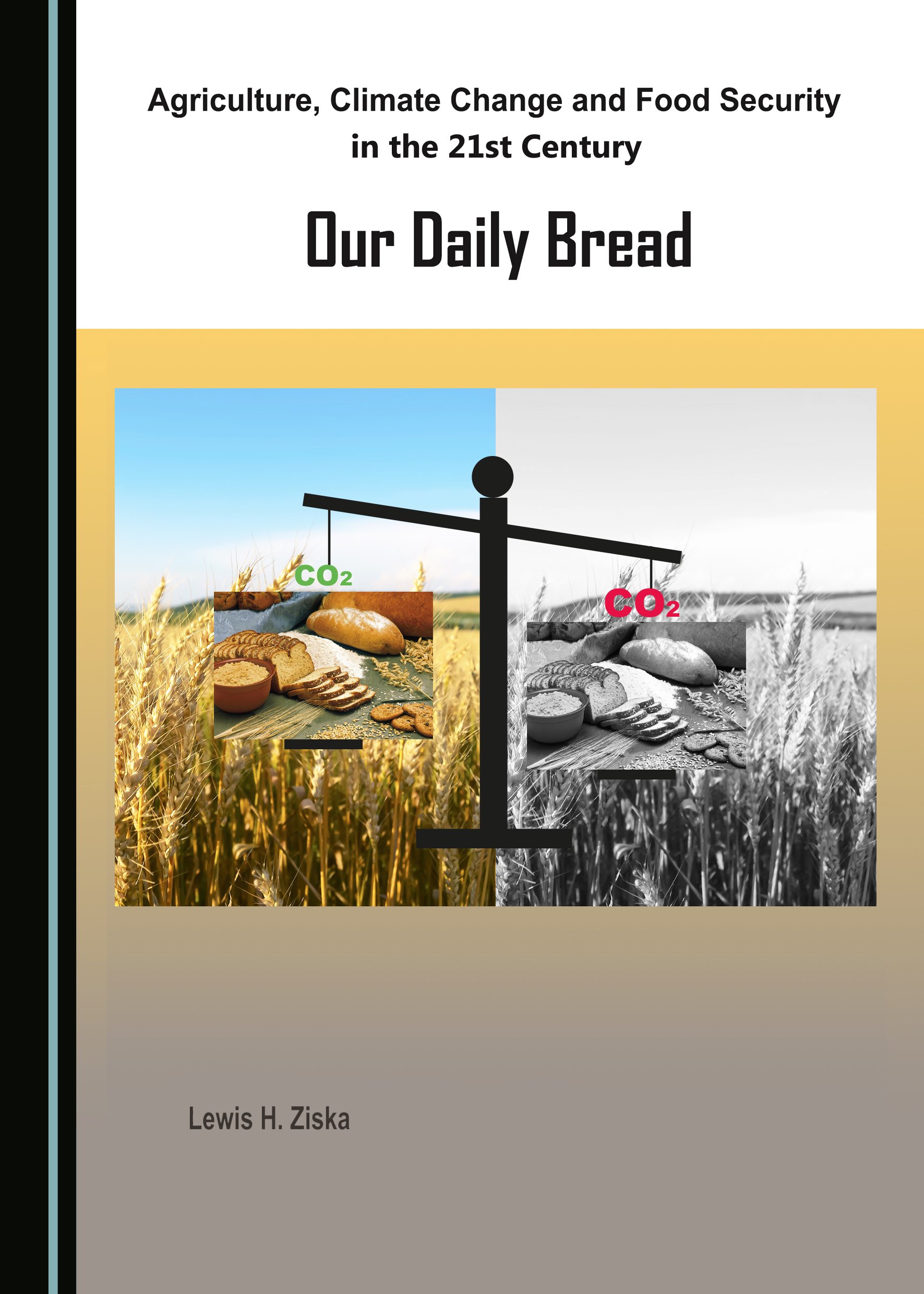
Man-made climate change poses a new crisis: how do we feed 10 billion people in a climate hostile to food security? This book explores the threat to our “daily bread” and argues that we are not without hope, offering solutions that can lead to a better future for humankind.