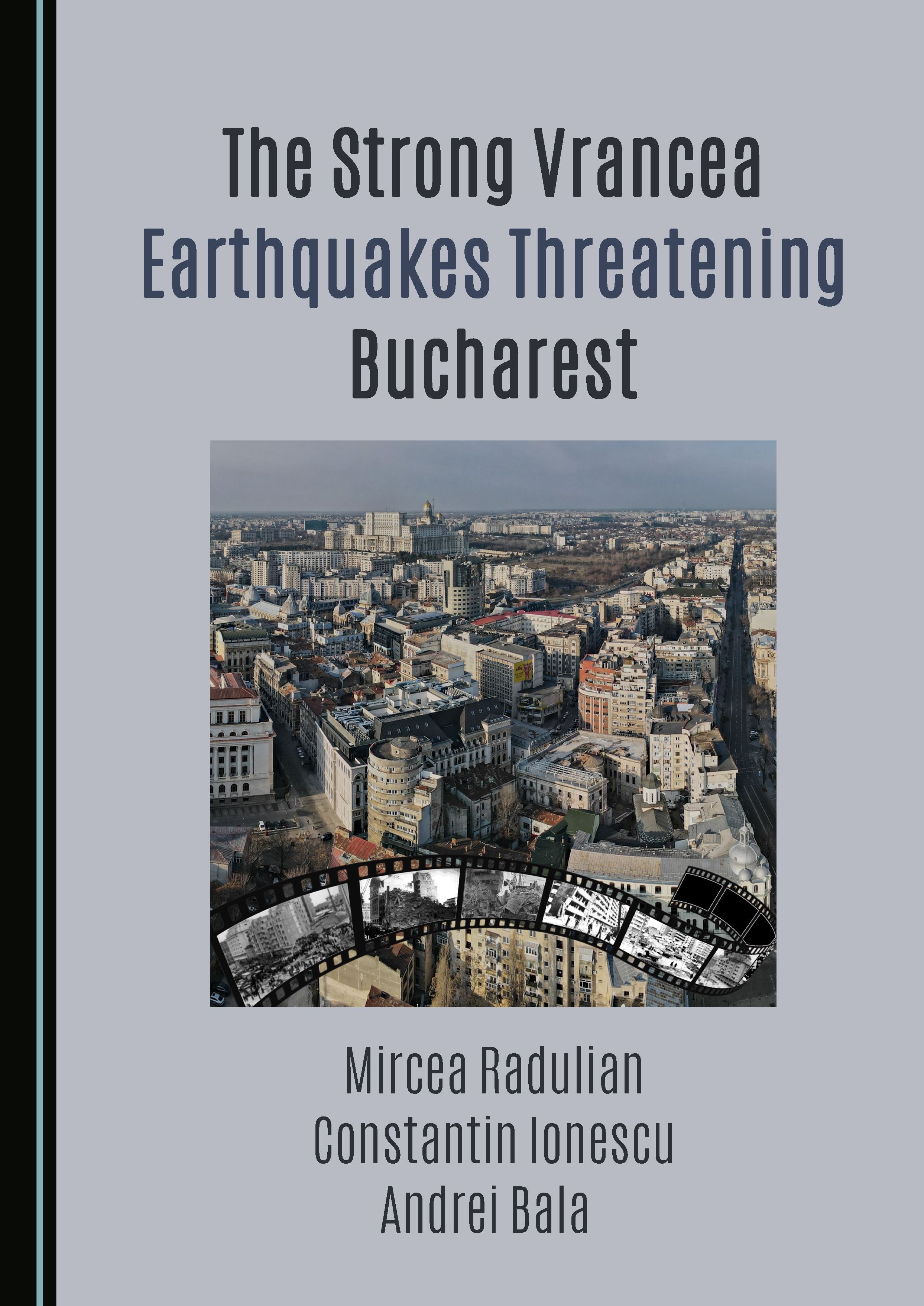
The impact of earthquakes on society and especially on large urban agglomerations is of the greatest interest both for specialists and the general public. The effects can be overwhelming and cause true collapse in daily life across an entire region or country. An example is Bucharest, capital of Romania, which suffers enormously from earthquakes. The earthquakes generated in the Vrancea seismic nest at intermediate depths (60 – 180 km) far away from the city cause major damage and loss of life in Bucharest several times each century. For this reason, Bucharest is currently considered to be the most vulnerable capital in Europe to seismic waves. This volume brings together a multitude of research works regarding the impact of Vrancea earthquakes on the city. All aspects considered essential for hazard and risk assessment are taken into account: source characterization, wave propagation from focus to the site, local site response, vulnerability and risk aspects together with some disaster management solutions. The book responds to the increased interest from graduate students, research scientists in seismology/geophysics, civil engineers, decision makers and the general public on seismic risk in large cities. By reviewing the main recent advances in seismological research, it provides an excellent starting point for new approaches and research applied to growing communities in big and resilient cities.