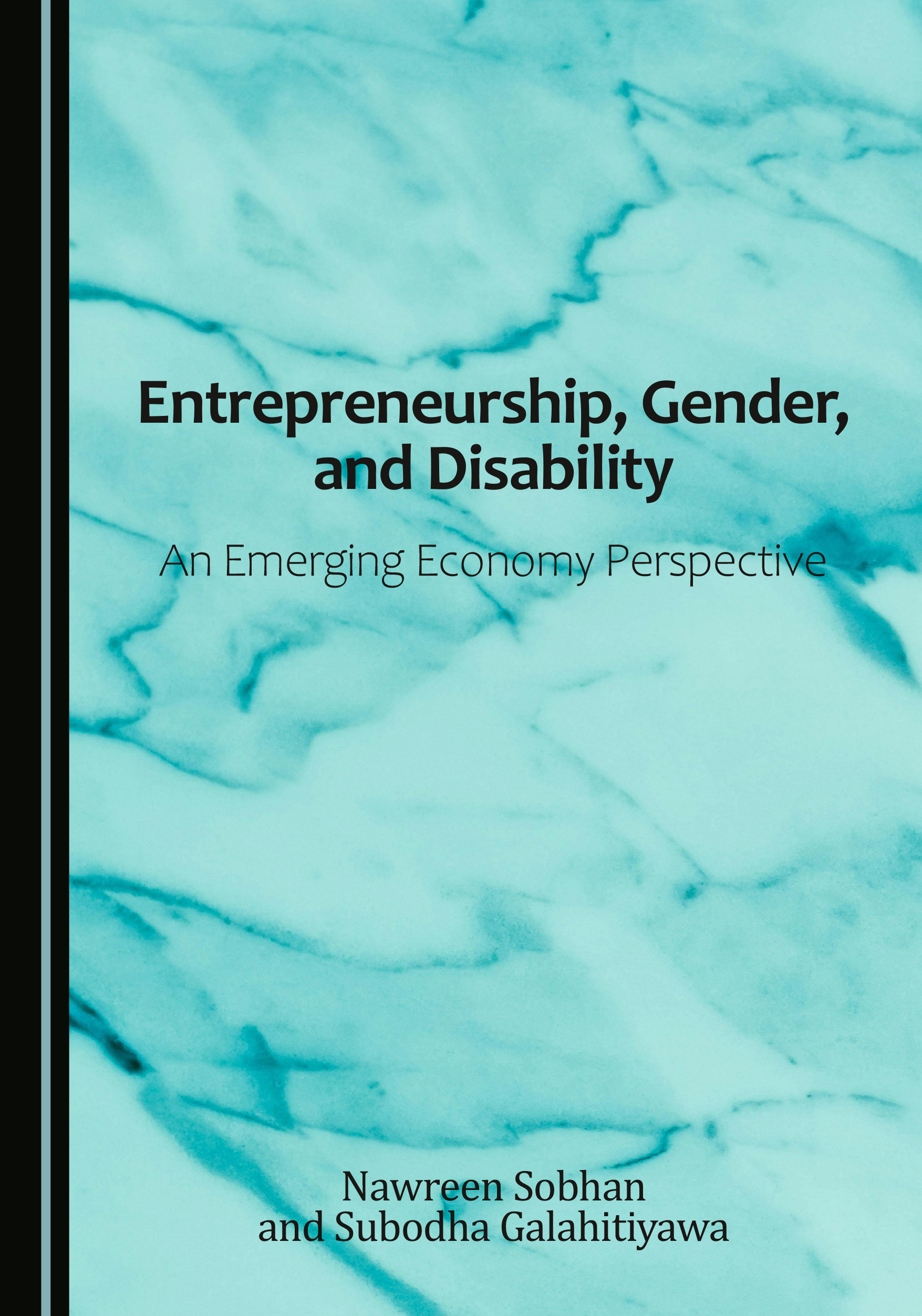
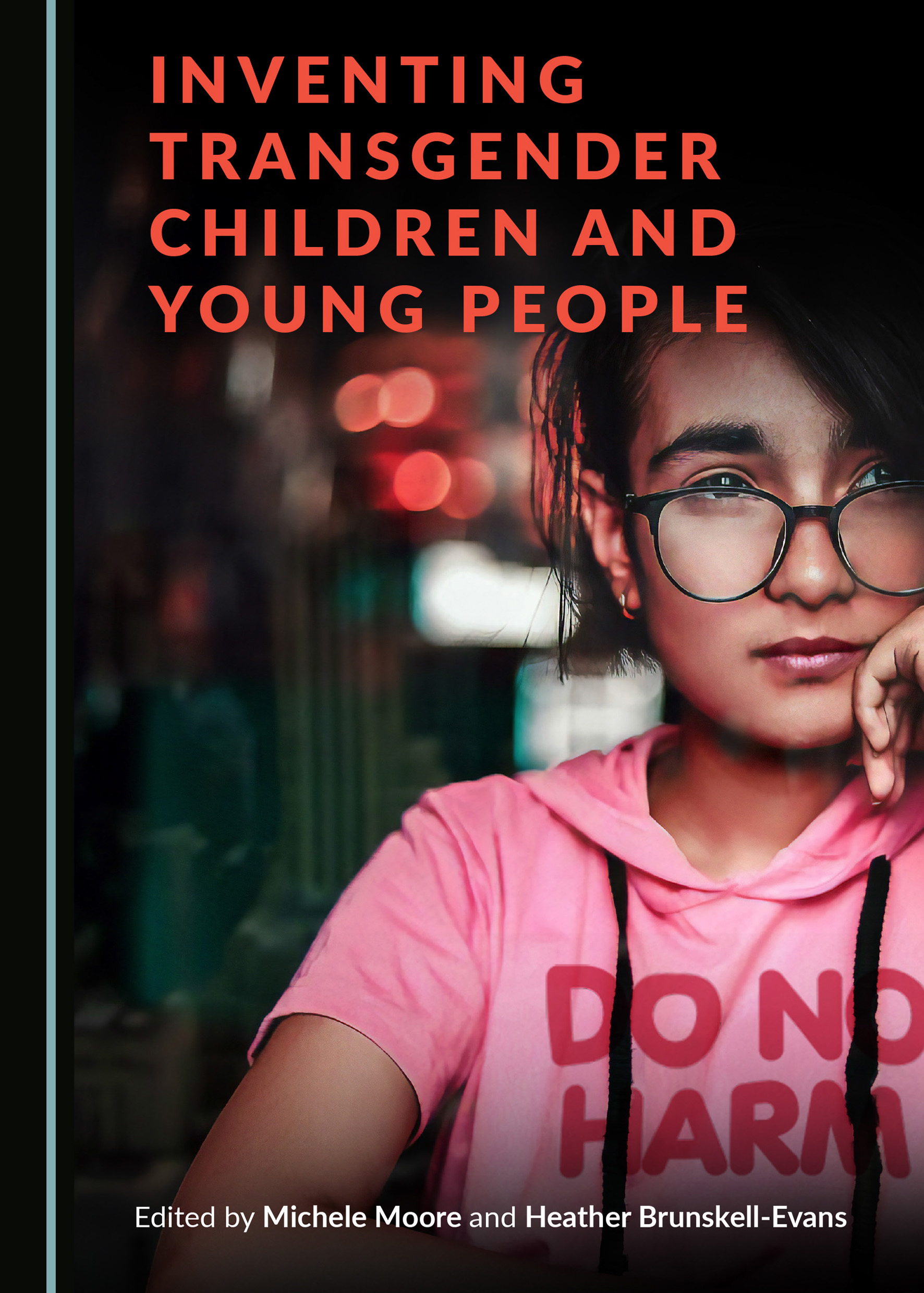
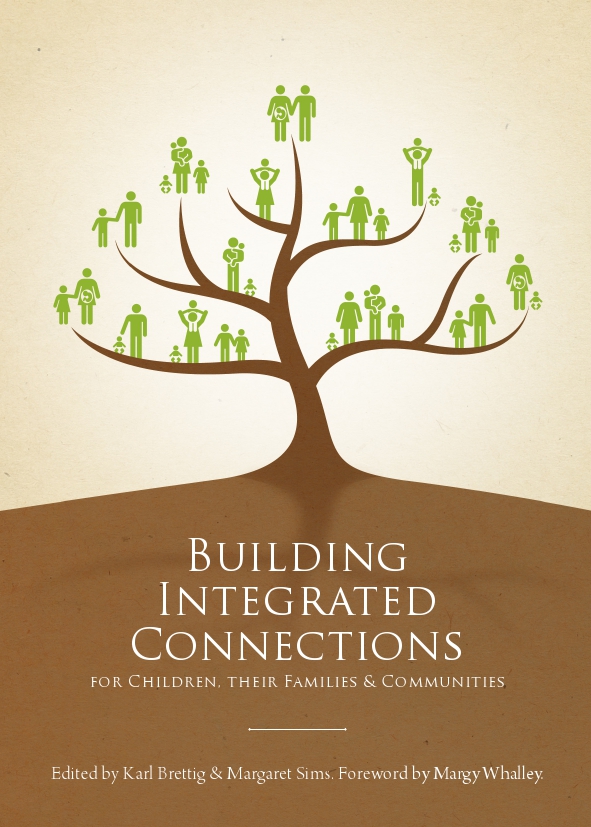
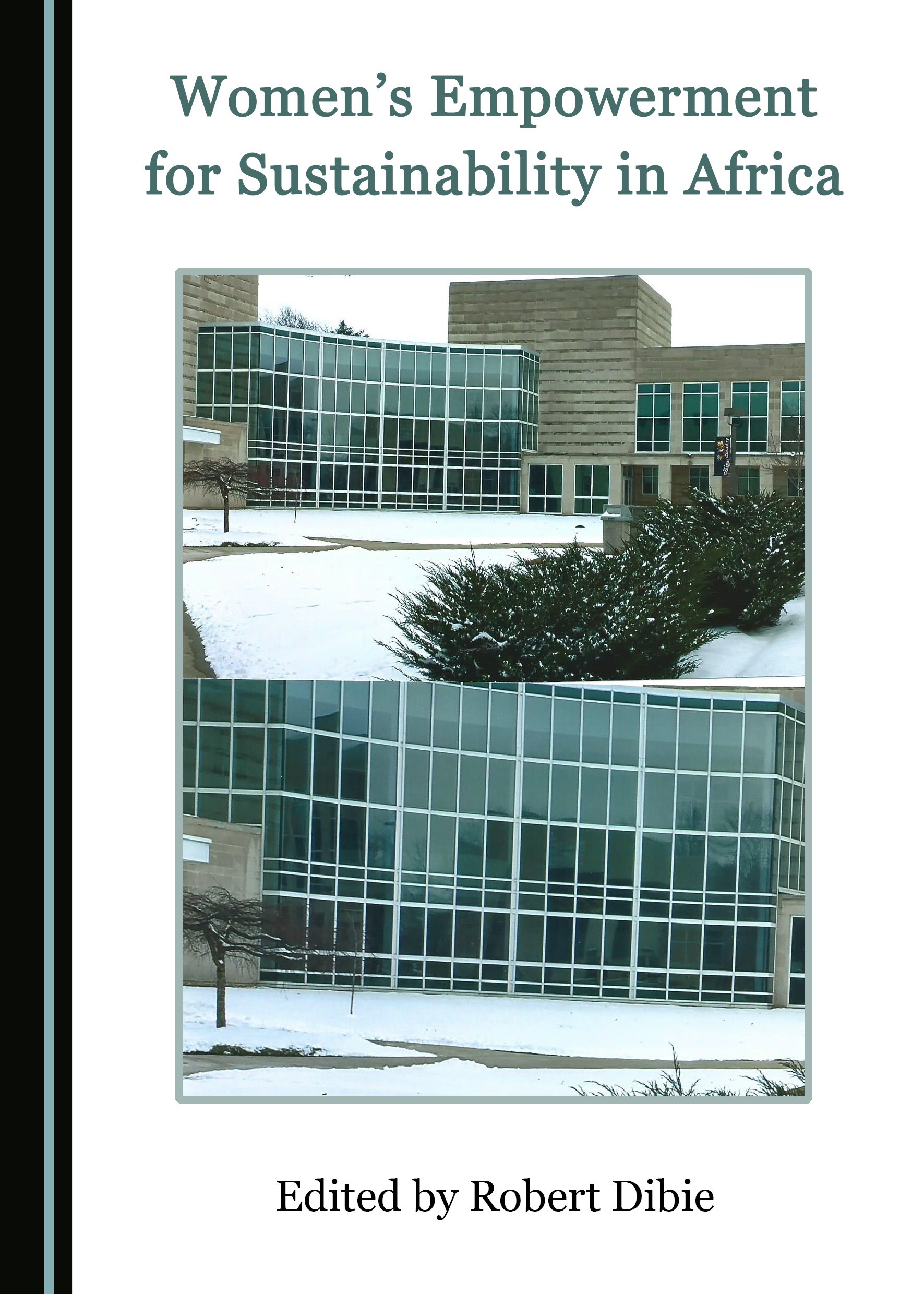
This book offers a rich and inclusive exploration of entrepreneurship through the often-overlooked lenses of gender and disability. Focusing on the socio-cultural and economic contexts of emerging economies, it presents a compelling mix of qualitative and quantitative research, case studies, and real-world insights. It highlights key themes, including discrimination, social networks, policy impact, education, and the unique challenges and motivations of disabled and female entrepreneurs. The book provides practical implications for policymakers, educators, and researchers, encouraging inclusive policy development and contextual teaching approaches. A valuable resource for academics, instructors, and university students, this title also aligns with the United Nations Sustainable Development Goals, promoting quality education, gender equality, decent work, and reduced inequality. Bridging theory and practice, it serves as a timely contribution to understanding the diverse entrepreneurial experiences shaping the economies of the future.
It is ideal for business scholars, policymakers, educators, and development professionals.